Dog Breed Comparison Guide
Choosing the right dog breed is one of the most important decisions a prospective dog owner can make. The wrong match leads to frustrated owners and stressed dogs, while the right match creates a partnership that enriches both lives for a decade or more. This comprehensive comparison guide evaluates 30 of the most popular dog breeds across the factors that matter most: size, energy level, grooming needs, family friendliness, apartment suitability, and estimated lifetime health costs.
30-Breed Comparison Matrix
This matrix compares the 30 most popular dog breeds across six key factors. Ratings use a 5-point scale where applicable, and size categories are Small (under 25 lbs), Medium (25-55 lbs), Large (55-80 lbs), and Giant (80+ lbs). Energy is rated Low, Moderate, High, or Very High. Grooming is rated Low, Moderate, or High.
| Breed | Size | Energy | Grooming | Family-Friendly | Apartment-Friendly | Est. Annual Health Cost |
|---|---|---|---|---|---|---|
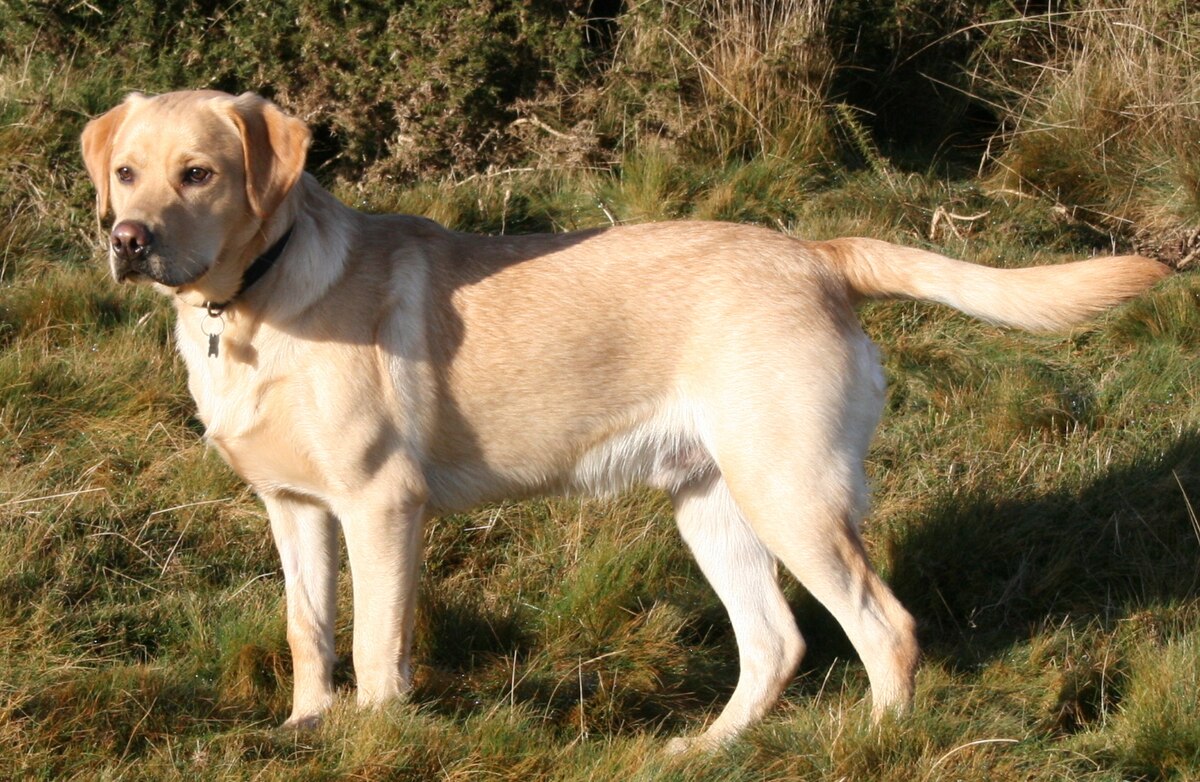
| Labrador Retriever | Large | High | Low | 5/5 | 2/5 | $500-$1,500 |
| French Bulldog | Small | Low | Low | 4/5 | 5/5 | $1,000-$3,000 |
| Golden Retriever | Large | High | Moderate | 5/5 | 2/5 | $500-$2,000 |
| German Shepherd | Large | High | Moderate | 4/5 | 1/5 | $700-$2,500 |
| Poodle (Standard) | Medium-Large | Moderate | High | 5/5 | 3/5 | $500-$1,500 |
| English Bulldog | Medium | Low | Low | 4/5 | 4/5 | $1,500-$4,000 |
| Beagle | Medium | High | Low | 5/5 | 3/5 | $400-$1,200 |
| Rottweiler | Large | Moderate | Low | 3/5 | 1/5 | $600-$2,000 |
| Dachshund | Small | Moderate | Low-Moderate | 3/5 | 4/5 | $500-$2,000 |
| German Shorthaired Pointer | Large | Very High | Low | 4/5 | 1/5 | $400-$1,200 |
| Pembroke Welsh Corgi | Medium | High | Moderate | 4/5 | 3/5 | $500-$1,500 |
| Australian Shepherd | Medium-Large | Very High | Moderate | 4/5 | 1/5 | $500-$1,500 |
| Yorkshire Terrier | Small | Moderate | High | 3/5 | 5/5 | $400-$1,200 |
| Boxer | Large | High | Low | 5/5 | 2/5 | $700-$2,500 |
| Cavalier King Charles Spaniel | Small | Moderate | Moderate | 5/5 | 5/5 | $600-$2,500 |
| Doberman Pinscher | Large | High | Low | 3/5 | 1/5 | $600-$2,000 |
| Great Dane | Giant | Moderate | Low | 4/5 | 2/5 | $800-$3,000 |
| Miniature Schnauzer | Small | Moderate | High | 4/5 | 4/5 | $400-$1,200 |
| Siberian Husky | Medium-Large | Very High | High | 3/5 | 1/5 | $500-$1,500 |
| Shih Tzu | Small | Low | High | 4/5 | 5/5 | $400-$1,200 |
| Bernese Mountain Dog | Giant | Moderate | High | 5/5 | 1/5 | $1,000-$3,000 |
| Pomeranian | Small | Moderate | High | 3/5 | 5/5 | $400-$1,200 |
| Havanese | Small | Moderate | Moderate-High | 5/5 | 5/5 | $400-$1,000 |
| Boston Terrier | Small | Moderate | Low | 4/5 | 5/5 | $500-$1,500 |
| Shetland Sheepdog | Small-Medium | Moderate | High | 4/5 | 3/5 | $400-$1,200 |
| Bichon Frise | Small | Moderate | High | 5/5 | 5/5 | $400-$1,000 |
| Border Collie | Medium | Very High | Moderate | 3/5 | 1/5 | $400-$1,200 |
| Maltese | Small | Low | High | 3/5 | 5/5 | $400-$1,000 |
| Vizsla | Medium-Large | Very High | Low | 4/5 | 1/5 | $400-$1,200 |
| Cocker Spaniel | Medium | Moderate | High | 4/5 | 3/5 | $500-$1,500 |
Best Breeds for Apartments
Living in an apartment does not mean you cannot have a dog, but it does mean you need to choose wisely. The best apartment dogs tend to be smaller (though not always), quieter, lower energy, and adaptable to limited space. All dogs still need daily exercise regardless of living space.
Top 8 Apartment Dog Breeds
- French Bulldog — Calm, quiet, minimal exercise needs, thrives indoors. The quintessential apartment dog. Be prepared for potential brachycephalic health costs.
- Cavalier King Charles Spaniel — Adaptable, quiet, affectionate. Equally happy with a long walk or a lazy afternoon on the couch.
- Bichon Frise — Small, cheerful, low-shedding. Good with neighbors due to moderate bark tendency.
- Havanese — The national dog of Cuba. Small, social, trainable, and remarkably quiet for a small breed.
- Shih Tzu — Bred as a lap dog for Chinese royalty. Low exercise needs, content in small spaces.
- Boston Terrier — The "American Gentleman." Compact, well-mannered, moderate exercise needs.
- Maltese — Tiny, gentle, low-shedding. Ideal for small apartments and seniors.
- Greyhound — Surprisingly excellent apartment dogs. Despite their racing history, retired greyhounds are calm, quiet couch potatoes indoors who need just 2-3 short walks daily.
Breeds to avoid in apartments: Border Collies, Australian Shepherds, Siberian Huskies, German Shorthaired Pointers, and other very high-energy breeds that need extensive outdoor exercise and mental stimulation. Huskies are also extremely vocal, which neighbors will not appreciate.
Best Breeds for Families with Children
The best family dogs are patient, gentle, sturdy enough for active children, and have a forgiving temperament. They should be social, trainable, and not overly protective or resource-guarding. Any breed can be wonderful with children when properly socialized, but these breeds consistently excel in family environments.
Top 8 Family Dog Breeds
- Labrador Retriever — The most popular family dog for good reason. Patient, playful, trainable, and endlessly enthusiastic. Excellent with children of all ages.
- Golden Retriever — Gentle, devoted, and incredibly patient. Known for their soft mouth and tolerant nature with children.
- Beagle — Sturdy, cheerful, and always ready for an adventure. Great with kids who love to play outdoors.
- Cavalier King Charles Spaniel — Gentle and adaptable. Good for families wanting a smaller, calmer companion.
- Boxer — Playful, energetic, and fiercely loyal. Great with kids who can match their energy level.
- Bernese Mountain Dog — Gentle giants that are wonderfully patient with children. Best in cooler climates.
- Havanese — Small but sturdy. Known as "Velcro dogs" for their attachment to family members.
- Bichon Frise — Happy, gentle, and playful. Hypoallergenic, making them ideal for families with allergy concerns.
Important Safety Reminder
No matter how gentle the breed, never leave young children unsupervised with any dog. Teach children to respect a dog's space, never disturb them while eating or sleeping, and recognize body language signals that indicate a dog wants to be left alone.
Best Breeds for First-Time Dog Owners
First-time dog owners should look for breeds that are forgiving of training mistakes, eager to please, moderate in their needs, and not prone to behavioral challenges that require experienced handling.
Top 8 Breeds for First-Time Owners
- Labrador Retriever — Forgiving, food-motivated (easy to train), and naturally social. Hard to go wrong with a Lab.
- Golden Retriever — Patient, eager to please, and responds well to positive reinforcement.
- Cavalier King Charles Spaniel — Low maintenance temperament. Gentle, adaptable, and easy to live with.
- Poodle (any size) — Extremely intelligent and trainable. Comes in toy, miniature, and standard sizes to fit any living situation.
- Bichon Frise — Cheerful, trainable, and not prone to behavioral problems.
- Havanese — Social, intelligent, and eager to please. Adapts well to any household.
- Beagle — Friendly and sturdy. Note: they can be stubborn with recall, so a fenced yard is recommended.
- Cocker Spaniel — Gentle, adaptable, and responsive to training.
Breeds to approach with caution as a first-time owner: Akita, Cane Corso, Belgian Malinois, Chow Chow, and other breeds with strong guarding instincts or independent temperaments that require experienced, confident handling.
Best Breeds for Active People
If you run, hike, bike, or spend hours outdoors every day, you need a breed that can keep up and will thrive with high-intensity exercise. These breeds are happiest when they have a job to do and plenty of physical and mental stimulation.
Top 8 Breeds for Active Lifestyles
- Border Collie — The most intelligent and tireless breed. Needs 2+ hours of exercise daily and thrives with agility, herding trials, or advanced obedience.
- Australian Shepherd — Versatile and athletic. Excels in almost every dog sport. Needs significant daily exercise.
- German Shorthaired Pointer — Built for endurance. Ideal for runners, hikers, and hunters. Needs 1-2 hours of hard exercise daily.
- Vizsla — The "Velcro Vizsla" wants to be with you at all times, ideally running. Incredible stamina and athletic ability.
- Siberian Husky — Bred to run for hours in harsh conditions. Perfect for runners in cold climates. Note: poor recall; keep on leash or in fenced areas.
- Labrador Retriever — Versatile athlete. Great for swimming, hiking, and running. Moderate to high exercise needs.
- Weimaraner — Elegant and athletic. Needs extensive exercise and does not tolerate boredom well.
- Belgian Malinois — Extremely athletic and driven. Best for experienced, active owners who want to compete in protection sports, agility, or detection work.
Best Breeds for Seniors
The ideal dog for seniors is calm, affectionate, manageable in size, and does not require intense physical exercise. Consider also that a puppy may not be the best choice — adult and senior dogs from rescues are often already trained and calmer, making them excellent companions for older adults.
Top 8 Breeds for Seniors
- Cavalier King Charles Spaniel — The ideal senior companion. Calm, affectionate, happy to cuddle, moderate exercise needs.
- Shih Tzu — Bred specifically for companionship. Low exercise needs, content to be a lap dog.
- Maltese — Tiny, gentle, and devoted. Easy to carry and manage. Low exercise needs.
- Bichon Frise — Cheerful and low-shedding. Light enough to be easily managed.
- Havanese — Social and adaptable. Happy with gentle walks and indoor play.
- Pomeranian — Spirited but small. Provides entertainment and companionship without high exercise demands.
- French Bulldog — Calm, quiet, and content with short walks. Note: may require lifting due to stairs or car access, and has higher health costs.
- Greyhound (retired racer) — For seniors who want a larger, calm companion. Retired greyhounds are gentle, quiet, and content with moderate exercise.
Breed Health Cost Comparison
One of the most overlooked factors in breed selection is the lifetime health cost. Some breeds are remarkably healthy, while others are prone to expensive chronic conditions. These estimates include routine vet care, breed-specific health issues, food (proportional to size), and grooming.
| Breed | Common Health Issues | Avg Lifespan | Est. Lifetime Health Cost |
|---|---|---|---|
| English Bulldog | Brachycephalic syndrome, skin fold infections, hip dysplasia, cherry eye, spinal issues | 8-10 years | $15,000 - $30,000+ |
| French Bulldog | Brachycephalic syndrome, spinal disorders, allergies, eye conditions | 10-12 years | $10,000 - $25,000+ |
| Bernese Mountain Dog | Cancer (histiocytic sarcoma), hip/elbow dysplasia, bloat | 7-10 years | $10,000 - $20,000+ |
| Great Dane | Bloat/GDV, heart disease, hip dysplasia, osteosarcoma | 7-10 years | $10,000 - $20,000+ |
| German Shepherd | Hip/elbow dysplasia, degenerative myelopathy, bloat | 9-13 years | $8,000 - $18,000 |
| Cavalier King Charles | Mitral valve disease, syringomyelia, eye conditions | 9-14 years | $7,000 - $18,000 |
| Golden Retriever | Cancer (hemangiosarcoma, lymphoma), hip dysplasia, allergies | 10-12 years | $6,000 - $16,000 |
| Labrador Retriever | Hip/elbow dysplasia, obesity, eye conditions | 10-14 years | $5,000 - $14,000 |
| Beagle | Epilepsy, hypothyroidism, intervertebral disc disease | 12-15 years | $4,000 - $12,000 |
| Bichon Frise | Allergies, patellar luxation, dental disease | 12-15 years | $4,000 - $10,000 |
| Havanese | Patellar luxation, eye conditions, generally healthy | 13-15 years | $4,000 - $10,000 |
| Border Collie | Hip dysplasia, epilepsy, eye conditions (CEA) | 12-15 years | $4,000 - $10,000 |
Note: These are estimates based on average breed health data. Individual dogs may be healthier or have more health issues than the breed average. Pet insurance can significantly reduce out-of-pocket costs for unexpected. Obtaining a dog from a responsible breeder who performs health screenings reduces the risk of genetic conditions.
Common Questions About Dog Breed Comparison Guide
What is the best dog breed for first-time owners?
The best breeds for first-time owners are typically eager to please, forgiving of training mistakes, and moderate in energy and grooming needs. Top recommendations include: Labrador Retriever (friendly, trainable, adaptable), Golden Retriever (gentle, patient, people-oriented), Cavalier King Charles Spaniel (affectionate, adaptable to any living situation), Poodle (intelligent, hypoallergenic, comes in 3 sizes), and Beagle (cheerful, sturdy, good with families). Avoid strong-willed or guarding breeds for your first dog.
What is the best dog breed for apartment living?
The best apartment dogs are typically smaller, quieter, and have moderate exercise needs. Top picks include: French Bulldog (calm, quiet, low exercise), Cavalier King Charles Spaniel (adaptable, quiet), Bichon Frise (small, low-shedding, cheerful), Havanese (small, quiet, people-oriented), Shih Tzu (laid-back, minimal exercise needs), and Greyhound (surprisingly calm indoors despite their speed). Avoid breeds that are very vocal (Huskies, Beagles), very high-energy (Border Collies), or require extensive outdoor exercise.
Which dog breeds are best for families with children?
The best family dogs are patient, gentle, sturdy enough for child interaction, and have a forgiving temperament. Top family breeds include: Labrador Retriever, Golden Retriever, Beagle, Cavalier King Charles Spaniel, Boxer, Bernese Mountain Dog, and Irish Setter. Any breed can be good with children when properly socialized and supervised. Always teach children how to interact safely with dogs and never leave young children unsupervised with any dog.
What are the most expensive dog breeds to own?
The most expensive breeds to own over their lifetime include: English Bulldog ($15,000-$30,000+ due to breathing, skin, and joint issues requiring frequent vet visits and potential surgery), French Bulldog ($10,000-$25,000+), Great Dane ($10,000-$20,000+ due to giant breed size and health issues), Bernese Mountain Dog ($10,000-$20,000+ due to high cancer prevalence), and German Shepherd ($8,000-$18,000+ due to hip and joint issues). Pet insurance is strongly recommended for these breeds.
Which dog breeds shed the least?
Low-shedding and hypoallergenic breeds include: Poodle (all sizes), Bichon Frise, Maltese, Shih Tzu, Yorkshire Terrier, Havanese, Portuguese Water Dog, Schnauzer (all sizes), and many Poodle mixes. No dog is truly 100% hypoallergenic, as allergies are caused by dander and saliva proteins, not just fur. Low-shedding breeds require regular professional grooming (every 4-8 weeks) as their coats grow continuously and can mat if not maintained.
How do I choose the right dog breed for my lifestyle?
Consider these key factors: (1) Energy level —match the breed's exercise level honestly; (2) Living space — large or high-energy breeds generally need yards and room to move; (3) Time commitment — some breeds need extensive grooming, training, or socialization; (4) Family situation — consider children, other pets, and household activity levels; (5) Budget — factor in food costs, grooming, and breed-specific health issues; (6) Experience — some breeds are better suited to experienced dog owners with training knowledge. Our AI Pet Helper can provide personalized breed recommendations based on your specific situation.
Need Help Choosing the Right Breed?
Our AI assistant can recommend breeds based on your specific living situation, activity level, family composition, and preferences. Get personalized breed matches in minutes.