Bichon Frise
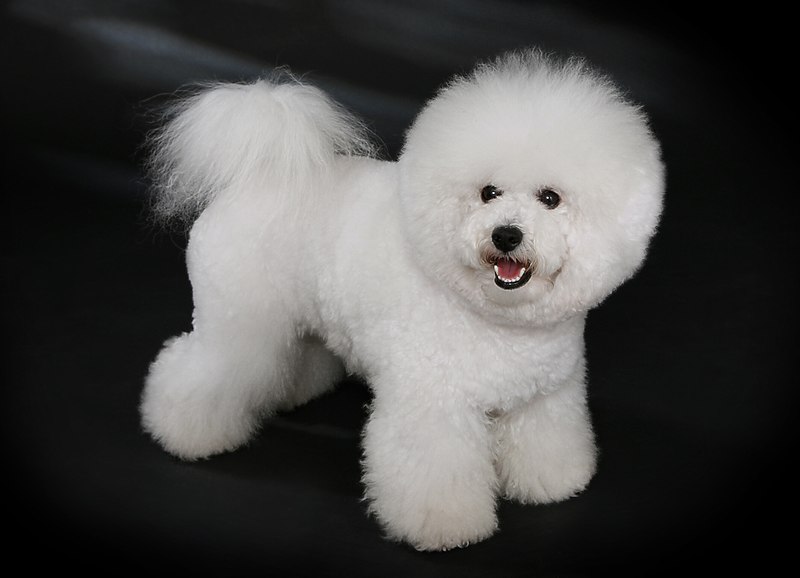
Quick Facts
| Attribute | Details |
|---|---|
| Breed Group | Non-Sporting |
| Size | Small (12-18 lbs) |
| Height | 9.5-11.5 inches |
| Lifespan | 14-15 years |
| Temperament | Playful, Curious, Cheerful |
| Good with Kids | Excellent |
| Good with Other Dogs | Excellent |
| Shedding | Very Low (hypoallergenic) |
| Exercise Needs | Moderate (30-45 minutes daily) |
| Trainability | Good (eager to please) |
Recommended for Bichon Frises
The Farmer's Dog - Fresh food for small breeds | Embark DNA - Genetic health screening | Spot Insurance - Coverage for allergies and dental issues
Bichon Frise Overview
The Bichon Frise (pronounced BEE-shon FREE-zay) is a cheerful, small dog with a white, fluffy coat that resembles a cotton ball. The breed originated in the Mediterranean and was favored by Spanish and French nobility. During the Renaissance, they became popular circus performers due to their trainability and charming personalities.
Today, Bichons are beloved family companions known for their happy dispositions and hypoallergenic coats. Their name means "curly lap dog" in French, reflecting both their appearance and their love of companionship. They're known for their "Bichon Blitz" - sudden bursts of energy where they run in circles.
The Bichon Frise is a breed that commands attention not just for its physical appearance but for the depth of personality and capability it brings to a household. With a lifespan averaging 14-15 years, the decision to welcome a Bichon Frise into your family is one that will shape your daily routine, activity levels, and emotional life for well over a decade. This breed's playful, curious, cheerful temperament is the product of generations of selective breeding for specific traits—understanding this heritage provides valuable insight into why your Bichon Frise behaves the way it does and what it needs from you as an owner to truly thrive.
What sets successful Bichon Frise owners apart is a willingness to learn about the breed on its own terms. Rather than expecting their Bichon Frise to conform to a generic ideal, they study the animal's inherent characteristics and adjust their approach accordingly. That kind of informed, respectful ownership creates a much better outcome for both the owner and the Bichon Frise.
Owning a Bichon Frise introduces a layer of structure to your day that can feel demanding at first but often becomes a welcome rhythm. Regular feeding, maintenance, and observation are not optional — they are the foundation of responsible care. Most experienced Bichon Frise owners will tell you that the routine is not the hard part; the hard part is the first few weeks of building it. After that, it feels natural.
Temperament & Personality
Bichon Frises are known for their delightful personalities: Understanding how this applies specifically to Bichon Frise helps you avoid common pitfalls.
- Cheerful & Playful: Almost always happy and ready to play. They maintain a puppy-like enthusiasm well into old age.
- Affectionate: Love being with their people and thrive on attention and companionship.
- Friendly with Everyone: Generally love all people and other animals, making poor guard dogs.
- Sensitive: Emotionally attuned to their owners and responsive to moods.
- Entertaining: Natural performers who enjoy making their families laugh.
- Can Develop Separation Anxiety: Their attachment can lead to distress when left alone.
The playful, curious, cheerful nature of the Bichon Frise is not a simple personality label—it is a complex behavioral profile shaped by breed history, individual genetics, early socialization experiences, and ongoing environmental factors. What this means in practice is that two Bichon Frise from different lines, raised in different environments, can display meaningfully different behavioral tendencies while still sharing core breed characteristics. Understanding this distinction helps owners set realistic expectations and develop training strategies tailored to their individual dog rather than relying solely on breed generalizations.
Material diet transitions benefit from a pre-change vet conversation, particularly when medications or diagnostic monitoring is already in place.
Common Health Issues
Bichon Frises are generally healthy but have some breed predispositions.
Skin & Allergies
- Allergies: Environmental and food allergies are common, causing skin irritation and itching.
- Skin Problems: Can be prone to various skin conditions requiring veterinary care.
Eye Conditions
- Cataracts: Hereditary cataracts can develop, sometimes at a young age.
- Tear Staining: Their white coat makes tear staining highly visible.
Joint Issues
- Patellar Luxation: Kneecap displacement, common in small breeds.
- Hip Dysplasia: Can occur even in small breeds like Bichons.
Other Conditions
- Dental Disease: Small mouths make them prone to dental problems.
- Bladder Stones: Higher incidence than many breeds.
- Liver Shunts: Abnormal blood vessel development affecting the liver.
- Cushing's Disease: Hormonal disorder affecting some Bichons.
Allergy Management
Many Bichons develop allergies that require ongoing management. Identify triggers early with veterinary help. Consider elimination diets for food allergies. Use Embark DNA testing to screen for genetic conditions.
Cost of Ownership
Understanding the full cost helps prepare for Bichon Frise ownership.
| Expense Category | Annual Cost Estimate |
|---|---|
| Food (premium quality) | $250-$450 |
| Veterinary Care (routine) | $300-$500 |
| Pet Insurance | $300-$500 |
| Professional Grooming | $600-$1,200 |
| Dental Care | $200-$500 |
| Supplies & Toys | $150-$300 |
| Total Annual Cost | $1,800-$3,450 |
Save on Bichon Care
Chewy Autoship - Save up to 35% on food & supplies | Lemonade Pet - Affordable insurance from $15/month | K9 Training Institute - Training programs
Most new Bichon Frise owners are surprised by first-year costs. The initial setup — vet visits, vaccinations, supplies, and often training classes — can easily double the annual maintenance figure. The good news is that subsequent years are more predictable. Just keep in mind that senior Bichon Frises may need additional care as they enter the last few years of their 14-15 years lifespan.
Exercise & Activity Requirements
Bichons have moderate exercise needs: Care plans built around Bichon Frise-level detail tend to make fewer mistakes than care plans built around averages.
- Daily Exercise: 30-45 minutes of activity including walks and play
- Bichon Blitz: Be prepared for sudden bursts of excited running in circles!
- Indoor Play: Happy to play indoors, making them great apartment dogs
- Mental Stimulation: Enjoy learning tricks and playing interactive games
- Social Activities: Love dog parks and meeting other dogs and people
Training Tips for Bichon Frises
Bichons are intelligent and eager to please: Your veterinarian and experienced Bichon Frise owners can offer perspective tailored to your situation.
- Positive Reinforcement: Respond excellently to treats and praise
- House Training Challenges: Can be slow to house train - be patient and consistent
- Trick Training: Natural performers who love learning and showing off tricks
- Socialization: Generally social but benefit from early exposure to various situations
- Address Separation Anxiety: Practice alone time gradually from puppyhood
- Keep It Fun: They learn best when training feels like play
Nutrition & Feeding
Proper nutrition supports Bichon health.
- Small Breed Formula: Appropriately sized kibble for their small mouths
- Allergy Considerations: May need limited ingredient or hypoallergenic food
- Portion Control: Their small size makes it easy to overfeed
- Dental Health: Consider dental-friendly foods and treats
- Avoid Tear Staining Foods: Some additives may worsen tear staining
Top Food Choices for Bichon Frises
The Farmer's Dog - Fresh food for sensitive dogs | Ollie - Custom portions for small breeds | Royal Canin - Bichon-specific formula available
Grooming Requirements
Bichons have high grooming needs to maintain their signature appearance: The closer your routine tracks the Bichon Frise's specific traits, the easier everything downstream becomes.
- Daily Brushing: Required to prevent matting in their curly double coat
- Professional Grooming: Every 4-6 weeks for clipping and styling
- Bathing: Every 2-4 weeks to keep coat white and clean
- Tear Stain Care: Daily wiping under eyes to prevent staining
- Dental Care: Daily brushing essential due to dental predisposition
- Ear Cleaning: Regular cleaning to prevent infections
Is a Bichon Frise Right for You?
People often underestimate how much this piece of a Bichon Frise's routine influences later health outcomes.
Bichons Are Great For:
- Allergy sufferers (hypoallergenic coat)
- Families with children of all ages
- Apartment dwellers
- First-time dog owners
- Seniors seeking a cheerful companion
- Multi-pet households
Bichons May Not Be Ideal For:
- Those unwilling to commit to extensive grooming
- People who are away from home for long hours
- Those on tight budgets (grooming costs add up)
- Owners who prefer low-maintenance dogs
Whether a Bichon Frise fits your life comes down to a few practical questions. How much time can you realistically spend on exercise, grooming, and training each day? Is your living space suitable? Can you afford both routine care and the occasional surprise vet bill over the next 14-15 years? If the honest answers line up, a Bichon Frise can be a genuinely good match. If they don't, there is no shame in choosing a different dog — or waiting until your circumstances change.
People who live with a Bichon Frise tend to develop a deep appreciation for the breed's personality — the playful, curious, cheerful nature becomes part of the household's rhythm. That bond does not happen overnight, but it builds steadily when care is consistent and expectations are grounded.
Related Breeds to Consider
If you're interested in Bichon Frises, you might also consider.
- Maltese - Similar size and temperament, different coat texture
- Havanese - Similar personality, various coat colors
- Shih Tzu - Similar grooming needs, different appearance
- Toy Poodle - Similar coat type, equally intelligent
Ask Our AI About Bichon Frises
Care plans built around Bichon Frise-level detail tend to make fewer mistakes than care plans built around averages.
Related Health & Care Guides
Get Personalized AI Guidance
Ask Our AI NowDecision Guides for Bichon Frise
Use these only when comparing food, insurance, ownership budget, or beginner fit for this specific pet.