Complete Reptile Care Guide
Practical reptile-care support for snakes, geckos, pythons, turtles, and tortoises. Use the assistant for habitat setup, heat/UVB planning, nutrition, and exotic-vet prep.
Last reviewed and updated: March 2026. Reptile husbandry and health content verified against current ARAV (Association of Reptilian and Amphibian Veterinarians) care guidelines and peer-reviewed herpetological research.
Why Reptile Keepers Trust Us
Reptiles have unique care requirements that demand precise environmental conditions. Our AI-powered reptile care assistant provides species-specific guidance on temperature gradients, UVB lighting, humidity levels, and nutrition that can mean the difference between a thriving reptile and serious health problems.
From setting up the perfect bearded dragon basking spot to understanding why your ball python isn't eating, our platform helps you provide optimal care for your cold-blooded companion.
We partner with trusted reptile brands like ZooMed and ExoTerra, and help you find exotic veterinarians who specialize in reptile medicine.
Reptile Care Guides
Comprehensive resources for reptile keepers at all experience levels.
Complete Reptile Care Starter Guide
Starter essentials for new reptile keepers including habitat basics, equipment needs, and species selection.
Reptile Health & Symptom Guide
Recognizing illness signs in reptiles, common diseases, and when to see an exotic vet.
Reptile Habitat & Lighting Guide
Setting up proper heat gradients, UVB lighting, humidity, and creating species-appropriate habitats.
Reptile Nutrition Guide
Feeding guides for carnivores, herbivores, and omnivores including supplementation and gut loading.
Reptile Species Guide
Comparing beginner-friendly reptile species and their care requirements to find your perfect match.
Snake Care Comprehensive Guide
Care guide for popular pet snakes including ball pythons, corn snakes, and more.
Toxic Foods Master List
Quick reference of foods and substances dangerous to reptiles and other pets.
When to See the Vet Decision Guide
Know when your reptile's symptoms need urgent exotic vet care vs. home monitoring.
Emergency Symptom Checker
Quickly assess if your reptile's symptoms require emergency veterinary care.
Trusted Reptile Care Partners
Reptile Not Eating: Causes and Solutions
Feeding issues are the most common concern for reptile keepers. Understanding why reptiles refuse food is the first step to solving the problem.
Why Is My Bearded Dragon Not Eating?
Bearded dragons can refuse food for many reasons, ranging from normal to serious:
- Temperature issues (#1 cause): Basking spot must be 100-110°F. Without proper heat, they cannot digest food and will stop eating. Check temperatures with a digital thermometer, not stick-on gauges.
- Brumation: A natural winter slowdown where dragons eat little/nothing for weeks to months. Usually occurs in fall/winter. Normal if temps and lighting haven't changed and dragon is over 1 year old.
- Relocation stress: New dragons often refuse food for 1-2 weeks. Minimize handling, provide hides, and maintain consistent conditions.
- Impaction: Caused by loose substrate (sand, walnut shell) or eating items too large. Signs: no bowel movement, straining, black beard, lethargy.
- Parasites: Very common in bearded dragons. Annual fecal tests recommended.
- UVB issues: Inadequate UVB causes MBD and appetite loss. Replace bulbs every 6-12 months.
When to see a vet: Weight loss exceeding 10%, lethargy, black beard persisting, mouth gaping with mucus, or not eating combined with other symptoms.
Why Won't My Ball Python Eat for Months?
Ball pythons are notorious for extended fasts that can terrify new keepers but are often normal:
- Breeding season fast: Many ball pythons (especially males) fast from October through February. Completely normal behavior.
- New acquisition stress: New snakes may fast for weeks or months while adjusting. Leave them alone besides water changes for 2+ weeks before offering food.
- Husbandry issues: Check hot spot (88-92°F), humidity (50-60%), and ensure adequate hiding spots on both warm and cool sides.
- Prey preference: Some ball pythons are picky - try different prey colors (white vs. brown rats), live vs. frozen-thawed, or different sizes.
- Enclosure too large: Ball pythons feel insecure in large open spaces. Add clutter, hides, and cover.
When to worry: A healthy adult ball python can fast 3-6 months safely. Seek vet care if: weight loss exceeds 10%, respiratory symptoms appear, mouth rot visible, or severe dehydration (wrinkled skin, sunken eyes).
People Also Ask: Reptile Care Questions
People often underestimate how much this piece of a pet's routine influences later health outcomes. Take the time to learn what your individual pet needs — the investment pays off throughout their life.
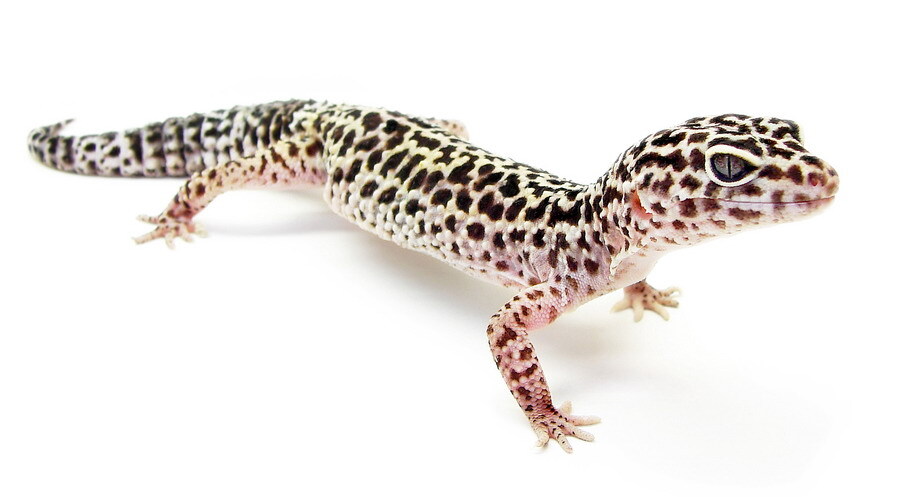
What Temperature Should My Leopard Gecko Tank Be?
Leopard geckos require a proper temperature gradient for digestion and thermoregulation:
- Warm side (floor temp): 88-92°F - measured with digital thermometer on floor
- Cool side: 75-80°F
- Nighttime: Can drop to 65-70°F but no lower
- Heat source: Under-tank heater (UTH) connected to a thermostat - NOT heat lamps
Why thermostats are essential: Without a thermostat, UTHs can exceed safe temperatures and burn your gecko. A quality thermostat (jump-start or Inkbird) maintains safe, consistent temperatures and prevents injuries.
Avoid: Heat rocks (burn risk), heat lamps as primary heat (dry out leopard geckos), and stick-on thermometers (inaccurate).
Do Bearded Dragons Need UVB Light?
YES - UVB is absolutely essential and non-negotiable.
Without UVB light, bearded dragons cannot synthesize vitamin D3, which means they cannot absorb calcium from their diet. This leads to metabolic bone disease (MBD), a painful, debilitating, and often fatal condition.
Proper UVB setup:
- Use tube-style UVB (T5 or T8), not compact/coil bulbs
- Reptisun 10.0 or Arcadia 12% Desert are recommended brands
- Position to cover 2/3 of the enclosure length
- Place 10-12 inches from basking spot (T5) or 6-8 inches (T8)
- NO glass or plastic between UVB and dragon (blocks UV rays)
- Replace every 6-12 months even if bulb still lights up (UV output degrades)
Signs of MBD: Soft/rubbery jaw, twitching limbs, difficulty walking, limb deformities, lethargy. MBD is preventable but often not fully reversible once advanced.
How Do I Know If My Snake Has a Respiratory Infection?
Respiratory infections (RIs) are common in snakes and require veterinary treatment. Signs include:
- Open-mouth breathing - Snakes should breathe with mouths closed
- Bubbles - Visible from nostrils or in mouth
- Mucus or discharge - From nose or mouth
- Wheezing or clicking sounds - Audible breathing is abnormal
- Head held elevated - Trying to drain mucus
- Lethargy and appetite loss
Causes: Usually husbandry-related - temperatures too low, humidity too high or too low, or stress. While awaiting vet care, raise temperatures to 85-90°F throughout enclosure and ensure clean, dry substrate.
Critical: RIs require antibiotic treatment from an exotic vet. They do not resolve on their own and can be fatal if untreated.
Why Is My Reptile's Mouth Gaping Open?
Context determines whether gaping is normal or concerning:
Normal gaping:
- Bearded dragons gape while basking to thermoregulate (cool down) - normal behavior
- Brief gaping after eating
Concerning gaping:
- Persistent gaping not associated with basking = possible RI
- Gaping with visible mucus or bubbles = respiratory infection
- Any open-mouth breathing in snakes = emergency (snakes never normally breathe with mouths open)
- Gaping with black beard (bearded dragons) = severe stress or illness
My Reptile Hasn't Pooped in Weeks - Is This Normal?
Bowel movement frequency varies greatly by species, diet, and conditions:
- Ball pythons: Every 1-3 weeks (or longer during fasting) - normal
- Corn snakes: 1-2 weeks after feeding
- Bearded dragons: Daily to every 2-3 days when eating normally
- Leopard geckos: Every 1-3 days
Signs of impaction (constipation requiring intervention):
- Straining without producing feces
- Visible lump in abdomen
- Loss of appetite combined with constipation
- Lethargy
Home remedies: Warm water soaks (85-90°F for 15-20 minutes), ensure proper basking temperatures, and belly massages (gently). If no improvement in a few days, or if reptile shows distress, see an exotic vet.
Is My Reptile Dead or Just in Brumation?
This is a genuinely difficult distinction for new keepers during winter months:
Signs of brumation (hibernation-like state):
- Still responds to stimuli (slowly)
- Body is relaxed, not stiff
- May still drink water occasionally
- Eyes appear normal
- Gradual onset as temperatures/daylight decreased
Signs of death:
- No response to any stimulus (touch, light, movement)
- Body stiff (rigor mortis sets in within hours)
- Sunken eyes
- No breathing movement observed over extended period
- Foul smell (develops over time)
When unsure: Gently warm the reptile to normal temperatures over several hours and offer water. Place your finger near the eye - a living reptile's eye will eventually respond. If still uncertain, an exotic vet can confirm.
Common Reptile Care Topics
Our AI assistant can help with these frequently asked reptile care questions:
- My bearded dragon isn't eating — what should I do?
- What temperature does my ball python need?
- How do I set up proper UVB lighting?
- My reptile is shedding poorly — how can I help?
- What's the best substrate for my leopard gecko?
- How often should I feed my snake?
- Is my reptile's behavior normal during brumation?
- How do I find an exotic vet for reptiles?
Reptile Emergency Warning Signs
Seek immediate exotic veterinary care if your reptile shows:
- Open-mouth breathing, wheezing, or respiratory distress
- Prolapse (tissue protruding from the vent)
- Severe burns from heating elements
- Trauma or suspected broken bones
- Complete refusal to move or severe lethargy
- Seizures or tremors
- Mouth rot (white, cheesy discharge in mouth)
Note: Reptiles often hide illness. Changes in behavior, appetite, or appearance warrant prompt veterinary evaluation.
You Might Also Like
Getting this right is about observation and adjustment. Track what works, note what doesn't, and refine your approach as you learn more about your pet's responses.
Reptile Species A-Z
Popular pet reptiles with complete care information
Cost Calculator
Estimate annual reptile ownership costs
Bird Care Guide
Practical help for bird owners
Fish & Aquarium Guide
Aquarium care and fish health
Dog Care Guide
Practical help for dog owners
Cat Care Guide
Practical help for cat owners
Pet Adoption Guide
Finding and adopting the right pet
New Pet Checklist
New-pet setup checklist
Disclaimer
The information provided is educational and does not replace professional exotic veterinary care. Reptiles have highly specialized needs that require expert knowledge. Always consult with a qualified exotic veterinarian for diagnosis and treatment.
Health & Disease Guides
Having this context in place makes the nutrition, exercise, and enrichment decisions that follow substantially more targeted
Product Buying Guides
Understanding how the breed was selected over generations guides nutrition and exercise decisions that a one-size-fits-all plan would miss.
Best Reptile Terrariums
Top terrariums for bearded dragons, leopard geckos, ball pythons, and other reptiles. Covers sizes, ...
Best Reptile Heating Equipment
Guide to reptile heating solutions including heat lamps, ceramic heaters, under-tank heaters, and ra...
Species Care Guides
Owners who watch the animal in front of them closely — not an average of the breed — consistently report better outcomes.
Bearded Dragon Complete Care Guide
Everything about bearded dragon care including enclosure setup, UVB lighting, diet, brumation, commo...
Leopard Gecko Complete Care Guide
Comprehensive leopard gecko care guide covering enclosure, heating, diet, shedding, common health is...
Ball Python Complete Care Guide
Complete ball python care including enclosure setup, humidity, feeding schedules, handling, common h...
Corn Snake Care Guide
Beginner-friendly corn snake care guide covering enclosure, temperature, feeding, handling, shedding...
Crested Gecko Care Guide
Complete crested gecko care including diet, housing, humidity, handling, health issues, and why they...
Blue Tongue Skink Care Guide
Comprehensive blue tongue skink care covering species, enclosure setup, diet, handling, health issue...
Pet Tortoise Care Guide
Complete tortoise care guide covering popular species (Russian, Sulcata, Hermann), enclosure, diet, ...
Chameleon Care Guide
Guide to keeping pet chameleons including Veiled and Panther species. Covers enclosure, misting, UVB...
Pet Turtle Care Guide
Complete pet turtle care guide covering Red-Eared Sliders, Painted Turtles, and Box Turtles. Include...
Cost & Pricing Guides
The broader the pet advice, the less it applies to a real your pet; narrow and specific wins.
How Much Does a Vet Visit Cost
Average vet visit costs for dogs and cats, what affects pricing, and how to save on veterinary bills...
Pet Cremation and End-of-Life Costs
Practical guide to pet cremation costs, burial options, euthanasia fees, and memorial services. Cover...
Pet Insurance Cost by Breed
How much pet insurance costs for every major dog and cat breed. Factors affecting premiums, cheapest...
Pet Dental Cleaning Cost
Average costs for professional dog and cat dental cleanings, tooth extractions, and dental X-rays. I...
Pet Boarding and Sitting Costs
Average pet boarding, pet sitting, and doggy daycare costs by location and service type. Includes ti...
Emergency Vet Visit Costs
How much emergency vet visits cost for dogs and cats. Covers after-hours fees, common emergencies, a...
Pet Microchipping Cost and Guide
How much pet microchipping costs, how it works, where to get it done, and why every pet should be mi...
Flea and Tick Prevention Costs
Monthly and annual costs of flea and tick prevention for dogs and cats. Compares topical, oral, and ...
Safety & Toxicity Guides
The owners who do best with your pet treat the animal as an individual first and a breed member second.
Human Medications Toxic to Pets
Common human medications dangerous to dogs and cats including ibuprofen, acetaminophen, antidepressa...
Household Chemicals Toxic to Pets
Cleaning products, pesticides, antifreeze, and other household chemicals dangerous to pets. Covers s...
Antifreeze Poisoning in Pets
Why antifreeze is one of the deadliest pet poisons. Covers ethylene glycol toxicity, symptoms, emerg...
Marijuana and THC Toxicity in Pets
Effects of marijuana, THC edibles, and CBD products on dogs and cats. Covers symptoms, emergency tre...
Safe and Dangerous Foods for Reptiles
Feeding safety guide for bearded dragons, leopard geckos, and other pet reptiles. Covers toxic insec...
Emergency Guides
A few months of real ownership will clarify which items here matter most for your specific household and which are largely ornamental.
Emergency Vet Visit Costs
Broad guidance works at the structural level; the particulars need to be calibrated to your situation.
Pet Bleeding Emergency First Aid
How to stop bleeding in dogs and cats from cuts, nail injuries, and trauma. Covers pressure techniqu...
Pet Broken Bone Emergency Guide
How to handle a suspected broken bone in your dog or cat. Covers immobilization, pain management, tr...
Pet Drowning and Water Safety
Emergency response for pet drowning, CPR for dogs and cats, pool safety, and water hazards every pet...
Pet Burn Emergency Treatment
How to treat burns in pets from hot surfaces, chemicals, and electrical sources. Covers first aid, s...
Pet Eye Injury Emergency Guide
How to handle eye injuries in dogs and cats including scratches, foreign objects, chemical exposure,...
Invertebrate & Arachnid Care Guides
The details on this page vary by household, so use the structure as orientation rather than prescription.
Tarantula Care Guide
Pet tarantula care including enclosure setup, feeding, molting, and beginner species recommendations.
Scorpion Care Guide
Pet scorpion husbandry including enclosure, heating, feeding, and safe species for beginners.
Praying Mantis Care Guide
Praying mantis husbandry including enclosure setup, feeding, molting, and species recommendations.
Stick Insect Care Guide
Stick insect husbandry including enclosure, diet, humidity, and beginner-friendly species.
Millipede Care Guide
Giant millipede care including substrate, diet, humidity requirements, and handling tips.
Isopod Care Guide
Keeping isopods as pets including species selection, substrate, humidity, and colony maintenance.
Hermit Crab Care Guide
Complete hermit crab care including habitat setup, humidity, diet, shell selection, and molting.
Pet Snail Care Guide
Keeping pet snails including habitat setup, diet, calcium supplementation, and species options.