Rottweiler
Quick Facts
| Attribute | Details |
|---|---|
| Breed Group | Working |
| Size | Large (80-135 lbs) |
| Height | 22-27 inches |
| Lifespan | 9-10 years |
| Temperament | Loyal, Confident, Courageous |
| Good with Kids | Good (with proper training) |
| Good with Other Dogs | Moderate (same-sex issues common) |
| Shedding | Moderate |
| Exercise Needs | High |
| Trainability | Excellent (needs experienced handler) |
Recommended for Rottweilers
The Farmer's Dog - Fresh food for large working breeds | Embark DNA - Screen for heart conditions & cancer markers | Spot Insurance - Coverage for hip dysplasia & ACL tears
Rottweiler Overview
The Rottweiler is a powerful, intelligent working dog with roots tracing back to ancient Rome. These robust dogs descended from Roman drover dogs that accompanied legions across the Alps, herding and guarding cattle that fed the army. When the Romans settled in what is now Rottweil, Germany, these dogs continued their work as cattle drovers and guardians for butchers, earning the name "Rottweiler Metzgerhund" (Rottweil Butcher's Dog).
Modern Rottweilers retain their ancestors' working abilities and versatility. They excel as police dogs, search and rescue dogs, service dogs, and therapy dogs. Their combination of intelligence, strength, and trainability makes them among the most capable working breeds. Despite their imposing appearance and reputation, well-bred, properly trained Rottweilers are calm, confident dogs that are devoted to their families.
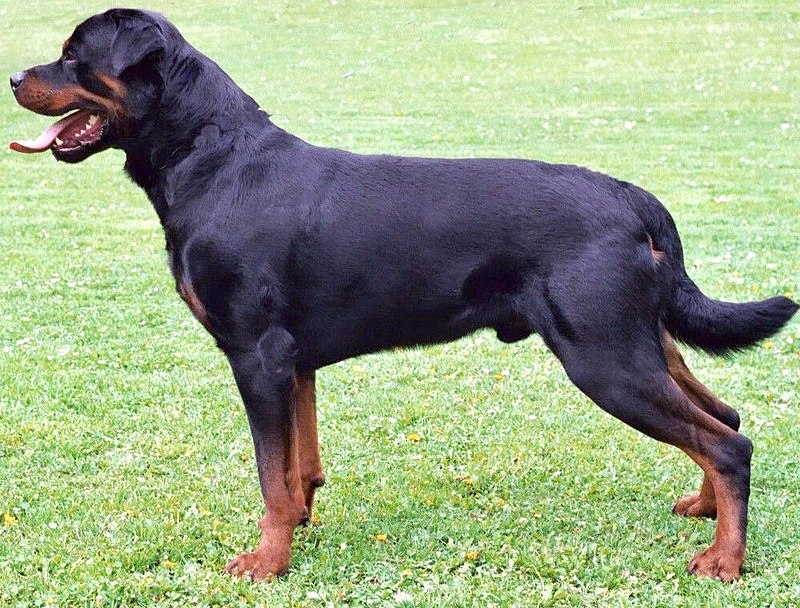
Rottweilers are substantial dogs with distinctive black coats and rich tan markings above the eyes, on the cheeks, chest, legs, and beneath the tail. They have broad heads, strong jaws, and a confident, alert expression. Their muscular build reflects their working heritage, and they move with surprising agility for their size.
Rottweilers are not for casual dog owners. At 80-135 pounds of muscle with strong guarding instincts, they demand someone who will invest in training, socialization, and daily exercise from day one. But for the right person, a Rottweiler is an extraordinarily rewarding companion. They're the dog that leans its full weight against your leg, follows you from room to room, and watches over the kids with a quiet intensity that's equal parts endearing and impressive. Their 9-10 year lifespan is shorter than many breeds, which makes the quality of those years all the more important.
Rottweiler ownership carries responsibilities that go beyond the breed itself. Many homeowner's insurance policies exclude or surcharge Rottweiler households. Some municipalities have breed-specific legislation restricting ownership. The best Rottweiler owners are proactive about this: they carry liability coverage, keep their dog's training certifications current, and are ambassadors for the breed through responsible ownership. These dogs were bred to drive cattle across the Alps and guard butcher's carts; that working drive needs a constructive outlet, whether it's obedience competition, carting, tracking, or structured daily training sessions.
Daily life with a Rottweiler means at least an hour of vigorous exercise, ongoing training reinforcement, and managing a dog that takes its guarding role seriously. Visitors to your home will be assessed; delivery drivers will be watched. This isn't aggression; it's the breed doing exactly what centuries of selective breeding designed it to do. Well-socialized Rottweilers learn to stand down when their owner signals that a guest is welcome, but they never fully turn off their awareness. Families with older children do well with Rottweilers, though the breed's sheer size and strength require supervision around toddlers simply to prevent accidental knockdowns.
Temperament & Personality
Rottweilers possess a complex personality requiring understanding and proper guidance: Understanding how this applies specifically to Rottweiler helps you avoid common pitfalls.
- Loyal & Devoted: Rottweilers form incredibly strong bonds with their families. They're often described as "velcro dogs" who want to be with their people constantly.
- Confident & Calm: A well-bred Rottweiler displays quiet confidence without nervousness or unnecessary aggression. They assess situations before reacting.
- Protective: Natural guardians who take protecting their family seriously. This instinct requires proper channeling through training and socialization.
- Intelligent: Ranked among the top 10 most intelligent breeds. They're quick learners who need mental stimulation.
- Reserved with Strangers: Rottweilers are naturally aloof with unfamiliar people, watching and evaluating rather than immediately greeting. This is normal breed temperament.
- Playful with Family: Despite their serious demeanor with strangers, Rottweilers are often clownish and playful with family members they trust.
- Strong-Willed: They have independent minds and require consistent leadership. Without it, they may make their own decisions.
- Sensitive: Beneath their tough exterior, Rottweilers are emotionally sensitive and responsive to their owner's moods.
A well-bred Rottweiler displays what breed enthusiasts call "quiet confidence": alert without being reactive, watchful without being fearful, protective without being aggressive. This temperament doesn't happen by accident. It comes from good genetics combined with extensive early socialization and consistent, fair leadership throughout the dog's life. Poorly bred or under-socialized Rottweilers can become nervous, which in a dog this powerful is genuinely dangerous. The difference between a confident Rottweiler and a fearful one is night and day, which is why buying from a reputable breeder who temperament-tests their breeding stock matters so much with this breed.
Rottweiler socialization isn't optional; it's mandatory. A Rottweiler puppy needs to meet dozens of different people, encounter other dogs of varying sizes, and experience diverse environments before it's 16 weeks old. But the work doesn't stop there. Adolescent Rottweilers (roughly 6-18 months) often go through a "testing" phase where they push boundaries and become more suspicious of strangers. This is normal developmental behavior, not a sign of a bad dog. Continued positive exposure and training through this phase produces a stable, trustworthy adult. Rottweilers that are chained in yards or isolated from people during this critical period are the ones that end up in the news for the wrong reasons.
Rottweilers need a job. Their working heritage means they're most content when they have a purpose, whether that's formal obedience work, pulling a cart, tracking scents, or even carrying a backpack on hikes. Physical exercise alone isn't enough for this breed; they need tasks that engage their problem-solving abilities. A Rottweiler that gets a daily long walk but no mental challenge will find its own work, which usually means guarding behaviors that escalate beyond what's appropriate. Structured activities like Schutzhund (now called IPO), carting trials, or rally obedience give Rottweilers exactly the kind of focused challenge they crave.
Common Health Issues
Rottweilers are prone to several health conditions that prospective owners should understand: Your veterinarian and experienced Rottweiler owners can offer perspective tailored to your situation.
hip and joint issues
- Hip Dysplasia: A significant concern in the breed, affecting approximately 20% of Rottweilers. Can cause pain and arthritis. OFA screening essential.
- Elbow Dysplasia: Also common in the breed. Abnormal elbow joint development causing lameness.
- Cruciate Ligament Rupture: Rottweilers' size and activity level predispose them to ACL tears. Surgery usually required.
- Osteochondritis Dissecans (OCD): Cartilage abnormality affecting shoulder, elbow, or other joints in growing dogs.
Cancer
- Osteosarcoma (Bone Cancer): Rottweilers have one of the highest incidences of bone cancer among all breeds. Often affects the limbs.
- Lymphoma: Cancer of the lymphatic system, relatively common in the breed.
- Histiocytic Sarcoma: An aggressive cancer more common in Rottweilers than many other breeds.
Heart Conditions
- Aortic Stenosis: A congenital heart defect where the aortic valve is narrowed. Can range from mild to life-threatening.
- Dilated Cardiomyopathy: Enlarged heart with weakened pumping ability.
eye conditions, skin allergies, and age-related joint deterioration
- Bloat (GDV): Life-threatening stomach twisting common in deep-chested breeds. Know the signs and have emergency plan.
- Hypothyroidism: Underactive thyroid causing weight gain and lethargy.
- Addison's Disease: Adrenal gland insufficiency.
- Panosteitis: "Growing pains" in young Rottweilers causing shifting leg lameness.
Health Screening Recommendation
Before getting a Rottweiler, request OFA hip/elbow evaluations, cardiac examination, and eye certifications from breeders. Consider Embark DNA testing to screen for genetic conditions. Ask about cancer history in bloodlines. Pet insurance is highly recommended for this breed.
Cancer is the leading cause of death in Rottweilers, and bone cancer (osteosarcoma) is disproportionately common in this breed. Any persistent lameness in a Rottweiler, especially in a front leg, warrants immediate veterinary attention and radiographs. Early detection matters because osteosarcoma is aggressive and spreads fast. Beyond cancer, hip and elbow dysplasia affect roughly one in five Rottweilers. Joint screening should begin early; OFA preliminary hip evaluations can be done at four months, and final certification at two years. Aortic stenosis is the cardiac condition most specific to Rottweilers and can be detected with a cardiac ultrasound, ideally performed before age two.
DNA testing for Rottweilers can screen for juvenile laryngeal paralysis and polyneuropathy (JLPP), a fatal neurological condition with an identified genetic marker. Responsible breeders test for JLPP before breeding, but if your Rottweiler comes from an unknown background, this test is worth running. Other useful genetic screens include degenerative myelopathy and von Willebrand's disease Type I. Because Rottweilers face elevated cancer risk, some owners also opt for the newer liquid biopsy cancer screening tests that detect tumor DNA fragments in blood, though these are still being validated for widespread use.
Rottweilers hit middle age around 5 years and are considered seniors by 7. The transition is often marked by the onset of joint stiffness, particularly in the hips and elbows, and this is the stage when cruciate ligament tears become a real risk. Keeping your Rottweiler lean is the single most effective thing you can do for joint longevity; every extra pound multiplies the stress on already-vulnerable joints. After age 5, semi-annual vet visits with comprehensive bloodwork, cardiac auscultation, and a manual cancer check (palpating lymph nodes and checking for new lumps) are strongly recommended. Rottweilers that stay fit and lean often remain active and engaged through age 9-10, while overweight dogs frequently decline much earlier.
Cost of Ownership
Rottweilers require significant financial commitment due to their size and health needs.
| Expense Category | Annual Cost Estimate |
|---|---|
| Food (premium quality) | $800-$1,500 |
| Veterinary Care (routine) | $400-$800 |
| Pet Insurance | $600-$1,200 |
| Grooming | $100-$300 |
| Training (first year) | $500-$2,000 |
| Supplies & Toys | $300-$500 |
| Total Annual Cost | $2,700-$6,300 |
Additional Cost Considerations:
- Initial Purchase: Well-bred Rottweilers cost $1,500-$4,000+ from reputable breeders
- ACL Surgery: If needed, $3,000-$6,000 per leg
- Cancer Treatment: Can cost $5,000-$15,000+ depending on type
- Liability Insurance: Some homeowner's policies require additional coverage
- Professional Training: Highly recommended; ongoing training costs add up
Save on Rottweiler Care
Chewy Autoship - Save on large breed food & supplies | Lemonade Pet - Comprehensive insurance for working breeds | K9 Training Institute - Professional Rottweiler training
A veterinarian who knows your Rottweiler will treat recommendations like these as a starting budget and adjust each line as needed.
Year one hits the wallet hardest. Between the initial purchase or adoption fee, puppy vaccinations, spay/neuter surgery, starter supplies, and often some form of professional training, expect to spend noticeably more than in subsequent years. Once those one-time costs are behind you, annual spending drops — though it tends to creep back up as your Rottweiler ages and needs more frequent veterinary attention in the later years.
Exercise & Activity Requirements
Rottweilers are working dogs requiring substantial physical and mental exercise.
- Daily Exercise: Minimum 1-2 hours of activity including walks, play, and training. They have good endurance despite their size.
- Mental Stimulation: Essential for this intelligent breed. Training sessions, puzzle toys, and jobs to do prevent boredom.
- Structured Activities: Rottweilers excel at obedience, tracking, carting, herding, and protection sports.
- Swimming: Many Rottweilers enjoy swimming, which provides excellent low-impact exercise.
- Controlled Growth: Puppies need exercise but should avoid jumping, stairs, and strenuous activity until joints mature (18+ months).
- Heat Sensitivity: Their black coat absorbs heat. Exercise in cooler parts of the day during summer.
Training Tips for Rottweilers
Rottweilers require knowledgeable, consistent training from an early age: Your veterinarian and experienced Rottweiler owners can offer perspective tailored to your situation.
- Start Early: Begin training and socialization immediately. Early experiences shape adult temperament significantly.
- Extensive Socialization: Critical for Rottweilers. Expose puppies to many people, places, animals, and situations. Continue throughout life.
- Positive but Firm: Use reward-based methods while maintaining clear, consistent boundaries. Rottweilers respect fair leadership.
- Never Use Harsh Methods: Confrontational training can damage trust and create behavioral problems. Firmness doesn't mean force.
- Establish Leadership: Through controlling resources, consistent rules, and training, not intimidation.
- Ongoing Training: Continue training throughout life. Rottweilers enjoy learning and need mental engagement.
- Professional Help: Consider professional training, especially for first-time Rottweiler owners.
- Manage Protective Instincts: Teach appropriate responses to visitors and new situations.
Nutrition & Feeding
Proper nutrition supports Rottweiler health and longevity.
- Large Breed Formula: Choose food designed for large breeds with appropriate calcium/phosphorus ratios, especially for puppies.
- Controlled Puppy Growth: Rapid growth increases orthopedic problems. Large breed puppy food supports steady, healthy growth.
- High-Quality Protein: Support muscle mass with quality animal proteins.
- Joint Support: Foods containing glucosamine and omega-3 fatty acids support joint health.
- Bloat Prevention: Feed 2-3 smaller meals rather than one large meal. Avoid exercise immediately before and after eating.
- Weight Management: Keep Rottweilers lean to reduce joint stress and cancer risk. You should feel ribs without excess fat.
Top Food Choices for Rottweilers
The Farmer's Dog - Fresh, human-grade meals for large breeds | Ollie - Custom portions for working dogs | Hill's Science Diet - Large breed formulas with joint support
Diet has a compounding effect on Rottweiler health. Small improvements in food quality — better protein sources, fewer artificial additives, appropriate calorie density — add up over years. You will not see dramatic changes overnight, but over the course of your Rottweiler's life, consistent good nutrition makes a measurable difference in energy, mobility, and overall well-being.
Marketing claims on pet food packaging can be misleading. What actually matters for your Rottweiler is whether the food delivers balanced protein, fat, and micronutrients suited to their specific needs. Instead of chasing trendy ingredients, let your Rottweiler's physical condition — their coat, energy, weight, and digestive health — guide your choices.
Grooming Requirements
Rottweilers have relatively low-maintenance coats.
- Brushing: Weekly brushing with a rubber curry brush or bristle brush removes loose hair.
- Shedding: Moderate year-round shedding with heavier seasonal shedding. More frequent brushing helps during these times.
- Bathing: Every 6-8 weeks or as needed. Their short coat doesn't trap much dirt.
- Nail Trimming: Every 2-3 weeks. Overgrown nails affect gait and can worsen joint issues.
- Ear Cleaning: Weekly checks and cleaning to prevent infections.
- Dental Care: Regular brushing several times weekly.
- Drool Management: Some Rottweilers drool, especially after drinking or when anticipating food.
Is a Rottweiler Right for You?
Not every aspect of Rottweiler ownership is the visible stuff — training or diet — but some of the less-discussed ones compound most meaningfully over years.
Rottweilers Are Great For:
- Experienced dog owners who understand working breed needs
- Active individuals or families committed to daily exercise
- Those seeking a loyal, protective family companion
- People interested in dog sports, training, or working activities
- Homes with secure fencing and adequate space
- Owners committed to extensive training and socialization
- Those wanting a confident, calm guardian
Rottweilers May Not Be Ideal For:
- First-time dog owners without commitment to learning
- Those who cannot provide firm, consistent leadership
- People unwilling to invest in training and socialization
- Homes with dog-aggressive pets (same-sex aggression common)
- Those in areas with breed-specific legislation or insurance restrictions
- People who work long hours and leave dogs alone frequently
- Anyone seeking a dog that's friendly with everyone
A Rottweiler is not for everyone, and that is perfectly fine. What matters is making the choice based on realistic expectations rather than idealized breed descriptions. Spend time around actual Rottweiler dogs before committing. Visit rescues, attend meet-ups, or ask a friend who owns one if you can dog-sit for a weekend. That firsthand experience is worth more than a hundred online guides.
Related Breeds to Consider
If you're interested in Rottweilers, you might also consider.
- German Shepherd - Similar working ability, slightly less imposing
- Doberman Pinscher - Similar guardian traits, more athletic build
- Boxer - Related breed, generally more outgoing
- Cane Corso - Similar guarding instincts, different heritage
Ask Our AI About Rottweilers
Cancer Surveillance Protocol
The Rottweiler's elevated cancer risk necessitates a proactive surveillance approach. Breed-specific cancer incidence data from veterinary oncology registries suggests Rottweilers face higher-than-average risk compared to mixed-breed dogs of similar size. Regular veterinary examinations should include thorough lymph node palpation, abdominal palpation, and discussion of any new lumps or behavioral changes. The Veterinary Cancer Society recommends that owners of high-risk breeds learn to perform monthly at-home checks for abnormal swellings, unexplained weight loss, or persistent lameness.
Hip and Joint Health in the Rottweiler
The Orthopedic Foundation for Animals (OFA) reports a hip dysplasia prevalence of approximately 20.3% in evaluated Rottweilers (large breed, typical weight 80-135 lbs). Clinical signs typically emerge between 6-12 months of age, though radiographic changes may be visible earlier via PennHIP evaluation.
Rottweilers rank among the highest-risk breeds for hip dysplasia. Their substantial body weight magnifies the impact of even mild joint laxity. OFA recommends preliminary radiographic screening as early as 4 months for at-risk litters.
Exercise Guidelines: Moderate exercise on soft surfaces during growth. Weight management is critical — every extra pound of body weight increases joint stress disproportionately in heavy breeds.
Prevention & Management: Maintaining lean body condition is the single most impactful modifiable factor for joint health. Joint supplements containing glucosamine HCl, chondroitin sulfate, and omega-3 fatty acids (EPA/DHA) have demonstrated clinical benefit when started before symptomatic onset. For large breeds, large/giant breed-formulated puppy diets with controlled calcium-phosphorus ratios support proper skeletal development.
Cardiac Health Monitoring
For day-to-day decisions, Rottweiler-specific advice is more useful than generic pet-care content by a wide margin.
Related Health & Care Guides
Get Personalized AI Guidance
Ask Our AI NowDecision Guides for Rottweiler
Use these only when comparing food, insurance, ownership budget, or beginner fit for this specific pet.