Havanese
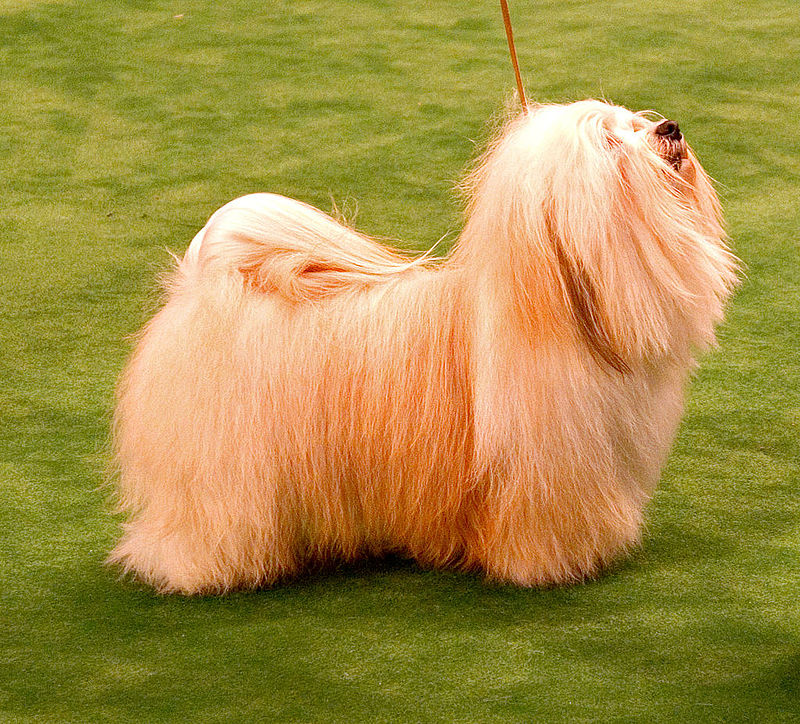
Quick Facts
| Attribute | Details |
|---|---|
| Breed Group | Toy |
| Size | Small (7-13 lbs) |
| Height | 8.5-11.5 inches |
| Lifespan | 14-16 years |
| Temperament | Intelligent, Outgoing, Funny |
| Good with Kids | Excellent |
| Good with Other Dogs | Excellent |
| Shedding | Low (hypoallergenic) |
| Exercise Needs | Moderate (30-60 min daily) |
| Trainability | Excellent |
Recommended for Havanese
Ollie Fresh Food - Premium nutrition for small breeds | Embark DNA - Health screening for genetic conditions | Spot Insurance - Coverage for patellar luxation & more
Havanese Overview
The Havanese is the national dog of Cuba and the country's only native breed. Descended from the now-extinct Blanquito de la Habana (Little White Dog of Havana) and other Bichon-type dogs brought to Cuba by Spanish settlers, the breed became a beloved companion of Cuban aristocracy and wealthy families.
Following the Cuban Revolution in 1959, many Cubans fled to the United States, bringing their Havanese with them. From this small foundation of just 11 dogs, American breeders rebuilt the breed. Today, Havanese are one of the fastest-growing breeds in popularity, prized for their cheerful dispositions, trainability, and hypoallergenic coats.
The Havanese is a breed that commands attention not just for its physical appearance but for the depth of personality and capability it brings to a household. With a lifespan averaging 14-16 years, the decision to welcome a Havanese into your family is one that will shape your daily routine, activity levels, and emotional life for well over a decade. This breed's intelligent, outgoing, funny temperament is the product of generations of selective breeding for specific traits—understanding this heritage provides valuable insight into why your Havanese behaves the way it does and what it needs from you as an owner to truly thrive.
What sets successful Havanese owners apart is a willingness to learn about the breed on its own terms. Rather than expecting their Havanese to conform to a generic ideal, they study the animal's inherent characteristics and adjust their approach accordingly. That kind of informed, respectful ownership creates a much better outcome for both the owner and the Havanese.
Owning a Havanese introduces a layer of structure to your day that can feel demanding at first but often becomes a welcome rhythm. Regular feeding, maintenance, and observation are not optional — they are the foundation of responsible care. Most experienced Havanese owners will tell you that the routine is not the hard part; the hard part is the first few weeks of building it. After that, it feels natural.
Temperament & Personality
Havanese are known for their happy, outgoing personalities: Your veterinarian and experienced Havanese owners can offer perspective tailored to your situation.
- Cheerful & Playful: Havanese are naturally happy dogs with a spring in their step. They love to play and can be quite clownish.
- People-Oriented: Often called "velcro dogs," they want to be with their people at all times. They thrive on companionship.
- Intelligent & Trainable: Quick learners who excel at obedience and tricks. They were historically circus performers.
- Good with Everyone: Friendly with children, other pets, and strangers. They make poor guard dogs but excellent therapy dogs.
- Adaptable: They adjust well to various living situations and can thrive in apartments or houses.
The intelligent, outgoing, funny nature of the Havanese is not a simple personality label—it is a complex behavioral profile shaped by breed history, individual genetics, early socialization experiences, and ongoing environmental factors. What this means in practice is that two Havanese from different lines, raised in different environments, can display meaningfully different behavioral tendencies while still sharing core breed characteristics. Understanding this distinction helps owners set realistic expectations and develop training strategies tailored to their individual dog rather than relying solely on breed generalizations.
Adapt the framework below to the specific animal — weight targets, activity rhythm, and active treatments all inform the personalised values.
Common Health Issues
Havanese are generally healthy but predisposed to some conditions: Your veterinarian and experienced Havanese owners can offer perspective tailored to your situation.
skeletal and joint concerns
- Patellar Luxation: Common in small breeds; kneecaps slip out of place. Severity ranges from occasional limping to requiring surgery.
- Legg-Calve-Perthes Disease: Hip joint deterioration affecting young dogs, usually appearing around 6-12 months.
- Hip Dysplasia: Though less common than in large breeds, it does occur in Havanese.
Eye Conditions
- Cataracts: Both juvenile and adult forms can occur. Annual eye exams recommended.
- Progressive Retinal Atrophy (PRA): Genetic condition causing gradual vision loss. DNA testing available.
- Cherry Eye: Prolapsed third eyelid gland that may require surgical correction.
- Distichiasis: Extra eyelashes that can irritate the eye.
Other Concerns
- Deafness: Congenital deafness can occur; BAER testing available.
- Liver Shunts: Portosystemic shunts can cause toxins to bypass the liver.
- Heart Murmurs: Can develop with age; regular cardiac evaluations recommended.
- Chondrodysplasia: A dwarfism condition that can affect the breed.
Health Screening Recommendation
Before getting a Havanese, ask breeders for patellar evaluations, hip evaluations, eye certifications (CERF/OFA), and BAER hearing tests. Consider Embark DNA testing to screen for genetic health conditions.
The Havanese benefits most from owners who pay close attention to the small things. A slight change in drinking habits, a new reluctance to play, or a coat that looks duller than usual can all signal developing issues. Documenting these observations gives your veterinarian concrete data to work with during wellness exams, making it far easier to catch conditions while they are still manageable rather than advanced.
Advances in genetic screening now allow Havanese owners to identify inherited risk factors before symptoms appear. Knowing whether your Havanese carries markers for certain conditions helps you and your vet tailor screening schedules and lifestyle adjustments accordingly. While a genetic predisposition does not guarantee illness, it offers a practical starting point for focused preventive care.
Senior care for a Havanese really begins in midlife, when the body starts to shift in ways that are easy to dismiss as normal variation. A slightly stiffer gait, a slower response to play, or a new preference for warmer sleeping spots can all signal the beginning of age-related changes. Addressing them early — with dietary tweaks, joint support, and more frequent vet visits — pays dividends in sustained quality of life.
Cost of Ownership
Understanding the full cost helps prepare for Havanese ownership: Your veterinarian and experienced Havanese owners can offer perspective tailored to your situation.
| Expense Category | Annual Cost Estimate |
|---|---|
| Food (premium quality) | $300-$500 |
| Veterinary Care (routine) | $300-$500 |
| Pet Insurance | $300-$600 |
| Grooming (professional) | $500-$1,000 |
| Training (first year) | $150-$400 |
| Supplies & Toys | $100-$250 |
| Total Annual Cost | $1,650-$3,250 |
The numbers in the table above are averages — your actual spending will depend on where you live, your Havanese's individual health, and the choices you make about food quality, insurance, and grooming. Cities tend to be pricier for vet care. Rural areas may require longer drives to specialists. Build your budget with some room for the unexpected, because surprises are part of owning any pet.
Most new Havanese owners are surprised by first-year costs. The initial setup — vet visits, vaccinations, supplies, and often training classes — can easily double the annual maintenance figure. The good news is that subsequent years are more predictable. Just keep in mind that senior Havaneses may need additional care as they enter the last few years of their 14-16 years lifespan.
Exercise & Activity Requirements
Havanese have moderate exercise needs: Your veterinarian and experienced Havanese owners can offer perspective tailored to your situation.
- Daily Exercise: 30-60 minutes of activity including walks and play sessions
- Mental Stimulation: Puzzle toys, training, and interactive games
- Indoor Play: They enjoy games and can burn energy playing indoors
- Dog Sports: Excel at agility, rally, and obedience competitions
- Social Activities: Enjoy dog parks and playdates with other dogs
Training Tips for Havanese
Havanese are among the most trainable toy breeds: Your veterinarian and experienced Havanese owners can offer perspective tailored to your situation.
- Positive Reinforcement: Responds excellently to treats, praise, and play rewards
- Trick Training: They love learning tricks and showing off - take advantage of this!
- Early Socialization: Expose puppies to various people, places, and experiences
- Consistent Boundaries: Don't let their cuteness lead to spoiling - maintain consistent rules
- House Training: Can be challenging; crate training and consistent schedules help
- Address Separation Anxiety: Train for alone time early to prevent issues
Nutrition & Feeding
Proper nutrition supports your Havanese's health and coat: Understanding how this applies specifically to Havanese helps you avoid common pitfalls.
- Small Breed Formula: Designed for smaller mouths and faster metabolisms
- High-Quality Protein: Supports their active lifestyle and beautiful coat
- Omega Fatty Acids: Essential for their silky coat
- Portion Control: Monitor weight carefully; obesity worsens joint problems
- Regular Schedule: 2-3 meals daily for adults
Top Food Choices for Havanese
Ollie - Custom fresh food for small breeds | The Farmer's Dog - Fresh, pre-portioned meals | Hill's Science Diet - Small breed formulas
Diet has a compounding effect on Havanese health. Small improvements in food quality — better protein sources, fewer artificial additives, appropriate calorie density — add up over years. You will not see dramatic changes overnight, but over the course of your Havanese's life, consistent good nutrition makes a measurable difference in energy, mobility, and overall well-being.
Grooming Requirements
The Havanese coat requires regular maintenance: A little curiosity about how the Havanese is wired goes a long way toward preventing avoidable missteps.
- Brushing: Daily brushing recommended to prevent mats; at minimum every other day
- Professional Grooming: Every 4-6 weeks for bathing and trimming
- Coat Options: Can be kept in full coat or clipped short (puppy cut) for easier maintenance
- Cording: Some owners cord the coat into dreadlock-like cords
- Eye Care: Daily cleaning to prevent tear staining
- Ear Care: Weekly cleaning; hair in ear canals may need plucking
- Dental Care: Daily brushing recommended
Havanese Are Great For:
- Families with children of all ages
- Apartment dwellers and those with limited space
- First-time dog owners wanting a trainable breed
- Those with allergies (hypoallergenic coat)
- People who work from home or can bring dogs to work
Havanese May Not Be Ideal For:
- Those who work long hours away from home (prone to separation anxiety)
- People who want a low-maintenance coat
- Those looking for a guard dog or protective breed
- Very sedentary owners (they need moderate activity)
- People who travel frequently without their pets
Whether a Havanese fits your life comes down to a few practical questions. How much time can you realistically spend on exercise, grooming, and training each day? Is your living space suitable? Can you afford both routine care and the occasional surprise vet bill over the next 14-16 years? If the honest answers line up, a Havanese can be a genuinely good match. If they don't, there is no shame in choosing a different dog — or waiting until your circumstances change.
People who live with a Havanese tend to develop a deep appreciation for the breed's personality — the intelligent, outgoing, funny nature becomes part of the household's rhythm. That bond does not happen overnight, but it builds steadily when care is consistent and expectations are grounded.
Related Breeds to Consider
If you're interested in Havanese, you might also consider.
- Bichon Frise - Similar size and temperament, white coat
- Maltese - Smaller, similar coat and companion nature
- Shih Tzu - Similar size, more independent temperament
- Coton de Tulear - Similar size and coat type
Ask Our AI About Havanese
Related Health & Care Guides
Think of Havanese care as a long series of small, informed decisions rather than a handful of perfect ones; the series is what drives outcomes. Let the Havanese in front of you, not an idealized version, drive the pace of any new routine.
Get Personalized AI Guidance
Ask Our AI NowDecision Guides for Havanese
Use these only when comparing food, insurance, ownership budget, or beginner fit for this specific pet.