Doberman Pinscher
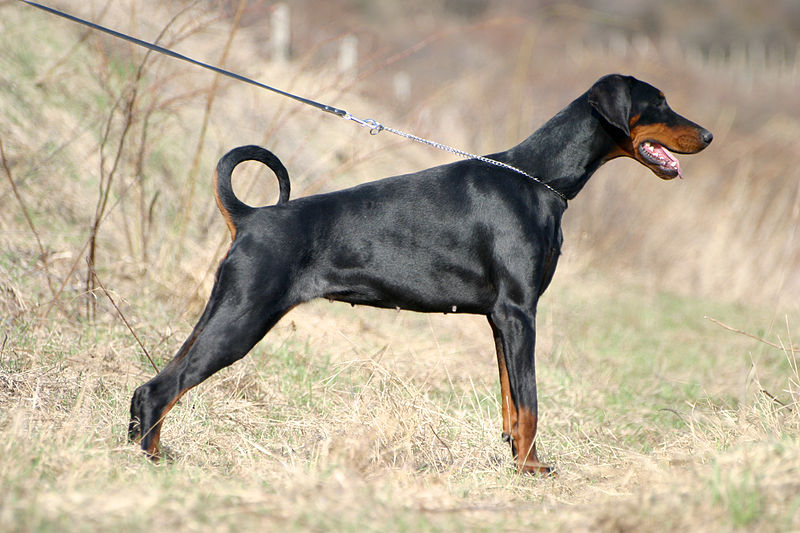
Quick Facts
| Attribute | Details |
|---|---|
| Breed Group | Working |
| Size | Large (60-100 lbs) |
| Height | 24-28 inches |
| Lifespan | 10-12 years |
| Temperament | Loyal, Alert, Intelligent |
| Good with Kids | Good (with proper socialization) |
| Good with Other Dogs | Variable (socialization crucial) |
| Shedding | Low-Moderate |
| Exercise Needs | High (2+ hours daily) |
| Trainability | Excellent |
Recommended for Doberman Pinschers
The Farmer's Dog - Fresh food for athletic breeds | Embark DNA - DCM screening essential for Dobermans | Spot Insurance - Coverage for heart conditions
Doberman Pinscher Overview
The Doberman Pinscher was developed in Germany in the late 1800s by Louis Dobermann, a tax collector who wanted a loyal protection dog to accompany him on his rounds. The breed was created by crossing several breeds including the Rottweiler, German Pinscher, and Weimaraner, resulting in an intelligent, fearless, and athletic dog.
Modern Dobermans are elegant, powerful dogs known for their sleek appearance and alert demeanor. While they maintain their protective instincts, responsible breeding has produced a breed that is more family-oriented while still excelling in protection work, military and police service, search and rescue, and competitive obedience.
The Doberman is often mischaracterized as aggressive, but people who actually live with them know the truth: these are velcro dogs in a muscular package. Your Doberman will follow you from room to room, lean against your legs, and insist on sleeping as close to you as physically possible. They were designed from the ground up by Louis Dobermann to be personal protection dogs, and that original purpose created a breed that is deeply attuned to its owner's emotions, fiercely loyal, and wired to be vigilant. They are also among the most intelligent breeds alive, ranking fifth in working intelligence, which means they learn fast but also get bored fast.
Dobermans are not a breed for passive owners. They need someone who provides clear structure, confident leadership, and a genuine outlet for their considerable physical and mental energy. An under-stimulated Doberman can develop anxiety-driven behaviors -- pacing, excessive licking, shadow chasing, or destructive chewing. But give them a job and consistent training, and they are among the most rewarding dogs to own. They excel in obedience, agility, tracking, and protection sports. Unlike many working breeds, Dobermans are also highly trainable -- they actually want to cooperate, which sets them apart from more independent breeds like Huskies or Akitas.
Dobermans form bonds so intense that separation anxiety is one of the breed's most common behavioral issues. They do not just prefer your company -- they need it. Left alone for extended periods, they can become destructive, anxious, or depressed. They do well with children when raised together and properly socialized, though their size and energy mean supervision around toddlers is wise. A Doberman with proper socialization is confident and discerning, able to tell the difference between a genuine threat and a friendly visitor. Without socialization, that protective instinct can become over-reactive, making the dog a liability rather than an asset.
Temperament & Personality
Dobermans are complex dogs requiring experienced ownership: Understanding how this applies specifically to Doberman Pinscher helps you avoid common pitfalls.
- Intelligent & Alert: Dobermans are among the most intelligent dog breeds, quick to learn and constantly aware of their surroundings.
- Loyal & Protective: They form deep bonds with their families and are naturally protective. Proper socialization ensures this protectiveness doesn't become problematic.
- Energetic & Athletic: These dogs have tremendous energy and athletic ability, excelling in various dog sports and activities.
- Sensitive: Despite their tough appearance, Dobermans are emotionally sensitive and thrive on close bonds with their owners.
- Velcro Dogs: They want to be near their people constantly and may suffer from separation anxiety if left alone frequently.
Despite their tough reputation, Dobermans are emotionally sensitive dogs. They pick up on household tension, respond poorly to yelling, and can become withdrawn or anxious in chaotic environments. The best Dobermans come from lines where breeders prioritize stable temperament alongside physical conformation. European working lines tend to produce dogs with higher drive and stronger protective instincts, while American show lines often produce calmer, more companion-oriented dogs. Either type needs an owner who understands that a Doberman reads your body language better than most people do and adjusts its behavior accordingly.
Socialization for Dobermans is not something you do once and check off a list -- it is a lifestyle commitment, especially during the first two years. An under-socialized Doberman can become fearful or overly territorial, and at 80-plus pounds with strong protective instincts, that is a serious problem. Expose your puppy to as many different types of people as possible: children, elderly people, people in hats, people with umbrellas, delivery drivers. Practice having visitors come to the house regularly. Take your Doberman to outdoor cafes, pet stores, and busy parks. The goal is a dog that is observant and alert but not reactive, one that looks to you for guidance when encountering something new rather than making its own threat assessments.
Dobermans need at least two hours of vigorous daily exercise, and simply walking will not cut it. These are athletic dogs built for running, and they need to stretch out and move at speed. Off-leash running in a secure area, long jogs alongside a bicycle, or structured dog sports like agility and IPO/Schutzhund work are ideal outlets. But the mental side matters just as much: Dobermans that are physically tired but mentally unstimulated will still pace, whine, and find trouble. Advanced obedience training, tracking exercises, and problem-solving games satisfy their need to think. Many Doberman owners find that a 20-minute training session calms their dog more effectively than a 45-minute run.
Common Health Issues
Dobermans face several serious health challenges that prospective owners must understand: Owners who engage with Doberman Pinscher-specific guidance, rather than generic pet advice, tend to spot problems sooner.
Heart Conditions
- Dilated Cardiomyopathy (DCM): The most serious health concern - affects up to 60% of Dobermans. Annual cardiac screening with echocardiogram and Holter monitor is essential starting at age 2.
- Sudden Cardiac Death: Can occur even in apparently healthy dogs with undiagnosed DCM.
Blood Disorders
- Von Willebrand's Disease (vWD): A bleeding disorder affecting 70% of Dobermans to some degree. DNA testing available and recommended before any surgery.
Other Conditions
- Wobbler Syndrome: Cervical vertebral instability causing neck pain and gait abnormalities.
- Hip Dysplasia: Less common than in some breeds but still occurs.
- Hypothyroidism: Underactive thyroid is relatively common in the breed.
- Bloat (GDV): Deep-chested breeds like Dobermans are at increased risk.
- Color Dilution Alopecia: Hair loss in blue and fawn colored dogs.
Cardiac Screening is Essential
All Dobermans should begin annual cardiac screening at age 2, including echocardiogram and 24-hour Holter monitor. Many dogs with DCM show no symptoms until sudden death. Use Embark DNA testing for vWD and other genetic conditions. Pet insurance that covers hereditary conditions is highly recommended.
Dilated cardiomyopathy (DCM) is the defining health concern of the Doberman breed, affecting an estimated 40-60% of the population. This is not a minor predisposition -- it is a breed-wide crisis. DCM causes the heart to enlarge and weaken, leading to congestive heart failure or sudden death, sometimes with zero prior symptoms. Every Doberman should begin annual cardiac screening at age 2, consisting of both an echocardiogram and a 24-hour Holter monitor. An echo alone is not sufficient because ARVC-type rhythm disturbances can be present even when the heart looks structurally normal. Von Willebrand's disease, a bleeding disorder, is the other condition every Doberman owner should test for, ideally before any surgical procedure including spay/neuter.
DNA testing is arguably more important for Dobermans than for any other breed. A vWD test is straightforward and identifies whether your dog is clear, a carrier, or affected -- critical information before any surgery. DCM genetic testing is more complex because multiple genes contribute to the disease, but ongoing research has identified several relevant markers. Embark and other panels can screen for these, giving you and your cardiologist additional data points for monitoring decisions. If you are buying from a breeder, ask for cardiac clearances on both parents and inquire about heart disease in the extended pedigree. Any breeder who dismisses DCM concerns or claims their line is "heart-clear" without documentation should be avoided.
Dobermans that make it past age 7 without cardiac issues have a better prognosis, but screening should never stop. Middle-aged Dobermans commonly develop hypothyroidism, which causes weight gain, coat thinning, and lethargy -- all easily managed with affordable daily medication once diagnosed through a simple blood panel. Wobbler syndrome (cervical vertebral instability) can appear at any age but often becomes symptomatic in middle-aged dogs, presenting as a wobbly gait starting in the hind legs. Senior Dobermans benefit from twice-yearly comprehensive exams, continued cardiac monitoring, and joint support as their athletic bodies begin to show wear. Blue and fawn Dobermans should be monitored for color dilution alopecia throughout life, a cosmetic but uncomfortable skin condition that requires ongoing management.
Cost of Ownership
Understanding the full cost helps prepare for Doberman ownership.
| Expense Category | Annual Cost Estimate |
|---|---|
| Food (premium quality) | $700-$1,200 |
| Veterinary Care (routine) | $400-$700 |
| Cardiac Screening | $400-$800 |
| Pet Insurance | $500-$1,000 |
| Training | $300-$1,000 |
| Supplies & Toys | $200-$400 |
| Total Annual Cost | $2,500-$5,100 |
Save on Doberman Care
Chewy Autoship - Save up to 35% on food & supplies | Lemonade Pet - Pet insurance from $15/month | Petplan - Comprehensive coverage including DCM
Adjust these ranges alongside your vet using concrete inputs: current body condition, exercise tolerance, known sensitivities, and current medication schedule.
Most new Doberman Pinscher owners are surprised by first-year costs. The initial setup — vet visits, vaccinations, supplies, and often training classes — can easily double the annual maintenance figure. The good news is that subsequent years are more predictable. Just keep in mind that senior Doberman Pinschers may need additional care as they enter the last few years of their 10-12 years lifespan.
Exercise & Activity Requirements
Dobermans are highly athletic and need substantial daily exercise: Your veterinarian and experienced Doberman Pinscher owners can offer perspective tailored to your situation.
- Daily Exercise: 2+ hours of vigorous activity including running, hiking, or intense play
- Mental Stimulation: Their intelligence requires puzzle toys, training, and problem-solving activities
- Dog Sports: Excel in agility, obedience, tracking, and protection sports (Schutzhund/IPO)
- Running Partner: Make excellent jogging companions once fully grown
- Avoid Boredom: Under-exercised Dobermans may develop destructive behaviors or anxiety
Training Tips for Doberman Pinschers
Dobermans are highly trainable but require knowledgeable handling.
- Start Early: Begin training and extensive socialization during puppyhood
- Firm but Fair: Be consistent and confident - Dobermans need clear leadership but respond poorly to harsh methods
- Socialization is Critical: Expose to many people, places, dogs, and situations to prevent over-protectiveness
- Channel Protective Instincts: Teach appropriate responses to strangers and situations
- Ongoing Training: These dogs thrive with continued mental challenges throughout their lives
Nutrition & Feeding
Proper nutrition supports Doberman health and athletic performance: Your veterinarian and experienced Doberman Pinscher owners can offer perspective tailored to your situation.
- High-Quality Protein: Look for meat-based formulas to support muscle development
- Heart-Healthy Nutrients: Foods with taurine and L-carnitine may support cardiac health
- Multiple Meals: Feed 2-3 meals daily rather than one large meal (bloat prevention)
- Avoid Overfeeding: Maintain lean body condition - obesity stresses the heart
- Wait After Eating: Avoid exercise for at least an hour after meals
Top Food Choices for Dobermans
The Farmer's Dog - Fresh, high-protein meals | Ollie - Custom fresh food for athletic dogs | Orijen - High-protein, grain-free formulas
Grooming Requirements
Dobermans have low-maintenance coats: Your veterinarian and experienced Doberman Pinscher owners can offer perspective tailored to your situation.
- Brushing: Weekly brushing with a rubber curry brush or bristle brush
- Bathing: Every 6-8 weeks or as needed - their short coat dries quickly
- Nail Trimming: Every 2-3 weeks - dark nails require careful trimming
- Dental Care: Daily brushing recommended
- Ear Care: Regular cleaning, especially if ears are not cropped
- Cold Weather: Their short coat provides minimal insulation - they need protection in cold climates
Is a Doberman Pinscher Right for You?
A solid grasp of this area lets you support your Doberman Pinscher with intention rather than improvisation. Plan on a period of trial and error, a Doberman Pinscher tends to signal clearly when something fits and when it does not.
Dobermans Are Great For:
- Experienced dog owners who understand working breeds
- Active individuals or families who can provide extensive exercise
- Those seeking a loyal, protective family companion
- People interested in dog sports and advanced training
- Homes willing to invest in proper socialization and training
Dobermans May Not Be Ideal For:
- First-time dog owners without professional training support
- Sedentary lifestyles or those unable to provide 2+ hours daily exercise
- Homes where the dog will be left alone for long periods
- Those unable to budget for cardiac monitoring and potential health costs
- Areas with breed-specific legislation restrictions
Whether a Doberman Pinscher fits your life comes down to a few practical questions. How much time can you realistically spend on exercise, grooming, and training each day? Is your living space suitable? Can you afford both routine care and the occasional surprise vet bill over the next 10-12 years? If the honest answers line up, a Doberman Pinscher can be a genuinely good match. If they don't, there is no shame in choosing a different dog — or waiting until your circumstances change.
Look past the schedule of grooming, vet care, and training and Doberman Pinscher ownership is really about a relationship with a dog that ends up knowing its people well. Most Doberman Pinscher owners will tell you that dynamic — more than the mechanics — is why the arrangement works.
Related Breeds to Consider
If you're interested in Doberman Pinschers, you might also consider.
- German Shepherd - Versatile working breed, different appearance
- Rottweiler - Similar protective instincts, heavier build
- Belgian Malinois - Similar energy level and drive
- Weimaraner - Athletic, similar coat, less protective
Ask Our AI About Doberman Pinschers
Hip and Joint Health in the Doberman Pinscher
The Orthopedic Foundation for Animals (OFA) reports a hip dysplasia prevalence of approximately 5.7% in evaluated Doberman Pinschers (large breed, typical weight 60-100 lbs). Clinical signs typically emerge between 12-24 months of age, though radiographic changes may be visible earlier via PennHIP evaluation.
Dobermans have moderate hip dysplasia risk but their lean build and athletic conformation generally distribute forces well. Concurrent screening for dilated cardiomyopathy (DCM) is a higher priority for the breed, though orthopedic health shouldn't be neglected.
Exercise Guidelines: Dobermans excel at structured exercise programs. Consistent moderate activity maintains supporting musculature better than sporadic intense exercise.
Prevention & Management: Maintaining lean body condition is the single most impactful modifiable factor for joint health. Joint supplements containing glucosamine HCl, chondroitin sulfate, and omega-3 fatty acids (EPA/DHA) have demonstrated clinical benefit when started before symptomatic onset. For large breeds, large/giant breed-formulated puppy diets with controlled calcium-phosphorus ratios support proper skeletal development.
Cardiac Health Monitoring
Cardiac conditions in the Doberman Pinscher warrant ongoing monitoring beyond standard annual examinations. Dilated cardiomyopathy (DCM) screening via echocardiography and Holter monitoring should begin by age 2-3 years, as the American College of Veterinary Internal Medicine (ACVIM) consensus statement recommends for at-risk breeds. ProBNP blood testing offers a non-invasive screening tool that can flag subclinical cardiac disease, though echocardiography remains the gold standard for definitive assessment.
Related Health & Care Guides
Get Personalized AI Guidance
Ask Our AI NowDecision Guides for Doberman Pinscher
Use these only when comparing food, insurance, ownership budget, or beginner fit for this specific pet.