Bulldog (English Bulldog):
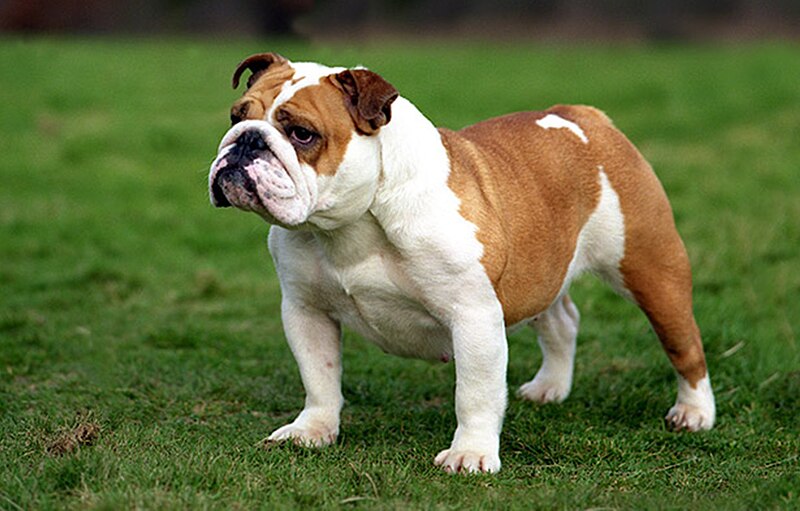
Quick Facts
| Attribute | Details |
|---|---|
| Breed Group | Non-Sporting |
| Size | Medium (40-50 lbs) |
| Height | 14-15 inches |
| Lifespan | 8-10 years |
| Temperament | Calm, Courageous, Friendly |
| Good with Kids | Excellent |
| Good with Other Dogs | Good |
| Shedding | Moderate |
| Exercise Needs | Low |
| Trainability | Moderate (can be stubborn) |
Recommended for Bulldogs
The Farmer's Dog - Fresh food for sensitive digestion | Embark DNA - Screen for genetic health conditions | Spot Insurance - Coverage for brachycephalic conditions
Bulldog Overview
The Bulldog, often called the English Bulldog to distinguish from other bulldog breeds, is an iconic breed recognized for its distinctive wrinkled face, pushed-in nose, and muscular, low-slung body. Despite their fierce historical origins in bull-baiting, modern Bulldogs are gentle, affectionate companions far removed from their aggressive past.
Originally bred in England for the cruel sport of bull-baiting, the Bulldog's tenacious grip and low center of gravity made them formidable opponents. When bull-baiting was banned in 1835, dedicated breeders transformed the Bulldog from a fighting dog into the docile, friendly companion we know today. This remarkable transformation demonstrates how selective breeding can fundamentally change a breed's temperament.
Today's Bulldog is a symbol of determination and courage, serving as mascots for numerous sports teams, universities, and even the United States Marine Corps. Their calm demeanor, loyalty, and distinctive appearance continue to make them beloved family pets, though their extreme physical features come with significant health challenges that prospective owners must understand.
Owning a Bulldog is a commitment to managing a breed whose physical structure creates daily health challenges. Their flat faces mean labored breathing is a constant, not an occasional problem. Their wrinkles require daily cleaning or infections develop within days. Their bodies overheat in conditions that barely register for other breeds. None of this makes Bulldogs bad pets; millions of owners adore them precisely because that smushed face and stocky waddle come packaged with one of the sweetest, most devoted temperaments in the dog world. But going in without understanding the medical reality leads to heartbreak and financial strain.
The best Bulldog owners are prepared for vet bills that dwarf most other breeds. They keep the house air-conditioned in summer, clean facial folds every single day, and know the signs of respiratory distress versus normal Bulldog snoring. They also understand that Bulldogs aren't lazy by choice; their brachycephalic anatomy limits what they can safely do. A good Bulldog owner adjusts expectations accordingly and finds ways to enrich their dog's life through short, cool-weather walks, indoor puzzle games, and lots of couch time together.
Living with a Bulldog means your schedule includes daily wrinkle-cleaning sessions, monitoring the weather forecast before every walk, and keeping a cooling vest on hand during warmer months. Bulldogs are homebodies by nature and genuinely content to spend most of the day near their favorite person on the couch. They're exceptional with children because they're patient, sturdy, and not easily startled. Their low exercise needs make them well-suited to apartment living, provided you have reliable air conditioning. The biggest lifestyle adjustment is accepting the soundtrack: snoring, snorting, and flatulence are standard Bulldog features, not bugs.
Temperament & Personality
Despite their tough appearance, Bulldogs are among the gentlest breeds: Understanding how this applies specifically to Bulldog helps you avoid common pitfalls.
- Calm & Dignified: Bulldogs are generally mellow dogs who enjoy lounging and aren't prone to excessive barking or hyperactivity. They carry themselves with a dignified, almost stoic demeanor.
- Affectionate & Loyal: Bulldogs form strong bonds with their families and love nothing more than being close to their people. They're known for their devotion and gentle nature.
- Good with Children: Their patient, tolerant nature makes them excellent family dogs. They're sturdy enough to handle the attention of children and rarely snap or show aggression.
- Courageous: Despite their laid-back attitude, Bulldogs retain a brave spirit. They'll stand their ground if they perceive a threat to their family.
- Stubborn: Bulldogs are notorious for their stubborn streak. They have their own ideas about what they want to do and when they want to do it.
- Friendly but Not Effusive: Bulldogs are generally friendly with strangers but in a calm, measured way rather than enthusiastic greeting.
- Low Energy: Perfect for less active owners, Bulldogs are content with short walks and plenty of nap time.
The Bulldog's calm temperament is one of the most reliable in the dog world. They rarely show aggression, almost never bite, and tend to greet strangers with a slow tail wag rather than excitement or suspicion. Their stubbornness is legendary but it's not defiance; it's more like a polite refusal to comply on someone else's timeline. A Bulldog will learn "sit" perfectly well but may take 30 seconds to decide whether this particular moment warrants the effort. This personality makes them poor candidates for competitive obedience but outstanding therapy dogs and family companions.
Bulldogs generally get along with everyone, including other dogs, cats, and children of all ages. Their socialization needs are less demanding than many breeds simply because they lack the prey drive, territorial aggression, and nervousness that create problems in other dogs. That said, Bulldog puppies still benefit from early exposure to different environments, particularly because their limited exercise tolerance means they need to be calm and confident in public settings like outdoor cafes, pet stores, and vet offices where they can't simply run off nervous energy.
Bulldogs have genuinely low energy, and that's fine; don't try to make them into something they're not. Two or three short walks per day in cool weather, some indoor play with a squeaky toy, and a few minutes of training for mental stimulation is plenty. The main behavioral concern with Bulldogs isn't excess energy; it's food guarding and resource possessiveness, which can develop if not addressed early with positive training. Puzzle feeders serve double duty: they slow down Bulldogs who inhale their meals (reducing gas and bloat risk) while providing the only mental workout many Bulldogs seem to need.
Common Health Issues
Bulldogs are one of the breeds most affected by health problems, largely due to their extreme physical features. Prospective owners must understand these challenges.
Brachycephalic Obstructive Airway Syndrome (BOAS)
The most significant health concern in Bulldogs.
- Stenotic Nares: Pinched, narrowed nostrils severely restricting airflow. Many Bulldogs require surgical correction.
- Elongated Soft Palate: Excess tissue that obstructs the airway, causing the characteristic snoring and breathing difficulties.
- Hypoplastic Trachea: An abnormally narrow windpipe present in many Bulldogs.
- Everted Laryngeal Saccules: Tissue pulled into the airway due to increased respiratory effort.
- Exercise & Heat Intolerance: Cannot effectively regulate body temperature through panting. Heat stroke is a constant danger.
Skin Problems
- Skin Fold Dermatitis: Their many wrinkles trap moisture and bacteria, leading to infections. Daily cleaning is essential.
- Allergies: Bulldogs are extremely prone to environmental and food allergies, causing chronic skin issues.
- Pyoderma: Bacterial skin infections common in the breed.
- Interdigital Cysts: Painful cysts between the toes, common in Bulldogs.
Orthopedic Issues
- Hip Dysplasia: The Bulldog has the highest rate of hip dysplasia of any breed, with studies showing over 70% affected.
- Elbow Dysplasia: Also common due to their structure.
- Patellar Luxation: Kneecaps that slip out of place.
- Cruciate Ligament Issues: Their body structure places stress on knee ligaments.
eye conditions, skin allergies, and age-related joint deterioration
- Cherry Eye: Prolapse of the third eyelid gland, very common in Bulldogs.
- Entropion: Eyelids rolling inward, causing irritation.
- Heart Disease: Various cardiac issues including pulmonic stenosis.
- Reproductive Problems: Most Bulldogs cannot breed naturally and require artificial insemination and C-sections.
- Dental Overcrowding: Their shortened jaw leads to crowded, misaligned teeth.
Health Screening Recommendation
Bulldog health challenges are severe. Seek breeders who prioritize health over extreme features, test for cardiac issues, and produce puppies with better breathing. Consider Embark DNA testing to screen for genetic conditions. Pet insurance is essential for this breed.
Breathing problems are the Bulldog's defining health challenge. Every prospective owner should have their Bulldog evaluated for BOAS severity within the first year. Many vets now recommend corrective airway surgery (nares widening and soft palate resection) as a quality-of-life procedure rather than waiting for a crisis. Dogs that have this surgery typically breathe easier, exercise more comfortably, and sleep without the apnea episodes that plague untreated Bulldogs. Beyond BOAS, skin fold infections are a near-daily management task. Keep unscented baby wipes and a drying powder on hand and make wrinkle cleaning part of your morning routine.
Genetic diversity is a genuine concern in Bulldogs. The breed has one of the smallest effective gene pools of any popular breed, which means inherited conditions are harder to breed away from. DNA testing can identify carriers of hyperuricosuria (which causes bladder stones), degenerative myelopathy, and cystinuria. If you're buying from a breeder, prioritize those who health-test and who breed for moderate features; Bulldogs with slightly longer muzzles and less extreme wrinkles tend to have significantly fewer health problems while retaining the breed's characteristic charm.
Bulldogs age faster than most breeds, with many showing senior-level health issues by age 5-6. Joint problems worsen as cartilage wears down under the strain of their front-heavy build. Breathing difficulties tend to intensify with age as airway tissue loses elasticity. Heart murmurs that were incidental findings in younger dogs may progress and require monitoring or medication. The silver lining is that Bulldogs don't need to slow down much because they were never fast to begin with; a senior Bulldog's lifestyle isn't drastically different from a younger one's. Focus on keeping weight down, maintaining skin care routines, and scheduling vet visits every six months after age five.
Cost of Ownership
Bulldogs are among the most expensive breeds to own due to their extensive health needs.
| Expense Category | Annual Cost Estimate |
|---|---|
| Food (premium quality) | $400-$800 |
| Veterinary Care (routine) | $600-$1,200 |
| Pet Insurance | $800-$1,800 |
| Grooming & Wrinkle Care | $200-$400 |
| Supplies & Cooling Equipment | $200-$400 |
| Total Annual Cost | $2,200-$4,600 |
Additional Cost Considerations:
- Initial Purchase: Well-bred Bulldogs cost $2,500-$5,000+ from reputable breeders
- BOAS Surgery: Airway correction surgery costs $2,500-$6,000
- Hip Surgery: If needed, $3,500-$7,000 per hip
- Cherry Eye Surgery: $300-$1,000 per eye
- Allergy Management: Ongoing costs of $100-$300+ monthly
- Air Conditioning: Essential in warm climates, increasing utility costs
Save on Bulldog Care
Chewy Autoship - Save on wrinkle wipes & sensitive skin foods | Lemonade Pet - Insurance for breed-specific conditions | K9 Training Institute - Positive training for stubborn breeds
These cost ranges reflect typical spending, but every Bulldog (English Bulldog) is different. Some sail through life with minimal health issues, while others need more veterinary attention. Geographic location also plays a role — veterinary fees, grooming costs, and even pet food prices vary widely between regions. Use these numbers as a planning baseline, not a guarantee.
Year one hits the wallet hardest. Between the initial purchase or adoption fee, puppy vaccinations, spay/neuter surgery, starter supplies, and often some form of professional training, expect to spend noticeably more than in subsequent years. Once those one-time costs are behind you, annual spending drops — though it tends to creep back up as your Bulldog (English Bulldog) ages and needs more frequent veterinary attention in the later years.
Preventive care is not glamorous, but it is the single best investment you can make in your Bulldog (English Bulldog)'s health. Routine wellness exams catch problems early, when treatment is simpler and cheaper. Keeping up with vaccinations, dental cleanings, and parasite prevention costs a fraction of what treating the resulting diseases would. Most veterinary professionals agree that consistent preventive care extends both the length and quality of a Bulldog (English Bulldog)'s life.
Exercise & Activity Requirements
Bulldogs require minimal exercise but must be carefully managed due to their breathing limitations: Your veterinarian and experienced Bulldog owners can offer perspective tailored to your situation.
- Short Walks: 2-3 short walks daily, 10-15 minutes each. Morning and evening when temperatures are cooler.
- Indoor Play: Brief play sessions in air-conditioned environments.
- Mental Stimulation: Puzzle toys and treat-dispensing games provide engagement without physical strain.
- Swimming Alternative: NEVER allow Bulldogs to swim unsupervised. Their body structure makes them unable to swim and they sink quickly.
Critical Exercise Warnings:
- Avoid exercise in temperatures above 70 degrees Fahrenheit
- Never exercise Bulldogs in humidity or direct sunlight
- Watch constantly for signs of overheating: excessive panting, bright red tongue, stumbling, vomiting
- Keep a cooling vest and fresh water available on all outings
- Be prepared for heat emergencies - know your emergency vet's location
- Use a harness rather than collar to avoid throat pressure
Training Tips for Bulldogs
Training a Bulldog requires patience due to their stubborn nature.
- Start Early: Begin training as a puppy when they're more moldable.
- Keep Sessions Short: 5-10 minute sessions prevent overheating and boredom.
- High-Value Treats: Bulldogs are food-motivated. Find what treats they love most.
- Patience is Key: Never force a Bulldog. If they refuse, take a break and try again later.
- Positive Reinforcement Only: Bulldogs don't respond to harsh corrections and may become more stubborn.
- Consistency: All family members must use the same commands and rules.
- House Training Patience: Bulldogs can be slow to housetrain. Maintain a strict schedule.
- Socialization: Despite their friendly nature, early socialization ensures confident adults.
Nutrition & Feeding
Proper nutrition is crucial for managing Bulldog health issues: Your veterinarian and experienced Bulldog owners can offer perspective tailored to your situation.
- Weight Management: Obesity worsens breathing problems and joint issues. Keep Bulldogs lean.
- Limited Ingredient Diets: May help with the allergies common in the breed.
- Slow Feeders: Essential to prevent gulping air, which causes flatulence and can contribute to bloat.
- Quality Protein: Support muscle mass without excess calories.
- Joint Support: Foods with glucosamine and omega-3s help with orthopedic issues.
- Multiple Small Meals: 2-3 smaller meals rather than one large meal aids digestion.
- Elevated Bowls: May help with eating posture and digestion.
Top Food Choices for Bulldogs
The Farmer's Dog - Fresh, easily digestible meals | Ollie - Custom portions for weight management | Hill's Science Diet - Sensitive skin & stomach formulas
When it comes to Bulldog (English Bulldog) nutrition, simplicity usually wins. A well-formulated food that meets your Bulldog (English Bulldog)'s specific needs is better than a rotation of trendy diets. Focus on protein quality, calorie appropriateness for your Bulldog (English Bulldog)'s size and activity level, and avoiding ingredients your Bulldog (English Bulldog) does not tolerate well. The rest is marketing.
Pet food labels can be confusing, but you only need to focus on a few things. First ingredient should be a specific animal protein. The AAFCO nutritional adequacy statement confirms whether the food meets minimum standards. Calorie content per cup helps you portion correctly for your Bulldog (English Bulldog)'s size. Everything else — the ingredient origin stories, the glossy photos — is packaging, not nutrition information.
Grooming Requirements
Bulldog grooming focuses heavily on skin fold maintenance: Generic guidance is a floor; it is the Bulldog-specific nuance that raises the ceiling on outcomes.
- Wrinkle Cleaning: Clean ALL skin folds daily, including face, nose rope, tail pocket, and body wrinkles. Use wrinkle wipes or damp cloth, then dry thoroughly.
- Tail Pocket: Many Bulldogs have a pocket under their tail that requires daily cleaning to prevent severe infections.
- Nose Care: Keep the nose moisturized to prevent cracking. Use nose balm regularly.
- Brushing: Weekly brushing removes loose hair and distributes skin oils.
- Bathing: Every 2-4 weeks with gentle, hypoallergenic shampoo.
- Ear Cleaning: Weekly to prevent infections.
- Nail Trimming: Every 2-3 weeks.
- Dental Care: Daily brushing is ideal due to dental crowding issues.
Bulldogs Are Great For:
- People seeking a calm, low-energy companion
- Apartment dwellers (minimal exercise needs and quiet nature)
- Families with children (patient and gentle)
- Those who spend a lot of time at home
- Owners willing and able to manage significant health needs
- People in cool climates with air conditioning
Bulldogs May Not Be Ideal For:
- Active people wanting an exercise companion
- Those living in hot or humid climates without AC
- Budget-conscious owners unprepared for high vet costs
- People who want a long-lived dog (8-10 year lifespan)
- Those who dislike snoring, drooling, and flatulence
- Owners who can't commit to daily skin fold cleaning
- People who travel frequently by air (Bulldogs face airline restrictions)
A Bulldog (English Bulldog) is not for everyone, and that is perfectly fine. What matters is making the choice based on realistic expectations rather than idealized breed descriptions. Spend time around actual Bulldog (English Bulldog) dogs before committing. Visit rescues, attend meet-ups, or ask a friend who owns one if you can dog-sit for a weekend. That firsthand experience is worth more than a hundred online guides.
Bulldog (English Bulldog) ownership is, at its core, a relationship. Everything else — grooming, veterinary care, training — is infrastructure. What you actually get in return is a dog that knows you, relaxes around you, and becomes woven into household life. Most Bulldog (English Bulldog) owners say that piece is what carries the rest.
Related Breeds to Consider
If you're interested in Bulldogs, you might also consider.
- French Bulldog - Smaller, similar health considerations, more active
- Olde English Bulldogge - Healthier breed bred to correct Bulldog issues
- Boston Terrier - Similar charm, generally better breathing
- Bullmastiff - Larger, fewer breathing issues
Ask Our AI About Bulldogs
Give the vet a heads-up before altering the diet in any substantive way — the notice lets them flag drug-nutrient interactions or testing windows proactively.
Brachycephalic Airway Considerations
As a brachycephalic (flat-faced) breed, the Bulldog requires special attention to respiratory health. The shortened skull structure that gives the breed its distinctive appearance also narrows the airways, making breathing more labored — particularly during exercise, in warm weather, or under anesthesia. The Brachycephalic Obstructive Airway Syndrome (BOAS) spectrum ranges from mild snoring to life-threatening respiratory distress. Veterinary assessment using the BOAS grading scale (Grade 0-III) helps determine whether surgical intervention such as nares widening or soft palate resection may improve quality of life. Owners should monitor for exercise intolerance, cyanosis (blue-tinged gums), and sleep apnea patterns.
Hip and Joint Health in the Bulldog
The Orthopedic Foundation for Animals (OFA) reports a hip dysplasia prevalence of approximately 72.6% in evaluated Bulldogs (medium breed, typical weight 40-50 lbs). Clinical signs typically emerge between often present at birth of age, though radiographic changes may be visible earlier via PennHIP evaluation.
Bulldogs have the highest hip dysplasia rate of any breed according to OFA data — over 70% of evaluated dogs show some degree of dysplasia. Their unique body conformation with wide chest and narrow hips creates inherent biomechanical challenges.
Exercise Guidelines: Gentle, short walks avoiding heat. Bulldogs' brachycephalic anatomy limits exercise tolerance independently of hip status. Focus on maintaining lean body weight rather than intensive exercise programs.
Prevention & Management: Maintaining lean body condition is the single most impactful modifiable factor for joint health. Joint supplements containing glucosamine HCl, chondroitin sulfate, and omega-3 fatty acids (EPA/DHA) have demonstrated clinical benefit when started before symptomatic onset. For medium breeds, large/giant breed-formulated puppy diets with controlled calcium-phosphorus ratios support proper skeletal development.
Related Health & Care Guides
Once this part of Bulldog care clicks, the downstream choices tend to come faster and land better. Generic recommendations are a reasonable starting point, but the Bulldog you live with ultimately sets the standard.
Get Personalized AI Guidance
Ask Our AI NowDecision Guides for Bulldog (English Bulldog)
Use these only when comparing food, insurance, ownership budget, or beginner fit for this specific pet.