Pembroke Welsh Corgi
Quick Facts
| Attribute | Details |
|---|---|
| Breed Group | Herding |
| Size | Small-Medium (25-30 lbs) |
| Height | 10-12 inches |
| Lifespan | 12-15 years |
| Temperament | Bold, Friendly, Intelligent |
| Good with Kids | Very Good |
| Good with Other Dogs | Good (may try to herd) |
| Shedding | Very High (double coat) |
| Exercise Needs | Moderate-High (1 hour daily) |
| Trainability | Very Good |
Recommended for Pembroke Welsh Corgis
The Farmer's Dog - Fresh food with joint support | Embark DNA - DM gene testing for Corgis | Spot Insurance - Coverage for back problems
Pembroke Welsh Corgi Overview
The Pembroke Welsh Corgi is one of the world's most popular herding breeds, made famous as the favorite dog of Queen Elizabeth II who owned more than 30 during her reign. Originating in Pembrokeshire, Wales, these low-set dogs were bred to herd cattle by nipping at their heels and ducking under kicks.
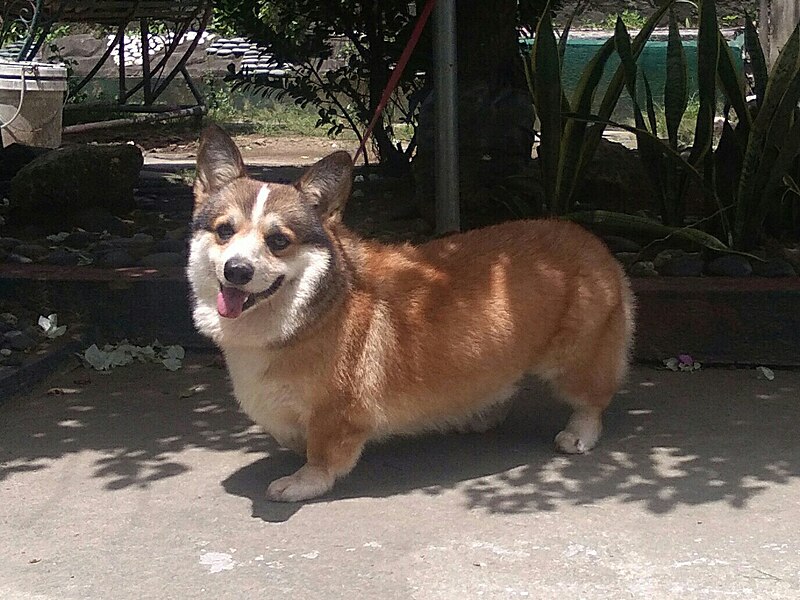
Despite their small stature, Corgis are sturdy, athletic dogs with big personalities. Their distinctive appearance features a fox-like face, large erect ears, and a naturally bobbed or docked tail (distinguishing them from the Cardigan Welsh Corgi, which has a long tail). Pembrokes are known for their intelligence, boldness, and surprisingly loud bark.
Corgis are absurdly easy to underestimate. Their stubby legs and fox-like grins give them a perpetual look of comic innocence, but underneath that compact frame is a real herding dog with serious drive, surprising athleticism, and an opinion about everything. A Pembroke Welsh Corgi was bred to move cattle many times its size by darting in, nipping heels, and ducking under kicks. That heritage shows up in modern Corgis as boldness, persistence, and a voice they are not shy about using. If you want a quiet, easygoing lap dog, a Corgi will disappoint you. If you want a spirited, engaging companion that keeps you on your toes, few breeds deliver as consistently.
The best Corgi owners appreciate the breed's intelligence without being exasperated by its independence. Corgis learn commands quickly but reserve the right to negotiate. They will sit when asked -- if they agree it is worth sitting for. Positive reinforcement with high-value treats gets results; heavy-handed corrections create a Corgi that either shuts down or doubles down on stubbornness. Short, varied training sessions keep them interested, and many Corgi owners find that their dogs excel in agility, rally obedience, or herding instinct tests, where the combination of brains and athleticism really shines.
Corgis are family dogs through and through. They bond with the whole household rather than fixating on a single person, and they are enthusiastic playmates for older children. Their herding instinct means toddlers may get nipped at the ankles or circled during excitable moments, so early redirection training is essential in families with small kids. Corgis typically get along well with other dogs and even cats, though they may try to boss smaller animals around. Their surprisingly deep, loud bark makes them effective watchdogs, but it also makes them candidates for nuisance-barking complaints if left in the yard unsupervised -- teaching a "quiet" command early saves a lot of neighbor relations.
Temperament & Personality
Corgis pack a lot of personality into their compact frames.
- Bold & Confident: Corgis don't know they're small. They approach life with the confidence of a much larger dog and aren't easily intimidated.
- Intelligent & Independent: Smart and sometimes stubborn, Corgis can be independent thinkers. They may test boundaries but are highly trainable with consistency.
- Alert & Vocal: Excellent watchdogs, Corgis will bark to alert you to anything unusual. They have a surprisingly loud, deep bark for their size.
- Playful & Affectionate: Despite their working dog heritage, Corgis are loving family companions who enjoy playtime and cuddles.
- Herding Instinct: May attempt to herd children, other pets, or guests by nipping at ankles - this behavior needs early training to redirect.
Individual Corgis range from laid-back couch companions to high-octane dynamos depending on their breeding line and early experiences. Show-line Corgis tend to be a bit calmer and stockier, while dogs from performance or working lines are leaner and more driven. Within any litter, you will find variation too -- the bold puppy that charges to the front of the pen is a different prospect than the one observing quietly from the back. Spend time with the litter and talk honestly with the breeder about your lifestyle to find the right match.
Corgis are naturally social and confident, but that confidence needs early scaffolding. A well-socialized Corgi puppy becomes an adult that takes new situations in stride. An under-socialized one becomes a dog that barks at everything unfamiliar and may nip at visitors out of nervous excitement. Puppy classes, neighborhood walks with exposure to different people, and positive encounters with other dogs are the minimum during the first four months. Continue socialization into adolescence, because Corgis sometimes develop increased territorial behavior around 8 to 12 months that ongoing positive exposure helps temper.
Exercise is important for Corgis -- they are working dogs, after all -- but the type of exercise matters more than you might think. Long-distance running on pavement is hard on their low-slung spines and joints, while moderate hikes on soft terrain, swimming, and structured play sessions in the yard suit their body type much better. Mental exercise is equally vital: food puzzles, nose-work games, short trick-training sessions, and anything that asks the Corgi to problem-solve will burn off restless energy far more effectively than another lap around the block. A Corgi that has had both its body and brain worked is a calm, contented housemate; one that has had neither is a barking, digging, ankle-nipping tornado.
Common Health Issues
Corgis are generally healthy but their unique body shape creates specific health concerns: Understanding how this applies specifically to Pembroke Welsh Corgi helps you avoid common pitfalls.
Back & Spine Issues
- Intervertebral Disc Disease (IVDD): Their long backs make them prone to disc problems. Affects 2-3% of Corgis. Prevent jumping from heights and maintain healthy weight.
- Degenerative Myelopathy (DM): Progressive neurological disease causing hind leg weakness. DNA test available - affects about 15% of Corgis.
Joint Issues
- Hip Dysplasia: Common despite their small size. OFA screening recommended for breeding dogs.
- Elbow Dysplasia: Can occur in this breed.
Eye Conditions
- Progressive Retinal Atrophy (PRA): Inherited eye disease causing vision loss. DNA testing available.
- Cataracts: Can develop hereditary cataracts.
Other Concerns
- Obesity: Corgis love food and easily gain weight, which is especially dangerous for their backs.
- Von Willebrand's Disease: A bleeding disorder. DNA test available.
- Exercise-Induced Collapse: Some Corgis carry this gene.
Weight Management is Critical
Overweight Corgis face significantly higher risks of back problems and shortened lifespans. Keep your Corgi lean - you should be able to feel their ribs easily. Use Embark DNA testing to check for DM and other genetic conditions.
The single most important health issue for Corgi owners to understand is the link between their dog's long spine and back problems. Intervertebral disc disease (IVDD) is a real risk in any dwarf-legged breed, and extra weight makes it significantly worse. Every pound of excess body fat puts additional stress on those spinal discs, so keeping your Corgi lean is not optional -- it is the most impactful thing you can do to protect its back. You should be able to feel your Corgi's ribs easily under a thin layer of fat, and when viewed from above, there should be a visible waist. If your vet says your Corgi needs to lose weight, take it seriously.
Degenerative myelopathy (DM) is the other condition that sets Corgis apart from most breeds. This progressive neurological disease gradually destroys the spinal cord, causing hind-leg weakness that eventually leads to paralysis. A DNA test can tell you whether your Corgi is clear, a carrier, or at risk. Dogs with two copies of the mutation are at the highest risk of developing clinical symptoms, usually starting around age 8 to 11. There is no cure, but knowing your dog's DM status allows you to watch for early signs -- dragging the hind feet, scuffing the toenails, or crossing the rear legs when standing -- and begin physical therapy and mobility support at the first indication of trouble.
Corgis are generally robust dogs that enjoy long, active lives when properly cared for. Most begin showing subtle age-related changes around 9 or 10: a bit less spring in their step, increased nap time, and perhaps some stiffness after vigorous play. This is a good time to add a joint supplement containing glucosamine and omega-3 fatty acids, switch to twice-yearly vet visits with senior bloodwork, and make sure your Corgi has comfortable, supportive bedding. Ramps for getting on and off furniture help protect the spine. With attentive care, many Corgis remain playful and mentally sharp well into their mid-teens.
Cost of Ownership
Understanding the full cost helps prepare for Corgi ownership.
| Expense Category | Annual Cost Estimate |
|---|---|
| Food (premium quality) | $400-$700 |
| Veterinary Care (routine) | $300-$600 |
| Pet Insurance | $400-$700 |
| Grooming | $150-$400 |
| Training | $150-$500 |
| Supplies & Toys | $150-$300 |
| Total Annual Cost | $1,550-$3,200 |
Save on Corgi Care
Because a feeding plan lives or dies on small personal details, loop in a veterinarian who has actually examined the Pembroke Welsh Corgi.
No matter how carefully you plan, owning a Pembroke Welsh Corgi will occasionally throw a curveball. A modest emergency fund — separate from your regular care budget — ensures that surprise expenses do not compromise the quality of care your Pembroke Welsh Corgi receives. Most owners find that building this habit early saves them significant stress later.
Budget more aggressively for the first year. Beyond the obvious — food, vet visits, supplies — there are costs that catch people off guard: replacing items your Pembroke Welsh Corgi destroys during teething, emergency visits for swallowed objects, and higher food costs during rapid growth phases. After that initial period, expenses settle into a more manageable rhythm.
Owners who maintain a regular preventive care schedule for their Pembroke Welsh Corgi consistently report lower overall vet costs than those who wait for problems to appear. This makes intuitive sense: a $300 dental cleaning now avoids a $2,000 extraction later. An annual blood panel that catches early kidney changes allows dietary management instead of emergency hospitalization. The math favors prevention every time.
Exercise & Activity Requirements
Corgis are more athletic than their short legs suggest: Your veterinarian and experienced Pembroke Welsh Corgi owners can offer perspective tailored to your situation.
- Daily Exercise: About 1 hour of activity daily, split between walks and play
- Mental Stimulation: Puzzle toys and training sessions engage their sharp minds
- Avoid High-Impact Activities: Limit jumping from heights to protect their backs - use ramps for furniture and cars
- Dog Sports: Excel at herding, agility (with low jumps), and rally obedience
- Swimming: Good exercise that's easy on joints, though their body shape makes them less natural swimmers
Training Tips for Pembroke Welsh Corgis
Corgis are intelligent and trainable but can have an independent streak: Your veterinarian and experienced Pembroke Welsh Corgi owners can offer perspective tailored to your situation.
- Start Early: Begin training and socialization as soon as possible to establish good habits
- Be Consistent: Corgis will test boundaries - consistent rules and expectations are essential
- Use Positive Reinforcement: Food-motivated Corgis respond well to treats, but watch portions!
- Address Nipping Early: Redirect herding instincts with appropriate toys and games
- Manage Barking: Train "quiet" commands early - Corgis are naturally vocal
Nutrition & Feeding
Careful feeding is crucial for Corgi health.
- Strict Portion Control: Corgis will overeat if allowed - measure food precisely
- Joint Support: Look for foods with glucosamine and omega-3s for joint health
- Avoid Free Feeding: Scheduled meals help control weight
- Limited Treats: Keep treats under 10% of daily calories - use small pieces
- Weight Monitoring: Weigh regularly and adjust food if needed
Top Food Choices for Corgis
The Farmer's Dog - Pre-portioned fresh meals | Ollie - Custom calorie-controlled fresh food | Hill's Science Diet - Weight management formulas
What you feed your Pembroke Welsh Corgi matters more than most owners realize. Diet affects energy, coat condition, digestive health, immune function, and even behavior. There is no single "best food" — the right choice depends on your Pembroke Welsh Corgi's age, activity level, any health conditions, and how they respond to specific ingredients. Expect some trial and adjustment, especially in the first year.
Do not overthink your Pembroke Welsh Corgi's diet to the point of paralysis. Focus on the basics: appropriate protein and fat levels for their life stage, consistent meal timing, and careful portion control. Monitor their condition over time and adjust if you notice changes in weight, coat quality, or energy. That practical, observation-based approach beats any marketing claim.
Grooming Requirements
Corgis have thick double coats that shed heavily: Your veterinarian and experienced Pembroke Welsh Corgi owners can offer perspective tailored to your situation.
- Brushing: 2-3 times weekly, daily during shedding season (spring and fall)
- Heavy Shedding: "Blowing coat" twice yearly produces massive amounts of fur
- Bathing: Every 4-6 weeks or as needed
- Deshedding Tools: Invest in an undercoat rake or deshedding tool
- Nail Trimming: Every 2-3 weeks
- Dental Care: Daily brushing recommended
Is a Pembroke Welsh Corgi Right for You?
Build literacy here and the rest of Pembroke Welsh Corgi ownership becomes measurably less stressful. Any care plan for a Pembroke Welsh Corgi improves when it reflects the quirks of the specific animal, not a generic profile.
Corgis Are Great For:
- Active families who enjoy daily walks and outdoor activities
- Those who want a big-dog personality in a smaller package
- People interested in dog sports and training activities
- Homes seeking an alert, effective watchdog
- Experienced and first-time owners willing to commit to training
Corgis May Not Be Ideal For:
- Those who want a quiet, low-energy dog
- Families with very young children (nipping instinct)
- People who can't commit to regular exercise
- Those bothered by heavy shedding
- Homes with many stairs without alternatives for the dog
If your research has confirmed that you can realistically meet a Pembroke Welsh Corgi's needs, the next move is finding a healthy, well-adjusted individual from a responsible breeder or a breed-specific rescue. This step deserves as much care as any other part of the process. A well-chosen Pembroke Welsh Corgi from a reliable source sets the stage for a much smoother experience from day one.
The bond you develop with a Pembroke Welsh Corgi grows through daily routines — feeding, interaction, quiet time spent in the same room. These small, repeated moments of care build trust and deepen the connection. Owners who treat this relationship as a gradual process rather than an instant bond tend to find the experience far more rewarding.
Related Breeds to Consider
If you're interested in Pembroke Welsh Corgis, you might also consider.
- Cardigan Welsh Corgi - Slightly larger, with a tail, calmer temperament
- Swedish Vallhund - Similar appearance, related herding breed
- Shetland Sheepdog - Similar size, herding background, longer coat
- Australian Cattle Dog - More intense herding drive, similar energy
Ask Our AI About Pembroke Welsh Corgis
Treat the generic guidance as a template; substantive gains come from replacing defaults with the specifics of your own animal.
Hip and Joint Health in the Pembroke Welsh Corgi
The Orthopedic Foundation for Animals (OFA) reports a hip dysplasia prevalence of approximately 7.0% in evaluated Pembroke Welsh Corgis (small-medium breed, typical weight 25-30 lbs). Clinical signs typically emerge between 12-24 months of age, though radiographic changes may be visible earlier via PennHIP evaluation.
Despite their small stature, Corgis face meaningful hip dysplasia risk. Their long spine and short legs create unique biomechanical challenges. IVDD (intervertebral disc disease) is also a concern and may present with similar mobility changes.
Exercise Guidelines: Moderate walks avoiding excessive stair climbing and jumping from heights. Their herding drive provides good natural exercise but high-impact activities should be limited. Ramps for furniture and vehicles reduce joint stress.
Prevention & Management: Maintaining lean body condition is the single most impactful modifiable factor for joint health. Joint supplements containing glucosamine HCl, chondroitin sulfate, and omega-3 fatty acids (EPA/DHA) have demonstrated clinical benefit when started before symptomatic onset. For small-medium breeds, large/giant breed-formulated puppy diets with controlled calcium-phosphorus ratios support proper skeletal development.
Related Health & Care Guides
Get Personalized AI Guidance
Ask Our AI NowDecision Guides for Pembroke Welsh Corgi
Use these only when comparing food, insurance, ownership budget, or beginner fit for this specific pet.