Boxer
Quick Facts
| Attribute | Details |
|---|---|
| Breed Group | Working |
| Size | Large (50-80 lbs) |
| Height | 21.5-25 inches |
| Lifespan | 10-12 years |
| Temperament | Fun-Loving, Bright, Active |
| Good with Kids | Excellent |
| Good with Other Dogs | Good (same-sex issues possible) |
| Shedding | Moderate |
| Exercise Needs | High |
| Trainability | Good (responds to positive methods) |
Recommended for Boxers
The Farmer's Dog - Fresh food for active large breeds | Embark DNA - Screen for heart conditions & cancer markers | Spot Insurance - Coverage for cancer & heart disease
Boxer Overview
The Boxer is one of the most beloved family dogs in America, combining a muscular, athletic build with an affectionate, playful personality. Developed in Germany in the late 19th century from Bullenbeisser (bull-biting) dogs crossed with English Bulldogs, Boxers were originally used for bull-baiting, cart-pulling, and as butchers' helpers. The breed was later refined for companionship while retaining its working abilities.
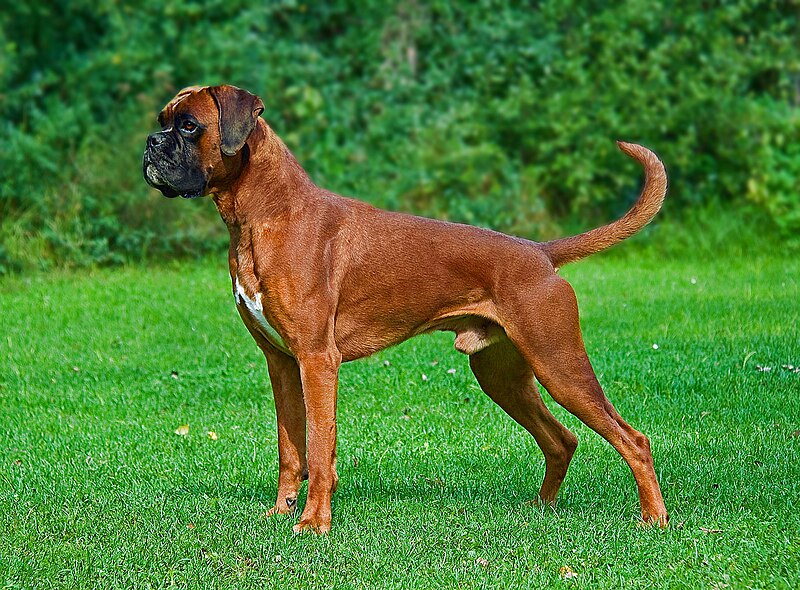
Today's Boxer is renowned for its patient, protective nature with children, earning it the nickname "Peter Pan of dogs" for its perpetual playfulness well into adulthood. Boxers are characterized by their distinctive square muzzle, undershot jaw, and expressive face. They come in fawn and brindle colors, often with white markings. Their athletic build reflects their working heritage, capable of power and agility.
Boxers serve not only as family companions but also as guide dogs for the blind, therapy dogs, police dogs, and search and rescue dogs. Their intelligence, trainability, and devotion to their families make them versatile workers. However, they're also famously goofy and entertaining, known for their "kidney bean" dance and expressive faces.
Boxers are the class clowns of the dog world, and they never really grow up. A ten-year-old Boxer still bounces around like a puppy, still does that ridiculous "kidney bean" wiggle when excited, and still believes that 70 pounds of muscle belongs in your lap. They are powerful, athletic dogs wrapped in a goofy, affectionate package. That combination of physical strength and perpetual silliness is exactly what makes them one of the most popular family dogs in America -- and exactly why they need owners who can keep up with their energy.
The best Boxer owners understand that this breed needs a job, even if that job is just fetching a ball or learning a new trick every week. Boxers were originally working dogs -- they pulled carts, guarded livestock, and served in both World Wars. That working drive is still there, and without an outlet it turns into jumping on guests, counter-surfing, and general household chaos. Boxers respond beautifully to positive training methods but shut down fast with harsh corrections. They are sensitive dogs despite their tough appearance, and they genuinely want to please -- they just need you to make the rules clear and keep things fun.
If you have kids, a Boxer might be the best dog you ever own. Their patience with children is legendary -- they tolerate ear-pulling, clumsy hugs, and loud play with a stoicism that borders on saintly. Boxers naturally adjust their energy level around small children and often position themselves between kids and perceived threats. That said, their sheer size and exuberance means toddlers can get knocked over by an excited Boxer who does not realize how big it is. They are deeply social dogs that suffer real distress when isolated. A Boxer left alone in a backyard all day will become anxious, destructive, and vocal. They belong with their family, period.
Temperament & Personality
Boxers possess an unique combination of traits that make them exceptional family dogs: Your veterinarian and experienced Boxer owners can offer perspective tailored to your situation.
- Playful & Energetic: Boxers maintain puppy-like enthusiasm throughout their lives. They love to play and can be quite silly and entertaining.
- Patient with Children: Exceptionally tolerant and protective of children, earning their reputation as excellent family dogs. They seem to understand the need for gentleness with kids.
- Loyal & Protective: Devoted to their families with strong protective instincts. They're naturally suspicious of strangers until properly introduced.
- Intelligent: Quick learners who enjoy mental challenges, though they can be stubborn and require patient training.
- Affectionate: Boxers crave human companionship and physical affection. They're known for leaning on people and wanting to be close.
- Alert & Watchful: Make excellent watchdogs, alerting to visitors and unusual activity. They're not excessive barkers but will sound alarm when needed.
- Social: Generally friendly and social once properly introduced. They enjoy meeting new people and dogs.
- High Energy: Need significant exercise and activity. Without it, they may develop destructive behaviors.
Boxers have a fascinating emotional range that goes well beyond "playful." They can be intensely protective when they sense a genuine threat, then switch to complete goofball mode thirty seconds later. Same-sex aggression is a real issue in some Boxer lines, so multi-dog households need careful management, especially with two males. But with proper introductions, most Boxers are social butterflies who love dog parks and playdates. Their expressive faces make their feelings obvious -- you always know when a Boxer is happy, worried, or plotting mischief.
Boxer puppies are essentially furry wrecking balls for the first two years. They mature slowly compared to many breeds, and that extended puppyhood means you are living with a large, strong dog that still has the impulse control of a toddler. Early puppy classes are essential, not optional. Focus socialization efforts on teaching your Boxer to greet people without jumping -- their natural greeting style involves launching themselves at face level. Exposure to different environments, surfaces, and sounds during the first four months pays enormous dividends in producing a confident adult dog that does not overreact to new situations.
A tired Boxer is a well-behaved Boxer, and getting them tired takes real effort. An hour of vigorous activity is the minimum -- think running, fetch with a ball launcher, or agility-style obstacle work in the backyard. But watch the temperature: their short muzzle makes them overheat quickly, especially in humid weather. Exercise during cooler morning and evening hours in summer. For mental exercise, Boxers excel at obedience work, rally, and even nosework. They also love interactive games with their owners. A Boxer that gets both physical and mental exercise is calm and content indoors; one that does not will redecorate your house in ways you did not authorize.
Common Health Issues
Boxers unfortunately face several serious health challenges that prospective owners must understand.
Cancer
Cancer is the leading cause of death in Boxers, with the breed having one of the highest cancer rates among all dogs.
- Mast Cell Tumors: Very common in Boxers. Can range from benign to highly malignant. Regular skin checks are essential.
- Lymphoma: Cancer of the lymphatic system. Often treatable with chemotherapy if caught early.
- Brain Tumors: Boxers have a higher incidence than most breeds.
- Hemangiosarcoma: Aggressive cancer of blood vessel walls, often affecting the spleen or heart.
Heart Conditions
- Boxer Cardiomyopathy (ARVC): A specific heart rhythm disorder that can cause sudden death. Screening recommended for breeding dogs and symptomatic adults.
- Aortic Stenosis: Narrowing of the aortic valve, present from birth. Can range from mild to severe.
- Dilated Cardiomyopathy: Enlarged, weakened heart affecting pumping ability.
hereditary conditions including potential eye, dental, and metabolic issues
- Hip Dysplasia: Common in the breed. OFA screening recommended.
- Bloat (GDV): Life-threatening stomach twisting. Know the signs and have emergency plan.
- Hypothyroidism: Underactive thyroid causing weight gain and lethargy.
- Degenerative Myelopathy: Progressive spinal cord disease. DNA testing available.
- Allergies: Boxers are prone to both food and environmental allergies.
- Brachycephalic Issues: While not as severe as Bulldogs, their short muzzle can cause breathing difficulties, especially in heat.
Health Screening Recommendation
Before getting a Boxer, request OFA hip evaluations, cardiac examinations (including Holter monitoring for ARVC), and thyroid testing from breeders. Consider Embark DNA testing for degenerative myelopathy and other genetic conditions. Pet insurance is strongly recommended due to cancer risk.
Cancer is the unavoidable topic in Boxer ownership. This breed has one of the highest cancer rates of any dog, with mast cell tumors and lymphoma being especially common. Get into the habit of running your hands over your Boxer's entire body weekly, checking for new lumps, bumps, or swellings. Any new lump should be aspirated by your vet promptly -- mast cell tumors in particular can look completely benign on the outside while being aggressive underneath. Boxer cardiomyopathy (ARVC) is the other major concern, a heart rhythm disorder that can cause sudden collapse or death with no warning. Annual Holter monitoring starting at age 2 is the best screening tool available.
DNA testing for Boxers is most valuable for screening degenerative myelopathy (DM), a progressive spinal cord disease that causes hind-end weakness and eventual paralysis. Knowing your Boxer's DM status helps you distinguish early symptoms from normal aging. Genetic panels can also identify ARVC risk markers, though the genetics of Boxer cardiomyopathy are complex and a clear genetic test does not guarantee a clear heart. If you are purchasing from a breeder, insist on seeing cardiac clearances and ask about cancer history in the line going back at least two generations. Breeders who are transparent about cancer in their lines are the ones doing honest work.
Boxers age faster than many breeds their size, and the transition from middle age to senior can feel sudden. Around age 6-7, you may notice your Boxer slowing down, developing stiffness after exercise, or showing gray around the muzzle. This is the critical window to increase screening frequency -- twice-yearly vet visits with bloodwork help catch thyroid issues, early kidney changes, and internal tumors before they become emergencies. Senior Boxers benefit from joint supplements, controlled exercise that maintains muscle without stressing joints, and diets with added antioxidants. Pet insurance purchased before age 3 is especially valuable for this breed given the near-certainty of significant health expenses.
Cost of Ownership
Boxers have moderate to high ownership costs, particularly for health care.
| Expense Category | Annual Cost Estimate |
|---|---|
| Food (premium quality) | $600-$1,000 |
| Veterinary Care (routine) | $400-$700 |
| Pet Insurance | $500-$1,000 |
| Grooming | $100-$200 |
| Training (first year) | $200-$800 |
| Supplies & Toys | $200-$400 |
| Total Annual Cost | $2,000-$4,100 |
Additional Cost Considerations:
- Initial Purchase: Well-bred Boxers cost $1,500-$3,500 from reputable breeders
- Cancer Treatment: If diagnosed, treatment can cost $5,000-$15,000+
- Heart Monitoring: Holter monitors for ARVC screening cost $200-$400
- Emergency Bloat Surgery: $3,000-$7,000 if needed
Save on Boxer Care
Chewy Autoship - Save on large breed food & durable toys | Lemonade Pet - Comprehensive coverage including cancer | K9 Training Institute - Positive training for energetic breeds
Boxers have an elevated cancer rate — tumors and mast cell disease are disproportionately common in the breed — which makes veterinary costs harder to predict and pet insurance a worthwhile consideration. Their brachycephalic faces can cause breathing difficulties in hot weather and under anesthesia, both of which may require veterinary management. They're also prone to cardiomyopathy, so cardiac screening is a standard part of responsible breeding and should be continued through routine wellness visits.
Budgeting for a Boxer is easiest once you understand the spending curve. The first twelve months absorb the bulk of startup costs — initial vaccinations, microchipping, spay or neuter surgery if applicable, bedding, leash and collar, and a first wellness exam. Beyond that, you are primarily covering food, routine vet visits, preventive medications, and the occasional replacement of worn-out toys or gear, which are far more predictable and manageable.
Your Boxer might look perfectly healthy and still benefit from a routine exam. Many conditions don't show visible signs until they're advanced, and the cost of an early catch is almost always less than the cost of delayed treatment.
Exercise & Activity Requirements
Boxers are high-energy dogs requiring significant daily activity: Understanding how this applies specifically to Boxer helps you avoid common pitfalls.
- Daily Exercise: 1-2 hours of activity including walks, play, and training. Boxers have lots of energy to burn.
- Play Sessions: Love interactive play with their families. Fetch, tug, and chase games are favorites.
- Mental Stimulation: Need mental challenges to prevent boredom. Training, puzzle toys, and games engage their minds.
- Heat Sensitivity: Their brachycephalic structure makes them prone to overheating. Exercise in cooler parts of day.
- Secure Areas: Athletic and capable of jumping fences. Ensure secure fencing.
- Dog Sports: Excel at agility, obedience, and rally. Many enjoy dock diving.
Exercise Cautions:
- Avoid strenuous exercise in heat or humidity
- Watch for signs of overheating: excessive panting, drooling, stumbling
- Limit exercise in puppies to protect developing joints
- Provide rest periods during activity
Training Tips for Boxers
Boxers are intelligent and trainable but require the right approach: Your veterinarian and experienced Boxer owners can offer perspective tailored to your situation.
- Positive Reinforcement: Boxers respond best to reward-based training. They can be sensitive to harsh corrections.
- Keep It Fun: Boxers get bored with repetition. Vary exercises and make training a game.
- Start Early: Begin training and socialization as puppies. Their energy is easier to channel when young.
- Patience with Exuberance: Their enthusiasm can make them seem unruly. Patient, consistent training pays off.
- Address Jumping: Boxers are notorious jumpers. Teach "four on the floor" early and consistently.
- Socialization Priority: Extensive early exposure to people, dogs, and situations develops confident adults.
- Channel Energy: A tired Boxer is a good Boxer. Exercise before training sessions.
- Leash Training: They're strong dogs. Start loose leash walking early.
Nutrition & Feeding
Proper nutrition supports Boxer health and addresses breed-specific needs.
- Large Breed Formula: Choose food designed for large breeds with appropriate nutrient ratios.
- Quality Protein: Support their muscular build with high-quality animal proteins.
- Bloat Prevention: Feed 2-3 smaller meals rather than one large meal. Use slow feeders. Avoid exercise around mealtimes.
- Weight Management: Keep Boxers lean to reduce cancer risk and joint stress.
- Heart Health: Foods with taurine and L-carnitine support heart health.
- Allergy Considerations: If allergies develop, limited ingredient diets may help identify triggers.
- Grain-Free Debate: Discuss grain-free diets with your vet, as some concerns exist about DCM links.
Top Food Choices for Boxers
The Farmer's Dog - Fresh, heart-healthy meals | Ollie - Custom portions for active dogs | Hill's Science Diet - Large breed formulas with cardiac support
When it comes to Boxer nutrition, simplicity usually wins. A well-formulated food that meets your Boxer's specific needs is better than a rotation of trendy diets. Focus on protein quality, calorie appropriateness for your Boxer's size and activity level, and avoiding ingredients your Boxer does not tolerate well. The rest is marketing.
Do not overthink your Boxer's diet to the point of paralysis. Focus on the basics: appropriate protein and fat levels for their life stage, consistent meal timing, and careful portion control. Monitor their condition over time and adjust if you notice changes in weight, coat quality, or energy. That practical, observation-based approach beats any marketing claim.
Grooming Requirements
Boxers have low-maintenance coats but require attention to other areas.
- Brushing: Weekly brushing with a rubber curry brush or bristle brush removes loose hair.
- Shedding: Moderate year-round shedding. Regular brushing helps manage it.
- Bathing: Every 6-8 weeks or as needed. Their short coat doesn't trap much dirt.
- Wrinkle Care: Clean facial wrinkles regularly to prevent moisture and bacteria buildup.
- Nail Trimming: Every 2-3 weeks.
- Ear Cleaning: Weekly checks and cleaning, especially for uncropped ears.
- Dental Care: Regular brushing several times weekly.
- Drool Management: Boxers can be drooly. Keep towels handy.
Boxers Are Great For:
- Active families with children (Boxers are patient and protective)
- Those seeking a playful, entertaining companion
- People who can provide significant daily exercise
- Those wanting a loyal, affectionate family guardian
- Owners who enjoy training and interactive activities
- Homes with secure fencing and adequate space
Boxers May Not Be Ideal For:
- Sedentary households unable to provide adequate exercise
- Those living in very hot climates without air conditioning
- People wanting a calm, low-energy dog
- Those unable to commit to potential high veterinary costs
- Owners who travel frequently or work very long hours
- Those who want a dog that will always follow commands without question
A Boxer can be a wonderful companion for the right person. The key is being honest about whether you are that person right now — not in theory, but in practice. Your daily schedule, living space, and financial situation all matter more than enthusiasm alone.
The day-to-day rhythm of caring for a Boxer — feeding at set times, maintaining their environment, observing their behavior — creates a relationship built on reliability and trust. It is not glamorous work, but it is the foundation of every strong bond between an owner and their Boxer. The consistency you bring to these routines matters more than any grand gesture.
Related Breeds to Consider
If you're interested in Boxers, you might also consider.
- Bullmastiff - Related breed, larger, calmer
- American Staffordshire Terrier - Similar energy, muscular build
- Labrador Retriever - Similar family-friendly nature, different build
- Vizsla - Similar energy level, different appearance
Ask Our AI About Boxers
Your veterinarian knows your Boxer best — always verify dietary choices with them, especially if your dog has existing health conditions.
Cancer Surveillance Protocol
The Boxer's elevated cancer risk necessitates a proactive surveillance approach. Breed-specific cancer incidence data from veterinary oncology registries suggests Boxers face higher-than-average risk compared to mixed-breed dogs of similar size. Regular veterinary examinations should include thorough lymph node palpation, abdominal palpation, and discussion of any new lumps or behavioral changes. The Veterinary Cancer Society recommends that owners of high-risk breeds learn to perform monthly at-home checks for abnormal swellings, unexplained weight loss, or persistent lameness.
Hip and Joint Health in the Boxer
The Orthopedic Foundation for Animals (OFA) reports a hip dysplasia prevalence of approximately 12.0% in evaluated Boxers (medium-large breed, typical weight 50-80 lbs). Clinical signs typically emerge between 6-18 months of age, though radiographic changes may be visible earlier via PennHIP evaluation.
Boxers' naturally athletic build and high energy can mask early hip dysplasia symptoms. Their enthusiasm for vigorous play means owners must proactively manage exercise intensity during growth periods.
Exercise Guidelines: Structured play sessions with rest periods. Avoid sustained high-impact activities before growth plate closure (12-16 months). Their natural athleticism returns quickly after controlled growth periods.
Prevention & Management: Maintaining lean body condition is the single most impactful modifiable factor for joint health. Joint supplements containing glucosamine HCl, chondroitin sulfate, and omega-3 fatty acids (EPA/DHA) have demonstrated clinical benefit when started before symptomatic onset. For medium-large breeds, large/giant breed-formulated puppy diets with controlled calcium-phosphorus ratios support proper skeletal development.
Cardiac Health Monitoring
Owners who understand this dimension of Boxer care rarely end up reacting to worst-case scenarios. Any care plan for a Boxer improves when it reflects the quirks of the specific animal, not a generic profile.
Related Health & Care Guides
People often underestimate how much this piece of a Boxer's routine influences later health outcomes.
Get Personalized AI Guidance
Ask Our AI NowDecision Guides for Boxer
Use these only when comparing food, insurance, ownership budget, or beginner fit for this specific pet.