Reptile Nutrition Guide
Carnivores
Eat whole prey animals exclusively.
- Examples: Snakes, monitors, tegus
- Primary diet: Rodents, birds, fish, other reptiles (species-dependent)
- Feeding frequency: Weekly to monthly depending on species and age
Insectivores
Primarily eat insects and invertebrates.
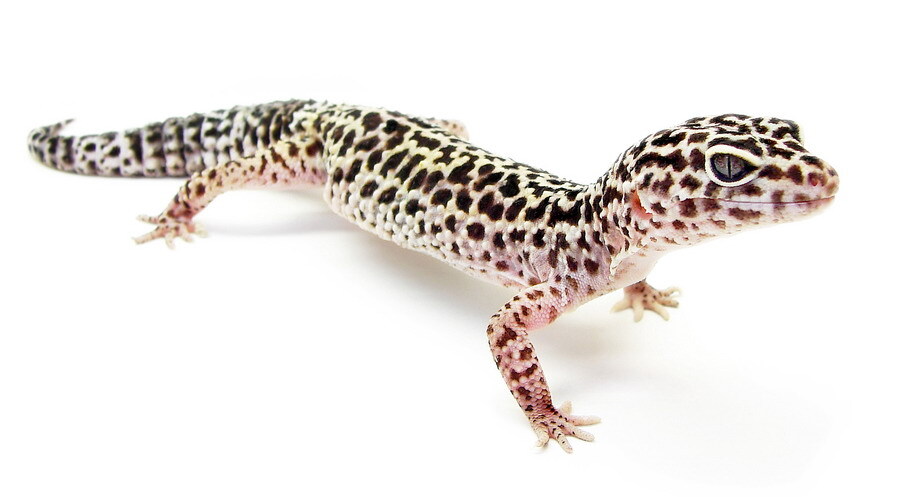
- Examples: Leopard geckos, chameleons, anoles
- Primary diet: Crickets, dubia roaches, mealworms, other feeder insects
- Feeding frequency: Daily to every other day for most species
Herbivores
Eat plant matter exclusively.
- Examples: Tortoises, green iguanas, uromastyx
- Primary diet: Leafy greens, vegetables, limited fruits
- Feeding frequency: Daily fresh food
Omnivores
Eat both animal protein and plant matter.
- Examples: Bearded dragons, blue-tongued skinks, box turtles
- Primary diet: Combination of insects and vegetables; ratio varies by species and age
- Feeding frequency: Daily or every other day
Feeding Carnivorous Reptiles
Snakes and other carnivorous reptiles eat whole prey, which provides complete nutrition.
Prey Size Guidelines
- General rule: Prey should be no wider than 1-1.5x the widest part of the reptile
- Too small: Doesn't provide adequate nutrition; feeding more often needed
- Too large: Risk of regurgitation, injury, or choking
- Size progression: Increase prey size as reptile grows
Frozen vs. Live Prey
Frozen/Thawed (Recommended)
- Safer — no risk of prey injuring reptile
- More convenient; can be stored
- Kills parasites through freezing
- More humane for prey animals
- Thaw in warm water; never microwave
Live Prey
- May be necessary for picky eaters
- Risk of injury to reptile (rodents can bite)
- Never leave live prey unattended with reptile
- Consider pre-killing if reptile won't take frozen/thawed
Live Prey Safety
Never leave live rodents unattended with your snake. Rodents can cause serious, even fatal, injuries to reptiles. If your snake doesn't eat within 15-20 minutes, remove the prey and try again later.
Feeding Frequency for Snakes
- Baby snakes: Every 5-7 days
- Juvenile snakes: Every 7-10 days
- Adult snakes: Every 10-14 days (varies by species)
- Large species: Every 2-4 weeks
Don't handle for 48-72 hours after feeding to prevent regurgitation.
Feeding Insectivorous Reptiles
Insects are nutritious but require preparation to maximize their value.
Common Feeder Insects
Crickets
- Widely available, inexpensive
- Good protein source
- Must be gut-loaded before feeding
- Can escape and chirp annoyingly
- Remove uneaten crickets (can bite reptiles)
Dubia Roaches
- Excellent nutrition, high protein
- Can't climb smooth surfaces or fly
- Easy to keep and breed
- Less smelly than crickets
- Illegal in some states (Florida, others)
Black Soldier Fly Larvae (BSFL/Calciworms)
- Naturally high in calcium
- No gut-loading required
- Don't require dusting
- Good for variety
- Smaller size limits use for large reptiles
Mealworms
- Easy to keep
- Relatively high in fat and chitin
- Best as occasional treat, not staple
- Difficult to digest if fed in excess
Superworms
- Larger than mealworms
- Higher fat content
- Can bite — some keepers crush heads before feeding
- Good for larger insectivores as treats
Hornworms
- High in moisture — good for hydration
- Soft-bodied, easy to digest
- Grow quickly; use while small to medium
- Good treat or supplemental feeder
Silkworms
- Excellent nutritional profile
- Soft-bodied
- More difficult to find and keep
- Premium feeder option
Waxworms
- Very high in fat
- Treat only — not a staple feeder
- Can become addictive; picky eaters may refuse other food
- Good for underweight reptiles
Gut-Loading
Gut-loading means feeding nutritious food to feeder insects before offering them to your reptile. The insects become more nutritious.
- How long: Feed insects nutritious diet 24-48 hours before feeding to reptile
- What to feed: Commercial gut-load, fresh vegetables (carrots, squash, dark leafy greens)
- Why it matters: Feeder insects are only as nutritious as what they eat
Supplementation
Even gut-loaded insects need supplementation to prevent nutritional deficiencies.
Calcium
- Calcium without D3: Use for reptiles with UVB lighting (they make their own D3)
- Calcium with D3: Use for reptiles without UVB (nocturnal species)
- Frequency: Most feedings for growing reptiles; every other feeding for adults
- Application: Lightly dust insects before feeding
Multivitamins
- Use 1-2 times per week
- Provides vitamins A, B, E and trace minerals
- Don't overdo — vitamin toxicity is possible
Wild-Caught Insects
Never feed wild-caught insects to your reptile. They may contain pesticides, parasites, or other harmful substances. Only use commercially raised feeder insects from reputable sources.
Feeding Herbivorous Reptiles
Herbivores require daily fresh vegetables and careful attention to nutrition. The trade-off is simple: a few hours reading about their reptile behavior now versus larger bills and stress later.
Excellent Staple Greens
- Collard greens
- Mustard greens
- Turnip greens
- Dandelion greens (pesticide-free)
- Endive/escarole
- Watercress
Good Occasional Greens
- Kale (high in goitrogens; limit)
- Swiss chard (high in oxalates; limit)
- Romaine lettuce (low nutrition; occasional only)
- Spinach (very high oxalates; very limited)
Other Vegetables
- Squash (butternut, acorn, spaghetti)
- Bell peppers
- Green beans
- Snap peas
- Shredded carrots
- Cactus pads (prickly pear)
Fruits (Treats Only)
- Berries
- Melon
- Papaya
- Mango
- Figs
Fruits should be 10% or less of diet due to sugar content.
Foods to Avoid
- Iceberg lettuce: Almost no nutritional value
- Avocado: Toxic to most reptiles
- Rhubarb: Toxic
- High-oxalate foods in excess: Spinach, beet greens, Swiss chard (bind calcium)
Calcium:Phosphorus Ratio
Herbivorous reptiles need foods with more calcium than phosphorus (2:1 ratio ideal). High-phosphorus foods block calcium absorption.
- Good ratio: Collard greens, mustard greens, turnip greens
- Poor ratio: Most fruits, corn, peas, beans
Feeding Omnivorous Reptiles
Omnivores like bearded dragons and blue-tongued skinks need both animal protein and vegetables. Your exotic veterinarian and experienced reptile owners can offer perspective tailored to your situation.
Bearded Dragon Diet
- Juveniles: 70-80% insects, 20-30% vegetables
- Adults: 20-30% insects, 70-80% vegetables
- Daily salads with occasional insects for adults
- Calcium supplementation essential
Blue-Tongued Skink Diet
- 50% protein (insects, dog/cat food, eggs, lean meat)
- 40% vegetables
- 10% fruit
- Can eat high-quality dog food as part of diet
Box Turtle Diet
- 50% vegetables and leafy greens
- 25% protein (insects, worms, lean meat)
- 25% fruit
- Varied diet is key
Metabolic Bone Disease (MBD)
- Cause: Calcium deficiency, lack of D3/UVB
- Symptoms: Soft bones, tremors, deformities, lethargy
- Prevention: Proper supplementation, UVB lighting, balanced diet
Vitamin A Deficiency
- Cause: Lack of vitamin A in diet
- Symptoms: Eye problems, respiratory issues, poor shedding
- Prevention: Orange/yellow vegetables, proper multivitamin
Obesity
- Cause: Overfeeding, too many fatty foods
- Symptoms: Fat deposits, difficulty moving, fatty liver
- Prevention: Appropriate feeding frequency, limit fatty treats
Gout
- Cause: Excess protein, dehydration
- Symptoms: Joint swelling, lethargy, loss of appetite
- Prevention: Appropriate protein levels, adequate hydration
Hydration
Proper hydration is essential for digestion and overall health. The closer your routine tracks your reptile's specific traits, the easier everything downstream becomes.
Water Sources
- Water dish: Appropriate size for species (some need to soak)
- Misting: Some species drink droplets off leaves
- Drip systems: For chameleons and others that don't recognize standing water
- Soaking: Beneficial for many species, especially during shedding
Signs of Dehydration
- Wrinkled or loose skin
- Sunken eyes
- Lethargy
- Loss of appetite
- Thick, stringy saliva
- Urate (white part of droppings) is dry or yellow
Feeding Tips and Best Practices
- Research your species: Feeding requirements vary dramatically
- Provide variety: Don't rely on single food items
- Size appropriately: Food shouldn't be larger than head width
- Monitor weight: Track weight regularly to catch issues early
- Remove uneaten food: Prevents spoilage and pest issues
- Observe feeding: Watch for changes in appetite or behavior
- Temperature matters: Reptiles need warmth to digest properly
Ask the AI About Reptile Nutrition
Have questions about feeding your reptile, supplements, or diet composition? Our AI assistant can provide personalized guidance for your scaly companion.