Beginner-Friendly Reptile Species Guide
Choosing your first reptile is an important decision that will affect your life for many years. Different species have vastly different care requirements, temperaments, sizes, and lifespans. This guide compares popular pet reptiles to help you find the perfect match for your experience level, living situation, and lifestyle.
What Makes a Reptile Beginner-Friendly?
Ideal beginner reptiles share several characteristics.
- Hardy: Tolerant of minor husbandry mistakes
- Manageable size: Doesn't outgrow reasonable enclosures
- Docile temperament: Tolerates handling well
- Simple diet: Readily available, easy-to-feed food
- Straightforward care: No extreme humidity or temperature requirements
- Available captive-bred: Healthier than wild-caught animals
Best Beginner Lizards
A realistic read on this corner of reptile care puts you in a better position to make decisions the animal can actually feel. Your reptile will show you what works through appetite, energy, coat, and behavior, adjust based on that evidence.
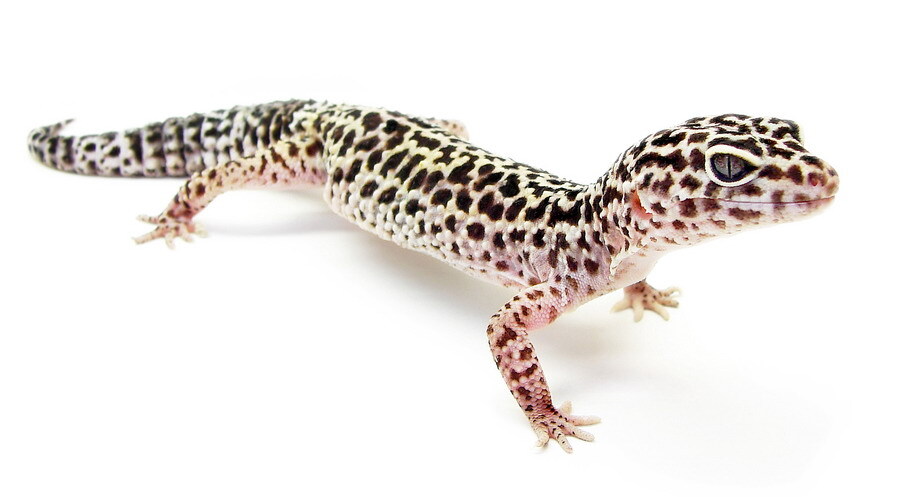
Leopard Gecko
Often considered the best beginner reptile overall.
- Size: 7-10 inches
- Lifespan: 15-20+ years
- Temperament: Docile, rarely bite, tolerate handling well
- Diet: Insectivore (crickets, dubia roaches, mealworms)
- Enclosure: 20-gallon minimum for adult
- Heating: Belly heat from under-tank heater; no basking light required
- UVB: Not required but beneficial
- Humidity: Low (30-40%) with humid hide for shedding
Pros: Hardy, beautiful morphs available, crepuscular (active at dawn/dusk), relatively quiet, don't need UVB, long-lived
Cons: Need live insects (can't feed vegetables), nocturnal so less visible during day, can drop tails if stressed
Bearded Dragon
The most interactive beginner lizard; often called the "dog of reptiles."
- Size: 18-24 inches
- Lifespan: 10-15 years
- Temperament: Extremely docile, social, seem to enjoy interaction
- Diet: Omnivore (insects when young, mostly vegetables as adults)
- Enclosure: 75-120 gallon (4x2x2 feet) for adult
- Heating: Basking spot 100-110°F, cool side 80-85°F
- UVB: Essential (10-14% T5 tube)
- Humidity: Low (30-40%)
Pros: Highly interactive, diurnal (active during day), can eat vegetables, distinct personalities, very handleable
Cons: Need large enclosure, require proper UVB (MBD risk), higher setup cost, need daily fresh food
Crested Gecko
The easiest gecko to keep; doesn't even need heat in most homes.
- Size: 6-10 inches including tail
- Lifespan: 15-20+ years
- Temperament: Generally docile but can be jumpy
- Diet: Commercial crested gecko diet (Pangea, Repashy); occasional insects
- Enclosure: 18x18x24 inches minimum (vertical)
- Heating: Room temperature 70-78°F (no additional heat usually needed)
- UVB: Not required but beneficial
- Humidity: Moderate to high (50-70%); mist daily
Pros: No special heating needed, can eat premade diet (no insects required), beautiful colors and patterns, low maintenance
Cons: Can't regenerate dropped tails, jumpy when young, nocturnal, need height not floor space
Blue-Tongued Skink
A larger, dog-like lizard known for intelligence and personality.
- Size: 18-24 inches
- Lifespan: 15-20+ years
- Temperament: Very docile, curious, recognize owners
- Diet: Omnivore (dog food, vegetables, insects, snails)
- Enclosure: 40-50 gallon minimum (4x2 foot footprint ideal)
- Heating: Basking spot 95-100°F, cool side 75-80°F
- UVB: Beneficial, especially for Northern species
- Humidity: Species-dependent (30-60%)
Pros: Extremely friendly, diurnal, easy diet (can eat quality dog food), hardy, personality-filled
Cons: Need larger enclosure, multiple species with different care needs, can be pricey
African Fat-Tailed Gecko
The slightly shyer cousin of the leopard gecko.
- Size: 7-9 inches
- Lifespan: 15-20+ years
- Temperament: Docile but slightly shier than leopard geckos
- Diet: Insectivore
- Enclosure: 20-gallon minimum
- Heating: Similar to leopard geckos; belly heat
- UVB: Not required but beneficial
- Humidity: Higher than leopard geckos (50-70%)
Pros: Similar care to leopard geckos, beautiful, slightly smaller, chunky build
Cons: Need higher humidity, shyer personality, fewer morphs available
Corn Snake
Often considered the best beginner snake overall.
- Size: 3-5 feet
- Lifespan: 15-20+ years
- Temperament: Very docile, rarely bite, easy to handle
- Diet: Mice (frozen/thawed)
- Enclosure: 40-gallon or 4x2 feet for adult
- Heating: Warm side 85-88°F, cool side 75-80°F
- UVB: Not required
- Humidity: Moderate (40-60%)
Pros: Excellent feeders, beautiful color morphs, active and visible, perfect size, very docile
Cons: Can be escape artists (secure lid essential), curious and may try to explore out of enclosure
Ball Python
The most popular pet snake; known for calm demeanor.
- Size: 3-5 feet (females larger)
- Lifespan: 20-30+ years
- Temperament: Very docile; defensive curl ("ball") when stressed
- Diet: Rats or mice (frozen/thawed)
- Enclosure: 40-gallon or 4x2 feet for adult
- Heating: Warm side 88-92°F, cool side 76-80°F
- UVB: Not required but beneficial
- Humidity: Higher (50-60%, increase during shed)
Pros: Extremely calm, thousands of morphs, manageable size, long-lived
Cons: Can be picky eaters (especially wild-caught or stressed), need higher humidity, may go off food seasonally
King Snake (California, Florida, etc.)
Hardy, beautiful snakes with excellent feeding responses.
- Size: 3-6 feet (varies by species)
- Lifespan: 15-20+ years
- Temperament: Generally docile with regular handling; can be nippy as babies
- Diet: Mice (frozen/thawed); will eat other snakes
- Enclosure: 40-gallon or larger for adults
- Heating: Warm side 85-88°F, cool side 75-80°F
- UVB: Not required
- Humidity: Moderate (40-60%)
Pros: Excellent feeders, beautiful patterns, active, immune to pit viper venom
Cons: Must be housed alone (will eat other snakes), can be nippy as juveniles, some are musking-prone
Children's Python
A smaller python species perfect for those wanting a python without the size.
- Size: 2.5-3.5 feet
- Lifespan: 20-30 years
- Temperament: Docile when handled regularly
- Diet: Mice (frozen/thawed)
- Enclosure: 20-40 gallon
- Heating: Warm side 88-90°F, cool side 75-80°F
- UVB: Not required
- Humidity: Moderate (40-50%)
Pros: Small size, python temperament, manageable feeding, long-lived
Cons: Can be nippy as babies, less commonly available than ball pythons
Other Beginner-Friendly Options
Households that take the time to learn their reptile-specific patterns tend to avoid expensive corrective work later.
Russian Tortoise
- Size: 6-10 inches
- Lifespan: 40-50+ years
- Temperament: Curious, active, personable
- Diet: Herbivore (leafy greens, weeds, vegetables)
- Enclosure: Large (8+ square feet minimum; outdoor when weather allows)
- Heating: Basking spot 95-100°F, ambient 75-85°F
- UVB: Essential
- Humidity: Low (40-50%)
Pros: Personable, active, vegetarian diet, long-lived, tolerates cooler temps
Cons: Need large enclosure, decades-long commitment, need UVB, may brumate in winter
Red-Eared Slider (Aquatic Turtle)
- Size: 8-12 inches (females larger)
- Lifespan: 20-40 years
- Temperament: Active, can become interactive with owners
- Diet: Omnivore (commercial pellets, vegetables, occasional protein)
- Enclosure: Large aquarium (10 gallons per inch of shell; 75+ gallons for adult)
- Water: Must have clean, filtered water
- Basking: Dry dock with heat lamp 85-90°F
- UVB: Essential
Pros: Active, interesting behavior, hardy, readily available
Cons: Need very large tanks with filtration, messy, require significant maintenance, commonly released (don't do this)
Species to Avoid as a Beginner
Generic advice produces a baseline plan; customising around your specific animal is where the meaningful improvements show up.
Chameleons
Delicate species requiring precise humidity, ventilation, and lighting. Stress easily and hide illness until critical.
Green Iguana
Grow 5-6 feet long, can become aggressive, need room-sized enclosures, complex dietary needs.
Large Constrictors
Burmese pythons, reticulated pythons, and large boas grow enormous, can be dangerous, and require specialized handling.
Monitor Lizards
Highly intelligent but grow large, need massive enclosures, can be aggressive, require experienced handling.
Tokay Gecko
Beautiful but notoriously aggressive, loud, difficult to handle.
Any Wild-Caught Reptile
Stressed, parasitized, difficult to acclimate. Always choose captive-bred animals.
Research Before Purchase
Never impulse-buy a reptile. Research adult size, lifespan, and care requirements thoroughly. Many reptiles are rehomed because owners didn't understand the long-term commitment. A ball python lives 30+ years; a tortoise can outlive you.
Quick Comparison Chart
Generic guidance is a floor; it is your reptile-specific nuance that raises the ceiling on outcomes.
Easiest Overall Care
- Crested Gecko (no heat, prepared diet)
- Leopard Gecko (simple setup)
- Corn Snake (excellent feeders)
Most Interactive
- Bearded Dragon
- Blue-Tongued Skink
- Ball Python
Best for Small Spaces
- Leopard Gecko
- Crested Gecko
- Children's Python
Longest Lived
- Tortoises (40-100+ years)
- Ball Pythons (30+ years)
- Blue-Tongued Skinks (20+ years)
Ask the AI About Reptile Species
Need help deciding which reptile is right for your lifestyle? Our AI assistant can help you compare options and make an informed decision.