Complete Tarantula Care Guide
Tarantulas are fascinating, low-maintenance exotic pets that have captivated hobbyists worldwide. With over 900 species ranging from docile to defensive, there's a tarantula suited for nearly every keeper. This comprehensive guide covers everything you need to know to provide excellent care for these remarkable arachnids.
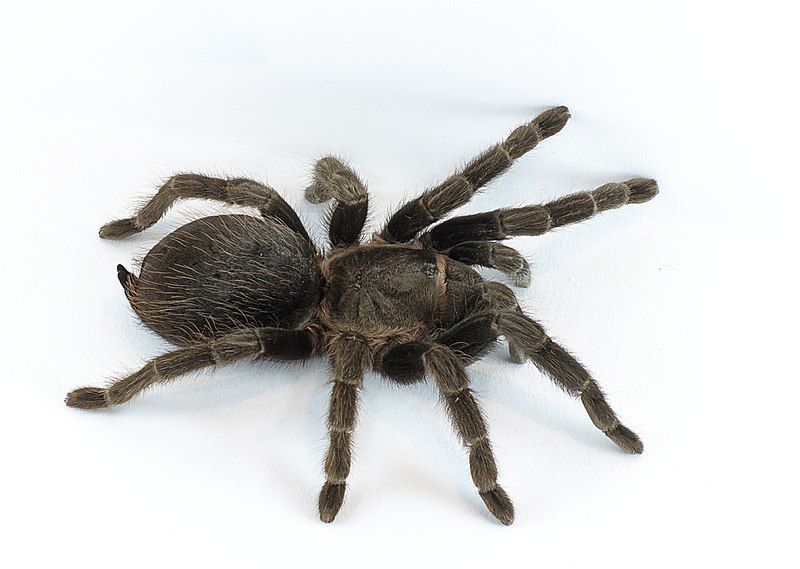
Understanding Tarantulas
Before bringing home a tarantula, it's essential to understand their nature and needs.
Key Characteristics
- Lifespan: Females can live 15-30+ years; males typically 3-10 years
- Size: Leg spans range from 3-11 inches depending on species
- Activity: Most are nocturnal and spend much time hiding
- Temperament: Varies greatly by species from docile to defensive
- Handling: Generally not recommended; observation pets
- Venom: All tarantulas are venomous but rarely medically significant to humans
New World vs. Old World
- New World (Americas): Generally calmer, have urticating hairs as defense, recommended for beginners
- Old World (Africa, Asia, Australia): Often faster and more defensive, no urticating hairs but may bite more readily, for experienced keepers
Choosing Your First Tarantula
Species selection is crucial for a positive experience.
Beginner-Friendly Species
- Mexican Red Knee (Brachypelma hamorii): Docile, beautiful, long-lived, slow-growing
- Chilean Rose (Grammostola rosea): Very calm, hardy, affordable, can be fussy eaters
- Curly Hair (Tliltocatl albopilosus): Gentle, great appetite, very forgiving
- Arizona Blonde (Aphonopelma chalcodes): Docile, desert species, extremely long-lived
- Brazilian Black (Grammostola pulchra): Jet black beauty, calm temperament
- Pink Toe (Avicularia avicularia): Arboreal beginner, docile but can be skittish
Species to Avoid as a Beginner
- Old World species (Poecilotheria, Pterinochilus, Heteroscodra)
- Highly defensive New World species (Theraphosa, Pamphobeteus)
- Fast-moving species until you have experience
Enclosure Setup
Proper housing is essential for tarantula health and safety.
Enclosure Types
- Terrestrial species: Floor space more important than height; 2-3x leg span length
- Arboreal species: Height more important; vertical enclosures with climbing surfaces
- Fossorial (burrowing) species: Deep substrate for burrowing
Size Guidelines
- Slings (spiderlings): Small deli cups or vials with ventilation
- Juveniles: Gradually increase enclosure size as they grow
- Adults: Enclosure 2-3x leg span in length and width for terrestrials
Enclosure Safety
Tarantulas can fit through surprisingly small gaps. Ensure all ventilation holes are smaller than the tarantula's carapace. Secure lids are essential — tarantulas are escape artists. Falls from height can be fatal for heavy-bodied terrestrial species.
Substrate
- Coco fiber (eco earth): Excellent choice, holds humidity well
- Peat moss: Good moisture retention, slightly acidic
- Topsoil (chemical-free): Natural option, mix with coco fiber
- Vermiculite: Can be mixed in for moisture retention
- Depth: 2-4 inches for terrestrials; more for burrowers
Decor and Hides
- Hide: Essential for security; cork bark, half logs, or commercial hides
- Water dish: Shallow dish, changed regularly
- Fake plants: Optional, add visual appeal and anchor points for arboreal species
- Cork bark: Excellent for hides and climbing
Temperature and Humidity
Environmental conditions vary by species but general guidelines apply.
Temperature
- Most species: 70-85°F (21-29°C)
- Room temperature often sufficient: 72-78°F ideal for many species
- Supplemental heat: Low-wattage heat mat on enclosure side if needed
- Avoid overheating: Temperatures above 85°F can be dangerous
Heat Mat Placement
Never place heat mats under a tarantula enclosure. Tarantulas instinctively burrow to escape heat and would dig toward the heat source, causing overheating or death. Place heat mats on the enclosure side if needed.
Humidity
- Desert species: 50-60% humidity; dry substrate with water dish
- Tropical species: 70-80% humidity; moist (not wet) substrate
- Ventilation: Critical to prevent stagnant air and mold
- Overflow water dish method: Keep one corner moist, rest dry
Feeding
Tarantulas are obligate carnivores that primarily eat insects.
Appropriate Prey
- Crickets: Most common feeder; readily available
- Dubia roaches: Excellent nutrition, can't climb smooth surfaces
- Mealworms/Superworms: Good variety; fatty
- Locusts/Grasshoppers: Good for larger tarantulas
- Occasionally: Waxworms, hornworms as treats
Feeding Guidelines
- Prey size: No larger than the tarantula's abdomen
- Slings: Small prey items 2-3 times per week
- Juveniles: 1-2 appropriately sized prey weekly
- Adults: 1-2 prey items every 1-2 weeks
- Remove uneaten prey: After 24 hours to prevent stress
Fasting and Premolt
- Tarantulas may fast for weeks or months, especially before molting
- As long as abdomen isn't shriveled, don't worry about fasting
- Never feed a tarantula in premolt (darkened abdomen, lethargy)
Molting
Molting is how tarantulas grow, shedding their exoskeleton periodically.
Signs of Premolt
- Darkening abdomen (bald spot turns dark)
- Loss of appetite
- Increased lethargy
- Web spinning or burrowing more than usual
- Dull coloration
During Molting
- Tarantula will flip onto its back
- Process takes hours to a full day
- Do not disturb: Critical period; stress can be fatal
- Ensure adequate humidity
- Remove any live prey from enclosure
Molting Emergency
If a tarantula appears stuck during molt for many hours, very gently apply water to the exuvium (old skin) with a paintbrush. Do not pull on the molt. If limbs are trapped, the tarantula may autotomize (drop) them to survive — they can regenerate over subsequent molts.
Post-Molt Care
- Do not handle for at least a week (new exoskeleton is soft)
- Do not feed until fangs harden (7-14 days depending on size)
- Ensure water is available
- Remove the exuvium (molt) — some keepers preserve them
Handling
While possible with docile species, handling is generally not recommended. Owners who watch the animal in front of them closely — not an average of the breed — consistently report better outcomes.
Why Handling is Risky
- Falls: Can rupture abdomen and be fatal
- Stress: Tarantulas don't benefit from handling
- Urticating hairs: New World species can flick irritating hairs
- Bites: While rarely dangerous, can be painful
If You Choose to Handle
- Work over a soft surface close to the ground
- Let the tarantula walk onto your hand; don't grab
- Keep movements slow and calm
- Never handle during premolt, post-molt, or after feeding
- Keep sessions very brief
Health Concerns
Healthy tarantulas are generally hardy, but issues can arise.
Signs of a Healthy Tarantula
- Plump, round abdomen
- Alert and responsive when disturbed
- Good appetite (outside of premolt)
- Clean, complete molts
- Active during normal activity periods
Common Health Issues
- Dehydration: Shriveled abdomen; provide water and increase humidity
- Mites: Tiny moving dots; clean enclosure, replace substrate
- Nematodes: White discharge from mouth; often fatal, consult exotic vet
- Dyskinetic syndrome: Uncontrolled movements; isolate, lower temperature, provide water
- Oral nematodes: White stringy substance from mouth; serious condition
Injury
- Leg loss: Tarantulas can autotomize and regenerate legs over molts
- Abdomen rupture: Serious; can try cornstarch to stop bleeding, keep humidity high
- Molting injuries: Often heal over subsequent molts
Urticating Hairs
New World tarantulas can kick urticating (irritating) hairs when threatened. These cause itching and irritation on skin and are dangerous if they contact eyes. Handle with care, wash hands after maintenance, and don't put your face near the enclosure.
Common Beginner Mistakes
- Choosing the wrong species: Start with docile New World species
- Enclosure too large for slings: They can't find food or water
- Too much humidity: Causes mold and health issues
- Too little ventilation: Stagnant air is harmful
- Feeding during premolt: Prey can injure vulnerable tarantula
- Overfeeding: Can lead to obesity and premolt issues
- Handling too often: Stressful and risky
- Disturbing during molt: Can cause death or injury
Ask the AI About Tarantula Care
Have questions about tarantula species, enclosure setup, or molting concerns? Our AI assistant can provide personalized guidance for your eight-legged friend.