Fish Health and Disease Guide
Fish diseases are often preventable with good water quality and proper care. When illness does occur, early detection and treatment improve outcomes dramatically. Use this guide to recognize common fish diseases, understand their causes, and know how to treat them effectively.
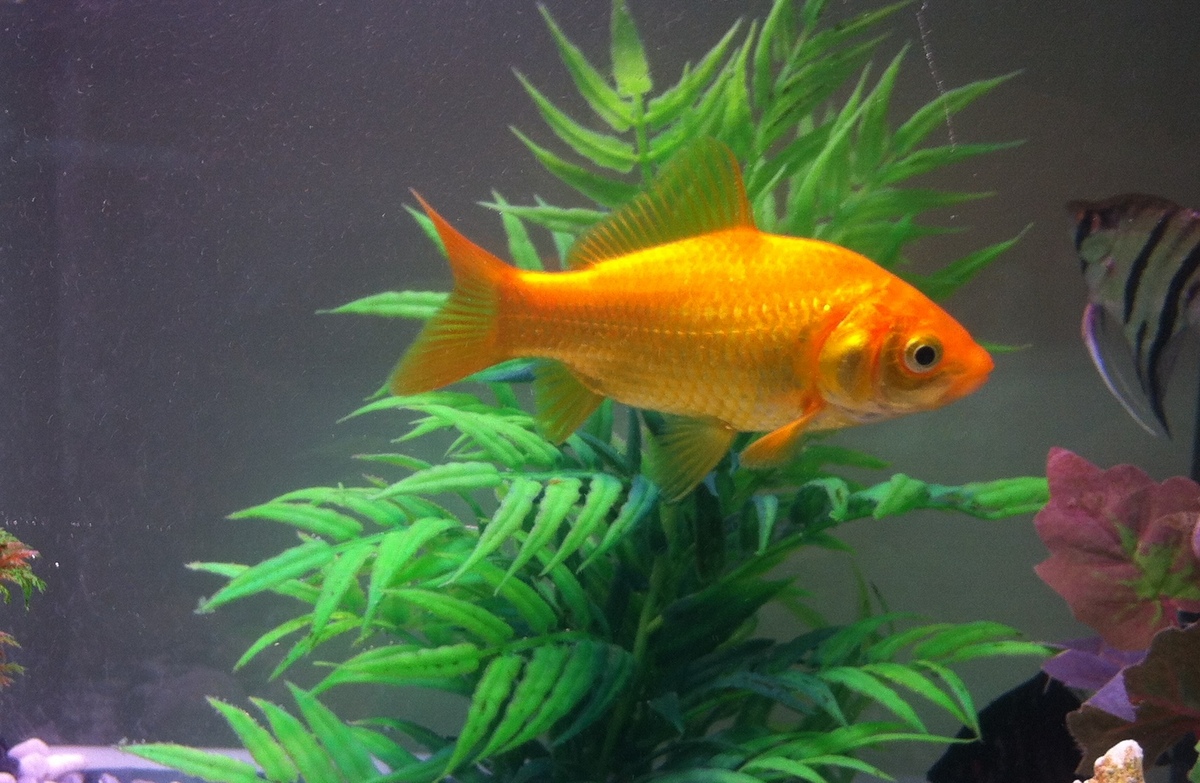
First Response to Sick Fish
When you notice a sick fish, immediately test your water for ammonia, nitrite, nitrate, and pH. Poor water quality causes or worsens most fish diseases. Often, fixing water quality alone resolves health issues. If parameters are off, perform a water change before medicating.
Signs of a Healthy Fish
Know what's normal to recognize when something is wrong.
Healthy Fish Characteristics
- Active swimming: Normal activity level for species
- Good appetite: Eagerly eats at feeding time
- Clear eyes: Bright, not cloudy or bulging
- Vibrant colors: Species-appropriate coloration
- Intact fins: No tears, ragged edges, or clamping
- Smooth scales: Flat against body, not raised
- Normal breathing: Steady gill movement, not rapid or labored
- Social behavior: Normal interaction with tankmates
General Warning Signs
These symptoms indicate something is wrong. Test water and observe closely. Your aquatic veterinarian and experienced fish owners can offer perspective tailored to your situation.
Behavioral Changes
- Lethargy: Sitting at bottom, hiding excessively
- Loss of appetite: Refusing food or spitting it out
- Gasping at surface: Indicates low oxygen or gill damage
- Flashing/scratching: Rubbing against objects (parasites)
- Isolation: Normally social fish avoiding others
- Erratic swimming: Spiraling, floating sideways, struggling
- Clamped fins: Fins held close to body instead of extended
Physical Changes
- Color changes: Fading, darkening, or unusual spots
- White spots: Salt-like appearance (ich)
- Fuzzy growths: Cotton-like patches (fungus)
- Red streaks: In fins or body (bacterial infection)
- Swelling: Bloating, raised scales (dropsy)
- Fin damage: Rotting, fraying, or holes
- Eye problems: Cloudiness, bulging (popeye)
- Sores or ulcers: Open wounds on body
Ich (White Spot Disease)
The most common aquarium fish disease, caused by the parasite Ichthyophthirius multifiliis.
- Symptoms: White spots like grains of salt, flashing, clamped fins, lethargy
- Cause: Parasitic protozoan, often triggered by stress or temperature drops
- Treatment:
- Raise temperature to 86°F (if fish can tolerate) to speed up life cycle
- Ich medications (copper-based or malachite green)
- Salt treatment (1 tablespoon per 5 gallons for salt-tolerant fish)
- Treat entire tank — parasites live in water and substrate
- Continue treatment 3-5 days after last spots disappear
- Prevention: Quarantine new fish, maintain stable temperatures, reduce stress
Fin Rot
Bacterial infection causing progressive fin destruction.
- Symptoms: Fraying, discolored, or rotting fin edges; red streaks; progressive deterioration
- Cause: Bacterial infection, usually secondary to poor water quality or injury
- Treatment:
- Improve water quality (often sufficient for mild cases)
- Frequent water changes
- Antibacterial medications for severe cases (Maracyn, Furan-2)
- Salt baths can help
- Prevention: Maintain excellent water quality, avoid aggressive tankmates
Velvet (Gold Dust Disease)
Parasitic disease similar to ich but more dangerous.
- Symptoms: Fine gold or rust dust appearance on body, clamped fins, scratching, rapid breathing
- Cause: Parasite Oodinium (freshwater) or Amyloodinium (saltwater)
- Treatment:
- Dim lights (parasite uses photosynthesis)
- Copper-based medications
- Raise temperature slightly
- Treat entire tank
- Prevention: Quarantine new fish, maintain water quality
Fungal Infections
Secondary infections often occurring on damaged tissue.
- Symptoms: White, gray, or cotton-like growths; usually on damaged areas
- Cause: Fungal spores infecting wounds or stressed fish
- Treatment:
- Antifungal medications (Pimafix, Fungus Cure)
- Salt baths
- Methylene blue dips
- Improve water quality
- Prevention: Prevent injuries, maintain water quality, handle fish carefully
Columnaris (Cotton Mouth Disease)
Often mistaken for fungus but is actually bacterial.
- Symptoms: White or gray patches (especially around mouth), frayed fins, ulcers, lethargy
- Cause: Bacteria Flavobacterium columnare; triggered by stress and poor conditions
- Treatment:
- Lower temperature slightly (bacteria thrives in warm water)
- Antibacterial medications (Furan-2, Kanaplex)
- Salt can help inhibit bacteria
- Improve water quality
- Prevention: Avoid overcrowding, maintain water quality, reduce stress
Columnaris vs. Fungus
Columnaris and fungus look similar but require different treatments. Columnaris typically progresses faster, often appears around the mouth, and affects gills. Fungus usually grows on damaged tissue. When in doubt, treat for both or use a broad-spectrum medication.
Dropsy
A symptom of internal organ failure, not a disease itself. Often fatal by the time symptoms appear.
- Symptoms: Severely bloated body, raised scales (pinecone appearance), bulging eyes, lethargy
- Cause: Internal bacterial infection, organ failure, kidney problems
- Treatment:
- Often fatal; early intervention is critical
- Epsom salt baths (reduce swelling)
- Antibacterial medications (Kanaplex in food)
- Isolate affected fish
- Improve water quality
- Prevention: Maintain excellent water quality, feed quality food, avoid stress
Swim Bladder Disease
Affects buoyancy; fish float, sink, or swim awkwardly.
- Symptoms: Floating at surface, sinking to bottom, swimming sideways or upside down
- Cause: Constipation, overfeeding, bacterial infection, birth defect, physical injury
- Treatment:
- Fast for 2-3 days
- Feed blanched, de-shelled pea (laxative effect)
- Epsom salt bath
- Maintain pristine water quality
- If bacterial, treat with antibiotics
- Prevention: Don't overfeed, soak dry foods before feeding, provide varied diet
Popeye (Exophthalmia)
One or both eyes bulging from the socket.
- Symptoms: Protruding eye(s), cloudy eyes, swelling around eye
- Cause: Injury (one eye) or internal infection/poor water quality (both eyes)
- Treatment:
- Improve water quality (often resolves mild cases)
- Epsom salt (reduces swelling)
- Antibiotics for bacterial infection (Kanaplex)
- Can take weeks to resolve
- Prevention: Maintain water quality, avoid sharp decorations
Anchor Worms
Visible parasites attached to fish body.
- Symptoms: Visible thread-like parasites protruding from body, redness at attachment site
- Cause: Copepod parasites, often introduced with live plants or new fish
- Treatment:
- Carefully remove visible worms with tweezers
- Treat wound with antiseptic
- Treat tank with parasite medication
- Multiple treatments needed to kill juveniles
- Prevention: Quarantine plants and new fish
Fish Lice
Visible parasites that look like flat discs on fish.
- Symptoms: Round, flat parasites visible on body; scratching; red spots where lice attached
- Cause: Argulus parasites, introduced with new fish or live food
- Treatment:
- Remove visible lice with tweezers
- Treat with organophosphate medications
- Treat entire tank
- Prevention: Quarantine new fish
Treatment Best Practices
Getting this right for a Fish Health is less about any specific action and more about the household doing the same informed thing every week. Generic recommendations are a reasonable starting point, but the fish you live with ultimately sets the standard.
Before Medicating
- Test water: Ammonia, nitrite, nitrate, pH
- Perform water change: 25-50% if parameters are off
- Identify the disease: Wrong medication can make things worse
- Consider quarantine: Protect other fish and use less medication
- Remove carbon: Activated carbon removes medications from water
Quarantine Tank
A small hospital tank is invaluable for treating sick fish.
- 10-20 gallons is usually sufficient
- Bare bottom (easier to clean)
- Sponge filter (gentle filtration)
- Heater to match main tank temperature
- Hiding spot to reduce stress
- Use water from main tank for similar parameters
Medication Guidelines
- Follow dosing instructions exactly
- Complete full treatment course even if fish looks better
- Watch for adverse reactions
- Some medications harm invertebrates, plants, or scaleless fish
- Don't mix medications without research
- Water changes between treatments or when changing medications
Prevention Is Key
Attention to the small behavioural signals your pet gives you beats strict protocol adherence most of the time.
Water Quality
Most diseases are stress-related, and poor water quality is the #1 stressor.
- Regular water changes (25-30% weekly)
- Test water regularly
- Don't overstock
- Don't overfeed
- Maintain stable parameters
Quarantine New Fish
Quarantine all new arrivals for 2-4 weeks before adding to main tank.
- Observe for signs of disease
- Treat any problems before introducing to established tank
- Prevents introducing diseases to healthy fish
- Use separate nets, siphons for quarantine tank
Reduce Stress
- Provide appropriate hiding places
- Maintain stable temperature
- Avoid incompatible tankmates
- Don't tap on glass or startle fish
- Keep consistent lighting schedule
- Avoid sudden parameter changes
Good Nutrition
- Feed quality food appropriate for species
- Offer variety for complete nutrition
- Don't overfeed
- Remove uneaten food
- Check food freshness and storage
When to Euthanize
Sometimes humane euthanasia is the kindest option for a suffering fish with no chance of recovery. Signs that euthanasia may be appropriate: severe dropsy, complete inability to swim, extensive body rot, or prolonged suffering despite treatment. The most humane method is clove oil overdose. Never flush live fish.
Ask the AI About Fish Health
Concerned about your fish's health? Our AI assistant can help you identify symptoms and recommend treatments. Remember to test your water first.