Fish Species Compatibility Guide
Creating a harmonious community aquarium requires careful consideration of which fish can live together peacefully. Incompatible tankmates lead to stress, aggression, injuries, and deaths. This article helps you understand compatibility factors and choose fish that will thrive together.
Key Compatibility Factors
Consider all these factors when choosing tankmates. Your aquatic veterinarian and experienced fish owners can offer perspective tailored to your situation.
Temperament
- Peaceful: Generally get along with everyone (tetras, corydoras, rasboras)
- Semi-aggressive: May nip fins or chase occasionally (barbs, some gouramis)
- Aggressive: Will attack or kill tankmates (bettas with similar fish, cichlids)
- Predatory: Will eat fish that fit in their mouth
Size
- General rule: Don't mix fish where one can fit in the other's mouth
- Research adult size: Many fish sold as juveniles get much larger
- Size disparity: Very small fish may be stressed by much larger tankmates even if not eaten
Water Parameters
- Temperature: Tropical fish (75-80°F) can't be mixed with coldwater fish (65-72°F)
- pH preferences: African cichlids (high pH) vs Amazonian fish (low pH)
- Hardness: Soft water vs hard water species
- Flexibility: Many fish adapt to a range, but extremes matter
Swimming Level
- Top dwellers: Hatchetfish, surface feeders
- Middle dwellers: Most tetras, barbs, rainbowfish
- Bottom dwellers: Corydoras, loaches, plecos
- Benefit: Mixing levels reduces competition and fills the tank visually
Diet
- Competition: Fast feeders may outcompete slow feeders
- Specialization: Some fish need specific foods (algae eaters, carnivores)
- Feeding method: Surface feeders vs bottom feeders vs grazers
Popular Peaceful Community Fish
These species are generally safe for community tanks. Your aquatic veterinarian and experienced fish owners can offer perspective tailored to your situation.
Tetras
- Neon Tetra: Peaceful schooling fish; keep 6+; sensitive to water quality
- Cardinal Tetra: Similar to neons but more robust; stunning colors
- Rummy-Nose Tetra: Excellent schooling behavior; water quality indicator
- Ember Tetra: Tiny, peaceful, great for smaller tanks
- Black Neon Tetra: Hardy, peaceful, beautiful
Note: Serpae tetras and some others can be nippy; research specific species.
Rasboras
- Harlequin Rasbora: Hardy, peaceful, beautiful; keep 6+
- Chili Rasbora: Tiny, peaceful, great for nano tanks
- Galaxy Rasbora (Celestial Pearl Danio): Stunning, peaceful, keep in groups
Livebearers
- Guppies: Colorful, active, peaceful; males flashy, females duller
- Platies: Very hardy, peaceful, many colors
- Mollies: Need slightly brackish conditions for best health; larger
- Endlers: Smaller guppy relatives, very active and colorful
Note: Livebearers breed readily; be prepared for fry or keep single sex.
Corydoras Catfish
- Peppered Cory: Hardy, great beginner cory
- Bronze Cory: Very hardy, common
- Panda Cory: Attractive, slightly more delicate
- Pygmy Cory: Tiny, great for small tanks
Keep corydoras in groups of 6+ of the same species. They are social fish that thrive in groups.
Gouramis
- Honey Gourami: Very peaceful, excellent community fish
- Pearl Gourami: Peaceful, beautiful, good size
- Sparkling Gourami: Tiny, peaceful, makes croaking sounds
Note: Some gouramis (dwarf, three-spot) can be territorial. Males may fight.
Other Peaceful Options
- White Cloud Mountain Minnows: Hardy, prefer cooler water (64-72°F)
- Cherry Barbs: Peaceful barb species, beautiful males
- Otocinclus: Tiny algae eaters, keep in groups
- Kuhli Loaches: Peaceful bottom dwellers, keep in groups
- Bristlenose Plecos: Excellent algae eaters, peaceful
Semi-Aggressive Fish
These fish can work in community tanks with careful selection and monitoring. Your aquatic veterinarian and experienced fish owners can offer perspective tailored to your situation.
Barbs
- Tiger Barbs: Active, can be nippy; keep in large groups (8+) to reduce aggression
- Rosy Barbs: Less nippy than tigers, prefer cooler water
- Odessa Barbs: Beautiful, moderately peaceful
Tips: Keep in large groups to spread aggression. Avoid long-finned tankmates (angelfish, bettas, guppies).
Dwarf Cichlids
- German Blue Ram: Beautiful but sensitive to water quality
- Bolivian Ram: Hardier than German rams
- Apistogramma: Many species; males can be territorial
Tips: Provide caves and territories. Usually peaceful with non-cichlids.
Angelfish
- Elegant, popular centerpiece fish
- Can be kept with peaceful community fish when young
- May eat small fish (neons) as adults
- Can become territorial when breeding
- Avoid fin-nipping tankmates
Aggressive/Species-Only Fish
These fish have special requirements or should be kept alone.
Betta Fish
- Males: Never with other male bettas; will fight to death
- Community potential: Some males do well with peaceful fish; others attack anything
- Avoid: Fin nippers, bright/long-finned fish, guppies, other labyrinth fish
- Potential tankmates: Corydoras, snails, calm tetras (if betta is peaceful)
- Female bettas: Can sometimes be kept in sororities (5+) but requires experience
African Cichlids
- Generally should only be kept with other African cichlids
- Species from same lake usually compatible (Malawi with Malawi)
- Overstocking often used to spread aggression
- Need hard, alkaline water
- Very different from community fish keeping
Oscars
- Large, intelligent, predatory cichlids
- Will eat anything that fits in mouth
- Need very large tanks (75+ gallons minimum)
- Can be kept with similar-sized tankmates
- Often kept as wet pets due to personality
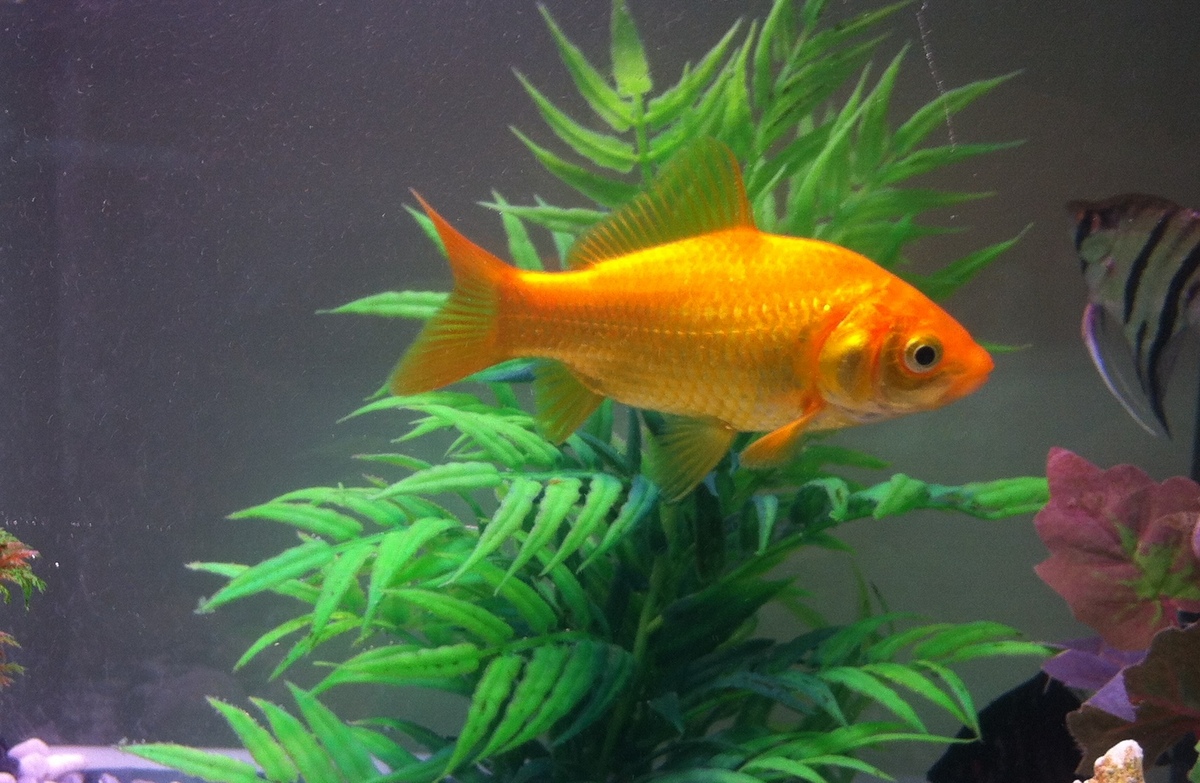
Goldfish
- Temperature: Coldwater (65-72°F) — incompatible with tropical fish
- Best with: Other goldfish of similar type
- Don't mix: Fancy goldfish with common/comet goldfish
- Tankmates: Some keep with white clouds, but temperature overlap is narrow
Common Compatibility Mistakes
- Goldfish + Tropical Fish: Different temperature needs
- Betta + Betta: Males will fight to death
- Tiger Barbs + Angelfish: Barbs will shred angel fins
- Large fish + Small fish: Small fish become food
- African Cichlids + Community Fish: Cichlids will terrorize community fish
- Plecos + Goldfish: Some plecos may attach to slow goldfish and damage them
Schooling Fish
Many fish need to be kept in groups to feel secure and display natural behavior.
- Tetras: 6+ of same species
- Rasboras: 6+ of same species
- Corydoras: 6+ of same species
- Loaches: 5-6+ depending on species
- Barbs: 6-8+ (more to spread aggression)
Single schooling fish become stressed and may act abnormally or become ill.
Fin Nippers
Avoid these with long-finned fish (bettas, fancy guppies, angelfish).
- Tiger barbs
- Serpae tetras
- Some danios
- Buenos Aires tetras
Territorial Fish
- Provide adequate space and line-of-sight breaks
- Add plants, rocks, and decorations to create territories
- Rearrange decorations when adding new fish to reset territories
- Watch for fish being bullied into corners
Shrimp and Snails
Safe with:
- Small, peaceful fish (ember tetras, chili rasboras)
- Otocinclus
- Most snails are safe with peaceful community fish
Risky with:
- Larger fish may eat shrimp
- Loaches eat snails
- Pufferfish eat both
- Cichlids may eat both
20-Gallon Peaceful Community
- 8 Neon tetras
- 6 Harlequin rasboras
- 6 Corydoras (any species)
- 1 Honey gourami OR 6 Cherry barbs
29-Gallon Community
- 12 Cardinal tetras
- 6 Corydoras
- 1 Bristlenose pleco
- 2 Pearl gouramis (pair)
- 6 Otocinclus
10-Gallon Betta Community
- 1 Male betta (peaceful individual)
- 6 Ember tetras OR 6 Pygmy corydoras
- Nerite snails (optional)
Note: Monitor betta carefully; remove if aggressive
55-Gallon South American
- 2-4 Angelfish
- 15 Rummy-nose tetras
- 8 Corydoras sterbai
- 2 German blue rams
- 1 Bristlenose pleco
Adding New Fish
Once this part of fish care clicks, the downstream choices tend to come faster and land better. Small tweaks based on how your fish actually reacts usually beat rigid adherence to a template.
Quarantine First
Quarantine new fish for 2-4 weeks before adding to main tank to prevent disease introduction.
Introduction Order
- Add peaceful fish first
- Add semi-aggressive or territorial fish last
- Adding all fish at once to a new tank can help (no established territories)
Acclimation
- Float bag to equalize temperature (15-20 minutes)
- Gradually add tank water to bag
- Net fish into tank (don't add store water)
- Dim lights for first day
- Monitor for aggression
Rearranging When Adding Fish
Rearranging decorations before adding new fish resets territories and reduces aggression from established fish defending "their" spaces.
Ask the AI About Fish Compatibility
Not sure if certain fish will get along? Our AI assistant can help you evaluate compatibility and suggest suitable tankmates.