Fish Nutrition and Feeding Guide
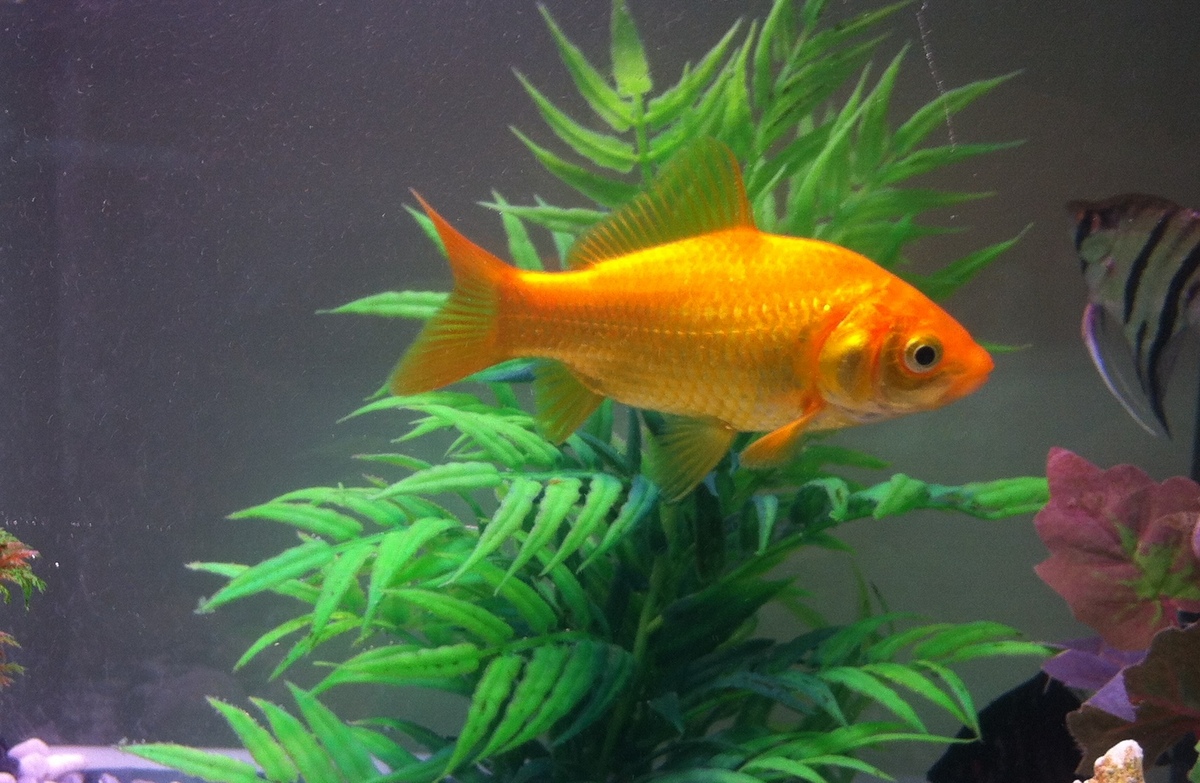
The Golden Rule of Feeding
Feed only what your fish can consume in 2-3 minutes, once or twice daily.
Fish stomachs are small. Uneaten food decomposes, releases ammonia, and degrades water quality. When in doubt, feed less.
The Dangers of Overfeeding
- Uneaten food rots and produces ammonia
- Excess waste leads to poor water quality
- Fuels algae growth
- Can cause obesity and digestive problems in fish
- Contributes to fatty liver disease
- Creates conditions for disease outbreaks
Fish can go days without food safely. Overfeeding kills more fish than underfeeding.
Carnivores
Meat-eating fish that need protein-rich foods.
- Examples: Bettas, oscars, arowana, pufferfish
- Best foods: High-protein pellets, frozen bloodworms, brine shrimp, live foods
- Protein needs: 40-50% or higher
Herbivores
Plant-eating fish that need vegetable-based foods.
- Examples: Plecos, otocinclus, silver dollars, mbuna cichlids
- Best foods: Spirulina-based foods, algae wafers, blanched vegetables
- Special needs: Need fiber; high-protein foods can cause digestive issues
Omnivores
Fish that eat both plant and animal matter — most aquarium fish.
- Examples: Tetras, barbs, guppies, goldfish, corydoras
- Best foods: Varied diet of quality flakes/pellets plus occasional treats
- Balanced approach: Staple food plus variety
Types of Fish Food
A solid grasp of this area lets you support your fish with intention rather than improvisation. Your fish will show you what works through appetite, energy, coat, and behavior, adjust based on that evidence.
Flake Food
- Best for: Surface and mid-water feeders
- Pros: Easy to use, available everywhere, good for variety of fish
- Cons: Can foul water quickly if overfed; loses nutritional value quickly
- Tips: Crush for small fish; don't pour directly from container (humidity degrades food)
Pellets
- Best for: Most fish, especially larger ones
- Pros: Less mess than flakes, sinking or floating options, longer shelf life
- Types: Micro pellets (small fish), standard, cichlid pellets (large)
- Tip: Soak pellets briefly before feeding to aid digestion
Sinking Wafers
- Best for: Bottom dwellers (corydoras, loaches, plecos)
- Types: Algae wafers, shrimp wafers, carnivore wafers
- Tips: Feed after lights out for nocturnal feeders; remove uneaten portions
Frozen Foods
- Options: Bloodworms, brine shrimp, mysis shrimp, daphnia
- Pros: Excellent nutrition, close to natural diet, fish love them
- Cons: More expensive, must be kept frozen, can foul water if overfed
- Tips: Thaw in tank water before feeding; rinse to remove phosphates
Freeze-Dried Foods
- Options: Bloodworms, tubifex worms, brine shrimp, krill
- Pros: Convenient, long shelf life, less messy than frozen
- Cons: Less nutritious than frozen; can cause constipation if fed dry
- Tips: Soak before feeding to rehydrate and prevent swim bladder issues
Live Foods
- Options: Brine shrimp, daphnia, blackworms, vinegar eels, microworms
- Pros: Triggers natural hunting behavior, excellent nutrition, great for breeding
- Cons: Can introduce disease/parasites, requires maintaining cultures
- Tips: Culture your own for safety; quarantine or rinse purchased live foods
Vegetables
- Options: Blanched zucchini, cucumber, peas, spinach, lettuce
- Best for: Herbivores, plecos, goldfish
- Preparation: Blanch (briefly boil) to soften; weight down to sink
- Peas: De-shelled, mashed peas help constipated fish
- Tips: Remove uneaten vegetables after 24 hours
Feeding Guidelines by Fish Type
Investing in their fish knowledge early is one of the cheapest insurance policies available to an owner.
Community Tropical Fish
- Frequency: Once or twice daily
- Amount: What's consumed in 2-3 minutes
- Diet: Quality flake or pellet as staple; frozen food 2-3 times weekly
- Variety: Rotate between different foods
Bettas
- Diet type: Carnivore
- Frequency: Once daily, small amount
- Best foods: Betta pellets, frozen bloodworms, brine shrimp
- Avoid: Flakes designed for other fish (low protein)
- Fasting: One fast day per week helps digestion
Goldfish
- Diet type: Omnivore, lean toward herbivore
- Frequency: 2-3 small feedings daily
- Best foods: Sinking goldfish pellets, gel foods, vegetables
- Avoid: High-protein tropical food, floating food (causes air gulping)
- Tips: Soak pellets before feeding; offer blanched peas regularly
Cichlids
- African mbuna: Herbivore; spirulina-based foods, avoid high protein
- African peacocks/haps: Omnivore/carnivore; varied diet
- South American: Varies by species (research yours)
- Tips: Match diet to species; wrong diet causes bloat in herbivorous cichlids
Plecos and Algae Eaters
- Diet type: Herbivore (mostly)
- Foods: Algae wafers, sinking veggie wafers, blanched vegetables
- Note: Algae in tank is rarely enough; supplement diet
- Timing: Feed after lights out (nocturnal feeders)
Corydoras
- Diet type: Omnivore (bottom feeder)
- Foods: Sinking pellets/wafers, frozen bloodworms
- Note: Don't rely on them cleaning up leftovers — feed directly
- Tips: Feed after lights dim; ensure food reaches bottom
Shrimp
- Diet type: Omnivore/detritivore
- Foods: Shrimp pellets, biofilm, blanched vegetables, algae
- Note: Need calcium for molting (mineral supplements helpful)
- Tips: Feed sparingly; shrimp graze naturally on biofilm
General Recommendations
- Adults: Once or twice daily
- Fry (babies): 3-4 times daily in small amounts
- Fast day: Consider one day without food weekly (aids digestion)
- Consistency: Feed at the same times each day
How Much to Feed
Fish stomachs are approximately the size of their eye. Use this as a rough guide.
- Observe how quickly food is consumed
- If food remains after 3 minutes, you're feeding too much
- Adjust portions until all food is eaten promptly
- Better to underfeed slightly than overfeed
Vacation Feeding
- Short trips (2-3 days): Fish can safely fast
- Week or longer: Use automatic feeder (test before leaving)
- Avoid: Vacation feeder blocks (foul water, unreliable release)
- Better option: Trusted person to feed (demonstrate portions)
What to Look for in Fish Food
- Protein source: Whole fish or fish meal should be first ingredient
- Appropriate protein level: Match to fish type (carnivore vs herbivore)
- Limited fillers: Avoid foods where wheat or soy is first ingredient
- No artificial colors: Quality food doesn't need dyes
- Fresh: Check expiration dates; food loses nutrition over time
Protein Levels by Fish Type
- Carnivores: 40-50% protein
- Omnivores: 30-40% protein
- Herbivores: 15-30% protein (higher fiber, spirulina)
Important Nutrients
- Protein: Growth, tissue repair
- Fats: Energy, vitamin absorption
- Vitamins: C (immune system), A, D, E
- Fiber: Digestive health
- Carotenoids: Color enhancement (spirulina, astaxanthin)
Common Feeding Mistakes
Generic guidance is a floor; it is your fish-specific nuance that raises the ceiling on outcomes.
Overfeeding
- Most common mistake in fishkeeping
- Causes water quality problems
- Leads to obese, unhealthy fish
- Solution: Feed less, remove uneaten food
Poor Variety
- Single food source leads to nutritional deficiencies
- Fish benefit from varied diet like humans
- Solution: Rotate between 2-3 staple foods, supplement with treats
Wrong Food Type
- Feeding carnivore food to herbivores (bloat risk)
- Feeding low-protein food to carnivores (malnutrition)
- Solution: Research your specific fish's dietary needs
Forgetting Bottom Feeders
- Plecos and corydoras can't survive on scraps alone
- They need targeted feeding with sinking foods
- Solution: Feed after lights dim with sinking wafers
Feeding Dry Food Only
- Dry food can cause constipation and swim bladder issues
- Pre-soaking helps but variety is better
- Solution: Include frozen foods, vegetables in rotation
Enhancing Color Through Diet
- Carotenoid-rich foods: Spirulina, astaxanthin enhance reds and oranges
- Color-enhancing foods: Many commercial foods contain color enhancers
- Natural sources: Brine shrimp, bloodworms naturally enhance color
- Note: Good color also depends on water quality, health, and genetics
Storing Fish Food
- Keep in cool, dry place away from heat and sunlight
- Close containers tightly after use
- Don't dip wet hands into food containers
- Replace flake food every 6 months (nutrition degrades)
- Keep frozen food frozen until use
- Smaller containers used quickly are better than large ones
Ask the AI About Fish Nutrition
Have questions about feeding your specific fish species or dietary concerns? Our AI assistant can provide personalized guidance.