Complete Aquarium Starter Guide
Starting an aquarium is an exciting journey into a captivating underwater world. However, successful fishkeeping requires understanding some fundamental principles before adding any fish. This resource covers everything you need to know to set up a healthy, thriving freshwater aquarium.
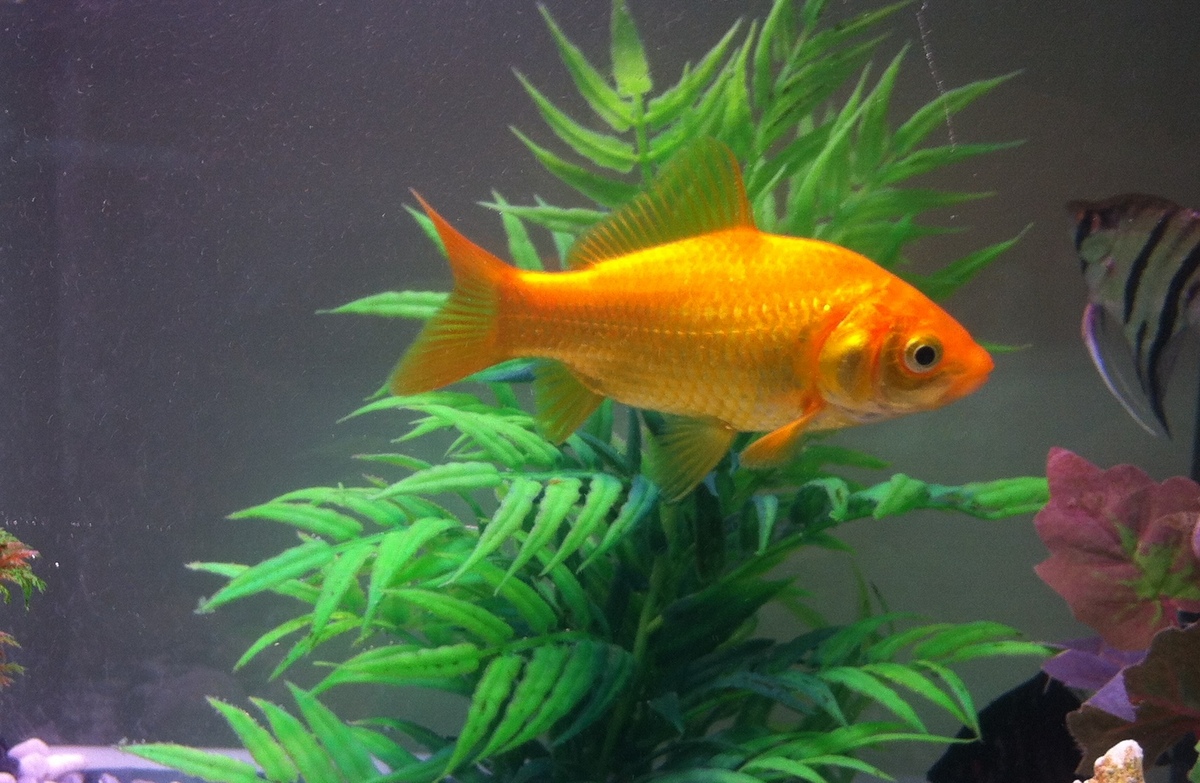
Before You Buy Fish
The most common mistake new aquarists make is buying fish too soon. A new aquarium needs time to establish beneficial bacteria through a process called cycling. Fish added to an uncycled tank often die from ammonia poisoning.
The Golden Rules
- Cycle your tank first: This takes 4-8 weeks
- Bigger is easier: Larger tanks are more stable and forgiving
- Research before buying: Each species has specific needs
- Test your water: Regular testing prevents problems
- Patience is essential: Rushing causes failures
Tank Size
For beginners, we strongly recommend starting with at least 20 gallons.
- 10 gallons: Minimum practical size; limited fish options, less stable
- 20 gallons: Good starter size; more fish options, easier to maintain
- 29-40 gallons: Excellent for beginners; very stable, many options
- 55+ gallons: Maximum stability; requires more space and budget
Why bigger is better: Larger water volume dilutes toxins, maintains temperature better, and gives fish more swimming space.
Tank Shape
- Standard rectangles: Best gas exchange, most fish options
- Long tanks: Great for active swimmers
- Tall tanks: Limited swimming space; fewer fish options
- Bowls: Not suitable for most fish (poor oxygenation, no filter)
Tank Placement
- Sturdy, level surface that can support the weight (water weighs ~8.3 lbs/gallon)
- Away from direct sunlight (causes algae problems)
- Away from heating/cooling vents
- Near electrical outlet for equipment
- Close to water source for water changes
- Where you can enjoy watching it
Essential Equipment
Personalization beats protocol: the more the routine reflects this your fish, the better the outcomes.
Filtration
A filter is essential — it removes waste and houses beneficial bacteria that process toxins.
- Hang-on-back (HOB) filters: Easy to use and maintain; great for beginners
- Sponge filters: Gentle flow; good for shrimp, fry, or betta tanks
- Canister filters: Powerful, quiet; better for larger tanks
- Filter sizing: Choose filter rated for your tank size or slightly larger
Heater
Most tropical fish need water heated to 75-80°F. Even "room temperature" varies too much for fish comfort.
- Wattage: 3-5 watts per gallon is standard
- Adjustable heaters: Preferred over preset heaters
- Placement: Near filter outflow for even distribution
- Thermometer: Always verify heater is working correctly
Lighting
- LED lights: Energy efficient, long-lasting, low heat
- For fish-only tanks: Lighting is mainly aesthetic
- For planted tanks: Need appropriate spectrum and intensity
- Timer recommended: 8-10 hours of light per day
Substrate
- Gravel: Easy to clean, good for most setups
- Sand: Natural look, good for bottom-dwellers (corydoras, loaches)
- Plant substrates: Nutrient-rich for planted tanks
- Bare bottom: Easiest to clean; not aesthetic
- Depth: 1-2 inches for gravel; 2-3 inches for plants
Testing Supplies
- Water test kit: Essential for monitoring ammonia, nitrite, nitrate, and pH
- Liquid test kits: More accurate than strips
- API Freshwater Master Test Kit: Industry standard for beginners
The Nitrogen Cycle
Understanding the nitrogen cycle is the most important concept in fishkeeping. It's why you must cycle your tank before adding fish.
How It Works
- Ammonia (NH3): Produced by fish waste, uneaten food, and decaying matter — highly toxic
- Nitrite (NO2): Beneficial bacteria convert ammonia to nitrite — also highly toxic
- Nitrate (NO3): Different bacteria convert nitrite to nitrate — less toxic, removed by water changes
Why Cycling Matters
- New tanks have no beneficial bacteria
- Without bacteria, ammonia and nitrite build up rapidly
- Fish exposed to ammonia/nitrite suffer burns, stress, disease, and death
- "New Tank Syndrome" kills most beginner fish
Don't Skip Cycling
Ammonia and nitrite are invisible killers. Fish may look fine initially, then suddenly sicken and die. "My fish died for no reason" is almost always uncycled tank or water quality problems. Always cycle before adding fish.
How to Cycle Your Tank (Fishless Cycling)
- Set up tank: Add substrate, equipment, decorations, fill with dechlorinated water
- Add ammonia source: Pure ammonia, fish food, or commercial bacteria starter
- Test regularly: Watch ammonia rise, then fall; nitrite rise, then fall; nitrate rise
- Wait for completion: Tank is cycled when ammonia and nitrite reach 0 within 24 hours of adding ammonia
- Timeline: Usually 4-8 weeks; patience is essential
Speeding Up the Cycle
- Use filter media from an established tank
- Add bottled beneficial bacteria (helps but doesn't replace cycling)
- Keep temperature around 80°F (bacteria reproduce faster)
- Ensure good oxygenation
Adding Fish
Once your tank is cycled, you can carefully add fish. Your aquatic veterinarian and experienced fish owners can offer perspective tailored to your situation.
Stocking Guidelines
- General rule: 1 inch of fish per 1-2 gallons (very rough guideline)
- Better approach: Research each species' space requirements
- Add slowly: A few fish at a time, waiting 2 weeks between additions
- Don't overstock: More fish = more waste = more problems
Choosing Beginner-Friendly Fish
- Betta fish: Beautiful, interactive; must be kept alone or with careful tankmates
- Guppies: Colorful, active, easy to breed
- Platies: Hardy, peaceful, many colors
- Corydoras catfish: Peaceful bottom-dwellers, keep in groups of 6+
- Neon/cardinal tetras: Stunning schooling fish, keep in groups of 6+
- Cherry barbs: Hardy, peaceful, beautiful
- Honey gourami: Peaceful, good centerpiece fish
Acclimating New Fish
- Float sealed bag in tank for 15-20 minutes (equalizes temperature)
- Open bag and add small amounts of tank water every 5 minutes for 20-30 minutes
- Net fish and release into tank (don't add store water to your tank)
- Keep lights dim for first day to reduce stress
- Don't feed for 24 hours
Water Quality Basics
The Fish Aquarium Starter households that do well on this dimension are the ones quietly repeating informed choices, not chasing perfection. Let the fish in front of you, not an idealized version, drive the pace of any new routine.
Key Parameters
- Ammonia: Should always be 0 ppm
- Nitrite: Should always be 0 ppm
- Nitrate: Keep below 20-40 ppm through water changes
- pH: 6.5-7.5 for most tropical fish; stability matters more than exact number
- Temperature: 75-80°F for most tropical fish
Water Changes
Regular water changes are the foundation of a healthy aquarium.
- Frequency: 25-30% weekly is standard
- Use dechlorinator: Tap water contains chlorine/chloramine that kills fish and bacteria
- Match temperature: New water should be close to tank temperature
- Vacuum substrate: Remove debris during water changes
Tap Water Treatment
- Always use water conditioner (dechlorinator) when adding tap water
- Popular brands: Seachem Prime, API Stress Coat
- Follow dosing instructions carefully
Never Add Untreated Tap Water
Chlorine and chloramine in tap water are toxic to fish and kill beneficial bacteria. Always treat tap water with a water conditioner before adding to your tank, even for small top-offs.
Basic Feeding Guidelines
- Amount: Only what fish can eat in 2-3 minutes
- Frequency: Once or twice daily for most fish
- Overfeeding: Most common mistake; causes water quality problems
- Variety: Offer different foods for complete nutrition
Food Types
- Flakes: Good staple for most fish
- Pellets: Less mess than flakes; different sizes available
- Sinking pellets: For bottom-dwellers (corydoras, loaches)
- Frozen foods: Bloodworms, brine shrimp for variety
- Freeze-dried: Convenient alternative to frozen
- Vegetables: Blanched zucchini, peas for herbivorous fish
Routine Maintenance
The quality of care decisions rises when their fish is treated as a specific species, not a stand-in for all pets.
Daily
- Check fish for health and count them
- Verify equipment is working (heater, filter)
- Check temperature
- Feed appropriately
- Remove any uneaten food
Weekly
- Test water parameters (especially in new tanks)
- Perform 25-30% water change
- Vacuum substrate
- Clean algae from glass if needed
- Trim any dead plant leaves
Monthly
- Rinse filter media in old tank water (never tap water)
- Replace filter cartridges if needed (but keep some old media for bacteria)
- Check all equipment function
- Clean any heavily soiled decorations
Common Beginner Mistakes
- Not cycling: Adding fish to uncycled tanks kills them
- Overstocking: Too many fish = poor water quality
- Overfeeding: Uneaten food fouls water
- Tank too small: Small tanks are unstable and limit options
- Incompatible fish: Research before mixing species
- Not testing water: Problems are invisible until fish get sick
- Changing too much water at once: 50%+ changes can shock fish
- Replacing all filter media: Kills beneficial bacteria
- Adding too many fish at once: Overwhelms the cycle
Signs of Water Quality Problems
Watch for: fish gasping at surface, fish sitting on bottom, red or inflamed gills, loss of appetite, clamped fins, unusual hiding. Test water immediately if you notice these symptoms. High ammonia or nitrite requires immediate partial water changes.
Troubleshooting
Applying breed history to daily decisions — what to feed, how much to exercise, how to structure enrichment — consistently improves long-term health trajectories.
Cloudy Water
- New tank (white/gray): Bacterial bloom; usually clears on its own
- Green water: Algae bloom; reduce light, check nutrients
- After water change: May be air bubbles; should clear quickly
Algae
- Reduce lighting duration (8-10 hours max)
- Keep tank away from direct sunlight
- Don't overfeed
- Maintain water changes
- Consider algae-eating fish or snails once tank is established
Fish Acting Stressed
- Test water parameters immediately
- Check temperature
- Look for signs of disease
- Consider if anything changed recently
- Perform water change if ammonia/nitrite detected
Ask the AI About Your Aquarium
Have questions about aquarium setup, cycling, or fish care? Our AI assistant can provide personalized guidance for your aquatic adventure.