Swedish Vallhund
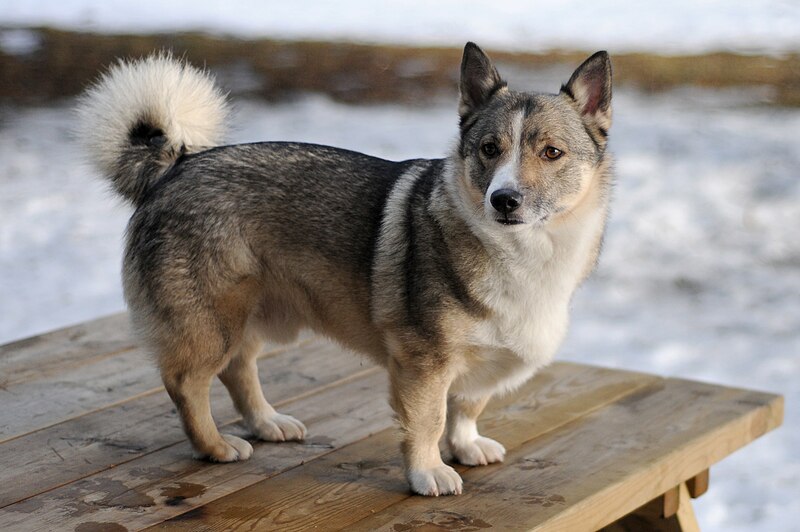
Quick Facts
| Attribute | Details |
|---|---|
| Breed Group | Herding |
| Size | Small to Medium (20-35 lbs) |
| Height | 11-14 in |
| Lifespan | 12-15 years |
| Temperament | Friendly, Energetic, Watchful |
| Good with Kids | Good |
| Shedding | Moderate |
| Exercise Needs | High |
| Grooming Needs | Moderate |
Recommended for Swedish Vallhunds
Your veterinarian knows your Swedish Vallhund best — always verify dietary choices with them, especially if your dog has existing health conditions.
Swedish Vallhund Overview
The Swedish Vallhund is a small to medium herding breed known for being friendly, energetic, watchful. Weighing 20-35 lbs and standing 11-14 in tall, this breed combines an appealing appearance with a wonderful temperament that has made it a favorite among dog enthusiasts worldwide. With a lifespan of 12-15 years, the Swedish Vallhund offers years of loyal companionship.
Originally developed for herding livestock with intelligence and agility, the Swedish Vallhund has evolved into an excellent family companion while retaining many of its original instincts and abilities.
Swedish Vallhunds are good family dogs that do well with respectful children. Their friendly nature makes them ideal for active families who enjoy outdoor activities.
The Swedish Vallhund is a breed that commands attention not just for its physical appearance but for the depth of personality and capability it brings to a household. With a lifespan averaging 12-15 years, the decision to welcome a Swedish Vallhund into your family is one that will shape your daily routine, activity levels, and emotional life for well over a decade. This breed's friendly, energetic, watchful temperament is the product of generations of selective breeding for specific traits—understanding this heritage provides valuable insight into why your Swedish Vallhund behaves the way it does and what it needs from you as an owner to truly thrive.
Living well with a Swedish Vallhund starts with understanding what drives their behavior. The habits, energy patterns, and social needs that define them aren't obstacles — they're the essence of the animal, and working with those traits rather than against them makes all the difference.
The honest way to read this guide: a Swedish Vallhund is less a pet you add to your life and more a routine your life reshapes around. The owners who thrive with this breed usually expect that reshape before it happens.
Temperament & Personality
Swedish Vallhunds have a distinctive personality that endears them to their owners: Your veterinarian and experienced Swedish Vallhund owners can offer perspective tailored to your situation.
- Friendly: This defining trait makes the Swedish Vallhund a standout companion that bonds deeply with their family.
- Energetic: Their energetic nature means they are always eager to please and participate in family activities.
- Watchful: Swedish Vallhunds show remarkable watchful in various situations and environments.
- Family-Oriented: They thrive on human companionship and form strong bonds with all family members.
- Alert: Swedish Vallhunds are naturally watchful and will alert their families to unusual activity.
- Energetic: Their energy level is high, requiring regular daily exercise and activities.
- Social: Swedish Vallhunds can be selective with strangers but warm up with proper introductions.
- Trainable: Their intelligence makes training enjoyable and rewarding for both dog and owner.
The friendly, energetic, watchful nature of the Swedish Vallhund is not a simple personality label—it is a complex behavioral profile shaped by breed history, individual genetics, early socialization experiences, and ongoing environmental factors. What this means in practice is that two Swedish Vallhund from different lines, raised in different environments, can display meaningfully different behavioral tendencies while still sharing core breed characteristics. Understanding this distinction helps owners set realistic expectations and develop training strategies tailored to their individual dog rather than relying solely on breed generalizations.
Common Health Issues
Swedish Vallhunds are generally healthy dogs, but like all breeds, they can be prone to certain conditions.
joint and skeletal conditions
- Hip Dysplasia: A common concern in small breeds. Regular screening and maintaining healthy weight helps manage this condition.
- Progressive Retinal Atrophy: Can affect Swedish Vallhunds, particularly as they age. Early detection through regular vet visits is important.
hereditary conditions including potential eye, dental, and metabolic issues
- Epilepsy: Swedish Vallhund owners should be aware of this condition and discuss prevention strategies with their veterinarian.
- Collie Eye Anomaly: Regular health screening helps catch this condition early when it is most treatable.
- MDR1 gene sensitivity: A breed-relevant concern that responsible breeders screen for.
Preventive care pays off most when the same clinic sees your Swedish Vallhund year after year. Trends in weight, bloodwork, and behavior only make sense when someone has a baseline to compare against.
Cost of Ownership
Understanding the full cost of Swedish Vallhund ownership helps you prepare financially.
| Expense Category | Annual Cost Estimate |
|---|---|
| Food (premium quality) | $300-$600 |
| Veterinary Care (routine) | $300-$600 |
| Pet Insurance | $300-$600 |
| Grooming | $100-$300 |
| Training (first year) | $200-$500 |
| Supplies & Toys | $150-$300 |
| Total Annual Cost | $1,350-$4,000 |
Swedish Vallhunds are a hardy breed with relatively modest care costs, but their high energy level means regular exercise and mental stimulation are non-negotiable — expenses like training classes and interactive toys should be in the budget. Owners should plan for genetic eye testing and retinal screenings, as progressive retinal atrophy is a known concern in the breed. Vet care, quality food, and preventive testing are the core ongoing investments.
Your Swedish Vallhund's first year will be the most expensive. Between the initial vet visits, supplies, and getting everything set up, costs are front-loaded. The good news is that ongoing expenses settle into a manageable pattern of food, routine care, and periodic replacements.
Skipping an annual checkup because your Swedish Vallhund "seems fine" is the most common way expensive problems get missed. Most conditions this breed is prone to develop quietly — the vet notices before you do.
Exercise & Activity Requirements
Swedish Vallhunds have high exercise needs.
- Daily Exercise: 1-2 hours of active exercise including walks, play, and mental stimulation.
- Mental Stimulation: Puzzle toys, training sessions, and interactive games are essential for this intelligent breed.
- Activities: Thrives in herding trials, agility, obedience, and rally.
- Socialization: Regular interaction with other dogs and people keeps your Swedish Vallhund well-adjusted.
- Age Considerations: Puppies need controlled exercise to protect developing joints; seniors benefit from gentler activity.
Training Tips for Swedish Vallhunds
Training a Swedish Vallhund is generally enjoyable thanks to their willing nature: Your veterinarian and experienced Swedish Vallhund owners can offer perspective tailored to your situation.
- Positive Reinforcement: Use treats, praise, and play as rewards for desired behaviors.
- Consistency: Establish clear rules and maintain them across all family members.
- Early Socialization: Expose your Swedish Vallhund to various people, animals, sounds, and environments from puppyhood.
- Short Sessions: Keep training sessions to 10-15 minutes for maximum effectiveness.
- Patience: While eager to please, every dog learns at their own pace.
- Professional Help: Consider professional training classes, especially for first-time Swedish Vallhund owners.
Nutrition & Feeding
Proper nutrition is essential for your Swedish Vallhund's health.
- High-Quality Food: Choose foods with named meat proteins as the primary ingredient, appropriate for small breeds.
- Portion Control: Follow feeding guidelines based on ideal weight and adjust based on activity level.
- Life Stage: Feed puppy formula until 12 months, then transition to adult food.
- Meal Schedule: Two measured meals daily for adults; three meals for puppies.
- Fresh Water: Always provide access to clean, fresh water.
- Treats: Keep treats to 10% or less of daily caloric intake.
Top Food Choices for Swedish Vallhunds
The Farmer's Dog - Pre-portioned fresh meals | Ollie - Custom meals for small breeds | Hill's Science Diet - Vet-recommended nutrition
Choosing the right food for your Swedish Vallhund involves more substance than marketing. Flashy ingredient lists matter less than whether the nutritional profile matches your Swedish Vallhund's life stage, size, and activity level. Pay attention to how your Swedish Vallhund responds — coat condition, energy, digestion, and weight stability are the real indicators of whether a food is working.
Grooming Requirements
Swedish Vallhunds have moderate grooming needs.
- Brushing: Brush 2-3 times weekly to remove loose hair and maintain coat health.
- Bathing: Every 4-8 weeks or as needed.
- Nail Trimming: Every 2-3 weeks to prevent overgrowth.
- Dental Care: Brush teeth several times weekly to prevent dental disease.
- Ear Cleaning: Check and clean ears weekly, especially if ears are floppy.
- Shedding: Moderate shedding throughout the year.
Is a Swedish Vallhund Right for You?
Swedish Vallhund ownership includes several low-visibility activities whose compound effect exceeds their individual profile.
Swedish Vallhunds Are Great For:
- Families with older, respectful children
- Active individuals and families who enjoy outdoor adventures
- Experienced dog owners who can provide firm, consistent leadership
- Those looking for a friendly and devoted companion
- People who can commit to basic grooming needs
Swedish Vallhunds May Not Be Ideal For:
- Owners unable to provide adequate exercise despite small size
- Sedentary owners or those with limited time for exercise
- Those who cannot tolerate any shedding
- People who leave their dogs alone for extended periods
Ask Our AI About Swedish Vallhunds
Households that learn this layer of Swedish Vallhund care early rarely find themselves making high-pressure decisions about it later. A little back and forth is expected, a Swedish Vallhund tends to signal clearly when something fits and when it does not.
Get Personalized AI Guidance
Ask Our AI NowThe question is not "is a Swedish Vallhund the right dog?" in the abstract — it is whether a Swedish Vallhund is right for your specific household, schedule, and budget right now. Circumstances change, and what works at one stage of life may not work at another. If the fit is there today and you can plan for the 12-15 years commitment, go for it. If not, revisit the idea later rather than rushing in unprepared.
Life with a Swedish Vallhund settles into a rhythm that most owners come to genuinely enjoy. The daily routines of care, exercise, and interaction become part of the fabric of your household rather than a burden.