Doberman Pinscher Health Guide
This page is educational reference material for preparing questions. A licensed veterinarian examines the animal, makes the diagnosis, and sets the treatment.
Health issues in Doberman Pinschers including DCM, Wobbler syndrome, von Willebrand disease, and hypothyroidism. Covers cardiac screening.
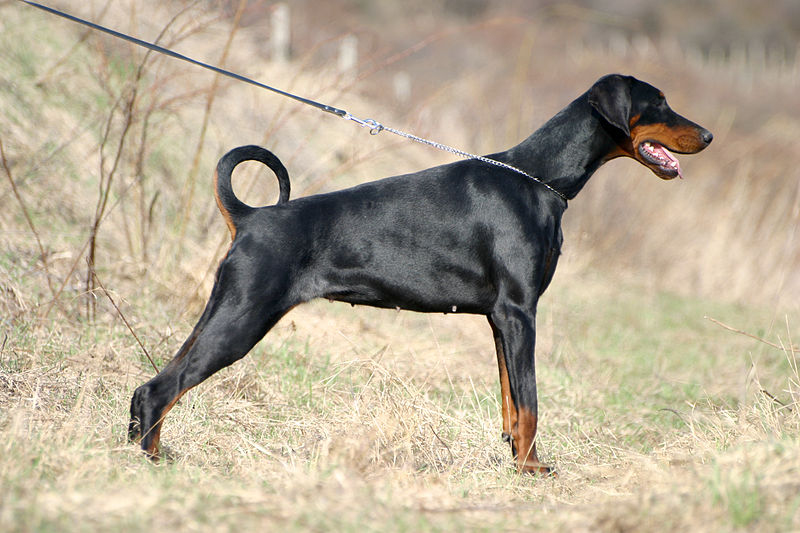
Genetic Predispositions
A brief conversation with your veterinarian translates this general pet framework into a plan that fits the individual animal.
Orthopedic Issues
- Joint and bone conditions common to the breed's body structure
- Weight management is critical for reducing orthopedic stress
- Appropriate exercise levels help maintain joint health without overloading
- Screening tests available for many genetic orthopedic conditions
Cardiac Concerns
- Breed-specific heart conditions that may develop with age
- Annual cardiac screening recommended for at-risk breeds
- Early detection allows for medication that can slow progression
Skin and Coat Conditions
- Allergies and dermatitis common in many breeds
- Proper grooming and nutrition help prevent skin issues
- Environmental and food allergy testing available
Recommended Screenings
Breed-specific health screenings help identify genetic conditions early.
| Test | When | Why |
|---|---|---|
| Hip/Elbow Evaluation | 12-24 months | Screen for dysplasia |
| Cardiac Exam | Annual | Detect heart conditions |
| Eye Exam (CERF) | Annual | Screen for eye diseases |
| DNA Testing | Any age | Identify genetic risk factors |
| Blood Panel | Annual (biannual 7+) | Monitor organ function |
Nutrition for Health
Proper nutrition is foundational to breed health.
- Choose food formulated for your breed's size category (small, medium, large, or giant)
- Consider breed-specific formulas that address common health concerns
- Joint supplements (glucosamine, chondroitin, omega-3s) for breeds prone to orthopedic issues
- Appropriate calorie levels to maintain ideal body condition
- Fresh food diets can address specific health needs with veterinary guidance
Exercise Guidelines
- Exercise intensity and duration should match breed energy levels and physical capabilities
- Avoid high-impact exercise in puppies until growth plates close
- Swimming is excellent low-impact exercise for breeds prone to joint issues
- Mental enrichment is just as important as physical exercise
- Senior pets benefit from gentle, consistent activity to maintain mobility
What is the best insurance for this breed?
Dilated cardiomyopathy recorded on an echocardiogram or a Holter before the policy date is the exclusion that matters, and a PDK4 or TTN report does not replace that date. Von Willebrand disease already confirmed by DNA is a bleeding problem already on the record. Enroll while the heart studies are still normal, then confirm the hereditary wording covers drugs and monitoring that begin after the waiting period.
Should I do genetic testing?
Doberman dilated cardiomyopathy is not ruled out by one gene. Research markers such as PDK4 and a TTN variant are risk clues. North Carolina State and cardiology groups still want an echocardiogram and a Holter monitor, because a dog can die of arrhythmia with a 'clear' panel. von Willebrand disease type 1 is a DNA test that is actually decisive for bleeding risk in this breed. Hips and a thyroid panel are the other routine screens. Buy the Holter before you buy a bigger genetic bundle.