Doberman Pinscher
The vet's role is to adapt general pet guidance into something calibrated to your animal's actual profile.
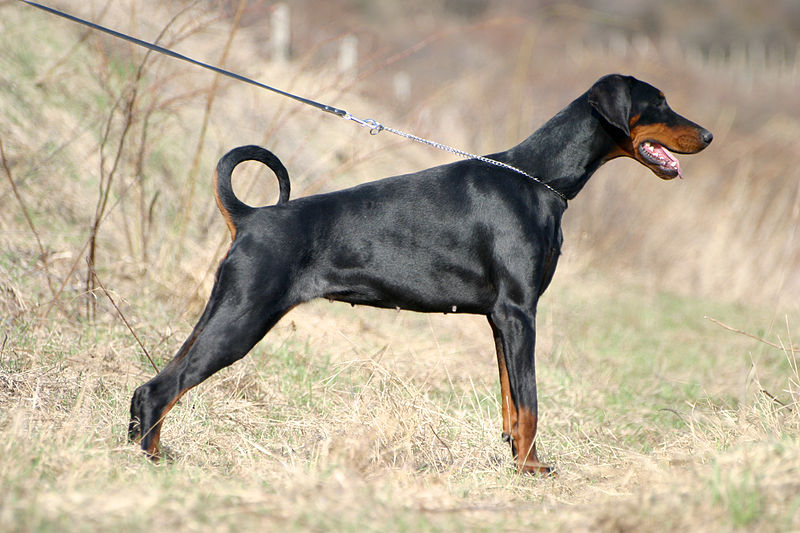
Finding a Doberman Pinscher to Adopt
Dobermans end up in rescue for a few recurring reasons: they are too much dog for first-time owners, breed-specific legislation forces surrenders in some areas, and their intense need for human companionship does not mix well with owners who work 12-hour days. The good news is that many surrendered Dobermans are well-bred dogs that just landed in the wrong household.
The Doberman Pinscher Club of America Rescue Network coordinates placements nationwide, and regional rescues like Doberman Rescue Unlimited and Mid-Atlantic Doberman Pinscher Rescue evaluate each dog's temperament, health, and training level before matching them with adopters.
Genetic Health Considerations: The Doberman Pinscher breed has documented susceptibility to dilated cardiomyopathy, von Willebrand disease, hip dysplasia. Awareness of these predispositions is valuable for two reasons: it guides preventive screening decisions, and it helps you recognize early symptoms that might otherwise be overlooked.
Breed-Specific Rescues
Foster-based rescues give you the most useful information about a Doberman's personality. They can tell you whether the dog is good with children, tolerates cats, has separation anxiety, or has any dog-selectivity issues. This matters enormously with a breed that bonds deeply and can be protective of its family.
- Size: large (60-100 lbs)
- Energy Level: High
- Shedding: Light
- Common Health Issues: Dilated Cardiomyopathy, Von Willebrand Disease, Hip Dysplasia
- Lifespan: 10-12 yrs
Shelter Adoption
Shelters often have Doberman mixes and occasionally purebreds. Check breed-specific listings on Petfinder and the DPCA rescue directory. Ask shelter staff about the dog's behavior with handlers -- a Doberman that is friendly and wiggly with staff is a very different prospect from one that is fearful or stiff.
Shelter adoption fees run $150-$400. Breed rescues charge $400-$700 and typically include cardiac screening (an echocardiogram or at minimum an auscultation), which is critical for a breed with a high incidence of dilated cardiomyopathy. That screening alone can cost $300-$600 independently.
What to Expect
Dobermans are velcro dogs. They want to be touching you, watching you, or in the same room as you at all times. They are athletic, smart, and learn household routines within days. They also have a serious side -- they naturally monitor their environment and will alert you to anything out of the ordinary. That alertness is not aggression; it is the breed doing what it was designed to do.
- Daily exercise should total 60-120 minutes, split between physical activity and mental challenges
- Feed a high-quality diet formulated for large breed dogs (1,400–2,200 calories/day)
- Maintain a weekly grooming routine
- Schedule breed-appropriate health screenings for dilated cardiomyopathy
- Insurance purchased pre-diagnosis gives you the fullest set of covered conditions and the best renewal pricing.
Preparing Your Home
Dobermans are sensitive to cold because of their thin coat and low body fat. If you live somewhere with real winters, budget for a dog coat and limit outdoor time in freezing weather. They are not outdoor dogs and should live inside with the family.
Check your homeowner's insurance and local ordinances before adopting. Some insurance companies and municipalities restrict or ban Dobermans. Getting this sorted before bringing the dog home avoids heartbreak.
Provide a comfortable bed or crate in a central location. Dobermans want to be near their people even when resting. Banishing them to a back room creates anxiety that manifests as destructive behavior or excessive barking.
First Days Home
Dobermans bond intensely and quickly, but that bond can flip into separation anxiety if you are not careful. During the first few weeks, practice leaving and returning at random intervals. Start with a few minutes and gradually extend. Do not make departures emotional -- just pick up your keys and leave matter-of-factly.
A rescued Doberman may test boundaries in the first month. They are smart enough to figure out what they can get away with, and they will push gently to find the limits. Stay consistent with house rules from day one.
Schedule a vet visit within the first week. For a Doberman, the priorities are a cardiac evaluation (listen for murmurs and discuss echocardiography scheduling), a von Willebrand disease test if not already done, and a thyroid panel. These are the three areas where Dobermans face the most significant health risks, and early baselines save lives.
Veterinary Care Schedule for Doberman Pinschers
| Life Stage | Visit Frequency | Key Screenings |
|---|---|---|
| Puppy (0-1 year) | Every 3-4 weeks until 16 weeks, then at 6 and 12 months | Vaccinations, deworming, spay/neuter (consult AVMA guidelines on optimal timing) consultation |
| Adult (1-7 years) | Annually | Physical exam, dental check, heartworm test, vaccination boosters |
| Senior (7+ years) | Every 6 months | Blood work, urinalysis, Dilated Cardiomyopathy screening, Von Willebrand Disease screening, Hip Dysplasia screening |
Doberman Pinschers should receive breed-specific screening for dilated cardiomyopathy starting at 1-2 years of age, as large breeds develop structural issues early. Catching problems early gives you more treatment options and better odds.
Cost of Doberman Pinscher Ownership
- Annual food costs: $600–$1,200 for high-quality dog food
- Veterinary care: $300–$700 annually for routine visits, plus potential emergency costs
- Grooming: $65–100 per professional session (weekly home grooming recommended)
- Pet insurance: $50–80/month for comprehensive coverage
- Supplies and toys: $200–$500 annually for bedding, toys, leashes, and other essentials
More Doberman Pinscher Guides
Dig deeper into care topics for Doberman Pinscher .
- Doberman Pinscher Diet & Nutrition Guide
- Doberman Pinscher Pet Insurance Cost
- How to Train a Doberman Pinscher
- Doberman Pinscher Grooming Guide
- Doberman Pinscher Health Issues
- Doberman Pinscher Temperament & Personality
- Doberman Pinscher Exercise Needs
- Doberman Pinscher Cost of Ownership
Hip and Joint Health Management
This is one of those topics where a few minutes of learning genuinely changes how you interact with your pet every day afterwards. Let the pet in front of you, not an idealized version, drive the pace of any new routine.
Cardiac Health Monitoring
Cardiac conditions in the Doberman Pinscher warrant ongoing monitoring beyond standard annual examinations. Dilated cardiomyopathy (DCM) screening via echocardiography and Holter monitoring should begin by age 2-3 years, as the American College of Veterinary Internal Medicine (ACVIM) consensus statement recommends for at-risk breeds. ProBNP blood testing offers a non-invasive screening tool that can flag subclinical cardiac disease, though echocardiography remains the gold standard for definitive assessment.
What are the most important considerations for adopting a doberman pinscher?
Most of the meaningful decisions come down to three things: picking food that matches life stage, keeping preventive care on schedule, and adjusting routine as the animal ages. The sections above go deeper on each.