Bulldog Breathing Problems and BOAS Syndrome
Brachycephalic Obstructive Airway Syndrome (BOAS) is the most significant health challenge facing English Bulldogs, French Bulldogs, and other flat-faced breeds. This comprehensive guide explains why Bulldogs struggle to breathe, how to recognize symptoms, and what treatment options can help your Bulldog live a more comfortable life.
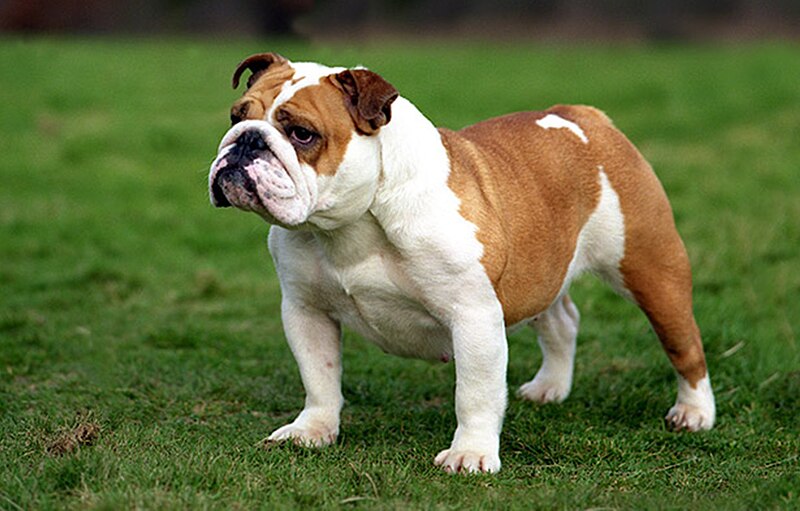
Understanding Why Bulldogs Can't Breathe Properly
The adorable flat face that defines the Bulldog breed comes with serious anatomical consequences. The skull has been shortened through selective breeding, but the soft tissues inside have not reduced proportionally, creating multiple airway obstructions.
Anatomical Problems in BOAS
- Stenotic nares: Narrowed or collapsed nostrils that restrict airflow from the start
- Elongated soft palate: The tissue at the back of the throat is too long and gets sucked into the airway
- Hypoplastic trachea: An abnormally narrow windpipe (English Bulldogs often have tracheas half the normal diameter)
- Everted laryngeal saccules: Tissue near the voice box gets sucked into the airway due to chronic breathing effort
- Laryngeal collapse: In severe cases, the cartilage supporting the airway can weaken and collapse
- Macroglossia: Tongue may be too large relative to the shortened skull
BOAS Is a Progressive Condition
The chronic effort to breathe worsens BOAS over time. Early intervention, ideally before age 2, can prevent secondary complications. Every Bulldog puppy should be evaluated for BOAS by a veterinarian familiar with brachycephalic breeds.
Recognizing BOAS Symptoms in Your Bulldog
Many owners normalize their Bulldog's breathing sounds because "that's just how Bulldogs are." In reality, these sounds indicate respiratory distress.
Everyday Breathing Symptoms
- Loud snoring: Even when awake, not just sleeping
- Snorting and snuffling: Constant noisy breathing
- Mouth breathing: Frequently breathing through open mouth
- Stertor and stridor: Medical terms for the characteristic snoring and high-pitched wheeze
- Sleep apnea: Stopping breathing briefly during sleep
- Sleeping with toy in mouth: Some Bulldogs do this to prop their airway open
- Sleeping sitting up: Can't breathe lying flat
Exercise and Activity Symptoms
- Exercise intolerance: Tires extremely quickly, even on short walks
- Rapid overheating: Unable to pant effectively to cool down
- Collapse: May faint during or after exertion
- Excessive panting: Takes much longer to recover from activity
- Blue or purple gums: During episodes of respiratory distress (cyanosis)
Eating and Digestive Symptoms
- Gagging and retching: Especially after eating or drinking
- Regurgitation: Bringing up undigested food
- Difficulty swallowing: Extended soft palate interferes with eating
- Excessive drooling: Related to breathing difficulty
- Vomiting: Often related to gagging on elongated palate
Breathing Emergency - Seek Immediate Care
These signs indicate severe respiratory distress requiring emergency care: blue or purple gums/tongue, collapse, extreme breathing effort with extended neck, complete inability to get air, or distress that doesn't resolve with rest and cooling. BOAS can be fatal - do not wait.
BOAS Severity Grading
Veterinarians typically grade BOAS severity to guide treatment recommendations.
Grade 0 - Clinically Unaffected
- No respiratory noise at rest or during exercise
- Normal exercise tolerance
- Rare in breeds like English Bulldogs
Grade 1 - Mild BOAS
- Mild respiratory noise during exercise
- Slight exercise intolerance
- Normal breathing at rest
- May benefit from lifestyle management alone
Grade 2 - Moderate BOAS
- Moderate respiratory noise even at rest
- Noticeable exercise intolerance
- Some gagging and regurgitation
- Surgery recommended
Grade 3 - Severe BOAS
- Severe respiratory noise at rest
- Significant exercise intolerance
- Episodes of respiratory distress
- Sleep apnea common
- Surgery strongly recommended
Non-Surgical Management of BOAS
While surgery is often the best option, these strategies help manage symptoms and are essential even after surgery.
Weight Management
- Critical importance: Extra weight directly worsens breathing by compressing airways and requiring more oxygen
- Ideal body condition: Should easily feel ribs; visible waist when viewed from above
- Portion control: Bulldogs gain weight easily; measure food precisely
- Low-calorie treats: Use vegetables like carrots or green beans
Environmental Control
- Air conditioning: Keep home cool, especially in summer; Bulldogs cannot regulate body temperature effectively
- Humidity control: High humidity worsens breathing difficulty
- Avoid heat: Never leave Bulldogs in cars; limit outdoor time in warm weather
- Elevate food bowls: Reduces strain while eating
- Harness over collar: Collars compress the already compromised trachea
Activity Modifications
- Short, gentle walks during cool parts of the day
- Swimming (supervised) is excellent low-impact exercise
- Avoid strenuous play that causes heavy panting
- Provide rest breaks during any activity
- Watch for early signs of distress and stop immediately
Surgical Treatment Options
Surgery is the most effective treatment for moderate to severe BOAS and can dramatically improve quality of life.
Stenotic Nares Correction (Rhinoplasty)
- Procedure: Removes wedges of tissue from nostrils to widen openings
- Best timing: Can be done at time of spay/neuter (consult AVMA guidelines on optimal timing) (4-6 months)
- Recovery: Minimal; heals within 2 weeks
- Cost: $200-$500 when done alone; often included in BOAS surgery package
- Success rate: High; immediately visible improvement in nasal airflow
Soft Palate Resection (Staphylectomy)
- Procedure: Shortens the elongated soft palate to prevent airway obstruction
- Techniques: Traditional surgery, laser, or newer folding palatoplasty
- Recovery: 2-3 weeks; soft food recommended
- Cost: $1,500-$3,500 depending on technique
- Success rate: 80-90% show significant improvement
Laryngeal Saccule Removal
- Procedure: Removes everted tissue that blocks the larynx
- Timing: Usually performed alongside soft palate surgery
- Recovery: Similar to soft palate surgery
Combined BOAS Surgery
- Comprehensive approach: Addresses all anatomical issues in one surgery
- Total cost: $2,000-$5,000 depending on procedures needed
- Hospital stay: Usually 24-48 hours for monitoring
- Full recovery: 4-6 weeks
Surgical Risks in Brachycephalic Breeds
Anesthesia carries higher risk for Bulldogs due to their compromised airways. Choose a veterinarian or surgeon experienced with brachycephalic breeds. Specialized monitoring and recovery protocols significantly reduce complications. Never choose a surgeon based solely on cost.
What to Expect After BOAS Surgery
Proper post-operative care is essential for the best outcomes. A care plan fitted to this particular your dog almost always produces better behavior and better health markers.
Immediate Recovery (First 2 Weeks)
- Monitor breathing closely; some swelling is normal initially
- Soft food only to protect healing tissue
- Restrict activity to short bathroom breaks
- Prevent collar use; harness only
- Keep environment cool and calm
- Administer medications as prescribed
Long-Term Outcomes
- Significant reduction in respiratory noise (80-90% of cases)
- Improved exercise tolerance
- Better heat tolerance
- Reduced gagging and regurgitation
- Improved sleep quality
- Some dogs will still have residual symptoms; "normal" breathing may not be achievable
English Bulldogs
English Bulldogs are often the most severely affected breed, with extremely narrow tracheas and multiple airway abnormalities. Nearly all English Bulldogs have some degree of BOAS.
French Bulldogs
French Bulldogs typically have less severe tracheal hypoplasia than English Bulldogs but commonly have stenotic nares and elongated soft palates. Their smaller size can make surgery slightly less complex.
Other Affected Breeds
Pugs, Boston Terriers, Shih Tzus, Cavalier King Charles Spaniels, and other flat-faced breeds may also experience BOAS, though often less severely than Bulldogs.
Get Personalized Guidance for Your Bulldog
Have questions about your Bulldog's breathing, BOAS symptoms, or treatment options? Our AI assistant can provide information based on your specific situation.