Bullmastiff
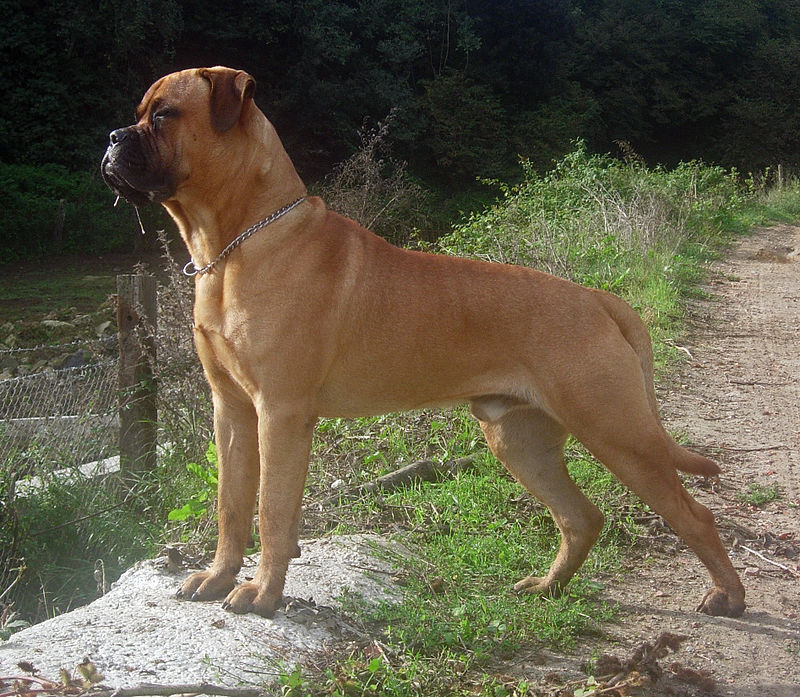
Quick Facts
| Attribute | Details |
|---|---|
| Breed Group | Working |
| Size | Large (100-130 lbs) |
| Height | 24-27 inches |
| Lifespan | 7-9 years |
| Temperament | Loyal, Brave, Affectionate |
| Good with Kids | Very Good |
| Good with Other Dogs | Moderate (can be dog-aggressive) |
| Shedding | Moderate |
| Exercise Needs | Moderate (30-45 minutes daily) |
| Trainability | Good (with experienced handler) |
Recommended for Bullmastiffs
The Farmer's Dog - Fresh food for large breeds | Embark DNA - Health screening for genetic conditions | Spot Insurance - Coverage for hip dysplasia & more
Bullmastiff Overview
The Bullmastiff was developed in 19th century England by crossing Mastiffs (60%) with Bulldogs (40%) to create the perfect gamekeeper's dog. Their job was to track poachers silently, then knock them down and hold them without mauling - earning them the nickname "Gamekeeper's Night Dog."
This powerful, athletic breed combines the Mastiff's size with the Bulldog's tenacity and courage. They're more agile and active than the pure Mastiff, yet still possess that breed's calm, devoted nature. The result is a fearless guardian who is gentle and loving with family.
The Bullmastiff is a breed that commands attention not just for its physical appearance but for the depth of personality and capability it brings to a household. With a lifespan averaging 7-9 years, the decision to welcome a Bullmastiff into your family is one that will shape your daily routine, activity levels, and emotional life for well over a decade. This breed's loyal, brave, affectionate temperament is the product of generations of selective breeding for specific traits—understanding this heritage provides valuable insight into why your Bullmastiff behaves the way it does and what it needs from you as an owner to truly thrive.
The difference between a good Bullmastiff owner and a great one comes down to understanding what this particular animal actually needs, rather than projecting assumptions based on appearance or general expectations. Every Bullmastiff has traits rooted in its background that influence behavior, health, and daily care requirements. Working with those traits — instead of against them — is the foundation of a successful experience.
Welcoming a Bullmastiff into your home is less about adding a pet and more about adopting a new set of daily responsibilities. Their needs will influence how you organize your mornings, what you prioritize on weekends, and how you plan time away from home. The transition is smoother for owners who go in with realistic expectations about what this commitment actually looks like day to day.
Temperament & Personality
Bullmastiffs balance protective instincts with family devotion: Understanding how this applies specifically to Bullmastiff helps you avoid common pitfalls.
- Natural Protectors: They instinctively guard their family without needing attack training.
- Loyal & Devoted: Form strong bonds and want to be near their people.
- Calm Indoors: Despite their size, they're relatively low-key in the house.
- Brave: Fearless when protecting their family; won't back down from a threat.
- Good with Children: Patient and gentle with family children when properly raised.
The loyal, brave, affectionate nature of the Bullmastiff is not a simple personality label—it is a complex behavioral profile shaped by breed history, individual genetics, early socialization experiences, and ongoing environmental factors. What this means in practice is that two Bullmastiff from different lines, raised in different environments, can display meaningfully different behavioral tendencies while still sharing core breed characteristics. Understanding this distinction helps owners set realistic expectations and develop training strategies tailored to their individual dog rather than relying solely on breed generalizations.
Let the veterinary team overlay their records onto this framework — weight trend, wellness findings, and medication list all refine the defaults.
Common Health Issues
Bullmastiffs have several significant health concerns: Your veterinarian and experienced Bullmastiff owners can offer perspective tailored to your situation.
skeletal and joint concerns
- Hip Dysplasia: Affects approximately 25% of Bullmastiffs. OFA screening essential.
- Elbow Dysplasia: Common in the breed; causes front leg lameness.
- Cruciate Ligament Rupture: Their size stresses knee ligaments.
Eye Conditions
- Entropion: Inward-rolling eyelids causing irritation.
- Progressive Retinal Atrophy (PRA): Genetic blindness.
- Cataracts: Can develop at various ages.
Other Concerns
- Bloat (GDV): Life-threatening; Bullmastiffs are at high risk.
- Cancer: Lymphoma and mast cell tumors are common in the breed.
- Heart Disease: Subaortic stenosis and other cardiac issues occur.
- Hypothyroidism: Underactive thyroid requiring medication.
- Allergies: Skin allergies can be problematic.
Health Screening Recommendation
Before getting a Bullmastiff, ask breeders for OFA hip/elbow evaluations, cardiac exams, eye certifications, and thyroid testing. Consider Embark DNA testing for comprehensive genetic screening.
Preventive care for a Bullmastiff is not just about annual exams — it is a mindset. Watching for changes in appetite, mobility, coat texture, and energy at home provides early clues that something may be developing beneath the surface. When you bring those observations to your vet consistently, you create a health timeline that makes pattern recognition possible. That partnership between attentive ownership and professional guidance is what keeps most Bullmastiffs in good shape throughout their lives.
Understanding your Bullmastiff's genetic makeup can guide decisions about everything from exercise intensity to supplement choices. Breed-relevant DNA panels identify carrier status for conditions that may not show up for years, giving owners and veterinarians time to plan rather than scramble. It is one of the more practical tools available for anyone committed to keeping their Bullmastiff in the best possible shape.
Planning for your Bullmastiff's senior phase begins well before the grey appears. Around the midpoint of their expected lifespan, it makes sense to discuss enhanced screening options with your vet and consider whether their current diet and exercise regimen still fits their changing body. Bullmastiffs that receive thoughtful, consistent care through this transition tend to maintain vitality and comfort far longer than those whose care remains static.
Cost of Ownership
Understanding the full cost helps prepare for Bullmastiff ownership: Your veterinarian and experienced Bullmastiff owners can offer perspective tailored to your situation.
| Expense Category | Annual Cost Estimate |
|---|---|
| Food (premium quality) | $800-$1,400 |
| Veterinary Care (routine) | $400-$800 |
| Pet Insurance | $600-$1,200 |
| Grooming | $150-$350 |
| Training (first year) | $300-$900 |
| Supplies & Toys | $250-$450 |
| Total Annual Cost | $2,500-$5,100 |
The numbers in the table above are averages — your actual spending will depend on where you live, your Bullmastiff's individual health, and the choices you make about food quality, insurance, and grooming. Cities tend to be pricier for vet care. Rural areas may require longer drives to specialists. Build your budget with some room for the unexpected, because surprises are part of owning any pet.
Year one hits the wallet hardest. Between the initial purchase or adoption fee, puppy vaccinations, spay/neuter surgery, starter supplies, and often some form of professional training, expect to spend noticeably more than in subsequent years. Once those one-time costs are behind you, annual spending drops — though it tends to creep back up as your Bullmastiff ages and needs more frequent veterinary attention in the later years.
Exercise & Activity Requirements
Bullmastiffs have moderate exercise needs.
- Daily Exercise: 30-45 minutes of activity
- Avoid Overheating: Sensitive to heat; exercise in cool parts of the day
- Moderate Intensity: Not a jogging companion; walks are ideal
- Mental Stimulation: Need mental engagement beyond physical exercise
- Puppy Caution: Limit exercise during growth to protect joints
Training Tips for Bullmastiffs
Training should begin early before they reach full size: Your veterinarian and experienced Bullmastiff owners can offer perspective tailored to your situation.
- Early Socialization: Critical for this protective breed
- Puppy Training: Start while they're still manageable
- Positive Methods: They're sensitive; harsh methods damage trust
- Consistent Rules: They need clear, consistent boundaries
- Confidence: Handle them with calm confidence; they sense uncertainty
Nutrition & Feeding
Proper nutrition supports Bullmastiff health: Your veterinarian and experienced Bullmastiff owners can offer perspective tailored to your situation.
- Large Breed Formula: Food designed for large breeds
- Controlled Puppy Growth: Slow growth prevents skeletal problems
- Bloat Prevention: Multiple smaller meals; avoid exercise around feeding
- Joint Support: Glucosamine and omega-3s support joint health
- Weight Management: Prevent obesity to reduce joint stress
Top Food Choices for Bullmastiffs
The Farmer's Dog - Fresh, portion-controlled meals | Ollie - Custom fresh food for large breeds | Hill's Science Diet - Large breed formulas
Feeding a Bullmastiff well is less about following trends and more about paying attention to your specific animal. Some Bullmastiffs do great on standard kibble; others need a different approach due to allergies, sensitivities, or individual metabolism. Work with your vet to find what works, and be willing to adjust as your Bullmastiff's needs change with age.
Grooming Requirements
Bullmastiffs have relatively simple grooming needs.
- Brushing: Weekly brushing to remove loose hair
- Bathing: Monthly or as needed
- Facial Wrinkles: Clean wrinkles regularly to prevent infections
- Drool: They drool moderately; keep cloths handy
- Nail Trimming: Every 2-3 weeks
- Ear Care: Weekly cleaning
Is a Bullmastiff Right for You?
A sharper view of this part of Bullmastiff care puts you in a better position to make decisions the animal can actually feel. No two Bullmastiff behave exactly alike, so let your own pet's cues guide the small adjustments that matter.
Bullmastiffs Are Great For:
- Experienced dog owners seeking a protective companion
- Families with older children
- Those wanting natural protection without aggression training
- People with space for a large dog
- Those who appreciate a calm, devoted companion
Bullmastiffs May Not Be Ideal For:
- First-time dog owners
- Apartments or homes without secure yards
- Those who can't manage a powerful dog physically
- Multi-dog households (same-sex aggression possible)
- Hot climates without air conditioning
A Bullmastiff is not for everyone, and that is perfectly fine. What matters is making the choice based on realistic expectations rather than idealized breed descriptions. Spend time around actual Bullmastiff dogs before committing. Visit rescues, attend meet-ups, or ask a friend who owns one if you can dog-sit for a weekend. That firsthand experience is worth more than a hundred online guides.
Related Breeds to Consider
If you're interested in Bullmastiffs, you might also consider.
- English Mastiff - Larger, calmer cousin
- Dogue de Bordeaux - French Mastiff type
- Cane Corso - Italian Mastiff, more athletic
- Boxer - More active, similar guardian instincts
Ask Our AI About Bullmastiffs
Related Health & Care Guides
Bullmastiff-aware routines catch issues earlier, respond faster, and prevent more than generic ones.
Get Personalized AI Guidance
Ask Our AI NowDecision Guides for Bullmastiff
Use these only when comparing food, insurance, ownership budget, or beginner fit for this specific pet.