Complete Hedgehog Care Guide
African pygmy hedgehogs are unique, fascinating pets that have captured hearts worldwide with their adorable appearance and individual personalities. These nocturnal insectivores require specialized care that differs significantly from other small pets. With proper care, hedgehogs can live 4-6 years and become endearing companions.
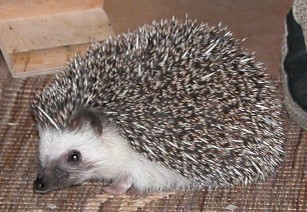
Understanding Hedgehogs
Before bringing home a hedgehog, understanding their natural history and needs is essential for providing appropriate care.
Key Characteristics
- Nocturnal — Most active at night; respect their sleep during the day
- Solitary — Prefer living alone; do not need companions
- Insectivores — Natural diet consists primarily of insects
- Temperature sensitive — Cannot tolerate cold; require supplemental heat
- 5,000-7,000 quills — Modified hairs covering back; not barbed like porcupine
- Poor eyesight — Rely heavily on smell and hearing
Natural Behaviors
- Balling up — Rolling into a tight ball when frightened (defensive)
- Anointing — Spreading foamy saliva over body when encountering new scents; normal behavior
- Huffing and clicking — Warning sounds when annoyed or scared
- Exploring — Hedgehogs are curious and enjoy investigating their environment
- Running — Can run several miles per night on their wheel
Legal Considerations
Hedgehogs are illegal in some areas. Check local laws before acquiring one.
Legal Restrictions
Hedgehogs are illegal in California, Georgia, Hawaii, Pennsylvania (permit required), and several municipalities. Some states require permits. Verify legality in your specific location before getting a hedgehog.
Housing Requirements
Hedgehogs need a secure, warm enclosure with plenty of floor space for exercise.
Cage Specifications
- Minimum size: 2' x 4' floor space (4 square feet minimum; larger is better)
- Cage type: Large storage bin, C&C cage, or commercial hedgehog/guinea pig cage
- No wire floors — Can injure feet
- No levels — Hedgehogs have poor depth perception and can fall
- Secure lid — Hedgehogs can climb and escape
Bedding Options
- Fleece liners — Easiest to clean, gentle on feet, must be changed frequently
- Paper bedding — Carefresh or similar; avoid dusty brands
- Avoid: Cedar, pine (unless kiln-dried), corn cob, clay litter, fabric with loose threads
Essential Cage Items
- Exercise wheel — Essential; 12" minimum diameter, solid running surface (no rungs)
- Hide house — Enclosed sleeping area where they feel secure
- Food and water dishes — Heavy ceramic to prevent tipping
- Heat source — Ceramic heat emitter or heating pad
- Thermometer — To monitor enclosure temperature
- Litter box (optional) — Some hedgehogs can be partially litter trained
Temperature Requirements
Temperature management is critical for hedgehog health. They cannot regulate body temperature well and are prone to hibernation attempts if cold.
Critical Temperature Information
Hedgehogs must be kept at 72-80°F (22-27°C). Temperatures below 70°F can trigger hibernation attempts, which are dangerous and potentially fatal for African pygmy hedgehogs. Always use supplemental heat and monitor temperatures.
Heating Options
- Ceramic heat emitter (CHE): Heat without light; ideal for maintaining ambient temperature
- Thermostat: Essential for regulating heat source automatically
- Space heater: For room heating (not directly in cage)
- Heating pad: Under-tank heating pad covering no more than half the cage floor
- Avoid heat lamps: Can disturb nocturnal cycle
Signs of Attempted Hibernation
- Cool to the touch, especially belly
- Lethargy, wobbling, difficulty walking
- Rolled into a ball and won't unroll
- If you notice these signs: warm gradually against your body and increase cage temperature immediately
Diet and Nutrition
Hedgehogs are insectivores that in captivity thrive on a combination of quality cat food and insects.
Primary Diet
- High-quality cat food: Dry kibble as staple diet
- Look for: Protein 30-35%, fat 10-15%, fiber 3-5%
- First ingredient: Should be chicken, turkey, or other named meat
- Avoid: Fish-based foods, high fat content, artificial preservatives
- Recommended brands: Blue Buffalo, Wellness Core, Chicken Soup for the Soul
- Amount: 1-2 tablespoons daily; adjust based on weight
Insects and Treats
Insects are an important part of hedgehog nutrition and enrichment.
- Mealworms: Most commonly fed; limit due to high fat
- Crickets: Good protein, lower fat; gut-load before feeding
- Dubia roaches: Excellent nutritional profile
- Hornworms: Good for hydration
- Other treats: Small amounts of cooked unseasoned chicken, egg, or baby food
- Insects should be 10-20% of diet; not the sole food source
Foods to Avoid
Never feed hedgehogs: dairy products, raw meat/eggs, citrus fruits, grapes/raisins, avocado, onions, garlic, chocolate, nuts, seeds, or sticky/hard foods. Wild-caught insects may contain pesticides or parasites.
Health Care
Hedgehogs require exotic veterinarians familiar with their unique health needs.
Finding an Exotic Vet
Not all veterinarians treat hedgehogs. Find an exotic animal specialist before you need emergency care. The Association of Exotic Mammal Veterinarians can help locate qualified vets.
Annual Health Care
- Annual wellness exam (AAHA Preventive Healthcare Guidelines) (twice yearly for older hedgehogs)
- Fecal tests for internal parasites
- Weight monitoring (obesity is common)
- Dental checks
- Hedgehogs do not require routine vaccinations
Common Health Issues
- Wobbly Hedgehog Syndrome (WHS): Progressive neurological disease; rear leg weakness, wobbling, paralysis; no cure
- Mites: Quill loss, crusty skin, excessive scratching
- Respiratory infections: Discharge, sneezing, labored breathing
- Obesity: Very common; leads to fatty liver disease
- Dental disease: Common in older hedgehogs; broken teeth, abscesses
- Cancer: Unfortunately common, especially in older hedgehogs; various types
- Hibernation attempts: Cold temperatures cause lethargy (EMERGENCY)
Hedgehog Emergencies
Seek immediate veterinary care for: hibernation attempts (cold, lethargic), not eating for 24+ hours, labored breathing, blood in urine/stool, significant weight loss, injuries, or sudden behavioral changes. Hedgehogs hide illness; subtle changes are significant.
Grooming Needs
- Foot baths: Regular to clean poop boots (hedgehogs poop while running)
- Full baths: Occasionally in shallow lukewarm water with oatmeal baby wash
- Nail trims: Every 2-4 weeks; can be done during bath
- Quill care: Occasional brushing during quilling periods
- Dry ears: Check for mites; clean if waxy buildup occurs
Exercise and Enrichment
Hedgehogs are active at night and need opportunities for exercise and mental stimulation.
The Importance of the Wheel
- An appropriate wheel is non-negotiable for hedgehog welfare
- Size: 12" diameter minimum for adults
- Surface: Solid (no rungs or mesh that can injure feet)
- Recommended: Carolina Storm Wheels, Kaytee Silent Spinner
- Clean wheel frequently (hedgehogs poop while running)
Enrichment Ideas
- Tunnels: PVC pipes, fabric tunnels, cardboard tubes
- Dig boxes: Container with fleece strips for burrowing
- Foraging: Hide treats in fleece or paper for finding
- Supervised exploration: Floor time in hedgehog-proofed area
- Ball pit: Small container with ball pit balls for exploring
- Snuffle mats: For hiding insects and treats
Handling and Bonding
Hedgehogs can become friendly pets with patient, consistent handling, though some remain more aloof.
Building Trust
- Initial settling: Allow a few days to adjust to new environment
- Scent bonding: Place worn t-shirt in cage to familiarize with your scent
- Daily handling: 30+ minutes daily during their awake time
- Move slowly: Quick movements startle them
- Approach from front: Let them smell you before picking up
- Patience: Some hedgehogs take weeks to months to become comfortable
Proper Handling
- Scoop from underneath with flat hands (avoid grabbing from above)
- Hold on your lap with a blanket for security
- Allow them to uncurl on their own; don't force them open
- Some hedgehogs remain prickly with strangers but relax with owners
- Handle at their active time (evening/night) rather than waking them
Quilling
Quilling is a normal process where hedgehogs shed old quills and grow new ones. The trade-off is simple: a few hours reading about their pet behavior now versus larger bills and stress later.
Understanding Quilling
- Occurs at 6-8 weeks, 4 months, 6 months, and 12 months approximately
- Similar to teething; can make them grumpy
- May see small quills in bedding
- New quills growing in can cause itchiness
- Oatmeal baths can soothe irritated skin
- Continue gentle handling despite grumpiness
Quilling vs. Mites
Normal quilling shows new quills growing in, with temporary loss patterns. Mite infestation shows bald patches without new growth, excessive scratching, crusty/flaky skin, and quill loss in unusual patterns. If unsure, consult a vet.
Lifespan and Aging
Hedgehogs live 4-6 years on average, with some reaching 7-8 years with excellent care.
Senior Hedgehog Care
- More frequent vet visits (every 6 months)
- Monitor for cancer signs (lumps, weight loss)
- Watch for dental issues
- May become less active; adjust wheel access if mobility declines
- Maintain consistent temperature (more sensitive to cold)
- Consider softer bedding for comfort
Ask the AI About Your Hedgehog
Have specific questions about your hedgehog's care, behavior, or health concerns? Our AI assistant can provide personalized guidance.