Complete Hamster Care Guide
Hamsters are adorable, curious, and entertaining pets that pack big personalities into small bodies. With proper care, these nocturnal companions can live 2-3 years (with some species living longer). This comprehensive guide covers everything you need to provide excellent care for your hamster.
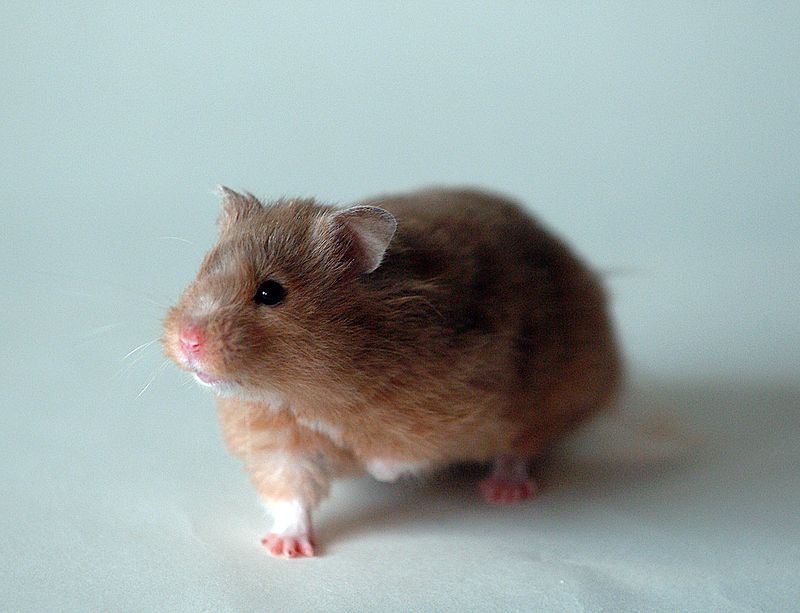
Hamster Species Overview
Different hamster species have different care requirements and personalities. Choosing the right species matters for your experience.
Common Pet Hamster Species
- Syrian (Golden) Hamster — Largest (5-7 inches), must live alone, most popular and easiest to handle
- Dwarf Campbell's Russian — Small (3-4 inches), can sometimes live in pairs if raised together, prone to diabetes
- Dwarf Winter White Russian — Small (3-4 inches), similar to Campbell's, coat may change in winter
- Roborovski Dwarf — Smallest (1.5-2 inches), extremely fast, better for watching than handling
- Chinese Hamster — Slender body with longer tail (4 inches), often solitary, good temperament
Key Behavioral Traits
- Nocturnal/Crepuscular — Most active at night and dawn/dusk; respect their sleep during the day
- Solitary (most species) — Syrian hamsters must always live alone; dwarfs may tolerate pairs
- Burrowing instinct — Need deep bedding to dig and create tunnels
- Cheek pouches — Store food in pouches; hoarding is normal behavior
- Territorial — Mark territory with scent glands; may bite if startled
Housing Requirements
Adequate cage size is the single most important factor in hamster welfare. Most commercial cages are far too small.
Minimum Cage Sizes
- Syrian hamsters: Minimum 800 square inches floor space (larger is better; 1000+ recommended)
- Dwarf hamsters: Minimum 600 square inches floor space
- Height: Allow for 6+ inches of bedding plus space above for wheel and enrichment
- Avoid multi-level cages with small floor space; continuous floor area matters most
Housing Options
- Large aquarium tanks — Excellent for deep bedding, good visibility, prevent escapes
- Bin cages — DIY affordable option using large storage bins with ventilation
- IKEA Detolf — Popular DIY option laid on its back with mesh lid
- Large commercial cages — Ensure adequate floor space (Niteangel, Prevue 528)
Bedding Requirements
- Depth: Minimum 6 inches, ideally 10+ inches for burrowing
- Safe options: Paper-based (Kaytee Clean & Cozy, Carefresh), aspen shavings
- Avoid: Cedar, untreated pine, scented bedding, cotton fluff (impaction risk)
- Spot clean daily; full clean every 3-4 weeks (leave some old bedding to preserve scent)
Essential Cage Items
- Appropriately sized wheel — 8-12 inches for Syrians, 6-8 inches for dwarfs (back should not arch)
- Hide houses — Multiple hiding spots including a multi-chamber hide
- Water bottle — Check daily for function; clean weekly
- Food dish — Or scatter feed for foraging enrichment
- Sand bath — Reptile sand (not dust) for grooming; essential for dwarf hamsters
- Chew toys — Wood, cardboard, and natural materials for dental health
Diet and Nutrition
A balanced diet keeps hamsters healthy and prevents common issues like obesity and diabetes.
Commercial Hamster Food
- Choose a quality seed mix or lab blocks as the staple diet
- Avoid muesli-style mixes where hamsters pick out only favorites
- Recommended brands: Mazuri, Higgins Sunburst, Versele-Laga Complete
- Daily amount: 1-2 tablespoons depending on size
Fresh Foods
Supplement with small amounts of fresh foods 2-3 times weekly.
- Vegetables: Broccoli, cucumber, carrot, spinach, bell pepper, peas
- Fruits (limited): Apple, pear, banana, berries (high sugar, occasional treat)
- Protein: Mealworms, plain cooked chicken, hard-boiled egg (1-2 times weekly)
- Introduce new foods gradually; remove uneaten fresh food within 24 hours
Foods to Avoid
Never feed hamsters: citrus fruits, onions, garlic, raw potatoes, raw beans, chocolate, caffeine, alcohol, almonds (bitter contain cyanide), apple seeds, or any sticky/sharp foods. Dwarf hamsters should avoid high-sugar foods due to diabetes risk.
Exercise and Enrichment
Hamsters are incredibly active and need outlets for their energy, especially during their active nighttime hours.
The Importance of the Wheel
- Hamsters can run 5-9 miles per night; a wheel is non-negotiable
- Syrian hamsters: 10-12 inch wheel minimum
- Dwarf hamsters: 6.5-8 inch wheel minimum
- The back should not arch when running; too small causes spine problems
- Choose solid surface wheels (no rungs or mesh that can injure feet)
Enrichment Ideas
- Scatter feeding: Hide food in bedding to encourage foraging
- Tunnels and tubes: Cardboard tubes, commercial tunnels, cork logs
- Chew toys: Wooden toys, cardboard, willow sticks, loofah
- Sand bath: Provides mental enrichment and keeps coat clean
- Digging box: Container with extra-deep bedding or coco fiber
- Rearrange cage: Periodically to provide novelty
Supervised Playtime
- Provide supervised floor time in a hamster-proofed area
- Avoid hamster balls: Poor ventilation, no control, stressful for hamsters
- Use a playpen or secure room instead
- Always supervise; hamsters are escape artists and can fit through tiny spaces
Handling and Taming
With patience, most hamsters become comfortable with handling, though some species are naturally more skittish.
Taming Process
- Week 1: Let hamster settle in without handling; talk softly near cage
- Week 2: Offer treats through cage bars; place hand in cage without touching
- Week 3: Let hamster walk onto your hand for treats; short handling sessions
- Ongoing: Gradually increase handling time; always support the body fully
Handling Tips
- Never wake a sleeping hamster; they may bite when startled
- Handle during their active hours (evening/night)
- Scoop from below rather than grabbing from above (predator response)
- Handle low to the ground or over a soft surface; hamsters jump
- Wash hands before and after handling
Health Care
Hamsters have short lifespans and can decline quickly when ill. Daily observation is crucial.
Signs of a Healthy Hamster
- Active during evening/night hours
- Clear, bright eyes
- Clean, dry rear end
- Smooth, full coat
- Good appetite and food hoarding
- Regular wheel running
Common Health Issues
- Wet tail: Severe diarrhea with wet rear; often fatal, requires immediate vet care
- Respiratory infections: Sneezing, wheezing, discharge; keep away from drafts
- Mites: Scratching, hair loss, scaly skin
- Diabetes: Common in dwarf hamsters; excessive thirst, urination, weight loss
- Tumors: Lumps and bumps, especially in older hamsters
- Dental issues: Overgrown teeth, difficulty eating, drooling
- Impacted cheek pouches: Swelling that doesn't go down after eating
Hamster Emergencies
Seek immediate veterinary care for: wet tail symptoms, difficulty breathing, not eating for 24+ hours, severe lethargy, injuries, or any sudden behavior changes. Hamsters decline rapidly; early intervention is critical. Find an exotic vet before you need one.
Grooming Needs
- Sand baths: Provide regularly for coat maintenance; essential for dwarfs
- Nail care: Usually wear down naturally; trim if overgrown
- Long-haired Syrians: May need gentle brushing to prevent matting
- Never bathe in water: Can cause hypothermia and removes essential oils
Temperature and Environment
Hamsters are sensitive to temperature extremes and can hibernate dangerously if too cold.
Ideal Conditions
- Temperature: 65-75°F (18-24°C); never below 60°F or above 80°F
- Humidity: 40-60% relative humidity
- Location: Away from direct sunlight, drafts, and heating/cooling vents
- Light: Natural light cycle helps maintain circadian rhythm
Torpor/Hibernation Warning
If temperatures drop below 60°F, hamsters may enter torpor (hibernation-like state). They appear dead but are actually in a dangerous metabolic state. Gradually warm them with your body heat and move to a warmer location. This is a medical emergency if prolonged.
Lifespan and End of Life
Understanding the hamster lifespan helps prepare for their care needs at different life stages. Households that take the time to learn their small animal-specific patterns tend to avoid expensive corrective work later.
Average Lifespans
- Syrian hamsters: 2-3 years
- Dwarf hamsters: 1.5-2 years
- Chinese hamsters: 2-3 years
- Roborovski hamsters: 3-3.5 years (longest-lived)
Senior Hamster Care
- May need ramps instead of climbing structures
- Softer bedding for joint comfort
- More frequent health monitoring
- May become less active; adjust expectations
Ask the AI About Your Hamster
Have specific questions about your hamster's care, behavior, or health concerns? Our AI assistant can provide personalized guidance.