African Pygmy Hedgehog
Quick Facts
| Attribute | Details |
|---|---|
| Scientific Name | Atelerix albiventris (hybrid) |
| Origin | Central Africa (domesticated hybrid) |
| Size | Small (0.5-1.5 lbs / 0.25-0.7 kg) |
| Lifespan | 4-6 years (up to 8 with excellent care) |
| Diet | Insectivore/Omnivore (insects, cat food) |
| Activity Level | Moderate (nocturnal) |
| Social Needs | Solitary - live alone |
| Care Level | Intermediate |
| Space Requirements | Minimum 2x4 feet floor space |
Recommended for Hedgehogs
Chewy - Hedgehog food and supplies | Kaytee - Small animal habitats | Petco - Exotic pet essentials
Hedgehog Overview
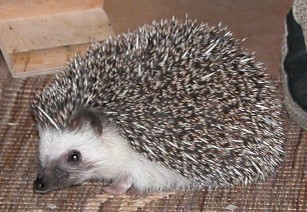
The African Pygmy Hedgehog kept as a pet is actually a hybrid between the Four-toed Hedgehog and the Algerian Hedgehog. These charming creatures are covered in approximately 5,000-7,000 quills on their back, which they raise when frightened by rolling into a tight ball.
Unlike the European hedgehog (which is a wild animal not suitable as a pet), African Pygmy Hedgehogs have been domestically bred as pets since the 1980s. They're known for their cute faces, entertaining wheel-running, and unique "anointing" behavior where they create foamy saliva and spread it on their quills when encountering new smells.
The African Pygmy Hedgehog is a rewarding small animal companion that brings unique characteristics to the household. With a lifespan of 4-6 years (up to 8 with excellent care) and a well-balanced temperament, the African Pygmy Hedgehog occupies a distinctive niche among small animals that appeals to a wide range of potential owners. However, the apparent simplicity of small animal care can be deceptive—these animals have specific physiological and behavioral needs that, when properly understood and addressed, result in a significantly healthier and more interactive pet than many first-time owners expect.
One of the most common misconceptions about African Pygmy Hedgehog is that they are low-maintenance starter pets requiring minimal interaction. In reality, African Pygmy Hedgehog are social, intelligent animals that benefit enormously from regular handling, environmental enrichment, and attentive daily care. Their well-balanced personality becomes most apparent when they feel secure in their environment and have developed trust with their handler—a process that requires patience, consistency, and an understanding of the species-specific body language and communication signals that African Pygmy Hedgehog use to express comfort, curiosity, fear, and contentment.
Work with your exotic veterinarian to fine-tune these recommendations based on your Hedgehog's weight, activity level, and any health considerations.
Legal Considerations
Important legal restrictions.
- Illegal: California, Hawaii, Georgia, Pennsylvania (some exceptions), New York City, Washington D.C.
- Restricted: Arizona, Maine, New Jersey - require permits
- Check First: Always verify local regulations
- Breeders: Purchase from reputable breeders, not wild-caught
Housing Requirements
Hedgehogs need appropriate housing with temperature control: Understanding how this applies specifically to Hedgehog helps you avoid common pitfalls.
Enclosure Size
- Minimum: 2 x 4 feet floor space
- Options: Large storage bins, C&C cages, or commercial enclosures
- Avoid: Wire-bottom cages (feet can get caught)
- Height: At least 12 inches (hedgehogs can climb)
- Lid: Ventilated but secure
Essential Equipment
- Wheel: 12+ inch solid-surface wheel (CRITICAL)
- Hiding House: Enclosed hide for sleeping
- Bedding: Fleece liners, paper bedding (no cedar/pine)
- Food/Water: Shallow dishes or bottle
- Heat Source: Ceramic heat emitter or heating pad
- Thermometer: To monitor temperature
Temperature is Critical
Hedgehogs must be kept between 72-80°F (22-27°C). Below 70°F, they can attempt hibernation, which is often fatal for domesticated hedgehogs. Above 85°F can cause heat stress. Always use a thermometer and have a reliable heat source.
Diet & Nutrition
Hedgehogs have specific dietary needs.
Primary Diet
- High-Quality Cat Food: Main staple - dry, high-protein, low-fat
- Requirements: 30-35% protein, 10-15% fat, high fiber
- Portion: 1-2 tablespoons daily (adjust for weight)
- Hedgehog Food: Some commercial options available but quality varies
Supplemental Foods
- Insects: Mealworms, crickets, dubia roaches (treats)
- Cooked Meat: Plain chicken, turkey
- Vegetables: Small amounts of cooked carrots, green beans
- Fruits: Occasional small pieces of apple, banana
- Eggs: Scrambled or hard-boiled (occasional)
Foods to Avoid
- Dairy products (lactose intolerant)
- Raw meat or eggs
- Grapes and raisins (toxic)
- Onions, garlic, avocado
- Nuts and seeds
- Citrus fruits
Good nutrition is the foundation of African Pygmy Hedgehog health, but that does not mean you need the most expensive food on the shelf. What matters is choosing a diet with quality protein sources, appropriate fat and fiber levels, and no unnecessary fillers. Your African Pygmy Hedgehog's response — steady weight, good energy, healthy coat, firm stools — is the best indicator that you have found the right food.
Selecting food for your African Pygmy Hedgehog does not need to be complicated. Look past the packaging claims and focus on whether the formula supports your African Pygmy Hedgehog's actual needs. A quality food that keeps them at a healthy weight with a good coat and reliable digestion is more valuable than the most expensive option on the shelf.
Common Health Issues
Hedgehogs face several health concerns: Generic advice is a starting point; specificity is where usefulness appears to a real Hedgehog; narrow and specific wins.
Wobbly Hedgehog Syndrome (WHS)
- What: Degenerative neurological disease (similar to MS)
- Signs: Progressive paralysis starting in rear legs, wobbling
- Cause: Genetic - no cure or prevention
- Prognosis: Progressive, ultimately fatal
Cancer
- Prevalence: Very common in hedgehogs over 3 years
- Types: Often oral, digestive, or reproductive cancers
- Signs: Weight loss, lumps, changes in eating
Other Concerns
- Obesity: Very common - monitor weight closely
- Dental Disease: Tartar buildup, tooth loss
- Mites: Skin parasites causing quill loss
- Respiratory Issues: From drafts or poor ventilation
- Hibernation Attempts: From cold temperatures - can be fatal
For an African Pygmy Hedgehog, the most effective health strategy is a consistent one. That means not just scheduling annual exams, but also staying alert at home to shifts in behavior, appetite, or energy that might otherwise go unnoticed. Owners who approach their African Pygmy Hedgehog's health with this level of everyday awareness tend to catch problems earlier and spend less on emergency interventions down the road.
Modern genetic panels offer African Pygmy Hedgehog owners a window into breed-specific health risks that were previously invisible until symptoms developed. Armed with this information, you can discuss proactive screening protocols with your vet and adjust care routines before problems take root. The value of genetic testing lies not in predicting exactly what will happen, but in narrowing down what to watch for most closely.
Aging in an African Pygmy Hedgehog does not happen overnight, and neither should the adjustments to their care. Gradually introducing senior-appropriate nutrition, moderating exercise intensity, and increasing the frequency of wellness checks creates a smoother transition than waiting for obvious decline. Owners who start these conversations with their vet during middle age tend to see better outcomes in the senior years.
Handling & Taming
Hedgehogs can be tamed with patience: Your exotic veterinarian and experienced Hedgehog owners can offer perspective tailored to your situation.
Temperament
- Variable: Personalities range from friendly to prickly
- Defensive: Ball up and raise quills when scared
- Nocturnal: Most active at night
- Solitary: Don't need or want companions
Handling Tips
- Approach calmly and speak softly
- Scoop from underneath rather than grabbing
- Let them uncurl naturally - don't force
- Handle regularly to maintain tameness
- Evening handling when naturally waking
- Wear a shirt with your scent to acclimate them
Understanding Quills
- Quills are modified hairs, not barbed
- Relaxed hedgehog has flat quills - safe to touch
- Raised quills indicate fear/stress
- Quilling (losing quills) normal in juveniles
Behavior & Activity
Understanding hedgehog behavior: Fine-tuning for a specific Hedgehog feels like extra work; in practice it removes more friction than it adds.
Common Behaviors
- Anointing: Creating foamy saliva and spreading on quills (normal!)
- Wheel Running: They run MILES nightly
- Balling Up: Defensive posture
- Pooping While Running: Common on wheels (messy!)
- Huffing: Annoyed/defensive sound
Activity Pattern
- Nocturnal: Sleep during day, active at night
- Wheel: Essential - may run 5+ miles nightly
- Exploring: Enjoy supervised floor time
The well-balanced personality that African Pygmy Hedgehog are known for becomes most evident once the animal has settled into its environment and developed trust with its handler. Initial shyness or wariness is completely normal and should not be mistaken for an unfriendly disposition. African Pygmy Hedgehog typically require a settling-in period of one to three weeks during which handling should be minimal and the animal should be allowed to explore its enclosure or hutch and acclimate to household sounds and routines at its own pace. Pushing socialization too quickly during this period can set back the bonding process significantly.
Hedgehogs Are Great For:
- Night owls comfortable with nocturnal pets
- Those wanting an unique, quiet pet
- People who don't need a cuddly companion
- Owners who can maintain proper temperatures
- Those without other pets that might harm them
Hedgehogs May Not Be Ideal For:
- Those in states where they're illegal
- Anyone wanting a daytime, interactive pet
- Young children (quills, nocturnal, may bite)
- Those unable to maintain warm temperatures
- People expecting a cuddly pet
A African Pygmy Hedgehog is not for everyone, and that is perfectly fine. What matters is making the choice based on realistic expectations rather than idealized breed descriptions. Spend time around actual African Pygmy Hedgehog small animals before committing. Visit rescues, attend meet-ups, or ask a friend who owns one if you can arrange species-appropriate care during travel. That firsthand experience is worth more than a hundred online guides.
Behind the grooming, the vet visits, and the training sits the real reason people keep African Pygmy Hedgehogs: the companionship. An animal that recognises its people and trusts them is a genuine presence in a home, and most African Pygmy Hedgehog owners say that's the part that makes the upkeep feel like a fair trade.
Cost of Ownership
Your actual costs for Hedgehog care will depend on where you live, your animal's health, and the choices you make. The figures above are a reasonable starting point, but plan for some variation. Having even a small emergency fund takes real pressure off when surprises arise.
The numbers in the table above are averages — your actual spending will depend on where you live, your African Pygmy Hedgehog's individual health, and the choices you make about food quality, insurance, and grooming. Cities tend to be pricier for vet care. Rural areas may require longer drives to specialists. Build your budget with some room for the unexpected, because surprises are part of owning any pet.
Year one hits the wallet hardest. Between the initial purchase or adoption fee, initial veterinary exam, habitat setup, starter supplies, and species-appropriate enrichment items, expect to spend noticeably more than in subsequent years. Once those one-time costs are behind you, annual spending drops — though it tends to creep back up as your African Pygmy Hedgehog ages and needs more frequent veterinary attention in the later years.
Preventive care is not glamorous, but it is the single best investment you can make in your African Pygmy Hedgehog's health. Routine wellness exams catch problems early, when treatment is simpler and cheaper. Keeping up with vaccinations, dental cleanings, and parasite prevention costs a fraction of what treating the resulting diseases would. Most veterinary professionals agree that consistent preventive care extends both the length and quality of an African Pygmy Hedgehog's life.
Related Species to Consider
If you're interested in Hedgehogs, you might also consider.
- Syrian Hamster - Nocturnal, easier care
- Skinny Pig - Unique appearance, social
- Gerbil - More active daytime option
- Ferret - Interactive exotic option
Ask Our AI About Hedgehogs
Have specific questions about hedgehog care, health, or behavior? Our AI assistant can provide personalized guidance.
Get Personalized AI Guidance
Ask Our AI NowDecision Guides for African Pygmy Hedgehog
Use these only when comparing food, insurance, ownership budget, or beginner fit for this specific pet.