Cat Food Ingredients Guide
Cats are obligate carnivores with unique nutritional requirements that differ significantly from dogs and humans. Understanding cat food ingredients is crucial for selecting a diet that supports your cat's health. This guide breaks down what ingredients to look for and which to avoid.
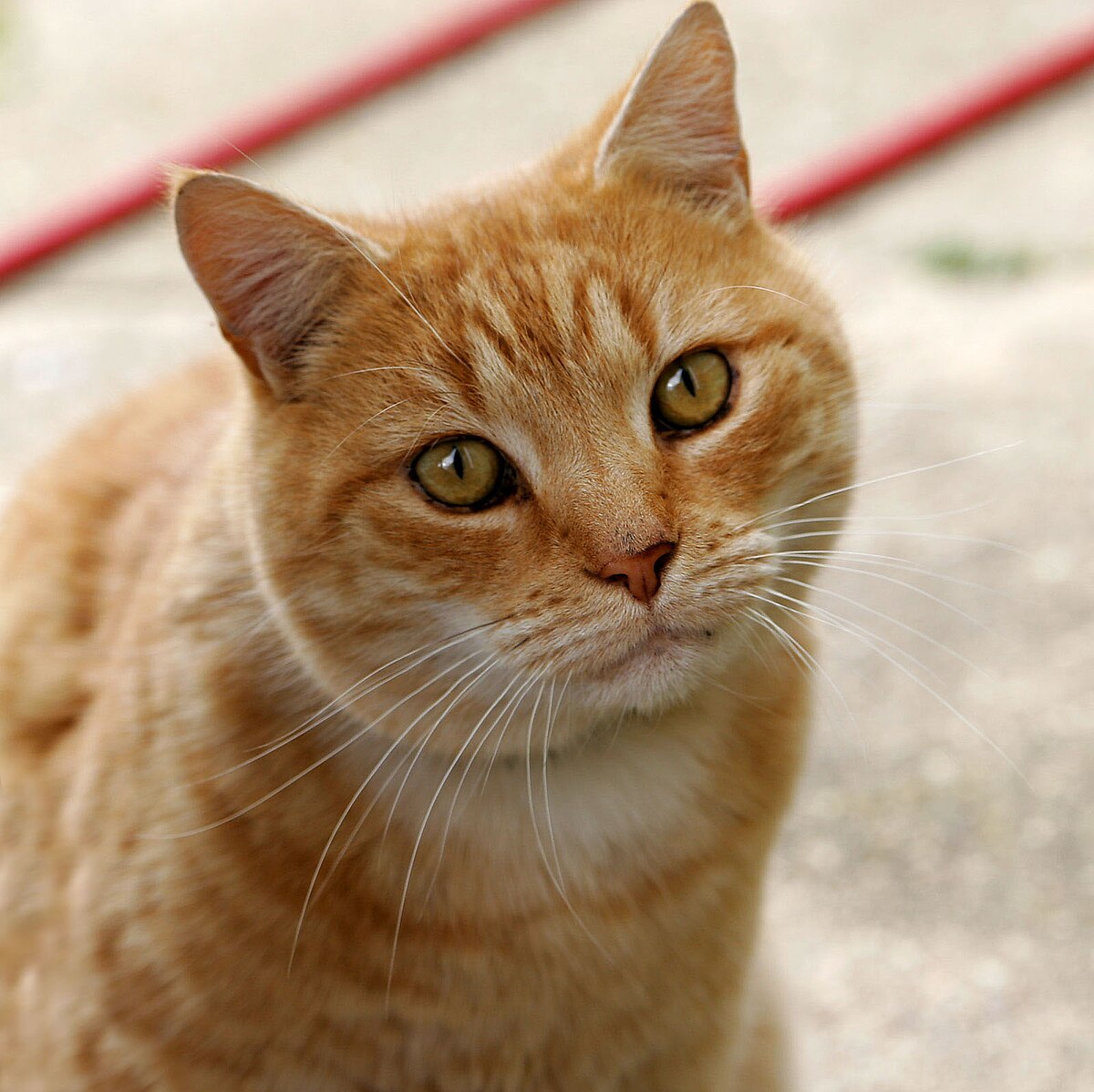
Cats Are Obligate Carnivores
Unlike dogs, cats have evolved to derive nutrients primarily from animal tissue.
What This Means for Nutrition
- High protein needs: Cats require 2-3 times more protein than dogs
- Cannot synthesize certain nutrients: Must get taurine, arachidonic acid, vitamin A from food
- Limited carbohydrate metabolism: Lack some enzymes to process carbs efficiently
- Meat-based amino acids essential: Cannot get complete nutrition from plants
- Higher fat requirements: Need animal fats for essential fatty acids
Taurine
- Critical importance: Cats cannot synthesize enough taurine themselves
- Deficiency effects: Heart disease (DCM), blindness, reproductive failure
- Sources: Only found in animal proteins; highest in heart, dark meat
- Processing loss: Cooking reduces taurine; commercial foods add extra
- AAFCO requirement: All cat foods must contain adequate taurine
Arachidonic Acid
- Essential fatty acid: Cats cannot make this from other fats
- Functions: Skin health, kidney function, reproduction, blood clotting
- Sources: Animal fats only; not in plant oils
Vitamin A (Preformed)
- Cannot convert beta-carotene: Unlike dogs and humans, cats need preformed vitamin A
- Sources: Liver, fish oil, egg yolks
- Why plant sources won't work: Cats lack enzymes to convert plant carotenoids
Niacin (Vitamin B3)
- Higher requirement: Cats need more niacin than dogs
- Cannot synthesize from tryptophan: Must come from diet directly
- Sources: Meat, fish, poultry
Protein Ingredients
Protein is the most important macronutrient for cats.
High-Quality Protein Sources
- Named whole meats: Chicken, turkey, beef, lamb, salmon, rabbit
- Named meat meals: Chicken meal, turkey meal - concentrated protein
- Organ meats: Liver, heart, kidney - nutrient-dense, taurine-rich
- Whole fish: Salmon, whitefish, herring - omega-3 rich
- Eggs: Highly digestible, complete amino acid profile
Protein Ingredients to Question
- Generic "meat" or "poultry": Unspecified sources
- Meat by-products: Variable quality; can be nutritious or poor
- Plant proteins: Corn gluten, soy protein, wheat gluten - incomplete for cats
- Animal digest: Processed material for flavoring
Fat Ingredients
Fats provide essential fatty acids and concentrated energy for cats.
Quality Fat Sources
- Chicken fat: Good source of omega-6 (linoleic acid) and flavor
- Fish oil: EPA and DHA omega-3s for skin, coat, and inflammation
- Salmon oil: Premium omega-3 source
- Animal fat (named): Beef fat, pork fat - provide arachidonic acid
- Egg yolk: Contains arachidonic acid and other nutrients
Fat Sources to Avoid
- Generic "animal fat": Unspecified, variable quality
- Vegetable oils alone: Don't provide arachidonic acid cats need
- Excessive plant oils: May unbalance omega-6 to omega-3 ratio
Carbohydrate Ingredients
Cats have limited ability to utilize carbohydrates, but some are present in most commercial foods. Upfront effort to understand how their cat actually operates usually pays dividends in fewer vet emergencies.
Why Carbs Are in Cat Food
- Kibble formation: Starch needed to create dry food texture
- Cost: Cheaper than animal protein
- Fiber: Some carbs provide beneficial fiber
Better Carbohydrate Options
- Sweet potato: Lower glycemic, easily digestible
- Peas: Provide fiber and some protein
- Pumpkin: Good fiber source for digestion
- Rice: Easily digestible grain
- Oatmeal: Good fiber, easily digestible
Carbohydrates to Limit
- Corn: Often used as cheap filler; limited nutritional value for cats
- Wheat: Common allergen, high glycemic
- Corn gluten meal: Plant protein source inferior to animal protein
- Soy: May cause digestive issues; contains phytoestrogens
Carbohydrate Concerns for Cats
High-carbohydrate diets may contribute to obesity and diabetes in cats. Many dry foods contain 30-50% carbohydrates. If your cat has weight issues or diabetes risk, consider wet food (typically 5-10% carbs) or low-carb dry formulas. Discuss with your veterinarian.
Fiber Sources
Moderate fiber supports digestive health and hairball management. Personalization beats protocol: the more the routine reflects this your cat, the better the outcomes.
Beneficial Fiber Sources
- Beet pulp: Moderate fermentable fiber; supports gut health
- Cellulose: Insoluble fiber for bulk; helps with hairballs
- Psyllium: Helps move hair through digestive tract
- Chicory root (inulin): Prebiotic fiber feeding beneficial bacteria
- Pumpkin: Gentle fiber for digestive support
Vitamins and Minerals
Knowing how this works in a cat context removes a lot of the guesswork from day-to-day decisions. Your cat will show you what works through appetite, energy, coat, and behavior, adjust based on that evidence.
Key Vitamins for Cats
- Vitamin A: Must be preformed (retinol) from animal sources
- Vitamin D: Cannot be made in skin; must come from diet
- Vitamin E: Antioxidant; important for skin and immune function
- B vitamins: Energy metabolism, especially B12 and niacin
- Vitamin K: Blood clotting
Essential Minerals
- Calcium and phosphorus: Bone health; ratio important (1:1 to 2:1)
- Magnesium: Important but levels matter for urinary health
- Potassium: Muscle and nerve function
- Zinc: Skin and coat health
- Iron: Red blood cell formation
Chelated Minerals (Better Absorbed)
- Zinc proteinate or zinc amino acid chelate
- Iron proteinate
- Copper proteinate
- Manganese proteinate
Natural Preservatives (Preferred)
- Mixed tocopherols: Natural vitamin E compounds
- Rosemary extract: Natural antioxidant
- Vitamin C (ascorbic acid): Antioxidant preservation
- Citric acid: Natural preservative
Artificial Preservatives to Avoid
- BHA (butylated hydroxyanisole): Potential carcinogen
- BHT (butylated hydroxytoluene): Safety concerns
- Ethoxyquin: Controversial; banned in many countries
- Propyl gallate: Limited safety data
Harmful or Unnecessary Additives
- Artificial colors: No nutritional value; potential health concerns
- Propylene glycol: TOXIC to cats - causes Heinz body anemia (banned in cat food but check treats)
- Carrageenan: Controversial thickener; may cause GI inflammation
- Added sugar: No nutritional benefit; contributes to obesity
- Excessive salt: Can stress kidneys
- Artificial flavors: May mask low-quality ingredients
Key Label Sections
- Product name: Indicates meat content (95%, 25%, 3%, or "flavor" rules)
- Ingredient list: By weight before processing
- Guaranteed analysis: Minimum protein/fat, maximum fiber/moisture
- AAFCO statement: Confirms nutritional adequacy for life stage
- Feeding guidelines: Starting point; adjust for your cat
AAFCO Naming Rules
- "Salmon Cat Food": Must be 95% salmon (excluding water)
- "Salmon Dinner/Entree": Must be 25% salmon
- "With Salmon": Only needs 3% salmon
- "Salmon Flavor": Only needs detectable salmon flavor
Understanding Guaranteed Analysis
- Compare on dry matter basis: Wet and dry food can't be compared directly
- Minimum protein: Cats need at least 26% (adults) to 30% (kittens) on dry matter basis
- Fat: Minimum 9% for adults
- Moisture: Wet food is 75-85%; dry is about 10%
Ingredient Quality Indicators
Owners who use these specifics to calibrate their care programme — not as background reading but as operational defaults — report fewer surprises over the long term.
Signs of Quality
- Named animal protein as first ingredient(s)
- Multiple animal protein sources in top 5
- Natural preservatives
- Chelated minerals
- Added taurine (beyond natural content)
- Clear identification of all ingredients
- No artificial colors or flavors
Red Flags
- Vague terms: "meat," "poultry," "animal fat"
- Grain or plant protein as first ingredient
- Multiple grain fractions (corn meal, corn gluten, ground corn)
- Artificial colors (Red 40, Yellow 5, Blue 2)
- Long list of unrecognizable chemicals
- Sugar or sweeteners added
Special Considerations
Every your cat benefits from an owner willing to dig below surface-level recommendations.
Indoor Cat Foods
- Lower calories to prevent weight gain
- Higher fiber for hairball control
- May have reduced fat content
Hairball Formula
- Increased fiber (cellulose, psyllium)
- May include petroleum-based lubricants
- Helps move hair through digestive tract
Urinary Health
- Controlled mineral levels (especially magnesium)
- pH management ingredients
- Ingredients that promote dilute urine
Get Ingredient Advice
Have questions about specific ingredients in your cat's food or need help finding foods without certain ingredients? Our AI assistant can help you navigate label reading and ingredient selection.