Cat Behavior and Enrichment Guide
Understanding your cat's natural behaviors and providing appropriate enrichment is essential for their physical and mental well-being. Cats are complex creatures with instincts honed over thousands of years. Use this guide to understand what makes your cat tick and how to create an enriching environment.
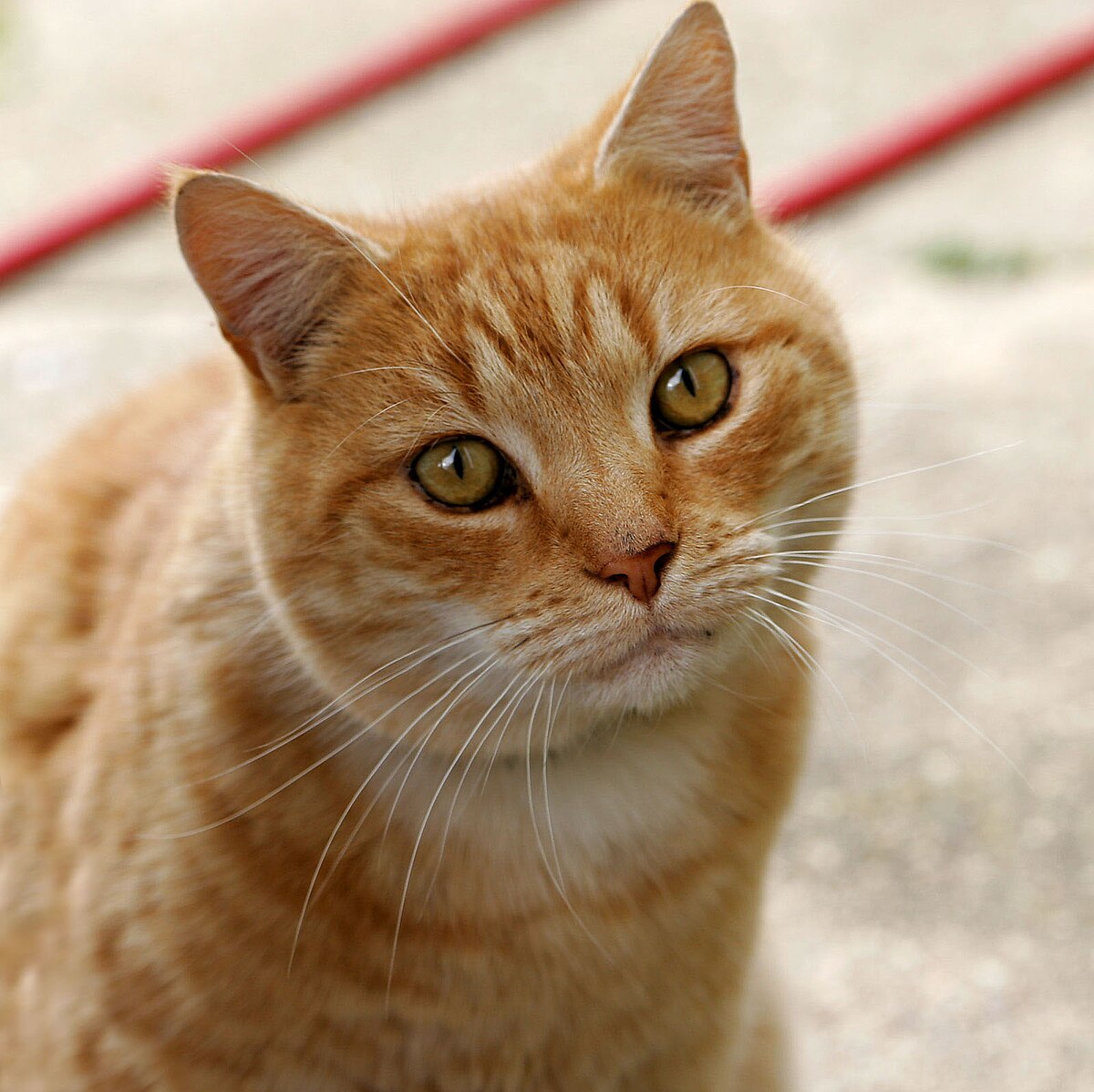
Understanding Natural Cat Behavior
Domestic cats retain many behaviors from their wild ancestors. Recognizing these natural instincts helps you meet their needs appropriately.
Hunting Instinct
Even well-fed cats have a strong prey drive. This manifests as.
- Stalking, pouncing, and chasing behaviors
- Interest in moving objects (toys, bugs, shadows)
- Bringing "prey" (toys or real catches) to you
- The "butt wiggle" before pouncing
- Chatter or chirping at birds through windows
Territorial Nature
Cats are territorial animals who mark and patrol their space.
- Scratching: Leaves visual marks and scent from paw glands
- Rubbing: Deposits facial pheromones on objects and people
- Urine marking: Usually indicates stress, not spite (unaltered cats spray more)
- Patrolling: Regular rounds through their territory
Crepuscular Activity
Cats are naturally most active at dawn and dusk (crepuscular), which explains those 4 AM zoomies. This is when their prey would naturally be most active.
Reading Cat Body Language
Cats communicate primarily through body language. Learning to read these signals improves your relationship and helps prevent bites and scratches.
Tail Position
- Upright, slightly curved: Confident, friendly greeting
- Upright with hooked tip: Happy, playful
- Horizontal: Relaxed, neutral
- Low or tucked: Fearful, submissive
- Puffed up: Frightened or aggressive
- Thrashing: Agitated, overstimulated
- Slow swishing: Focused, often on prey or play
Ear Position
- Forward: Alert, interested, content
- Slightly back: Anxious, uncertain
- Flattened sideways (airplane ears): Frightened
- Flattened back against head: Defensive aggression, fear
- Rotating: Listening, gathering information
Eye Signals
- Slow blink: Affection, trust ("cat kiss")
- Dilated pupils: Excitement, fear, or stimulation
- Constricted pupils: Content or potentially aggressive
- Direct stare: Challenge or threat (avoid staring at unfamiliar cats)
- Half-closed eyes: Relaxed, content
Overall Body Posture
- Relaxed, lying on side or back: Comfortable, trusting
- Arched back with fur raised: Defensive threat, fear
- Crouched low: Fearful or preparing to pounce
- Rolling over: Trust or playful invitation (note: unlike dogs, this often isn't a request for belly rubs)
Environmental Enrichment
Enrichment satisfies natural instincts and prevents boredom, stress, and behavior problems.
The Five Pillars of a Healthy Feline Environment
(From the American Association of Feline Practitioners)
- Safe place: A private retreat where cats can hide and feel secure
- Multiple environmental resources: Separate locations for food, water, litter, scratching, play, rest
- Opportunity for play and predatory behavior: Daily interactive play
- Positive, consistent human-cat interaction: Regular but cat-directed interaction
- Environment that respects sense of smell: Avoiding harsh chemicals and respecting scent-marking
Vertical Space
Cats feel secure when they can survey their territory from height.
- Cat trees and towers
- Wall-mounted shelves and perches
- Window perches
- Access to top of furniture (if allowed)
- Catwalks along walls
Hiding Spots
Cats need places to retreat and feel safe.
- Cat caves and tunnels
- Cardboard boxes
- Covered beds
- Space under furniture
- Multiple options in different rooms
Play and Exercise
Play isn't just fun; it's essential for physical health, mental stimulation, and preventing behavior problems.
Interactive Play
Daily interactive play with wand toys or laser pointers simulates hunting.
- Frequency: Two 10-15 minute sessions daily minimum
- Technique: Move toys like prey — erratic, away from cat, occasional pauses
- Variety: Different toys to maintain interest
- Let them catch: Always end with a "capture" to satisfy hunting instinct
- Follow with food: Mimics the hunt-catch-eat cycle
Solo Play
Toys for when you're not available.
- Puzzle feeders and food-dispensing toys
- Crinkle balls and small toys they can bat around
- Automated toys (use sparingly; not a replacement for interactive play)
- Paper bags and cardboard boxes (remove handles from bags)
- Catnip or silver vine toys
Toy Safety
- Store wand toys after play (string can be dangerous if swallowed)
- Avoid small parts that can be chewed off and swallowed
- Rotate toys to maintain novelty
- Inspect toys regularly for damage
Scratching
Scratching is a natural, essential behavior, not bad behavior. It maintains claw health, stretches muscles, and marks territory.
Providing Appropriate Scratching
- Multiple surfaces: Both vertical and horizontal options
- Different textures: Sisal, cardboard, carpet, wood
- Stable and tall: Vertical scratchers should be sturdy and tall enough for full stretch
- Strategic placement: Near sleeping areas, entrances, and any furniture they're scratching
Redirecting Inappropriate Scratching
- Place appropriate scratcher next to the unwanted scratching location
- Use double-sided tape or aluminum foil temporarily on furniture
- Reward use of appropriate scratchers with treats and praise
- Never punish scratching; redirect instead
- Consider nail caps (Soft Paws) as a temporary solution
Never Declaw
Declawing (onychectomy) is the amputation of the last bone of each toe. It causes chronic pain, behavior problems, and is banned in many countries and US cities. Provide appropriate scratching outlets instead.
Litter Box Issues
Inappropriate elimination is the most common cat behavior complaint. Causes include.
- Medical issues: Always rule out first; UTIs, kidney disease, diabetes
- Litter box problems: Not clean enough, wrong litter type, wrong location, too few boxes
- Stress: Changes in household, new pets, conflict
- Box aversion: Negative experience associated with box
Solutions: Clean boxes daily, provide multiple boxes (n+1 rule), try different litter types, place boxes in quiet, accessible locations.
Aggression
Types of aggression and their triggers.
- Play aggression: Overstimulation from play; redirect to appropriate toys
- Fear aggression: Defensive response to perceived threat
- Redirected aggression: Sees something upsetting, attacks nearby target
- Petting-induced aggression: Overstimulation from petting; learn to read warning signs
- Territorial aggression: Directed at other cats or newcomers
Excessive Vocalization
Causes vary by age and situation.
- Attention-seeking: Cat has learned meowing gets response
- Hunger: Requesting food
- Medical issues: Pain, hyperthyroidism, cognitive dysfunction
- Stress or anxiety: Environmental changes
- Mating behavior: Unaltered cats call for mates
Destructive Behavior
- Boredom: Insufficient enrichment and play
- Separation anxiety: Less common in cats than dogs but exists
- Attention-seeking: Negative attention is still attention
- Solutions: Increase enrichment, interactive play, puzzle feeders, and environmental complexity
Stress and Anxiety
Cats are sensitive to changes and can experience significant stress. Chronic stress leads to health and behavior problems.
Signs of Stress
- Hiding more than usual
- Over-grooming or under-grooming
- Changes in appetite
- Litter box issues
- Aggression or withdrawal
- Excessive vocalization
- Spraying or marking
Common Stressors
- New pets or people in household
- Moving or rearranging furniture
- Loud noises or construction
- Changes in routine
- Conflict with other cats
- Inadequate resources (litter boxes, feeding stations, resting spots)
- Lack of enrichment
Reducing Stress
- Maintain consistent routines
- Provide adequate resources for all cats
- Create safe hiding spots and vertical space
- Use Feliway pheromone diffusers
- Introduce changes gradually
- Ensure adequate daily play and enrichment
Building Trust and Bonding
Cats bond differently than dogs; they appreciate respect for their boundaries and consistent positive interactions.
Let the Cat Lead
- Allow cats to initiate contact
- Offer your hand for sniffing before petting
- Pet preferred areas (cheeks, chin, base of ears) first
- Stop petting when they show signs of overstimulation
- Respect when they walk away
Positive Interactions
- Regular, short play sessions
- Slow blinks (the "cat kiss")
- Talking to your cat in a calm voice
- Respecting their schedule and personality
- Treats and positive associations
Ask the AI About Cat Behavior
Have questions about your cat's behavior, enrichment needs, or addressing specific issues? Our AI assistant can provide personalized guidance.