Weight Loss 2025
Over 60% of cats in the United States are overweight or obese, putting them at risk for diabetes, joint problems, and shortened lifespans. The right weight management diet can help your cat lose weight safely while maintaining muscle mass and nutrition.
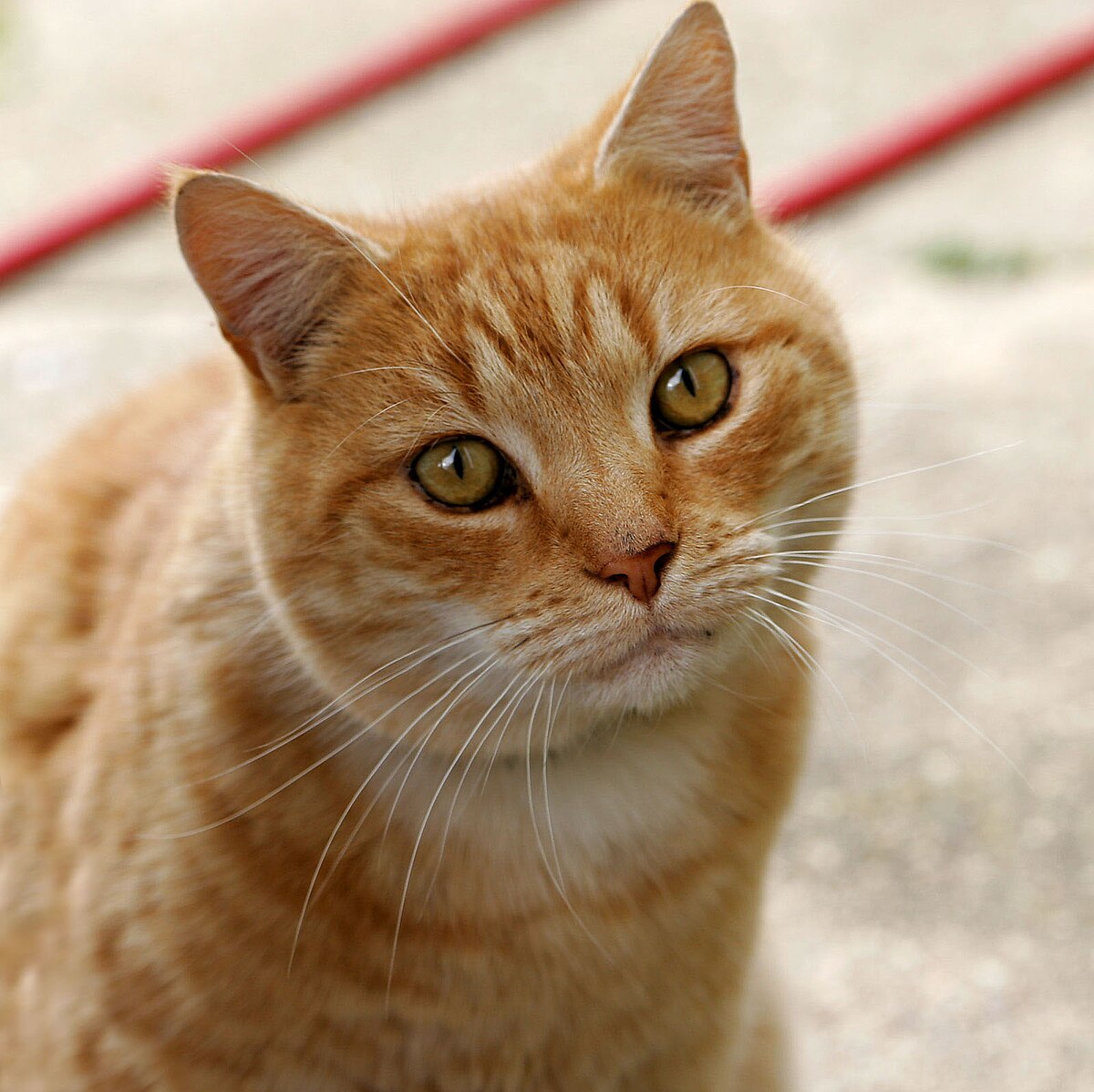
Quick Comparison: Best Weight Loss Cat Foods
| Brand | Type | Calories/Cup (Dry) | Protein | Best For |
|---|---|---|---|---|
| Hill's r/d | Prescription | 263 kcal | 35% | Significant weight loss needed |
| Royal Canin Satiety | Prescription | 269 kcal | 38% | Cats that beg constantly |
| Purina OM Overweight | Prescription | 330 kcal | 57% | Highest protein option |
| Hill's Metabolic | Prescription | 298 kcal | 38% | Metabolic support, long-term |
| Blue Buffalo Weight Control | Over-the-Counter | 329 kcal | 32% | Budget-friendly option |
| Purina ONE Healthy Weight | Over-the-Counter | 338 kcal | 38% | Widely available, affordable |
| Wellness CORE Indoor | Over-the-Counter | 360 kcal | 38% | High-protein, grain-free |
| Nutro Weight Management | Over-the-Counter | 319 kcal | 33% | Natural ingredients |
*Calorie and protein values are approximate. Check packaging for exact nutritional information.
Is My Cat Overweight?
Use the Body Condition Score (BCS) to assess your cat.
| Score | Description | Action Needed |
|---|---|---|
| 1-3 | Underweight - Ribs, spine visible; little body fat | Consult vet, rule out illness |
| 4-5 | Ideal - Ribs easily felt; waist visible from above | Maintain current diet |
| 6-7 | Overweight - Ribs hard to feel; waist barely visible | Weight management diet |
| 8-9 | Obese - Ribs not felt; no waist; belly hangs | Prescription diet + vet guidance |
Health Risks of Cat Obesity
- Diabetes mellitus: Obese cats are 4x more likely to develop diabetes
- Arthritis: Excess weight stresses joints
- Hepatic lipidosis: "Fatty liver disease" can be life-threatening
- Urinary problems: Increased risk of bladder issues
- Skin problems: Unable to groom properly
- Shortened lifespan: Obese cats live 2-3 years less on average
- Anesthetic risk: Higher complications during surgery
Detailed Reviews: Best Weight Loss Cat Foods
Once this part of cat care clicks, the downstream choices tend to come faster and land better. Give it a few rounds before judging, a cat tends to signal clearly when something fits and when it does not.
Best Prescription Option: Hill's r/d Weight Reduction
Hill's Prescription Diet r/d is specifically formulated for weight loss, offering the lowest calorie content while maintaining nutrition.
Key Features
- Lowest calorie prescription option
- High fiber for satiety
- L-carnitine to help convert fat to energy
- Clinically proven to reduce body fat
- Preserves lean muscle mass
Nutritional Profile
- Calories: 263 kcal/cup (dry)
- Protein: 35% (dry matter basis)
- Fat: 9%
- Fiber: 17%
Pros
- Most effective for significant weight loss
- Vet-recommended and clinically tested
- Available in dry and canned
- Good palatability
Cons
- Requires veterinary prescription
- Not for long-term maintenance
- Some cats may feel hungry initially
Best for Hungry Cats: Royal Canin Satiety Support
Royal Canin Satiety Support Weight Management is designed to help cats feel full while consuming fewer calories.
Key Features
- High fiber blend for prolonged satiety
- Special kibble design for slower eating
- High protein to preserve muscle
- Supports healthy weight loss rate
Nutritional Profile
- Calories: 269 kcal/cup (dry)
- Protein: 38% (dry matter basis)
- Fat: 9%
- Fiber: 18%
Pros
- Best for cats that beg constantly
- Reduces between-meal hunger
- Multiple texture options (dry, wet, treats)
- Can be used long-term for maintenance
Cons
- Prescription required
- High fiber may cause gas initially
- Some cats don't like the texture
Highest Protein Option: Purina Pro Plan OM
Purina Pro Plan Veterinary Diets OM offers the highest protein content of prescription weight loss diets, ideal for cats at risk of diabetes.
Key Features
- 57% protein (dry matter basis)
- Very low carbohydrate content
- Supports blood glucose management
- Promotes fat loss while maintaining muscle
Nutritional Profile
- Calories: 330 kcal/cup (dry)
- Protein: 57% (dry matter basis)
- Fat: 10%
- Carbohydrates: Very low
Pros
- Best for diabetic or pre-diabetic cats
- Highest protein, lowest carb option
- Excellent muscle preservation
- Good palatability
Cons
- Higher calorie than r/d or Satiety
- Prescription required
- May not suit all cats' preferences
Best Over-the-Counter: Blue Buffalo Weight Control
Blue Buffalo Healthy Weight offers a quality weight management option without a prescription.
Key Features
- Real chicken as first ingredient
- No poultry by-product meals
- LifeSource Bits (antioxidant blend)
- L-carnitine for fat metabolism
- No artificial preservatives, colors, or flavors
Pros
- No prescription needed
- Quality natural ingredients
- Widely available
- Good taste for most cats
- Affordable compared to prescription
Cons
- Higher calories than prescription diets
- May not be effective for severely obese cats
- Not as precisely formulated for weight loss
Weight Loss Diet Buying Guide
A little curiosity about how your specific cat is actually wired goes a long way toward preventing avoidable missteps.
Prescription vs. Over-the-Counter
| Factor | Prescription Diets | OTC Weight Control |
|---|---|---|
| Calorie Density | Lower (263-330 kcal/cup) | Higher (319-360 kcal/cup) |
| Weight Loss Rate | Faster, more effective | Slower, more gradual |
| Best For | Obese cats (BCS 8-9) | Overweight cats (BCS 6-7) |
| Veterinary Oversight | Required | Recommended |
| Cost | Higher | Lower |
| Availability | Vet clinics, Chewy (with Rx) | Pet stores, online |
Key Ingredients to Look For
- High protein (35%+ dry matter): Preserves muscle during weight loss
- Low fat (10% or less): Reduces calorie density
- Moderate fiber: Promotes satiety without GI upset
- L-carnitine: Helps convert fat to energy
- Quality protein sources: Named meats, not by-products
- Controlled carbohydrates: Especially important for diabetic risk
What to Avoid
- High carbohydrate content (especially corn, wheat as first ingredients)
- Excessive treats and table scraps
- Free-feeding (leaving food out all day)
- Crash diets or extreme calorie restriction
- Foods with artificial fillers
Safe Weight Loss Guidelines
Owners who track changes early usually spot problems sooner.
Danger: Rapid Weight Loss in Cats
Cats should lose weight gradually - no more than 1-2% of body weight per week. Rapid weight loss can cause hepatic lipidosis (fatty liver disease), which can be fatal. Never put a cat on a crash diet or drastically reduce food without veterinary supervision.
Calculating Food Portions
- Determine ideal weight with your veterinarian
- Calculate calories needed: Ideal weight (kg) x 30 + 70 = Resting Energy Requirement (RER)
- For weight loss: Feed 80% of RER for ideal (not current) weight
- Measure precisely: Use a kitchen scale or measuring cup
- Divide into meals: 2-4 small meals per day
Sample Weight Loss Plan
| Current Weight | Ideal Weight | Approximate Daily Calories | Expected Timeline |
|---|---|---|---|
| 15 lbs (6.8 kg) | 12 lbs (5.4 kg) | ~200 kcal/day | 6-9 months |
| 18 lbs (8.2 kg) | 12 lbs (5.4 kg) | ~200 kcal/day | 12-18 months |
| 20 lbs (9.1 kg) | 14 lbs (6.4 kg) | ~220 kcal/day | 12-15 months |
*Individual needs vary. Work with your veterinarian to create a personalized plan.
Additional Weight Loss Strategies
Pet-wide advice is the first draft; the durable version comes from tuning to the individual animal.
Feeding Tips
- Measure every meal: Don't estimate - use a scale or measuring cup
- Scheduled feeding: Set meal times instead of free-feeding
- Food puzzles: Make your cat work for food, slowing eating and adding activity
- No table scraps: Human food adds hidden calories
- Low-calorie treats only: Treats should be less than 10% of daily calories
- Wet food helps: Higher moisture = fewer calories per gram
Increasing Activity
- Interactive play sessions (15-20 minutes, 2x daily)
- Feather wands, laser pointers, toy mice
- Cat trees and climbing structures
- Food puzzles and treat-dispensing toys
- Consider a companion cat for play (if appropriate)
- harness training for outdoor walks
Multi-Cat Households
Managing weight in a multi-cat home is challenging.
- Feed cats separately in different rooms
- Use microchip-activated feeders that only open for specific cats
- Remove food after 20-30 minutes
- Monitor each cat's food intake
- Consider different foods for different cats' needs
Common Questions
your cat-aware routines catch issues earlier, respond faster, and prevent more than generic ones.
How long will it take my cat to reach a healthy weight?
Safe weight loss takes time. Cats should lose 1-2% of body weight per week maximum. A cat that needs to lose 3-4 pounds may take 6-12 months to reach goal weight safely. Faster weight loss increases the risk of hepatic lipidosis.
My cat constantly begs for food. What can I do?
Try: feeding smaller, more frequent meals; using food puzzles to extend eating time; switching to a high-fiber satiety formula; offering low-calorie treats like small pieces of cooked chicken; and providing attention and play instead of food when they beg.
Is wet food or dry food better for weight loss?
Wet food is generally better because it has fewer calories per gram due to water content, helping cats feel full on fewer calories. However, the best choice depends on the specific product's formulation. Many weight loss plans combine wet and dry food.
Can I just feed my cat less of their regular food?
Simply reducing portions of regular food may not provide adequate nutrition and can leave your cat feeling very hungry. Weight management foods are formulated to provide complete nutrition with fewer calories and ingredients that promote satiety.
My cat lost weight but now it's plateaued. What should I do?
Plateaus are normal. Consult your vet to adjust calorie intake, reassess ideal weight, increase activity, or switch to a different weight loss formula. Sometimes the plateau weight is actually the appropriate weight for that individual cat.
Should I use an automatic feeder?
Automatic feeders with portion control can help ensure consistent meal sizes and timing. Look for feeders that dispense measured portions rather than keeping food constantly available. Some models even connect to apps for monitoring.
Our Top Recommendations
- Best Prescription: Hill's r/d - Lowest calories, clinically proven
- Best for Hungry Cats: Royal Canin Satiety - High fiber for fullness
- Best High-Protein: Purina Pro Plan OM - 57% protein, low carb
- Best Long-Term: Hill's Metabolic - For weight maintenance after loss
- Best OTC: Blue Buffalo Weight Control - Quality ingredients, no Rx needed
Ask the AI About Cat Weight Loss
Have questions about the best weight loss strategy for your cat? Our AI assistant can help you understand diet options, portion sizes, and what to discuss with your veterinarian.