Cat Breed Guide
While most cats are domestic shorthairs (mixed breed), understanding cat breeds can help you choose a companion that fits your lifestyle, anticipate potential health issues, and appreciate your cat's unique characteristics. This article covers popular breeds, their traits, and considerations for potential owners.
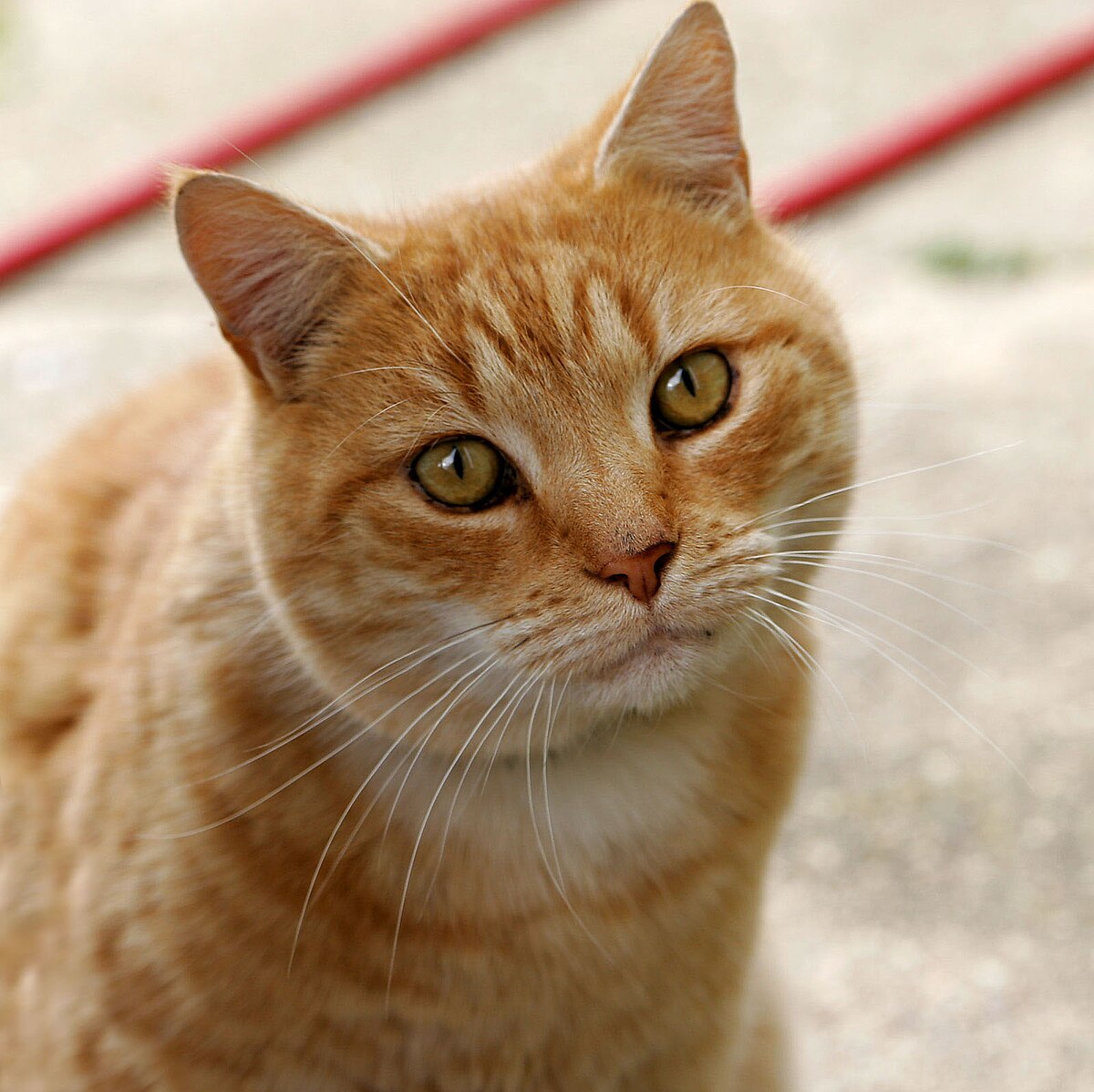
Understanding Cat Breeds
Unlike dogs, which were bred for specific working purposes over thousands of years, most cat breeds are relatively recent (within the past 150 years) and were developed primarily for appearance. This means breed personalities are less predictable than in dogs.
Breed vs. Personality
- Individual personality varies significantly within breeds
- Socialization and early experiences greatly influence temperament
- Breed tendencies are generalizations, not guarantees
- Mixed breed cats can be just as wonderful companions
Persian
- Appearance: Long, luxurious coat; flat face; stocky build
- Temperament: Calm, gentle, affectionate; enjoys quiet environments
- Activity level: Low; content to lounge
- Grooming: Daily brushing essential; tear stain cleaning
- Health considerations: Brachycephalic issues (breathing, eye problems), polycystic kidney disease (PKD), dental disease
- Best for: Quiet homes, owners with time for grooming
Maine Coon
- Appearance: One of the largest breeds; long coat; tufted ears; bushy tail
- Temperament: Friendly, sociable, "dog-like"; good with families and other pets
- Activity level: Moderate; playful but not hyperactive
- Grooming: Regular brushing (2-3 times weekly)
- Health considerations: Hypertrophic cardiomyopathy (HCM), hip dysplasia, spinal muscular atrophy
- Best for: Families, homes with other pets, those wanting an interactive cat
Siamese
- Appearance: Sleek, athletic; pointed coloration; blue eyes
- Temperament: Very vocal, demanding, intelligent, social; bonds strongly with people
- Activity level: High; needs stimulation and interaction
- Grooming: Minimal; short coat
- Health considerations: Respiratory issues, dental disease, amyloidosis, some crossed eyes
- Best for: Active households, people home frequently, those who enjoy "talkative" cats
Ragdoll
- Appearance: Large, semi-longhaired; blue eyes; pointed coloration
- Temperament: Extremely docile, relaxed; goes limp when held (hence the name); affectionate
- Activity level: Low to moderate; playful but calm
- Grooming: Regular brushing (2-3 times weekly)
- Health considerations: HCM, bladder stones, polycystic kidney disease
- Best for: Families with children, calm households, first-time cat owners
British Shorthair
- Appearance: Round face, dense plush coat, stocky build; famous "blue" (gray) color
- Temperament: Calm, easygoing, independent; affectionate but not demanding
- Activity level: Low to moderate
- Grooming: Weekly brushing
- Health considerations: HCM, polycystic kidney disease, hemophilia B
- Best for: Working owners, apartments, those wanting a less demanding cat
Bengal
- Appearance: Wild-looking spotted or marbled coat; muscular, athletic build
- Temperament: Extremely active, intelligent, curious; needs lots of stimulation
- Activity level: Very high; loves climbing, water, and play
- Grooming: Minimal; short coat
- Health considerations: HCM, progressive retinal atrophy, pyruvate kinase deficiency
- Best for: Experienced cat owners, active households, those with time for enrichment
Abyssinian
- Appearance: Ticked tabby coat; lithe, athletic build; large ears
- Temperament: Curious, active, intelligent; loves heights and exploring
- Activity level: Very high; needs lots of play and stimulation
- Grooming: Minimal; short coat
- Health considerations: Pyruvate kinase deficiency, progressive retinal atrophy, renal amyloidosis
- Best for: Active households, owners who want an engaged, interactive cat
Scottish Fold
- Appearance: Distinctive folded ears; round face; various coat lengths
- Temperament: Sweet, adaptable, moderately active
- Activity level: Moderate
- Grooming: Depends on coat length
- Health considerations: Osteochondrodysplasia (cartilage/bone problems linked to fold gene); should never breed fold-to-fold
- Best for: Various households; be aware of health implications
Sphynx
- Appearance: Hairless (or very fine down); wrinkled skin; large ears
- Temperament: Extroverted, energetic, attention-seeking; loves warmth and cuddling
- Activity level: High; very social and playful
- Grooming: Regular bathing needed (oils accumulate); ear cleaning
- Health considerations: HCM, skin conditions, sensitive to cold and sun
- Best for: Owners who want a very interactive cat and don't mind grooming routine
Russian Blue
- Appearance: Distinctive blue-gray double coat; green eyes; elegant build
- Temperament: Reserved with strangers but loyal to family; gentle, quiet
- Activity level: Moderate; playful but not demanding
- Grooming: Weekly brushing
- Health considerations: Generally healthy breed; some prone to obesity
- Best for: Quiet households, single owners, those with allergies (produces less Fel d 1)
Breed Groups by Characteristics
your cat-aware routines catch issues earlier, respond faster, and prevent more than generic ones.
Low-Maintenance Grooming
- Siamese and Oriental breeds
- Abyssinian
- Bengal
- American Shorthair
- Russian Blue
High-Maintenance Grooming
- Persian and Himalayan
- Maine Coon
- Norwegian Forest Cat
- Ragdoll
- Sphynx (bathing required)
Good for Families with Children
- Ragdoll
- Maine Coon
- Birman
- American Shorthair
- British Shorthair
Active and Playful
- Bengal
- Abyssinian
- Siamese
- Oriental
- Devon Rex
- Savannah
Calm and Laid-Back
- Persian
- Ragdoll
- British Shorthair
- Exotic Shorthair
- Scottish Fold
Health Considerations by Breed
Responsible breeders screen for common genetic conditions. Always ask about health testing.
Common Genetic Conditions
- Hypertrophic Cardiomyopathy (HCM): Maine Coon, Ragdoll, British Shorthair, Sphynx, Bengal
- Polycystic Kidney Disease (PKD): Persian, Exotic, British Shorthair
- Progressive Retinal Atrophy: Abyssinian, Bengal, Persian
- Brachycephalic Issues: Persian, Exotic Shorthair, Himalayan
- Spinal Muscular Atrophy: Maine Coon
- Osteochondrodysplasia: Scottish Fold
Breeding Ethics
Some breed characteristics come with inherent health problems. Extreme flat faces (brachycephaly) cause breathing and eye issues. The Scottish Fold's folded ears are linked to painful cartilage problems. Consider these welfare implications when choosing a breed.
Questions to Ask Yourself
- How much time can you dedicate to grooming? Long-haired breeds need daily care
- How active is your household? High-energy breeds need stimulation
- Do you have other pets? Some breeds are more social than others
- How much are you home? Social breeds may struggle with long absences
- Do you have children? Some breeds are more tolerant
- What's your noise tolerance? Oriental breeds are very vocal
- Do you want a lap cat or independent cat? Breeds vary significantly
Finding a Responsible Breeder
- Registered with cat fancy organizations (CFA, TICA)
- Health tests breeding cats for breed-specific conditions
- Provides health guarantees
- Welcomes visits and questions
- Kittens stay with mother until 12-16 weeks
- Provides vaccination and health records
- Requires spay/neuter (consult AVMA guidelines on optimal timing) for pet-quality kittens
- Will take back cat if you can't keep it
Consider Adoption
Don't overlook shelters and breed-specific rescues.
- Many purebred cats end up in shelters
- Breed-specific rescues exist for most popular breeds
- Mixed breed cats make wonderful companions
- Adult cats' personalities are already known
- Lower cost than purchasing from breeders
The Domestic Shorthair
The most common "breed" isn't a breed at all. Domestic shorthairs (and longhairs) are mixed-breed cats that make up the majority of pet cats.
Benefits of Mixed Breeds
- Hybrid vigor: Often healthier than purebreds with broader genetic diversity
- Unique appearances: Endless variety in colors and patterns
- Varied personalities: Find one that matches your needs
- Readily available: Shelters are full of wonderful cats
- Lower cost: Adoption fees vs. breeder prices
Ask the AI About Cat Breeds
Have questions about specific breeds, health considerations, or finding the right cat for your lifestyle? Our AI assistant can help.