Complete Guide to Raising Dogs in Apartments
Living in an apartment doesn't mean you can't enjoy the companionship of a dog. With the right breed selection, proper training, and creative solutions for exercise and enrichment, apartment dogs can thrive and be just as happy as their suburban counterparts. This comprehensive guide covers everything you need to know about successful apartment living with your canine companion.
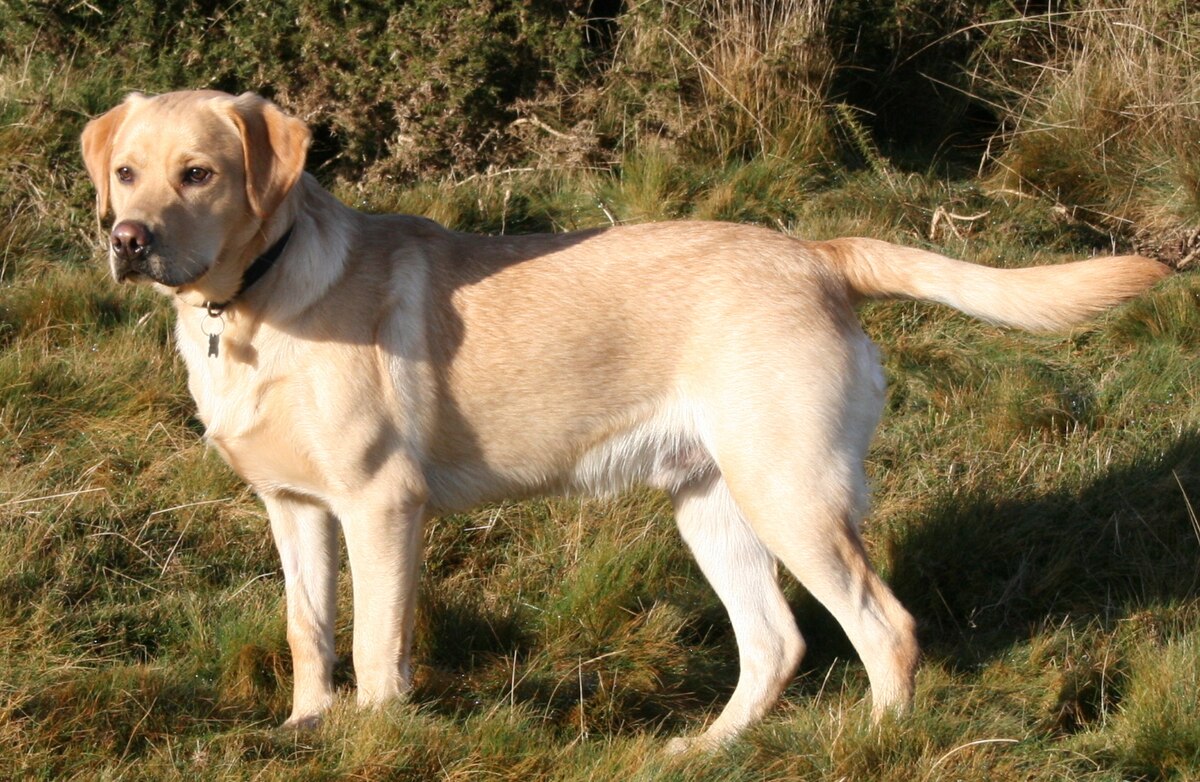
Best Dog Breeds for Apartment Living
Contrary to popular belief, the best apartment dogs aren't necessarily the smallest ones. What matters most is energy level, noise tendency, and adaptability. Many medium-sized and even some larger breeds do wonderfully in apartments.
Small Breeds (Under 25 lbs)
- Cavalier King Charles Spaniel: Gentle, quiet, adaptable, and happy to cuddle on the couch
- French Bulldog: Low energy, minimal barking, doesn't need much exercise
- Bichon Frise: Cheerful, doesn't shed much, adapts well to any living space
- Shih Tzu: Bred to be companion dogs, content with indoor play
- Havanese: Quiet, trainable, great for first-time apartment dwellers
- Maltese: Gentle and quiet, perfect lap dog
- Boston Terrier: Moderate energy, quiet nature, easy to train
- Pug: Low energy, loves lounging, doesn't need much space
Medium Breeds (25-50 lbs)
- Basset Hound: Surprisingly calm indoors, low energy
- Bulldog: Couch potato tendencies,minimal exercise needs
- Basenji: The "barkless dog," clean and cat-like
- Whippet: Despite being sighthounds, they're calm indoors and love couches
Large Breeds That Surprisingly Do Well
- Greyhound: Known as "40 mph couch potatoes" - calm, quiet, low energy indoors
- Great Dane: Despite size, they're gentle giants who don't need much exercise
- Mastiff: Calm, quiet, and happy to lounge
- Bernese Mountain Dog: Calm temperament,moderate exercise needs.
- Border Collies and Australian Shepherds (extremely high energy, need jobs)
- Beagles (prone to howling and baying)
- Siberian Huskies (high energy, vocal, escape artists)
- Jack Russell Terriers (extremely high energy, barkers)
- Dalmatians (need extensive exercise)
Exercise Solutions for Apartment Dogs
Even low-energy dogs need regular exercise and mental stimulation. Living in an apartment means getting creative with how you meet these needs.
Daily Walking Strategies
- Morning walks: 20-30 minutes before work helps burn energy for the day
- Lunch break visits: Consider a dog walker if you can't come home
- Evening walks: Longer walk (30-45 minutes) for main exercise
- Night potty break: Quick 10-minute walk before bed
- Vary your routes: New smells provide mental stimulation
- Incorporate training: Practice commands during walks
Indoor Exercise Ideas
- Hallway fetch: If you have a long hallway, use soft toys
- Tug-of-war: Great workout that doesn't need much space
- Hide and seek: Hide treats or yourself around the apartment
- Stair climbing: If your building has stairs, use them for exercise
- Indoor obstacle courses: Use furniture for agility-style activities
- Treadmill training: Some dogs can be trained to use dog treadmills
Mental Stimulation (Tires Dogs as Much as Physical Exercise)
- Puzzle feeders: Make meals into brain games
- Kong toys: Stuff with peanut butter and freeze
- Snuffle mats: Hide treats in fabric for sniffing games
- Training sessions: 15-minute training tires dogs mentally
- New trick challenges: Ongoing learning keeps minds sharp
- Food puzzles: Slow feeders and puzzle bowls
Alternative Exercise Options
- Dog parks: Research nearby off-leash areas
- Doggy daycare: 1-2 days per week provides socialization and exercise
- Dog-friendly stores: Walk through pet stores, hardware stores, etc.
- Indoor dog parks: Some cities have climate-controlled facilities
- Swimming facilities: Great low-impact exercise option
- Hiking on weekends: Make up for limited weekday exercise
Managing Barking and Noise
Excessive barking is the number one reason apartment dwellers face complaints about their dogs. Proactive management is essential for maintaining good neighbor relationships.
Understanding Why Dogs Bark
- Alert barking: Responding to noises in hallways or neighboring units
- Boredom barking: Not enough mental or physical stimulation
- Separation anxiety: Distress when left alone
- Demand barking: Wanting attention, food, or play
- Territorial barking: Reacting to people or animals passing by
- Fear barking: Response to scary stimuli
Barking Prevention Strategies
- Desensitize to hallway sounds: Play recordings of common apartment noises
- Block visual triggers: Use window film or arrange furniture to block views
- White noise machines: Mask sounds from neighbors and hallways
- Adequate exercise: A tired dog is a quiet dog
- Puzzle toys when alone: Keep dogs occupied during vulnerable times
- Crate training: Creates a calm "den" space
- "Quiet" command training: Teach and reinforce consistently
Addressing Separation Anxiety
- Gradual departures: Practice leaving for short periods and building up
- No dramatic goodbyes: Keep departures and arrivals low-key
- Special toys: Reserve high-value toys for when you're away
- Dog walker visits: Break up long days alone
- Calming products: Anxiety wraps, pheromone diffusers, calming supplements
- Professional help: Consider a behaviorist for severe cases
Potty Training and Solutions
One of the biggest challenges of apartment dog ownership is managing bathroom needs without a backyard. Here's how to handle it effectively.
Establishing a Routine
- First thing in the morning: Immediately upon waking
- After meals: 15-30 minutes after eating
- After play: Activity stimulates the need to go
- Before bed: Last trip outside
- Puppies: Every 2-4 hours depending on age
- Consistency is key: Same schedule every day
Indoor Potty Options
- Pee pads: Good for emergencies, small dogs, or as a transition tool
- Indoor grass patches: Real or artificial grass on a tray
- Litter boxes for dogs: Some small breeds can be litter trained
- Balcony potty area: Create a designated outdoor-ish space if you have a balcony
- Designated potty spot: Train dog to use one specific area near your building
Tips for High-Rise Living
- Consider elevator time: Factor in travel time to get outside
- Emergency backup: Keep indoor potty option for genuine emergencies
- Train a command: "Go potty" helps dogs focus and be efficient
- Weather considerations: Have rain gear or plan for bad weather days
- Early morning routine: Beat elevator crowds
Creating an Apartment Dog Setup
Smart apartment design can make life with a dog much easier for everyone.
Designated Dog Area
- Dog bed or crate: A space that's clearly "theirs"
- Water station: Easily accessible, ideally on hard flooring
- Toy storage: Basket or bin to contain toys
- Food station: Consider elevated bowls or feeding mats
- Near the door: Leash, waste bags, and outdoor gear station
Apartment-Proofing
- Secure trash cans: Locking lids or store in cabinets
- Cord management: Hide or protect electrical cords
- Toxic plant removal: Many common houseplants are dangerous
- Baby gates: Block off areas as needed
- Secure balconies: Ensure gaps are blocked if you have outdoor space
- Floor protection: Rugs in dog areas, especially under water bowls
Maximizing Small Spaces
- Collapsible crates: Fold away when not in use
- Wall-mounted storage: Leashes, treats, and gear
- Multi-purpose furniture: Ottomans that store dog supplies
- Under-bed storage: Extra food, supplies, carriers
- Door-hanging organizers: For leashes, poop bags, and quick-access items
Building and Neighbor Relations
Being a responsible dog owner in an apartment building means being considerate of shared spaces and neighbors.
Know and Follow Building Rules
- Weight and breed restrictions: Understand your lease terms
- Common area rules: Some buildings require dogs to be carried in lobbies
- Elevator etiquette: Let others go first if they seem uncomfortable
- Designated relief areas: Use them, don't let your dog eliminate everywhere
- Pet deposits and fees: Pay promptly and understand your liability
Being a Good Neighbor
- Always pick up waste: Immediately and completely
- Manage barking: Proactively address noise issues
- Control in common areas: Keep dog leashed and well-behaved
- Don't let dogs approach without permission: Not everyone loves dogs
- Apologize for issues: If your dog barks or causes problems, acknowledge it
- Introduce yourself: Let neighbors meet your dog in a positive context
Handling Complaints
- Take complaints seriously: Don't get defensive
- Document your efforts: Keep records of training, exercise, etc.
- Communicate with management: Be proactive about addressing issues
- Consider a trainer: Professional help shows you're taking action
- Make improvements visible: Let neighbors see you're working on it
Puppies in Apartments
- More frequent potty trips: Young puppies can't hold it long
- Crate training is essential: Prevents accidents and keeps puppy safe
- Puppy-proofing: More intensive than adult dog-proofing
- Socialization challenges: May need to work harder to expose puppy to variety
- Noise during teething: Provide appropriate chew toys
- Consider timing: If working full-time, puppies need midday visits
Senior Dogs in Apartments
- May actually be ideal: Lower exercise needs suit apartment living
- Consider mobility: Stairs and slippery floors can be challenging
- More bathroom breaks: Older dogs may need more frequent trips
- Orthopedic bedding: Comfortable beds for aging joints
- Temperature control: Seniors are more sensitive to extremes
Multiple Dogs
- Space considerations: Each dog needs their own area
- Noise multiplies: One barker can set off another
- Individual attention: Harder in small spaces
- Walking logistics: May need separate walks
- Building policies: Check pet limits in your lease
Seasonal Apartment Dog Challenges
Every time you adjust for something your dog actually does, rather than what breed profiles predict, results improve.
Winter
- Cold walks: Get appropriate gear - coats, booties
- Shorter outdoor time: Supplement with indoor activities
- Paw care: Wipe paws after walks to remove salt and chemicals
- Dry indoor air: May affect skin and coat
Summer
- Hot pavement: Walk early morning or after sunset
- No car trips: Never leave dogs in parked cars
- Air conditioning: Keep apartment comfortable for your dog
- Hydration: Carry water on all walks
Rainy Days
- Rain gear: Makes walks more pleasant for both of you
- Quick dry towels: Keep by the door
- Indoor activities: Be prepared with games and puzzles
- Paw wiping station: Set up a muddy paw cleaning area
Working Full-Time with an Apartment Dog
Many apartment dwellers work outside the home. Here's how to make it work for your dog.
Managing Long Days
- Dog walker: Essential for midday break
- Doggy daycare: Great option 1-3 days per week
- Come home at lunch: If your commute allows
- Leave puzzle toys: Mental stimulation while you're gone
- Crate or free roam: Decide what works best for your dog
Before and After Work Routines
- Morning: Wake earlier for a proper walk, not just a quick potty trip
- Evening: Dedicate quality time - walk, play, training
- Weekends: Make up for limited weekday time with adventures
- Consistency: Same routine helps dogs feel secure
Apartment Dog Checklist
Use this checklist to ensure you're set up for apartment dog success.
Before Getting a Dog
- [ ] Research breeds suitable for apartment living
- [ ] Review your lease for pet policies and restrictions
- [ ] Budget for pet deposits and monthly pet rent
- [ ] Identify nearby dog parks and walking routes
- [ ] Research local dog walkers and daycares
- [ ] Plan your schedule for walks and care
Setup Essentials
- [ ] Crate or dog bed for their own space
- [ ] Food and water bowls
- [ ] Quality food appropriate for size and age
- [ ] Leash, collar, ID tags
- [ ] Waste bags (lots of them)
- [ ] Puzzle toys and enrichment items
- [ ] Chew toys
- [ ] Training treats
- [ ] Cleaning supplies for accidents
Ongoing Success
- [ ] Establish consistent walking schedule
- [ ] Train "quiet" command for barking
- [ ] Socialize appropriately for building life
- [ ] Build relationship with neighbors
- [ ] Have backup plans for exercise on bad weather days
- [ ] Regular training and mental stimulation