Complete Bird Care Starter Guide
Welcoming a pet bird into your home is a rewarding experience that can bring years of companionship. Birds are intelligent, social creatures that thrive with proper care and attention. This comprehensive guide covers everything new bird owners need to know to create a healthy, enriching environment for their feathered friend.
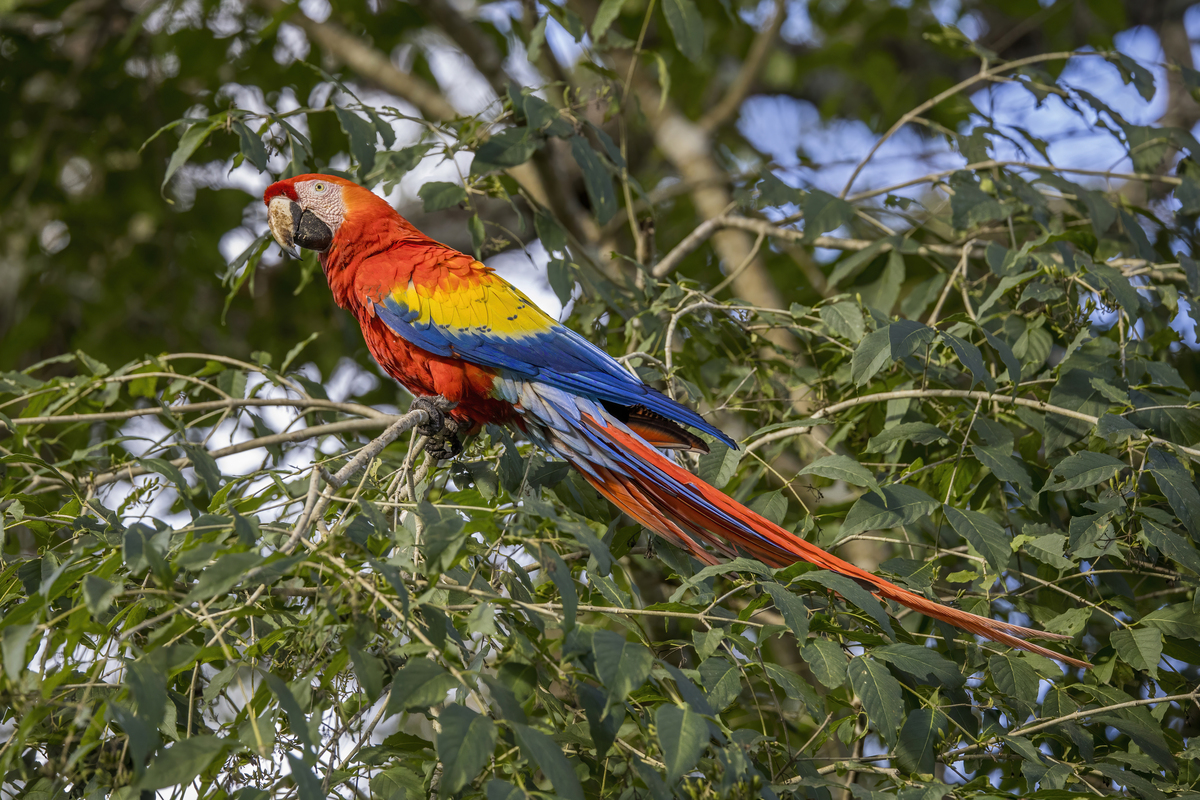
Choosing the Right Bird
Different bird species have vastly different care requirements, lifespans, and temperaments. Consider these factors before bringing a bird home.
Popular Beginner Species
- Budgerigars (Budgies) — Small, affordable, can learn to talk, lifespan 5-10 years
- Cockatiels — Gentle, affectionate, great whistlers, lifespan 15-25 years
- Finches and Canaries — Beautiful singers, prefer bird companions over human handling, lifespan 5-10 years
- Lovebirds — Small but spirited, bond strongly, lifespan 10-15 years
- Green-Cheeked Conures — Playful, quiet for a parrot, lifespan 20-30 years
Important Considerations
- Lifespan: Larger parrots can live 40-80+ years — a lifetime commitment
- Noise level: Some species are much louder than others
- Space requirements: Larger birds need larger cages and more out-of-cage time
- Time commitment: Social birds need daily interaction and mental stimulation
- Cost: Veterinary care, quality food, and toys add up over time
Essential Supplies
Before bringing your bird home, gather these essential items.
The Cage
- Size: Bigger is always better; minimum should allow full wingspan extension
- Bar spacing: Appropriate for species (1/2" for small birds, 3/4"-1" for medium birds)
- Shape: Rectangular or square cages are better than round ones
- Material: Powder-coated steel or stainless steel; avoid zinc and lead
- Placement: Against a wall for security, away from drafts, kitchen, and direct sunlight
Cage Accessories
- Perches: Multiple perches of varying diameters and materials (natural wood branches are excellent)
- Food and water dishes: Stainless steel or ceramic, positioned away from perches to prevent contamination
- Cuttlebone and mineral block: Essential calcium and mineral supplementation
- Toys: Foraging toys, shredding toys, bells, swings (rotate regularly)
- Cage cover: For quiet, dark sleeping environment (10-12 hours of sleep needed)
Complete Supplies Checklist
- Appropriately-sized cage with horizontal bars for climbing
- 3-4 perches of varying sizes and textures
- Stainless steel food and water bowls (2-3 sets for rotation)
- High-quality pelleted diet appropriate for species
- Cuttlebone and mineral block
- Variety of safe toys
- Cage cover or blanket
- Bird-safe cleaning supplies
- Nail clippers or perch for nail maintenance
- Travel carrier for vet visits
- First aid supplies
Setting Up Your Bird's Home
Proper cage setup creates a comfortable, stimulating environment for your bird. Your avian veterinarian and experienced bird owners can offer perspective tailored to your situation.
Cage Placement
- Position at chest height in a room where family spends time
- Place against at least one wall for security
- Avoid kitchens (toxic fumes from cookware), bathrooms, and high-traffic doorways
- Keep away from windows with direct sunlight, air vents, and drafts
- Ensure room temperature stays between 65-80°F (18-27°C)
Household Dangers to Birds
Birds have extremely sensitive respiratory systems. Keep your bird away from: non-stick cookware fumes (PTFE/Teflon), scented candles, air fresheners, aerosol sprays, cigarette smoke, and self-cleaning ovens. These can be rapidly fatal to birds.
Perch Arrangement
- Place perches at different heights to encourage movement
- Don't position perches directly above food or water dishes
- Include at least one high sleeping perch
- Vary perch diameters to exercise feet and prevent pressure sores
- Natural wood branches (bird-safe species) provide the best grip
Nutrition Basics
A balanced diet is crucial for your bird's health. The all-seed diet of the past is now known to cause nutritional deficiencies and health problems.
The Ideal Diet
- Pellets (50-70%): Formulated diets provide balanced nutrition
- Fresh vegetables (20-30%): Dark leafy greens, carrots, bell peppers, squash
- Fruits (5-10%): Berries, apple, melon, grapes (as treats, limited due to sugar)
- Seeds and nuts: Should be treats, not staples (high in fat)
- Fresh water: Changed at least twice daily
Foods Toxic to Birds
Never feed your bird: avocado, chocolate, caffeine, alcohol, onions, garlic, fruit pits/seeds (apple, cherry, peach), salt, xylitol, or mushrooms. Many houseplants are also toxic to birds.
Daily Care Routine
Establishing a consistent routine helps birds feel secure and allows you to monitor their health. Owners who take time to learn their bird's real signals — not a textbook description — tend to build noticeably more trust with the animal.
Morning Routine
- Uncover cage and greet your bird
- Replace water with fresh supply
- Provide fresh food (remove any uneaten fresh foods from previous day)
- Quick health check: bright eyes, active movement, normal droppings
- Clean food and water dishes
Evening Routine
- Offer evening interaction and out-of-cage time (for handleable birds)
- Remove fresh foods before they spoil
- Provide fresh water
- Cover cage for 10-12 hours of uninterrupted sleep
Weekly Maintenance
- Deep clean cage bottom and perches
- Wash all toys and accessories
- Rotate toys to prevent boredom
- Check for damaged toys or cage components
Health Monitoring
Birds instinctively hide illness, so subtle changes can indicate health problems. Know what's normal for your bird.
Signs of a Healthy Bird
- Bright, alert eyes
- Smooth, clean feathers
- Active and curious behavior
- Good appetite
- Clear nares (nostrils)
- Normal droppings (varies by diet, but consistent)
- Regular preening
Emergency Warning Signs
Seek avian veterinary care immediately if you notice: fluffed feathers with lethargy, sitting on cage floor, labored or open-mouth breathing, discharge from eyes or nares, bleeding, loss of appetite for 24+ hours, significant changes in droppings, or signs of injury. Birds decline rapidly when ill.
Finding an Avian Veterinarian
Locate an avian vet before you need one. Birds require specialized veterinary care, and not all vets treat birds. Look for.
- Board-certified avian veterinarian (ABVP-Avian)
- Veterinarian with bird experience if specialist isn't available
- Schedule a wellness exam within 2 weeks of bringing your bird home
Bonding and Socialization
Building trust with your bird takes time and patience. Let your bird set the pace. Your avian veterinarian and experienced bird owners can offer perspective tailored to your situation.
The First Week
- Allow your bird to settle without excessive handling
- Speak softly and move slowly around the cage
- Sit near the cage and read aloud or talk calmly
- Offer treats through the cage bars
- Don't force interaction — let curiosity develop naturally
Building Trust
- Progress gradually: presence → offering treats → hand near cage → hand in cage → step-up
- Use positive reinforcement with favorite treats
- Never chase or grab your bird
- Respect body language (pinning eyes, raised feathers, beak lunging = back off)
- Consistency and patience are key — some birds take months to trust
Training Basics
- Step-up: The most important command; gently press finger against lower chest
- Step-down: Teaching to step onto perch or cage
- Target training: Following a stick with nose; foundation for many tricks
- Keep sessions short (5-10 minutes) and positive
Creating an Enriching Environment
Mental stimulation is as important as physical health for birds. A bored bird can develop behavioral problems.
Types of Enrichment
- Foraging: Hide treats in paper, boxes, or foraging toys
- Shredding: Paper, cardboard, palm fronds to destroy
- Preening toys: Cotton rope, leather strips
- Physical toys: Swings, ladders, climbing nets
- Foot toys: Small items to manipulate with feet
- Sound enrichment: Music, nature sounds, talking
Out-of-Cage Time
Most pet birds benefit from supervised time outside their cage.
- Bird-proof the room first (cover windows, remove hazards)
- Provide a play stand or tree for perching
- Supervise at all times — watch for chewing on dangerous items
- Aim for at least 2-4 hours daily for social species
Common Beginner Mistakes
Avoid these pitfalls that new bird owners often encounter.
- All-seed diet: Leads to malnutrition and obesity
- Cage too small: Birds need space to move and play
- Inconsistent sleep schedule: Birds need 10-12 hours of dark, quiet sleep
- No avian vet lined up: Finding care in an emergency is stressful
- Expecting immediate bonding: Trust takes time to develop
- Ignoring safety hazards: Open water, ceiling fans, non-stick cookware
- Not quarantining new birds: Essential when adding to a flock
Ask the AI About Bird Care
Have specific questions about bird care, behavior, or health concerns? Our AI assistant can provide personalized guidance for your feathered companion.