Bird Cage Setup and Environment Guide
Your bird's cage is more than a container — it's their home, safe space, and primary environment. A properly set up habitat promotes physical health, mental wellbeing, and natural behaviors. This guide focuses on everything from choosing the right cage to creating an enriching, safe living space for your feathered companion.
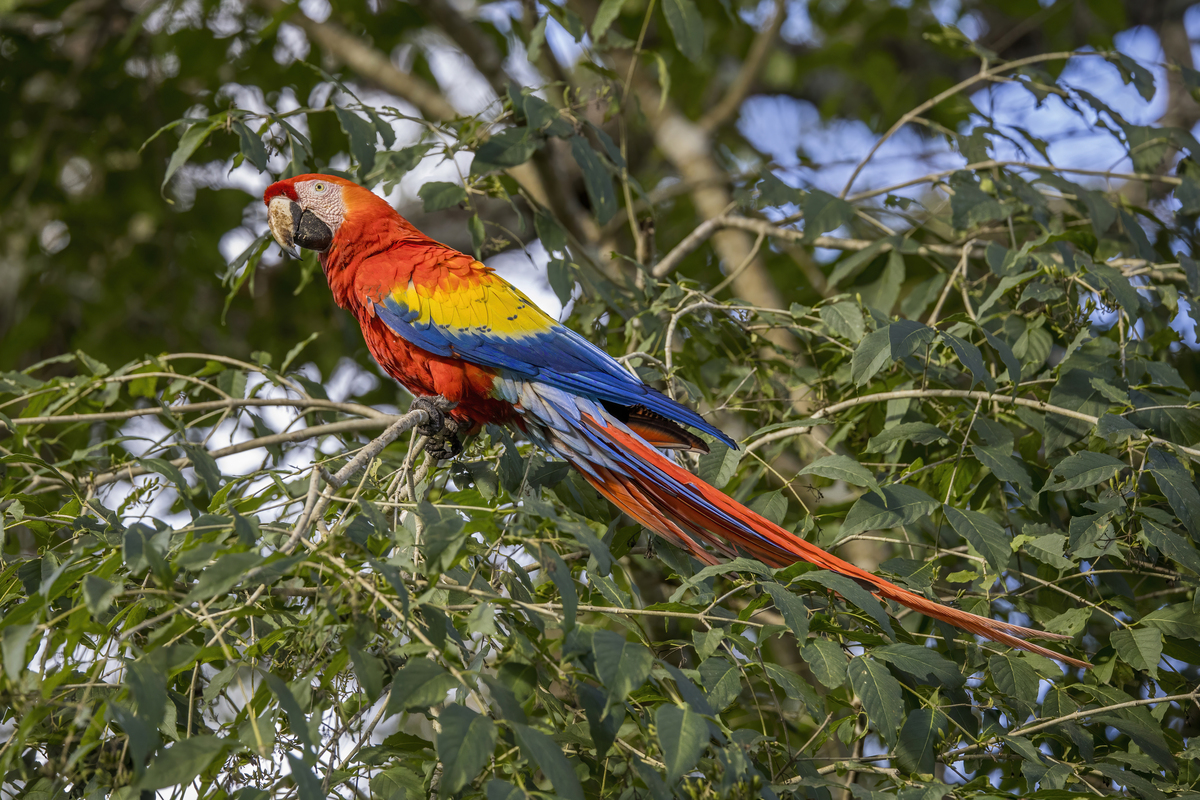
Choosing the Right Cage
The cage is your most important investment. Always choose the largest cage you can afford and accommodate.
Size Guidelines
Minimum recommendations (bigger is always better).
- Finches and canaries: 24" x 14" x 18" (flight cage preferred for exercise)
- Budgies: 18" x 18" x 24"
- Cockatiels: 24" x 18" x 24"
- Lovebirds: 24" x 18" x 24"
- Conures: 24" x 24" x 30"
- African Greys, Amazons: 36" x 24" x 48"
- Cockatoos, Macaws: 40" x 30" x 60" or larger
The bird should be able to fully extend and flap wings without touching cage sides.
Cage Shape
- Rectangular or square: Best choice; birds feel secure in corners
- Avoid round cages: No corners for security; can cause psychological stress
- Wide over tall: Birds fly horizontally; width matters more than height for most species
- Flight cages: Long, horizontal cages ideal for finches and small birds
Bar Spacing
Critical for safety — birds can get heads stuck or escape through improper spacing.
- Finches, canaries: 3/8" to 1/2"
- Budgies, lovebirds: 1/2"
- Cockatiels, small conures: 1/2" to 5/8"
- Medium parrots: 5/8" to 3/4"
- Large parrots: 3/4" to 1"
- Macaws: 1" to 1.5"
Bar Orientation
- Horizontal bars: Essential for climbing birds (parrots, parakeets)
- Vertical bars: Acceptable for finches and canaries who fly more than climb
- Combination: Horizontal on sides, vertical top is common and works well
Cage Materials
- Stainless steel: Best choice; durable, safe, easy to clean (expensive)
- Powder-coated steel: Good option; ensure coating is non-toxic and intact
- Wrought iron: Acceptable if properly coated
- AVOID: Zinc, lead, brass, galvanized metal (toxic)
- AVOID: Cages with flaking paint or rust
Toxic Metal Warning
Zinc and lead poisoning is a serious risk for birds. Avoid galvanized metal (dipped in zinc), cheap imported cages, and older cages with unknown coatings. If you're unsure about a cage's safety, have it tested or choose stainless steel.
Cage Placement
Where you place the cage significantly affects your bird's wellbeing.
Ideal Location
- Social area: Where family spends time (living room, family room)
- Against a wall: Provides security; birds feel vulnerable when exposed on all sides
- Chest height: Eye level promotes interaction and comfort
- Good lighting: Near natural light but not direct sunlight
- Stable temperature: 65-80°F (18-27°C) for most species
Locations to Avoid
- Kitchen: Cooking fumes, non-stick cookware fumes, temperature fluctuations
- Bathroom: Humidity changes, aerosol products, limited ventilation
- Near windows with direct sun: Can cause overheating
- Near air vents or fans: Drafts can cause illness
- High-traffic doorways: Constant disturbance causes stress
- Near TV or speakers: Loud sounds can stress sensitive birds
- Garage or basement: Fumes, temperature extremes, isolation
Kitchen Danger
Never keep birds in or near kitchens. Non-stick cookware (Teflon, PTFE) releases fumes when overheated that kill birds within minutes. Self-cleaning oven cycles are equally deadly. These fumes are fatal even with good ventilation.
Perches
Proper perches are essential for foot health. Variety in size and material prevents pressure sores and foot problems.
Perch Diameter Guidelines
- Finches: 3/8" to 1/2"
- Budgies, canaries: 1/2" to 5/8"
- Cockatiels, lovebirds: 5/8" to 3/4"
- Medium parrots: 3/4" to 1"
- Large parrots: 1" to 2"
- Macaws: 1.5" to 2.5"
Provide multiple diameters so feet aren't always gripping the same size.
Perch Types
- Natural wood branches: Best option; varying diameters and textures exercise feet
- Rope perches: Comfortable, flexible; check for fraying
- Manzanita perches: Hard, smooth, long-lasting
- Cement or grooming perches: One per cage, helps maintain nails (don't use as primary perch)
- Platform perches: Flat resting spots, good for older or disabled birds
Perches to Avoid or Limit
- Sandpaper covers: Cause foot sores; do not effectively trim nails
- Uniform dowel rods only: Same diameter causes pressure points
- Plastic perches: Slippery, don't provide good grip
Safe Wood for Perches
- Apple, pear (fruit trees without pesticides)
- Manzanita
- Eucalyptus
- Elm
- Maple
- Willow
- Birch
- Ash
- Grape vine
Toxic Woods to Avoid
- Cherry (bark contains cyanide)
- Cedar (aromatic oils)
- Oak (tannic acid)
- Walnut
- Yew
- Any treated or painted wood
- Trees near roadsides (pesticides, car exhaust)
Perch Placement
- Position at different heights to encourage movement
- Don't place perches directly above food or water dishes
- Include one high sleeping perch
- Leave room for flight between perches (for flying species)
- Avoid overcrowding that restricts movement
Container Types
- Stainless steel: Most hygienic, durable, easy to clean
- Ceramic: Heavy (won't tip), easy to clean
- Plastic: Acceptable if bird doesn't chew; replace when scratched
- Water bottles: Keep water cleaner; not all birds will use them
Container Placement
- Position where droppings won't contaminate
- Multiple stations can help with territorial birds
- Easy access for daily cleaning and refilling
- Secure mounting prevents tipping
Cage Accessories
Once this part of bird care clicks, the downstream choices tend to come faster and land better. Watch your individual bird for feedback signals, and tune routines to the patterns you actually see.
Essential Accessories
- Cuttlebone: Calcium supplementation, beak conditioning
- Mineral block: Additional minerals
- Variety of toys: 3-5 toys minimum, rotated regularly
- Cage cover: For quiet, dark sleeping environment
- Cage skirt or seed guard: Helps contain mess
Toy Types to Include
- Foraging toys: Hide treats to encourage natural behavior
- Shredding toys: Paper, cardboard, palm fronds to destroy
- Preening toys: Rope, leather strips for grooming urges
- Foot toys: Small items to manipulate (for appropriate species)
- Swings and ladders: Physical exercise and play
- Bells and noise-makers: Interaction (some birds love, others are scared of)
Toy Safety
- Check for small parts that could be swallowed
- Avoid jingle bells with openings that can trap toes
- Remove frayed rope that could entangle
- Avoid clips or fasteners that can trap beaks or toes
- Inspect toys regularly and replace when damaged
- Remove toy if bird seems frightened of it
Cage Bottom and Liner
Adapt to your bird sitting in your home and you will almost always outperform a by-the-book approach.
Lining Options
- Plain newspaper: Inexpensive, allows easy monitoring of droppings
- Paper towels: Absorbent, easy to check droppings
- Butcher paper: Clean, easy to replace
- Cage paper (liner rolls): Convenient, sized for cages
What to Avoid
- Wood shavings: Can harbor mold, bacteria; some woods are toxic
- Cedar chips: Aromatic oils are toxic to birds
- Cat litter: Toxic if ingested, dusty
- Corn cob bedding: Harbors bacteria and mold
- Sand: Can cause crop impaction if ingested
- Walnut shells: Risk of ingestion and impaction
Grate Use
- Grates keep birds from walking in droppings
- Some birds enjoy foraging on cage bottom (grate can be removed)
- Grate should be cleaned regularly
Cleaning and Maintenance
Regular cleaning prevents disease and keeps your bird healthy. Your avian veterinarian and experienced bird owners can offer perspective tailored to your situation.
Daily Cleaning
- Replace food and water
- Wash food and water dishes
- Remove obvious waste or soiled areas
- Check and spot-clean perches
- Change cage liner (or spot clean)
Weekly Cleaning
- Remove and wash all perches
- Clean all toys
- Scrub cage bars and grate
- Wipe down cage bottom tray
- Clean area around cage
Monthly Deep Cleaning
- Complete cage disassembly and scrubbing
- Disinfect with bird-safe cleaner
- Check all components for wear or damage
- Replace worn toys or accessories
- Check for rust or coating damage
Safe Cleaning Products
- White vinegar and water (1:1): Safe, effective general cleaner
- Dish soap and hot water: Good for daily dish washing
- Grapefruit seed extract: Natural disinfectant
- F10 Veterinary Disinfectant: Avian-safe, used by veterinarians
- Steam cleaning: Excellent for deep cleaning without chemicals
Products to Avoid
- Bleach (unless thoroughly rinsed and aired; fumes are dangerous)
- Ammonia-based cleaners
- Scented cleaning products
- Pine-Sol and similar products
- Any product with strong fumes
Environmental Factors
Generic guidance is a floor; it is your bird-specific nuance that raises the ceiling on outcomes.
Temperature
- Most birds comfortable at 65-80°F (18-27°C)
- Avoid sudden temperature changes
- Keep away from heating/cooling vents
- Provide warm sleeping area if home is cold
- Watch for signs of being too cold (fluffed feathers) or too hot (panting)
Humidity
- 40-60% humidity is ideal for most birds
- Tropical species may need higher humidity
- Regular misting or bathing helps
- Consider humidifier in dry climates
- Low humidity can cause dry, itchy skin and respiratory issues
Lighting
- Full-spectrum lighting benefits vitamin D synthesis
- 12 hours light, 12 hours dark for most species
- Consistent light schedule helps regulate hormones
- Natural light through windows is beneficial (but not direct hot sun)
- Dim lights gradually in evening to prevent night frights
Sleep Requirements
- Most birds need 10-12 hours of quiet, dark sleep
- Use cage cover to block light and reduce noise
- Sleep cage in quiet room can help if household is active
- Consistent bedtime promotes health and reduces hormonal behavior
Bird-Proofing for Out-of-Cage Time
When birds are out of their cage, the environment must be safe. Owners who watch the bird in front of them closely — not a breed average — consistently report better outcomes.
Hazards to Remove or Secure
- Open water: Toilets, sinks, pots, glasses
- Ceiling fans: Turn off before bird is out
- Windows and mirrors: Cover or keep bird away to prevent collisions
- Toxic plants: Remove or relocate
- Open flames: Candles, stoves, fireplaces
- Other pets: Even friendly cats and dogs can injure birds
- Electrical cords: Hide or cover
- Small spaces: Behind furniture, in appliances where bird could get trapped
- Open doors and windows: Ensure all are closed
Play Areas
- Play stands provide safe out-of-cage space
- Position away from hazards
- Include perches, toys, and food/water
- Always supervise out-of-cage time
Common Household Toxins
Birds have sensitive respiratory systems. Keep birds away from: non-stick cookware fumes (PTFE/Teflon), self-cleaning oven cycles, air fresheners, scented candles, aerosol sprays, cigarette smoke, and any strong chemical fumes. These can kill birds rapidly.
Travel Carrier
A proper travel carrier is essential for vet visits and emergencies.
Carrier Features
- Appropriate size (bird can turn around but not fly)
- Secure door closure
- Good ventilation
- Easy to clean
- Perch included (low and stable)
Getting Your Bird Used to the Carrier
- Leave carrier near cage with door open
- Place treats inside to create positive associations
- Practice short "trips" around the house
- Don't only use carrier for vet visits
Ask the AI About Bird Habitat
Have questions about cage setup, placement, or creating the ideal environment for your bird? Our AI assistant can provide personalized guidance.