Peruvian Inca Orchid
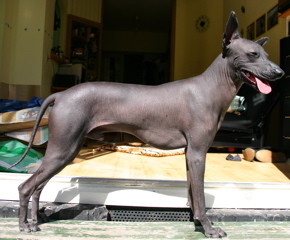
Quick Facts
| Attribute | Details |
|---|---|
| Breed Group | Sighthound / Primitive |
| Size | Small (9-18 lbs), Medium (18-26 lbs), Large (26-55 lbs) |
| Height | Small: 10-16", Medium: 16-20", Large: 20-26" |
| Lifespan | 12-14 years |
| Temperament | Affectionate, Lively, Alert, Protective |
| Good with Kids | Good (with proper socialization) |
| Good with Other Dogs | Moderate (early socialization essential) |
| Shedding | None (hairless) to Low (coated variety) |
| Exercise Needs | Moderate to High (45-60 minutes daily) |
| Trainability | Good (sensitive to harsh methods) |
Recommended for Peruvian Inca Orchid
The Farmer's Dog - Fresh food for sensitive skin | Embark DNA - Health screening for genetic conditions | Spot Insurance - Coverage for skin & dental care
Peruvian Inca Orchid Overview
The Peruvian Inca Orchid (PIO), also known as Perro Sin Pelo del Peru (Peruvian Hairless Dog), is an ancient sighthound breed that has existed in Peru for thousands of years. Artifacts depicting these elegant dogs have been found in Moche, Chimu, Chancay, and Incan pottery dating back to 750 AD. The breed was declared a National Patrimony of Peru in 2001.
Available in three sizes and two varieties (hairless and coated), the PIO is prized for its elegant, slender build and graceful movement. Despite their delicate appearance, these dogs are athletic, agile, and possess the speed typical of sighthounds. They form deep bonds with their families and can be protective of their homes.
The Peruvian Inca Orchid is a breed that commands attention not just for its physical appearance but for the depth of personality and capability it brings to a household. With a lifespan averaging 12-14 years, the decision to welcome a Peruvian Inca Orchid into your family is one that will shape your daily routine, activity levels, and emotional life for well over a decade. This breed's affectionate, lively, alert, protective temperament is the product of generations of selective breeding for specific traits—understanding this heritage provides valuable insight into why your Peruvian Inca Orchid behaves the way it does and what it needs from you as an owner to truly thrive.
Getting to know a Peruvian Inca Orchid on a deeper level means recognizing what makes this particular animal tick. Their instincts, energy levels, and social preferences aren't problems to solve — they're defining traits that shape how you'll live together day to day.
Bringing a Peruvian Inca Orchid into your household means real changes to your daily rhythm. Their needs will influence your schedule, your purchases, and occasionally your plans — but owners who embrace that adjustment rather than resisting it tend to build stronger bonds.
Temperament & Personality
The Peruvian Inca Orchid has a complex, rewarding personality: Your veterinarian and experienced Peruvian Inca Orchid owners can offer perspective tailored to your situation.
- Affectionate with Family: PIOs are devoted to their people and thrive on close contact. They often want to sleep in bed with their owners.
- Alert & Protective: Despite their elegant appearance, PIOs make excellent watchdogs and can be protective of their territory.
- Reserved with Strangers: They typically need time to warm up to new people and may be aloof initially.
- Sensitive Nature: PIOs are emotionally sensitive and pick up on their owner's moods. They don't tolerate harsh treatment.
- Playful & Agile: They retain a playful nature and enjoy games, especially those that use their speed and agility.
The affectionate, lively, alert, protective nature of the Peruvian Inca Orchid is not a simple personality label—it is a complex behavioral profile shaped by breed history, individual genetics, early socialization experiences, and ongoing environmental factors. What this means in practice is that two Peruvian Inca Orchid from different lines, raised in different environments, can display meaningfully different behavioral tendencies while still sharing core breed characteristics. Understanding this distinction helps owners set realistic expectations and develop training strategies tailored to their individual dog rather than relying solely on breed generalizations.
Your veterinarian knows your Peruvian Inca Orchid best — always verify dietary choices with them, especially if your dog has existing health conditions.
Common Health Issues
Peruvian Inca Orchids are generally healthy but have some specific considerations.
Skin Conditions (Hairless Variety)
- Sunburn: Hairless PIOs are very susceptible to sunburn. Sunscreen and protective clothing are essential.
- Skin Lesions: Without protection, repeated sun exposure can cause long-term skin damage.
- Dry Skin: Regular moisturizing helps maintain healthy skin. Use dog-safe lotions.
- Acne: Some PIOs develop acne, particularly during adolescence.
Dental Issues
- Missing Teeth: The gene for hairlessness is linked to incomplete dentition. Hairless PIOs often have missing or primitive teeth.
- Dental Disease: Regular dental care is crucial due to unusual tooth development.
Other Concerns
- Epilepsy: Some lines may be prone to seizures. Ask breeders about history.
- Irritable Bowel Disease: Some PIOs have sensitive digestive systems.
- Cold Sensitivity: Hairless variety needs protection in cool temperatures.
Health Screening Recommendation
Ask breeders about epilepsy and other health issues in their lines. Consider Embark DNA testing for comprehensive health screening.
A reliable baseline is what makes Peruvian Inca Orchid wellness care actually work. Consistent record-keeping — at home and at your vet — turns small, boring data points into early warnings that save money and discomfort later.
Genetic screening has changed how many Peruvian Inca Orchid owners approach preventive health. Rather than reacting to problems as they surface, test results allow targeted monitoring of the conditions your specific animal is most likely to encounter. That kind of focused attention, combined with veterinary expertise, creates a more effective care strategy than a generic one-size-fits-all approach.
The middle years of a Peruvian Inca Orchid's life are when subtle health shifts begin to appear — slightly slower recovery after exercise, a preference for softer resting spots, or minor changes in appetite. Recognizing these as natural transitions rather than emergencies allows you to make thoughtful adjustments to diet, activity, and veterinary care that extend both comfort and longevity.
Cost of Ownership
Understanding the full cost helps prepare for PIO ownership: Understanding how this applies specifically to Peruvian Inca Orchid helps you avoid common pitfalls.
| Expense Category | Annual Cost Estimate |
|---|---|
| Food (premium quality) | $400-$900 |
| Veterinary Care (routine) | $300-$500 |
| Pet Insurance | $350-$700 |
| Skin Care Products | $150-$350 |
| Dental Care | $200-$500 |
| Clothing & Sun Protection | $100-$250 |
| Supplies & Toys | $150-$300 |
| Total Annual Cost | $1,650-$3,500 |
Peruvian Inca Orchids — especially the hairless variety — have unique care costs tied directly to their bare skin, which needs sunscreen for outdoor activities and moisturizer during dry weather to prevent irritation. They are also sensitive to cold, so climate-appropriate clothing and a warm sleeping space are practical necessities rather than accessories. As a rare breed, the purchase price can be substantial, and finding an experienced vet adds another layer of planning.
Expect higher expenses during your Peruvian Inca Orchid's first year — initial vaccinations, spay or neuter surgery, microchipping, a quality bed, collar, and leash all add up. After that initial investment, the regular rhythm of food, vet visits, preventive medications, and the occasional gear replacement is much more predictable.
Skipping a wellness check when your Peruvian Inca Orchid seems fine is tempting, but many conditions progress silently. By the time you notice obvious symptoms, treatment may be more complex and more expensive. Routine exams exist to close the gap between looking healthy and actually being healthy.
Exercise & Activity Requirements
PIOs are athletic dogs with moderate to high exercise needs.
- Daily Exercise: 45-60 minutes of activity including walks and running opportunities
- Sighthound Instincts: They have strong prey drive and love to chase. Secure fencing is essential.
- Lure Coursing: Excellent sport for PIOs that satisfies their chase instincts safely
- Agility: Their speed and agility make them natural agility competitors
- Indoor Time: Despite their energy, they're calm indoors and enjoy lounging with family
Training Tips for Peruvian Inca Orchid
PIOs are intelligent but require a sensitive approach: Your veterinarian and experienced Peruvian Inca Orchid owners can offer perspective tailored to your situation.
- Positive Reinforcement: Essential for this sensitive breed. Harsh methods will backfire.
- Early Socialization: Crucial to prevent excessive shyness or suspicion of strangers.
- Prey Drive Management: Train solid recall but never fully trust off-leash in unfenced areas.
- Patience: PIOs can be independent thinkers. Build a relationship based on trust.
- Variety: Keep training interesting. PIOs get bored with repetition.
Nutrition & Feeding
Proper nutrition supports PIO health: Your veterinarian and experienced Peruvian Inca Orchid owners can offer perspective tailored to your situation.
- High-Quality Protein: Lean protein sources support their athletic build.
- Omega Fatty Acids: Important for skin health in hairless variety.
- Easily Digestible: Some PIOs have sensitive stomachs; quality ingredients help.
- Size-Appropriate Portions: Adjust feeding for small, medium, or large variety.
- Maintain Lean Weight: Sighthounds should stay lean for joint and overall health.
Top Food Choices for PIOs
The Farmer's Dog - Fresh, gentle recipes | Ollie - Custom fresh food plans | Hill's Science Diet - Sensitive skin & stomach formulas
When it comes to Peruvian Inca Orchid nutrition, simplicity usually wins. A well-formulated food that meets your Peruvian Inca Orchid's specific needs is better than a rotation of trendy diets. Focus on protein quality, calorie appropriateness for your Peruvian Inca Orchid's size and activity level, and avoiding ingredients your Peruvian Inca Orchid does not tolerate well. The rest is marketing.
Choosing the right food for your Peruvian Inca Orchid involves more substance than marketing. Flashy ingredient lists matter less than whether the nutritional profile matches your Peruvian Inca Orchid's life stage, size, and activity level. Pay attention to how your Peruvian Inca Orchid responds — coat condition, energy, digestion, and weight stability are the real indicators of whether a food is working.
Grooming Requirements
Grooming needs differ by variety: Your veterinarian and experienced Peruvian Inca Orchid owners can offer perspective tailored to your situation.
Hairless Variety
- Bathing: Weekly baths with gentle cleanser to keep skin healthy
- Moisturizing: Regular application of dog-safe lotion, especially after bathing
- Sun Protection: Sunscreen required for any outdoor time in daylight
- Clothing: Protective clothing for sun and cold weather
Coated Variety
- Brushing: Weekly brushing to maintain coat health
- Bathing: Every 4-6 weeks or as needed
Both Varieties
- Dental Care: Daily brushing, especially important for hairless variety
- Nail Trimming: Every 2-3 weeks
- Ear Cleaning: Weekly inspection and cleaning
PIOs Are Great For:
- Experienced owners who appreciate primitive breeds
- Those seeking a loyal, devoted companion
- People with allergies (hairless variety)
- Owners interested in lure coursing or agility
- Those committed to skin care and sun protection
PIOs May Not Be Ideal For:
- First-time dog owners
- Homes with small pets (strong prey drive)
- Those wanting an instantly friendly, social dog
- People in extremely cold climates
- Those unable to provide secure fencing
Confidence that you can provide what a Peruvian Inca Orchid needs is the first prerequisite. The second is finding a quality source — a responsible breeder or a breed-specific rescue that prioritizes health and proper care. These two things together give you the best possible foundation for a rewarding experience with your new Peruvian Inca Orchid.
Life with a Peruvian Inca Orchid settles into a rhythm that most owners come to genuinely enjoy. The daily routines of care, exercise, and interaction become part of the fabric of your household rather than a burden.
Related Breeds to Consider
If you're interested in Peruvian Inca Orchid, you might also consider.
- Xoloitzcuintli - Similar hairless breed from Mexico
- Chinese Crested - Smaller hairless breed
- Whippet - Similar sighthound build and temperament
- Italian Greyhound - Small, elegant sighthound
Ask Our AI About Peruvian Inca Orchid
A sharper view of this part of Peruvian Inca Orchid care puts you in a better position to make decisions the animal can actually feel. Use this as scaffolding — the durable version of your Peruvian Inca Orchid's routine forms over the first few weeks of observation.
Related Health & Care Guides
Owners who study the Peruvian Inca Orchid closely, not in the abstract but the pet in front of them, report better outcomes across the board.
Get Personalized AI Guidance
Ask Our AI NowDecision Guides for Peruvian Inca Orchid
Use these only when comparing food, insurance, ownership budget, or beginner fit for this specific pet.