Whippet
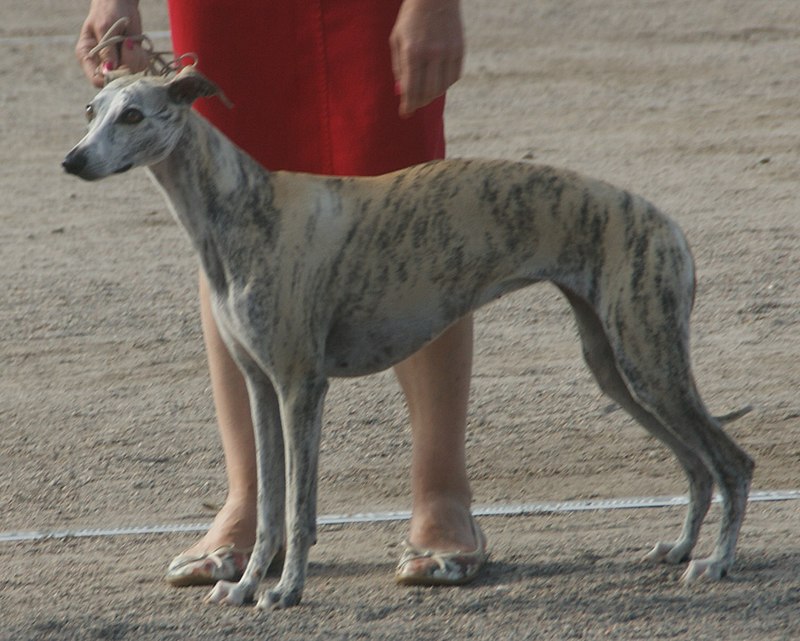
Quick Facts
| Attribute | Details |
|---|---|
| Breed Group | Hound |
| Size | Medium (25-40 lbs) |
| Height | 18-22 inches |
| Lifespan | 12-15 years |
| Temperament | Gentle, Affectionate, Athletic |
| Good with Kids | Excellent |
| Good with Other Dogs | Excellent |
| Shedding | Low |
| Exercise Needs | Moderate (30-60 min daily) |
| Trainability | Good (sensitive to correction) |
Recommended for Whippets
The Farmer's Dog - Fresh food for lean athletes | Embark DNA - Health screening for genetic conditions | Spot Insurance - Coverage for injuries & more
Whippet Overview
The Whippet, often called the "poor man's Greyhound," was developed in Victorian England by crossing Greyhounds with smaller terriers. Originally bred by working-class people for rabbit coursing and "rag racing," Whippets are the fastest domesticated animals of their weight, capable of reaching speeds up to 35 mph.
Today, Whippets are prized for their gentle, affectionate nature and elegant appearance. Despite their athletic capabilities, they're surprisingly calm indoors and are often described as "the ultimate couch potato" when not running. Their sweet temperament and adaptable nature make them excellent companions for various lifestyles.
The Whippet is a breed that commands attention not just for its physical appearance but for the depth of personality and capability it brings to a household. With a lifespan averaging 12-15 years, the decision to welcome a Whippet into your family is one that will shape your daily routine, activity levels, and emotional life for well over a decade. This breed's gentle, affectionate, athletic temperament is the product of generations of selective breeding for specific traits—understanding this heritage provides valuable insight into why your Whippet behaves the way it does and what it needs from you as an owner to truly thrive.
The Whippet was not designed to be a generic pet, and the owners who do best with them are the ones who respect that. Learning about the breed's specific temperament, activity needs, and health predispositions takes effort, but that effort directly translates into a healthier, happier Whippet and a more rewarding ownership experience overall.
A Whippet will change your household in ways both expected and surprising. Some of those changes are practical — new equipment, a feeding schedule, a cleaning routine. Others are subtler: a heightened awareness of temperature, a new attentiveness to behavior, a different rhythm to your evenings. Owners who welcome these shifts rather than resisting them tend to build a more harmonious relationship with their Whippet.
Temperament & Personality
Whippets have a wonderfully balanced temperament: Understanding how this applies specifically to Whippet helps you avoid common pitfalls.
- Gentle & Affectionate: Extremely loving with their families; often described as "velcro dogs."
- Calm Indoors: Content to lounge on the couch for hours between exercise sessions.
- Athletic & Fast: Explosive speed when running; love opportunities to sprint.
- Sensitive: Respond best to gentle handling; harsh corrections can damage their trust.
- Quiet: Rarely bark; make poor guard dogs but excellent apartment dogs.
The gentle, affectionate, athletic nature of the Whippet is not a simple personality label—it is a complex behavioral profile shaped by breed history, individual genetics, early socialization experiences, and ongoing environmental factors. What this means in practice is that two Whippet from different lines, raised in different environments, can display meaningfully different behavioral tendencies while still sharing core breed characteristics. Understanding this distinction helps owners set realistic expectations and develop training strategies tailored to their individual dog rather than relying solely on breed generalizations.
Use the defaults here as a scaffold and let your veterinary team replace the placeholder values with ones calibrated to your pet's specific health profile.
Common Health Issues
Whippets are generally healthy but have some breed-specific concerns.
Heart Conditions
- Mitral Valve Disease: Degenerative heart valve condition; cardiac screening recommended.
- Arrhythmias: Some Whippets may have irregular heart rhythms.
Eye Conditions
- Progressive Retinal Atrophy (PRA): Genetic condition causing vision loss; DNA testing available.
- Cataracts: Can develop in some lines.
Other Concerns
- Anesthesia Sensitivity: Sighthounds have low body fat and are sensitive to anesthesia; require special protocols.
- Skin Lacerations: Thin skin is prone to cuts and tears; supervision during play important.
- Cold Sensitivity: Low body fat means they need protection in cold weather.
- Bully Whippet Syndrome: Genetic condition causing extreme muscle development; DNA test available.
Health Screening Recommendation
Before getting a Whippet, ask breeders for cardiac evaluations, eye certifications, and BAER testing. Consider Embark DNA testing to screen for genetic conditions. Ensure your vet is familiar with sighthound anesthesia protocols.
Taking care of a Whippet's long-term health means knowing what to watch for and when to act. Rather than waiting for obvious symptoms, experienced owners learn to read the quieter signals: a skipped meal here, a hesitation on the stairs there. Bringing those details to your vet during regular visits creates a much richer clinical picture than a single exam can provide on its own, and it is often the difference between catching an issue early and dealing with it late.
Genetic testing gives Whippet owners a head start on conditions that might otherwise catch them off guard. By understanding which health risks are written into your Whippet's DNA, you can work with your vet to schedule targeted checks and make informed choices about diet, exercise, and supplementation. The information is not a diagnosis — it is a roadmap for smarter, more personalized care.
The shift from prime adulthood to the senior phase is gradual for most Whippets, and the owners who navigate it best are the ones who adapt their care approach incrementally. Small changes — a diet with better joint support, slightly shorter but more frequent exercise sessions, and annual bloodwork instead of biennial — add up to a meaningfully better quality of life in the later years.
Cost of Ownership
Understanding the full cost helps prepare for Whippet ownership: Your veterinarian and experienced Whippet owners can offer perspective tailored to your situation.
| Expense Category | Annual Cost Estimate |
|---|---|
| Food (premium quality) | $300-$500 |
| Veterinary Care (routine) | $250-$500 |
| Pet Insurance | $300-$500 |
| Grooming | $50-$150 |
| Training (first year) | $150-$400 |
| Supplies & Toys | $200-$400 |
| Total Annual Cost | $1,250-$2,450 |
The numbers in the table above are averages — your actual spending will depend on where you live, your Whippet's individual health, and the choices you make about food quality, insurance, and grooming. Cities tend to be pricier for vet care. Rural areas may require longer drives to specialists. Build your budget with some room for the unexpected, because surprises are part of owning any pet.
Most new Whippet owners are surprised by first-year costs. The initial setup — vet visits, vaccinations, supplies, and often training classes — can easily double the annual maintenance figure. The good news is that subsequent years are more predictable. Just keep in mind that senior Whippets may need additional care as they enter the last few years of their 12-15 years lifespan.
Exercise & Activity Requirements
Whippets have an unique exercise pattern.
- Daily Exercise: 30-60 minutes including walks and opportunities to run
- Sprint Opportunities: Need safe, enclosed areas for full-speed running
- Lure Coursing: Excellent outlet for their natural prey drive
- Couch Time: Happy to relax between exercise sessions
- Leash Required: Strong prey drive means off-leash only in secure areas
Training Tips for Whippets
Whippets are intelligent but require gentle training methods.
- Positive Reinforcement Only: Sensitive nature means harsh corrections are counterproductive
- Short Sessions: Keep training brief and engaging
- Prey Drive Management: Train strong recall but never trust off-leash in unfenced areas
- Socialization: Expose to various people, places, and situations early
- Patience: They may appear independent but want to please
Nutrition & Feeding
Proper nutrition supports the Whippet's lean physique: Your veterinarian and experienced Whippet owners can offer perspective tailored to your situation.
- High-Quality Protein: Important for maintaining lean muscle mass
- Moderate Fat: Active Whippets need adequate calories for energy
- Portion Control: Should maintain a lean, athletic build; typically 1-1.5 cups daily
- Visible Ribs: Normal for Whippets to have visible last 2-3 ribs
- Multiple Small Meals: Some Whippets do better with 2-3 smaller meals
Top Food Choices for Whippets
The Farmer's Dog - Fresh, portion-controlled meals | Ollie - Custom fresh food for active dogs | Hill's Science Diet - Vet-recommended formulas
Grooming Requirements
Whippets are very low-maintenance in grooming: Your veterinarian and experienced Whippet owners can offer perspective tailored to your situation.
- Brushing: Weekly brushing with a soft brush or rubber curry
- Bathing: Only as needed; typically every 4-8 weeks
- Nail Trimming: Every 2-4 weeks
- Dental Care: Regular brushing recommended
- Ear Cleaning: Weekly check and clean as needed
- Cold Weather Gear: Coats needed in cold weather due to thin skin and low body fat
Is a Whippet Right for You?
A Whippet tends to reveal the payoff of this kind of attention gradually, rather than in a single dramatic moment.
Whippets Are Great For:
- Apartment dwellers seeking a quiet, low-maintenance companion
- Families with gentle children
- Those who enjoy a calm dog indoors but active exercise outdoors
- People who appreciate an affectionate, cuddly companion
- First-time owners willing to learn sighthound needs
Whippets May Not Be Ideal For:
- Homes with small pets like rabbits or cats (unless raised together)
- Those wanting a dog that can be off-leash in unfenced areas
- People who prefer robust, rough-and-tumble dogs
- Those in very cold climates without indoor living arrangements
- Families wanting a protective guard dog
Whether a Whippet fits your life comes down to a few practical questions. How much time can you realistically spend on exercise, grooming, and training each day? Is your living space suitable? Can you afford both routine care and the occasional surprise vet bill over the next 12-15 years? If the honest answers line up, a Whippet can be a genuinely good match. If they don't, there is no shame in choosing a different dog — or waiting until your circumstances change.
Look past the schedule of grooming, vet care, and training and Whippet ownership is really about a relationship with a dog that ends up knowing its people well. Most Whippet owners will tell you that dynamic — more than the mechanics — is why the arrangement works.
Related Breeds to Consider
If you're interested in Whippets, you might also consider.
- Italian Greyhound - Smaller sighthound, similar temperament
- Greyhound - Larger version with similar personality
- Basenji - Another quiet, elegant breed
- Saluki - Elegant sighthound, more independent
Ask Our AI About Whippets
Owners with a solid grasp of this Whippet care area navigate unexpected events with noticeably less stress. Take the baseline below, observe for two to three weeks, and refine to whatever rhythm works for the specific Whippet in your home.
Related Health & Care Guides
Routine fit shows up in small behavioural signals: appetite, sleep, elimination, and mood. Calibrate the routine until those signals stay steady.
Get Personalized AI Guidance
Ask Our AI NowDecision Guides for Whippet
Use these only when comparing food, insurance, ownership budget, or beginner fit for this specific pet.