Xoloitzcuintli
Quick Facts
| Attribute | Details |
|---|---|
| Breed Group | Non-Sporting |
| Size | Toy (10-14 lbs), Miniature (15-30 lbs), Standard (30-55 lbs) |
| Height | Toy: 10-14", Mini: 14-18", Standard: 18-23" |
| Lifespan | 13-18 years |
| Temperament | Calm, Loyal, Alert, Watchful |
| Good with Kids | Good (better with older children) |
| Good with Other Dogs | Moderate (early socialization needed) |
| Shedding | None (hairless) to Low (coated variety) |
| Exercise Needs | Moderate (30-60 minutes daily) |
| Trainability | Good (can be independent) |
Recommended for Xoloitzcuintli
The Farmer's Dog - Fresh food for sensitive digestion | Embark DNA - Health screening for genetic conditions | Spot Insurance - Coverage for skin conditions & dental care
Xoloitzcuintli Overview
The Xoloitzcuintli (pronounced "show-low-eats-QUEENT-lee"), also known as the Mexican Hairless Dog or simply "Xolo," is one of the world's oldest and rarest dog breeds. With a history dating back over 3,000 years to ancient Aztec and Mayan civilizations, the Xolo was considered a sacred dog that guided souls to the underworld and possessed healing properties.
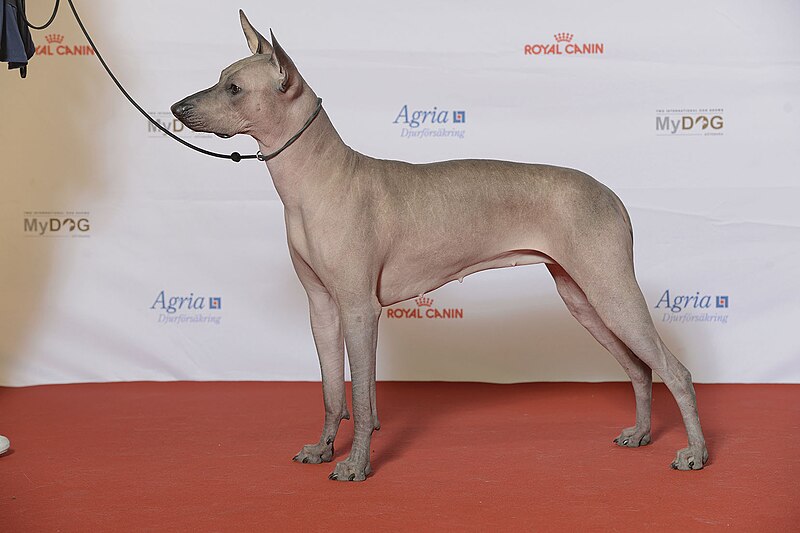
This ancient breed comes in three sizes (toy, miniature, and standard) and two varieties (hairless and coated). The hairless variety is most iconic, featuring smooth, warm skin that requires special care. Xolos are known for their calm demeanor, deep loyalty to their families, and primitive watchdog instincts.
The Xoloitzcuintli is a breed that commands attention not just for its physical appearance but for the depth of personality and capability it brings to a household. With a lifespan averaging 13-18 years, the decision to welcome a Xoloitzcuintli into your family is one that will shape your daily routine, activity levels, and emotional life for well over a decade. This breed's calm, loyal, alert, watchful temperament is the product of generations of selective breeding for specific traits—understanding this heritage provides valuable insight into why your Xoloitzcuintli behaves the way it does and what it needs from you as an owner to truly thrive.
What sets successful Xoloitzcuintli owners apart is a willingness to learn about the breed on its own terms. Rather than expecting their Xoloitzcuintli to conform to a generic ideal, they study the animal's inherent characteristics and adjust their approach accordingly. That kind of informed, respectful ownership creates a much better outcome for both the owner and the Xoloitzcuintli.
Owning a Xoloitzcuintli introduces a layer of structure to your day that can feel demanding at first but often becomes a welcome rhythm. Regular feeding, maintenance, and observation are not optional — they are the foundation of responsible care. Most experienced Xoloitzcuintli owners will tell you that the routine is not the hard part; the hard part is the first few weeks of building it. After that, it feels natural.
Temperament & Personality
Xoloitzcuintli have a distinctive temperament shaped by thousands of years of evolution: Understanding how this applies specifically to Xoloitzcuintli helps you avoid common pitfalls.
- Loyal & Devoted: Xolos form incredibly strong bonds with their primary person or family, often becoming "velcro dogs" that want to be near you constantly.
- Calm & Composed: Adult Xolos are typically calm, dignified dogs that don't require constant activity. They're known for their serene presence.
- Alert & Watchful: Xolos have strong watchdog instincts and will alert to strangers. They can be reserved or aloof with people they don't know.
- Sensitive: This breed is emotionally sensitive and responds best to gentle, positive training methods. Harsh corrections can damage their trust.
- Intelligent: Xolos are smart and can be trained, though they may have an independent streak and decide when they want to comply.
The calm, loyal, alert, watchful nature of the Xoloitzcuintli is not a simple personality label—it is a complex behavioral profile shaped by breed history, individual genetics, early socialization experiences, and ongoing environmental factors. What this means in practice is that two Xoloitzcuintli from different lines, raised in different environments, can display meaningfully different behavioral tendencies while still sharing core breed characteristics. Understanding this distinction helps owners set realistic expectations and develop training strategies tailored to their individual dog rather than relying solely on breed generalizations.
Loop the veterinary team into any significant diet transition before it begins; the review takes minutes and prevents interactions that are hard to unwind later.
Common Health Issues
Xoloitzcuintli are generally a healthy, primitive breed with few inherited conditions: Your veterinarian and experienced Xoloitzcuintli owners can offer perspective tailored to your situation.
Skin Conditions (Hairless Variety)
- Acne: Adolescent Xolos may develop acne, particularly on the face and body. Usually resolves with proper skin care.
- Sunburn: Hairless Xolos need sun protection. Dog-safe sunscreen or protective clothing is essential for outdoor time.
- Dry Skin: Regular moisturizing helps maintain healthy skin. Avoid over-bathing which strips natural oils.
Dental Issues
- Missing Teeth: Hairless Xolos often have incomplete dentition, which is genetically linked to hairlessness. Coated Xolos have full dentition.
- Early Tooth Loss: Regular dental care is important as teeth may be weaker in hairless varieties.
Other Concerns
- Patellar Luxation: More common in toy and miniature sizes. Have breeding dogs evaluated.
- Hip Dysplasia: Occasionally seen in standard size. OFA screening recommended for breeders.
- Cold Sensitivity: Hairless Xolos feel cold easily and need sweaters in cool weather.
Health Screening Recommendation
Xolos are generally healthy, but ask breeders about cardiac, patellar, and eye evaluations. Consider Embark DNA testing to screen for genetic health conditions.
The Xoloitzcuintli benefits most from owners who pay close attention to the small things. A slight change in drinking habits, a new reluctance to play, or a coat that looks duller than usual can all signal developing issues. Documenting these observations gives your veterinarian concrete data to work with during wellness exams, making it far easier to catch conditions while they are still manageable rather than advanced.
Advances in genetic screening now allow Xoloitzcuintli owners to identify inherited risk factors before symptoms appear. Knowing whether your Xoloitzcuintli carries markers for certain conditions helps you and your vet tailor screening schedules and lifestyle adjustments accordingly. While a genetic predisposition does not guarantee illness, it offers a practical starting point for focused preventive care.
Senior care for a Xoloitzcuintli really begins in midlife, when the body starts to shift in ways that are easy to dismiss as normal variation. A slightly stiffer gait, a slower response to play, or a new preference for warmer sleeping spots can all signal the beginning of age-related changes. Addressing them early — with dietary tweaks, joint support, and more frequent vet visits — pays dividends in sustained quality of life.
Cost of Ownership
Understanding the full cost helps prepare for Xolo ownership: Your veterinarian and experienced Xoloitzcuintli owners can offer perspective tailored to your situation.
| Expense Category | Annual Cost Estimate |
|---|---|
| Food (premium quality) | $400-$800 |
| Veterinary Care (routine) | $300-$500 |
| Pet Insurance | $300-$600 |
| Skin Care Products | $100-$300 |
| Dental Care | $200-$500 |
| Clothing (for hairless) | $100-$200 |
| Supplies & Toys | $150-$300 |
| Total Annual Cost | $1,550-$3,200 |
Most new Xoloitzcuintli owners are surprised by first-year costs. The initial setup — vet visits, vaccinations, supplies, and often training classes — can easily double the annual maintenance figure. The good news is that subsequent years are more predictable. Just keep in mind that senior Xoloitzcuintlis may need additional care as they enter the last few years of their 13-18 years lifespan.
Exercise & Activity Requirements
Xolos have moderate exercise needs compared to many breeds: The closer your routine tracks the Xoloitzcuintli's specific traits, the easier everything downstream becomes.
- Daily Exercise: 30-60 minutes of activity including walks and play sessions
- Mental Stimulation: Puzzle toys and interactive games to engage their intelligence
- Indoor Play: Xolos enjoy playing indoors, especially in cold weather
- Supervised Outdoor Time: Sun protection needed for hairless variety
- Calm Companionship: Xolos are content to relax near their owners much of the day
Training Tips for Xoloitzcuintli
Xolos are intelligent but can be independent thinkers.
- Positive Methods Only: Xolos are sensitive and respond poorly to harsh corrections. Use rewards and encouragement.
- Early Socialization: Critical for this naturally reserved breed. Expose to many people, places, and situations as puppies.
- Consistency: Set clear rules and stick to them. Xolos will test boundaries.
- Patience: Don't rush training. Xolos learn at their own pace and may need time to process.
- Build Trust: Your bond with your Xolo is the foundation for successful training.
Nutrition & Feeding
Proper nutrition supports Xolo health and skin condition: Your veterinarian and experienced Xoloitzcuintli owners can offer perspective tailored to your situation.
- High-Quality Protein: Choose foods with quality animal protein sources as the first ingredient.
- Omega Fatty Acids: Essential for healthy skin, particularly important for hairless varieties.
- Appropriate Portions: Feed according to size variety. Toy, miniature, and standard have different needs.
- Limited Ingredients: Some Xolos do well on limited ingredient diets if they have sensitivities.
- Fresh Water: Always provide clean, fresh water. Hydration supports skin health.
Top Food Choices for Xolos
The Farmer's Dog - Fresh, portion-controlled meals | Ollie - Custom fresh food for your Xolo's needs | Hill's Science Diet - Sensitive skin formulas
Diet has a compounding effect on Xoloitzcuintli health. Small improvements in food quality — better protein sources, fewer artificial additives, appropriate calorie density — add up over years. You will not see dramatic changes overnight, but over the course of your Xoloitzcuintli's life, consistent good nutrition makes a measurable difference in energy, mobility, and overall well-being.
Grooming Requirements
Xolo grooming differs significantly based on variety: Generic guidance is a floor; it is the Xoloitzcuintli-specific nuance that raises the ceiling on outcomes.
Hairless Variety
- Bathing: Weekly baths with gentle, dog-safe cleanser to prevent clogged pores
- Moisturizing: Apply dog-safe lotion after baths to prevent dry skin
- Sun Protection: Dog-safe sunscreen on exposed skin when outdoors
- Acne Care: Gentle cleansing for adolescent acne; consult vet if severe
Coated Variety
- Brushing: Weekly brushing to remove loose hair
- Bathing: Every 4-6 weeks or as needed
Both Varieties
- Dental Care: Daily brushing recommended, especially important for hairless with incomplete dentition
- Nail Trimming: Every 2-3 weeks
- Ear Cleaning: Weekly inspection and cleaning as needed
Is a Xoloitzcuintli Right for You?
This is one of the quieter parts of life with a Xoloitzcuintli — less dramatic than training or diet, but compounding steadily into long-term outcomes.
Xolos Are Great For:
- People seeking a loyal, devoted companion
- Those with allergies (hairless variety is often tolerated better)
- Owners who appreciate a calm, dignified dog
- People willing to provide skin care for hairless variety
- Those who want an unique, ancient breed
Xolos May Not Be Ideal For:
- Families with very young children (Xolos prefer calmer environments)
- Those wanting an overly friendly, social butterfly dog
- People in very cold climates without commitment to dog clothing
- First-time owners unfamiliar with primitive breeds
- Those unable to provide significant socialization during puppyhood
Whether a Xoloitzcuintli fits your life comes down to a few practical questions. How much time can you realistically spend on exercise, grooming, and training each day? Is your living space suitable? Can you afford both routine care and the occasional surprise vet bill over the next 13-18 years? If the honest answers line up, a Xoloitzcuintli can be a genuinely good match. If they don't, there is no shame in choosing a different dog — or waiting until your circumstances change.
Related Breeds to Consider
If you're interested in Xoloitzcuintli, you might also consider.
- Peruvian Inca Orchid - Another ancient hairless breed from South America
- Chinese Crested - Smaller hairless breed with similar care needs
- Basenji - Ancient, primitive breed with independent nature
- Pharaoh Hound - Ancient breed with similar dignified temperament
Ask Our AI About Xoloitzcuintli
A confident read of this side of Xoloitzcuintli care puts you in a better position to make decisions the animal can actually feel. Because each Xoloitzcuintli is its own animal, treat any general guideline as a starting point and refine from there.
Related Health & Care Guides
Get Personalized AI Guidance
Ask Our AI NowDecision Guides for Xoloitzcuintli
Use these only when comparing food, insurance, ownership budget, or beginner fit for this specific pet.