Nebelung Cat
Quick Facts
| Attribute | Details |
|---|---|
| Size | Medium (7-15 lbs) |
| Lifespan | 15-18 years |
| Temperament | Gentle, Shy, Devoted |
| Shedding | Moderate |
| Activity Level | Moderate |
| Vocalization | Low |
| Good with Kids | Good (older, calm children) |
| Good with Other Pets | Good (with proper introduction) |
| Grooming Needs | Moderate |
| Intelligence | High |
Recommended for Nebelungs
Basepaws DNA Test - Genetic health screening for cats | Spot Insurance - Coverage for health conditions | Chewy - Quality cat supplies
Nebelung Cat Overview
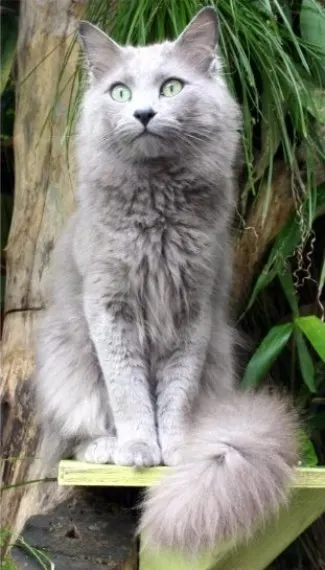
The Nebelung is a rare and beautiful breed whose name means "creature of the mist" in German, perfectly describing their ethereal blue-grey coat that seems to shimmer like fog. This breed was developed in the 1980s in the United States and is essentially the longhaired version of the Russian Blue, with the same striking green eyes and blue coat but with a luxurious semi-long flowing coat.
Nebelungs are known for their gorgeous silvery-blue double coat that has a soft, silky texture. Their coat has silver-tipped guard hairs that give them a luminous, almost glowing appearance in certain light. Combined with their vivid green eyes, they are truly stunning cats.
With a typical lifespan of 15-18 years, bringing a Nebelung Cat into your home represents a significant commitment—one that, when properly informed, leads to one of the most rewarding companion animal relationships possible. The Nebelung Cat's gentle, shy, devoted character is not simply a breed description but reflects deep-seated behavioral tendencies shaped by genetics, early socialization, and the breed's historical development. Understanding these underlying factors helps owners create environments and routines that bring out the best in their Nebelung Cat.
What many prospective Nebelung Cat owners discover quickly is that this breed has a distinctive personality that sets it apart from the generic notion of what a cat is like. The gentle, shy, devoted traits associated with Nebelung Cat manifest in daily life through specific play preferences, social interaction patterns, vocalization tendencies, and activity rhythms. Some Nebelung Cat are notably more interactive and demanding of attention than average, while others may display an independent streak that requires a different approach to bonding and enrichment. Understanding where your individual Nebelung Cat falls on this spectrum—and adjusting your care approach accordingly—is one of the keys to a harmonious human-cat relationship.
A brief conversation with your veterinarian translates this general Nebelung framework into a plan that fits the individual animal.
Personality & Temperament
Nebelungs are gentle, reserved cats with devoted hearts.
- Shy at First: They tend to be reserved with strangers and need time to warm up to new people.
- Deeply Loyal: Once bonded, they are extremely devoted to their chosen family members.
- Routine-Oriented: They thrive on consistency and can be stressed by changes.
- Gentle and Quiet: They have soft voices and gentle demeanors.
- Intelligent: They observe and learn quickly, often figuring out how things work.
- Selective Affection: They may bond most closely with one or two people.
The gentle, shy, devoted temperament of the Nebelung Cat manifests in daily life through patterns of behavior that experienced owners learn to anticipate, appreciate, and manage. With Nebelung Cat, these communicative behaviors are often more pronounced and distinctive than in many other breeds, which is part of what makes the breed so engaging for owners who take the time to learn their individual cat's behavioral vocabulary.
Common Health Issues
Nebelungs are generally healthy cats with few breed-specific issues.
General Health Concerns
- Bladder Stones: May be slightly more prone; encourage water intake.
- Obesity: Can occur without proper diet management.
- Dental Disease: Regular dental care is important.
- Hypertrophic Cardiomyopathy (HCM): Like all cats, can develop heart disease.
Stress-Related Issues
- Anxiety: Their sensitive nature makes them prone to stress-related issues.
- Over-Grooming: May occur if stressed or anxious.
Health Screening Recommendation
Ask breeders about heart screening and family health history. These cats benefit from stable, calm environments. Consider Basepaws DNA testing for comprehensive health screening.
Keeping your Nebelung Cat healthy over the long haul requires attention to details that are easy to overlook.
If you are curious about your Nebelung Cat's inherited health profile, genetic testing can provide valuable context.
As your Nebelung Cat ages, their care needs will shift in ways that are easier to manage when anticipated.
Cost of Ownership
Understanding the full cost helps prepare for Nebelung ownership.
| Expense Category | Annual Cost Estimate |
|---|---|
| Food (premium quality) | $300-$500 |
| Veterinary Care (routine) | $200-$400 |
| Pet Insurance | $200-$400 |
| Grooming Supplies | $75-$150 |
| Litter & Supplies | $200-$350 |
| Toys & Enrichment | $75-$150 |
| Total Annual Cost | $1,050-$1,950 |
Initial Costs: Nebelung kittens from reputable breeders typically cost $600-$1,200. Due to breed rarity, finding a kitten may require joining a waiting list.
Save on Nebelung Care
Chewy Autoship - Save up to 35% on food & supplies | Lemonade Pet - Pet insurance coverage | Feliway - Stress reduction for sensitive cats
Budgeting for a Nebelung Cat is easiest once you understand the spending curve.
It's tempting to delay a vet visit when your Nebelung looks healthy, but several of the breed's common issues are early-warning-sign problems.
Activity Level & Exercise
Nebelungs have moderate activity needs.
- Gentle Play: They prefer calm, interactive play sessions
- Climbing Space: Cat trees and perches for observing from safe heights
- Quiet Environment: They appreciate peaceful play without loud noises
- Scheduled Activities: They thrive with consistent playtimes
- Window Watching: They enjoy observing the outdoors from safe perches
Nutrition & Feeding
Proper nutrition supports Nebelung health and coat.
- High-Quality Protein: Animal protein should be the primary ingredient
- Omega Fatty Acids: Essential for their beautiful coat
- Consistent Schedule: They prefer regular feeding times
- Fresh Water: Encourage hydration with fountains to prevent bladder issues
- Avoid Sudden Changes: Transition foods gradually to avoid stress
Top Food Choices for Nebelungs
Smalls Cat Food - Human-grade fresh cat food | Nom Nom - Fresh, vet-formulated meals | Chewy - Wide selection of premium cat foods
Grooming Requirements
Nebelungs require regular grooming for their beautiful coat.
- Brushing: 2-3 times weekly to prevent mats and reduce shedding
- Gentle Approach: Their sensitive nature requires patient, calm grooming
- Bathing: Rarely needed; their coat is naturally water-resistant
- Nail Trimming: Every 2-3 weeks
- Ear Cleaning: Weekly checks and cleaning
- Dental Care: Regular brushing recommended
Nebelungs Are Great For:
- Quiet households with stable routines
- Adults or families with older, calm children
- People who work from home or are home frequently
- Those who appreciate a devoted, loyal companion
- Patient owners willing to let the cat warm up at its own pace
Nebelungs May Not Be Ideal For:
- Busy, chaotic households
- Homes with young, active children
- Those who want an immediately outgoing cat
- Frequent travelers or those with unpredictable schedules
- People who entertain guests frequently
There is no universal "right owner" for a Nebelung Cat — people from all kinds of backgrounds and living situations make it work. If that describes you, a Nebelung Cat is likely to be a rewarding companion.
Life with a Nebelung Cat settles into a rhythm that most owners come to genuinely enjoy.
Related Cat Breeds to Consider
If you're interested in Nebelungs, you might also consider.
- Russian Blue - Parent breed, shorthaired, similar personality
- Korat - Similar blue color, more outgoing
- Chartreux - Blue coat, gentle personality
- Siberian - Similar coat texture, more social
Ask Our AI About Nebelungs
Have specific questions about Nebelung health, behavior, or care? Our AI assistant can provide personalized guidance.
Related Health & Care Guides
Fine-tuning for a specific Nebelung feels like extra work; in practice it removes more friction than it adds.
Get Personalized AI Guidance
Ask Our AI NowDecision Guides for Nebelung Cat
Use these only when comparing food, insurance, ownership budget, or beginner fit for this specific pet.