Chartreux Cat
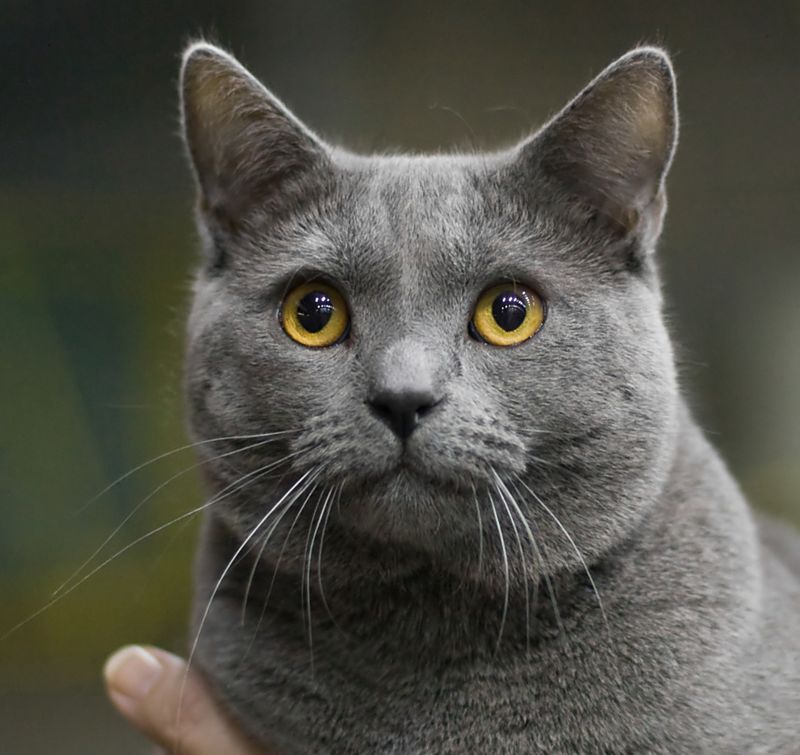
Quick Facts
| Attribute | Details |
|---|---|
| Size | Medium to Large (7-16 lbs) |
| Weight | Males: 10-16 lbs, Females: 7-11 lbs |
| Lifespan | 12-15 years |
| Temperament | Quiet, Gentle, Observant |
| Good with Kids | Excellent |
| Good with Other Pets | Good |
| Grooming Needs | Moderate |
| Vocalization | Very Low |
| Activity Level | Moderate |
Recommended for Chartreux Cats
Basepaws DNA Test - Genetic health screening for cats | Spot Insurance - Coverage for joint conditions | Chewy - Quality cat supplies
Chartreux Cat Overview
The Chartreux is one of the oldest natural cat breeds, with a history in France dating back centuries. Legend says these cats were bred by Carthusian monks, though the connection is unproven. What is certain is that these blue-gray cats with orange or copper eyes have been treasured in France for generations and nearly went extinct after World War II.
Known for their "smile" due to the structure of their face and tapered muzzle, Chartreux are often called the "smiling blue cats of France." Their woolly, water-repellent double coat, powerful build, and sweet expression make them distinctive. They're known for being attentive companions who observe quietly rather than demanding attention vocally.
The Chartreux Cat is a breed that exemplifies the remarkable diversity found within the domestic cat world. With a typical lifespan of 12-15 years, bringing a Chartreux Cat into your home represents a significant commitment—one that, when properly informed, leads to one of the most rewarding companion animal relationships possible. The Chartreux Cat's quiet, gentle, observant character is not simply a breed description but reflects deep-seated behavioral tendencies shaped by genetics, early socialization, and the breed's historical development. Understanding these underlying factors helps owners create environments and routines that bring out the best in their Chartreux Cat.
What many prospective Chartreux Cat owners discover quickly is that this breed has a distinctive personality that sets it apart from the generic notion of what a cat is like. The quiet, gentle, observant traits associated with Chartreux Cat manifest in daily life through specific play preferences, social interaction patterns, vocalization tendencies, and activity rhythms. Some Chartreux Cat are notably more interactive and demanding of attention than average, while others may display an independent streak that requires a different approach to bonding and enrichment. Understanding where your individual Chartreux Cat falls on this spectrum—and adjusting your care approach accordingly—is one of the keys to a harmonious human-cat relationship.
Your veterinarian knows your Chartreux best — always verify dietary choices with them, especially if your cat has existing health conditions.
Temperament & Personality
Chartreux cats have gentle, refined personalities.
- Quiet: Often called "silent" cats; many rarely meow, instead chirping or trilling.
- Observant: Watchful and attentive, taking in everything around them.
- Gentle: Known for their sweet, non-aggressive nature.
- Loyal: Form strong bonds with their families, often following a favorite person.
- Playful: Enjoy play sessions but aren't hyperactive.
- Excellent Hunters: Retain strong hunting instincts; love interactive prey toys.
The quiet, gentle, observant temperament of the Chartreux Cat manifests in daily life through patterns of behavior that experienced owners learn to anticipate, appreciate, and manage. Unlike dogs, cats express their personality through more nuanced channels—the slow blink that signals trust, the tail position that communicates mood, the specific vocalizations reserved for different contexts and people. With Chartreux Cat, these communicative behaviors are often more pronounced and distinctive than in many other breeds, which is part of what makes the breed so engaging for owners who take the time to learn their individual cat's behavioral vocabulary.
Common Health Issues
Chartreux are generally healthy but have some considerations: Understanding how this applies specifically to Chartreux helps you avoid common pitfalls.
Orthopedic Issues
- Patellar Luxation: Kneecap displacement that can occur in this breed.
- Hip Dysplasia: Can occur due to their sturdy build.
dental disease, kidney conditions, and breed-specific eye issues
- Polycystic Kidney Disease (PKD): Can occur; ask breeders about testing.
- Struvite Stones: May be prone to urinary crystals.
- Obesity: Can gain weight if overfed.
Health Screening Recommendation
Ask breeders about patellar luxation screening and PKD testing. Consider Basepaws DNA testing for comprehensive genetic health screening.
Staying ahead of health concerns with your Chartreux Cat starts with building a consistent relationship with a qualified veterinarian. Routine wellness checks catch subtle shifts in weight, dental condition,and organ function long before symptoms become obvious. Owners who track their Chartreux Cat's eating habits, activity levels, and bathroom patterns at home give their vet a clearer picture at each visit, which often leads to earlier intervention and better outcomes overall.
Cost of Ownership
Understanding the full cost helps prepare for Chartreux ownership: Routine fit shows up in small behavioural signals: appetite, sleep, elimination, and mood. Calibrate the routine until those signals stay steady.
| Expense Category | Annual Cost Estimate |
|---|---|
| Food (premium quality) | $350-$550 |
| Veterinary Care (routine) | $200-$400 |
| Pet Insurance | $200-$450 |
| Grooming (supplies) | $50-$100 |
| Litter & Supplies | $200-$400 |
| Toys & Enrichment | $75-$150 |
| Total Annual Cost | $1,075-$2,050 |
Initial Costs: Chartreux kittens from reputable breeders typically cost $1,500-$2,500. This is a rare breed with limited availability.
Save on Chartreux Care
Chewy Autoship - Save up to 35% on food & supplies | Lemonade Pet - Affordable cat insurance from $12/month | Petco - Quality cat essentials
Chartreux Cats are rarely found outside France and a handful of dedicated international breeders, so purchase prices can be steep and waiting lists long. Their dense, water-repellent double coat needs moderate brushing, with more intensive grooming during seasonal shedding periods. As a generally healthy and long-lived breed, routine vet care, quality nutrition, and spay/neuter are the primary costs — though responsible owners should be aware of patellar luxation and struvite urinary issues that occasionally arise in the breed.
Care Requirements
Chartreux cats are relatively low-maintenance: Every Chartreux benefits from an owner willing to dig below surface-level recommendations.
- Companionship: Enjoy being near their people but aren't demanding.
- Interactive Play: Daily play sessions, especially with hunting-type toys.
- Moderate Activity: Not hyperactive but need regular exercise.
- Indoor Living: Best kept indoors; their trusting nature puts them at risk.
- Calm Environment: Appreciate peaceful households.
Grooming Needs
The Chartreux's unique coat needs specific care.
- Brushing: 2-3 times weekly; more during seasonal shedding.
- Coat Type: Dense, woolly double coat with water-repellent properties.
- Shedding: Moderate; heavier in spring when winter coat sheds.
- Bathing: Rarely needed; their coat naturally repels dirt.
- Nail Trimming: Every 2-3 weeks.
- Dental Care: Regular brushing recommended.
Nutrition & Feeding
Proper nutrition supports Chartreux health.
- High-Quality Protein: Animal protein should be the primary ingredient.
- Urinary Health: Consider foods supporting urinary tract health.
- Portion Control: Watch for weight gain; they can become heavy.
- Joint Support: Consider foods with glucosamine for joint health.
- Fresh Water: Multiple sources to encourage hydration.
Top Food Choices for Chartreux
Royal Canin - Urinary health formulas | Hill's Science Diet - Joint health support | Chewy - Premium cat food selection
Choosing the right food for your Chartreux Cat involves more substance than marketing. Flashy ingredient lists matter less than whether the nutritional profile matches your Chartreux Cat's life stage, size,and activity level. Pay attention to how your Chartreux Cat responds — coat condition, energy, digestion, and weight stability are the real indicators of whether a food is working.
Chartreux Are Great For:
- People who prefer quiet, gentle cats
- Those seeking a loyal, devoted companion
- Families with children (they're patient and tolerant)
- People who appreciate a cat that observes before acting
- Apartment dwellers (quiet nature is neighbor-friendly)
Chartreux May Not Be Ideal For:
- Those wanting a very vocal, talkative cat
- People seeking an extremely active, athletic cat
- Those on a tight budget (rare breed, higher cost)
- People wanting immediate availability (waitlists are common)
The question is not "is a Chartreux Cat the right cat?" in the abstract — it is whether a Chartreux Cat is right for your specific household, schedule, and budget right now. Circumstances change, and what works at one stage of life may not work at another. If the fit is there today and you can plan for the 12-15 years commitment, go for it. If not, revisit the idea later rather than rushing in unprepared.
The bond you develop with a Chartreux Cat grows through daily routines — feeding, interaction, quiet time spent in the same room. These small, repeated moments of care build trust and deepen the connection. Owners who treat this relationship as a gradual process rather than an instant bond tend to find the experience far more rewarding.
Related Breeds to Consider
If you're interested in Chartreux, you might also consider.
- British Shorthair - Similar build, blue variety available
- Russian Blue - Another blue cat with different personality
- Korat - Silver-blue cat from Thailand
- American Shorthair - Similar temperament, more colors
Ask Our AI About Chartreux Cats
Have specific questions about Chartreux health, behavior, or care? Our AI assistant can provide personalized guidance.
Related Health & Care Guides
Get Personalized AI Guidance
Ask Our AI NowDecision Guides for Chartreux Cat
Use these only when comparing food, insurance, ownership budget, or beginner fit for this specific pet.