Munchkin Cat
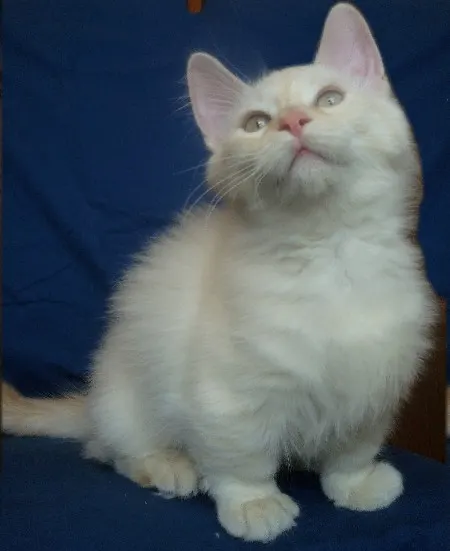
Quick Facts
| Attribute | Details |
|---|---|
| Size | Small to Medium (5-9 lbs) |
| Lifespan | 12-15 years |
| Temperament | Playful, Curious, Affectionate |
| Shedding | Varies (short or long coat) |
| Activity Level | Moderate to High |
| Vocalization | Moderate |
| Good with Kids | Excellent |
| Good with Other Pets | Excellent |
| Grooming Needs | Varies by coat type |
| Intelligence | High |
Recommended for Munchkins
Basepaws DNA Test - Genetic health screening for cats | Spot Insurance - Coverage for health conditions | Chewy - Quality cat supplies
Munchkin Cat Overview
The Munchkin is a cat breed characterized by its short legs, caused by a natural genetic mutation. The breed gained recognition in the 1990s, though short-legged cats have been documented throughout history. The mutation is similar to what causes dwarfism in Dachshunds and Corgis.
Despite their short stature, Munchkins are fully mobile and can run, play, and climb like other cats, though their jumping ability is somewhat limited. They come in all coat colors and patterns, and in both shorthair and longhair varieties. The breed remains controversial, with some registries refusing to recognize them due to health concerns.
With a typical lifespan of 12-15 years, bringing a Munchkin Cat into your home represents a significant commitment—one that, when properly informed, leads to one of the most rewarding companion animal relationships possible. The Munchkin Cat's playful, curious, affectionate character is not simply a breed description but reflects deep-seated behavioral tendencies shaped by genetics, early socialization, and the breed's historical development. Understanding these underlying factors helps owners create environments and routines that bring out the best in their Munchkin Cat.
What many prospective Munchkin Cat owners discover quickly is that this breed has a distinctive personality that sets it apart from the generic notion of what a cat is like. The playful, curious, affectionate traits associated with Munchkin Cat manifest in daily life through specific play preferences, social interaction patterns, vocalization tendencies, and activity rhythms. Some Munchkin Cat are notably more interactive and demanding of attention than average, while others may display an independent streak that requires a different approach to bonding and enrichment. Understanding where your individual Munchkin Cat falls on this spectrum—and adjusting your care approach accordingly—is one of the keys to a harmonious human-cat relationship.
Published guidance can describe a Munchkin in general, only your veterinarian can translate that to the specific animal in your home.
Personality & Temperament
Munchkins have delightful, engaging personalities.
- Playful and Energetic: They are active cats despite their short legs.
- Curious: They love to explore and investigate everything.
- "Magpie" Tendency: Known for collecting and hiding shiny objects.
- Social: They enjoy company and get along well with everyone.
- Confident: Their short legs don't slow them down mentally or physically.
- Affectionate: They bond closely with their families.
The playful, curious, affectionate temperament of the Munchkin Cat manifests in daily life through patterns of behavior that experienced owners learn to anticipate, appreciate, and manage. With Munchkin Cat, these communicative behaviors are often more pronounced and distinctive than in many other breeds, which is part of what makes the breed so engaging for owners who take the time to learn their individual cat's behavioral vocabulary.
Common Health Issues
Munchkins have specific health considerations related to their body structure.
Skeletal/Structural Concerns
- Lordosis: Excessive curvature of the spine; can be fatal in severe cases.
- Pectus Excavatum: Sunken chest that can affect breathing and heart function.
- Osteoarthritis: Joint issues may develop due to altered gait and body mechanics.
Genetic Concerns
- Homozygous Lethal: Two copies of the Munchkin gene are fatal; responsible breeding avoids this.
General Health Concerns
- Obesity: Weight management is crucial to reduce stress on their structure.
- Dental Disease: Regular dental care is important.
- Urinary Issues: Can occur in any cat; monitor for symptoms.
Important Health Information
The Munchkin gene is controversial. Some veterinary organizations have expressed concern about breeding cats with structural abnormalities. Always obtain cats from breeders who prioritize health over extreme features. Consider Basepaws DNA testing for health screening.
Preventive care for a Munchkin Cat is not just about annual exams — it is a mindset. That partnership between attentive ownership and professional guidance is what keeps most Munchkin Cats in good shape throughout their lives.
Understanding your Munchkin Cat's genetic makeup can guide decisions about everything from exercise intensity to supplement choices. It is one of the more practical tools available for anyone committed to keeping their Munchkin Cat in the best possible shape.
Planning for your Munchkin Cat's senior phase begins well before the grey appears. Munchkins that receive thoughtful, consistent care through this transition tend to maintain vitality and comfort far longer than those whose care remains static.
Cost of Ownership
Understanding the full cost helps prepare for Munchkin ownership.
| Expense Category | Annual Cost Estimate |
|---|---|
| Food (premium quality) | $250-$400 |
| Veterinary Care (routine) | $250-$500 |
| Pet Insurance | $250-$500 |
| Grooming Supplies | $50-$150 |
| Litter & Supplies | $200-$350 |
| Toys & Enrichment | $75-$150 |
| Total Annual Cost | $1,075-$2,050 |
Initial Costs: Munchkin kittens from reputable breeders typically cost $500-$1,500. Kittens with especially short legs or rare colors may cost more.
Save on Munchkin Care
Chewy Autoship - Save up to 35% on food & supplies | Lemonade Pet - Pet insurance coverage | Feliway - Stress reduction products
Activity Level & Exercise
Munchkins are active despite their short legs.
- Running: They can run quickly with a ferret-like gait
- Climbing: They climb, though high jumps are limited
- Interactive Play: Multiple daily play sessions
- Ground-Level Activities: Provide toys and activities at their level
- Cat Ramps: Consider ramps to help them access higher areas safely
Nutrition & Feeding
Weight management is especially important for Munchkins.
- Portion Control: Crucial to prevent obesity that stresses their structure
- High-Quality Protein: Animal protein should be the first ingredient
- Joint Support: Consider foods with glucosamine and chondroitin
- Fresh Water: Always available at an accessible height
- Avoid Overfeeding: Their small size doesn't need large portions
Top Food Choices for Munchkins
Smalls Cat Food - Human-grade fresh cat food | Nom Nom - Fresh, vet-formulated meals | Chewy - Wide selection of premium cat foods
Grooming Requirements
Grooming needs vary by coat type.
- Shorthair: Weekly brushing to remove loose hair
- Longhair: 2-3 times weekly brushing to prevent mats
- Bathing: Occasionally as needed
- Nail Trimming: Every 2-3 weeks
- Ear Cleaning: Weekly checks and cleaning as needed
- Dental Care: Regular brushing recommended
Is a Munchkin Right for You?
A solid grasp of this area lets you support your Munchkin with intention rather than improvisation. Small tweaks based on how your Munchkin actually reacts usually beat rigid adherence to a template.
Munchkins Are Great For:
- Families wanting a playful, social cat
- Homes with children and other pets
- Apartment dwellers (their limited jumping suits smaller spaces)
- Those who appreciate unique appearances
- Owners committed to weight management
Munchkins May Not Be Ideal For:
- Those concerned about breeding ethics
- People wanting a cat that can jump to high places
- Anyone unable to commit to health monitoring
- Those on a tight veterinary budget
People who live with a Munchkin Cat tend to develop a deep appreciation for the breed's personality — the playful, curious, affectionate nature becomes part of the household's rhythm.
Related Cat Breeds to Consider
If you're interested in Munchkins, you might also consider.
- Scottish Fold - Unique appearance, similar size
- American Curl - Unique feature, standard body
- Devon Rex - Small, playful, unique appearance
- Singapura - Small size, no structural concerns
Ask Our AI About Munchkins
Have specific questions about Munchkin health, ethics, or care? Our AI assistant can provide personalized guidance.
Related Health & Care Guides
Leaning into Munchkin-specific detail, instead of one-size-fits-all advice, consistently yields better results.
Get Personalized AI Guidance
Ask Our AI NowDecision Guides for Munchkin Cat
Use these only when comparing food, insurance, ownership budget, or beginner fit for this specific pet.