Devon Rex
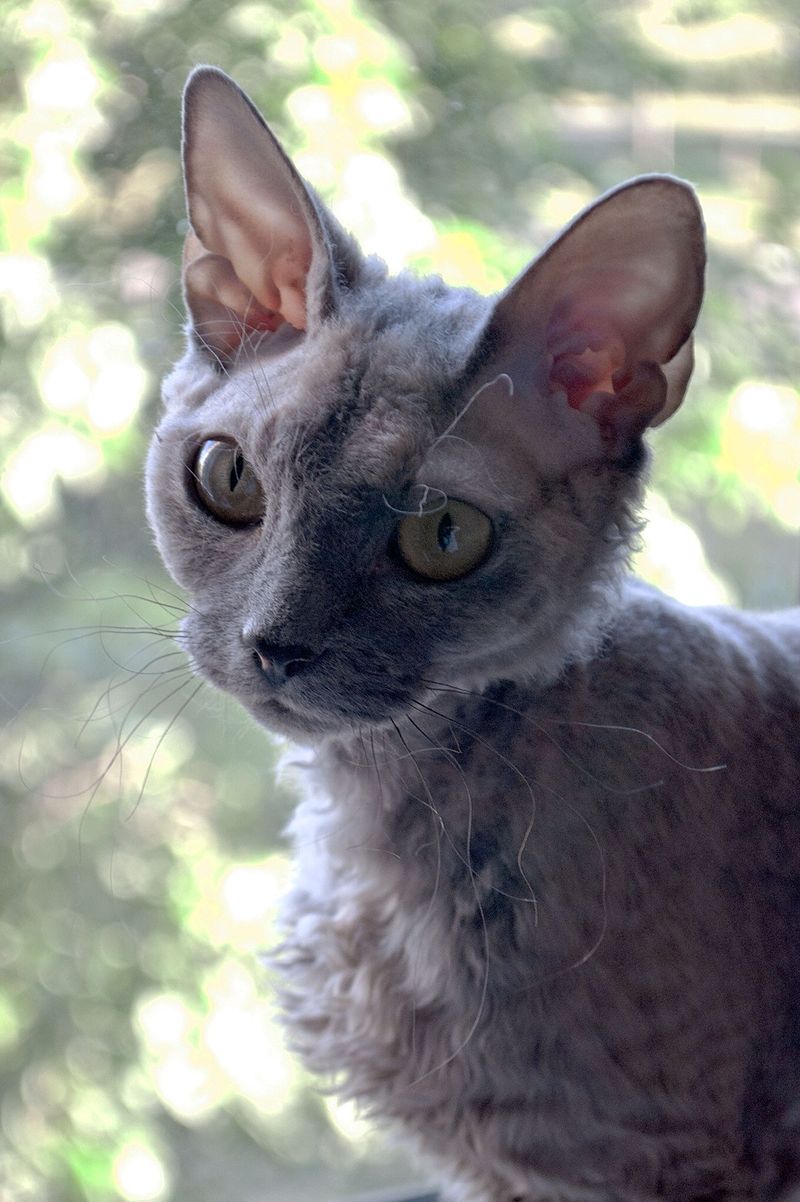
Quick Facts
| Attribute | Details |
|---|---|
| Size | Small to Medium (5-10 lbs) |
| Weight | Males: 7-10 lbs, Females: 5-7 lbs |
| Lifespan | 12-15 years |
| Temperament | Playful, Mischievous, Affectionate |
| Good with Kids | Excellent |
| Good with Other Pets | Excellent |
| Grooming Needs | Low to Moderate |
| Vocalization | Moderate |
| Activity Level | Very High |
Recommended for Devon Rex
Basepaws DNA Test - Genetic health screening for cats | Spot Insurance - Coverage for genetic conditions | Chewy - Interactive toys and cat furniture
Devon Rex Overview
The Devon Rex is an unique and enchanting breed that emerged in Devon, England in 1959, when a curly-coated kitten named Kirlee was born to a stray cat. Known as the "pixie of the cat fancy" due to their elfin features, Devon Rex cats have captured hearts worldwide with their distinctive appearance and irresistible personalities.
Distinguished by their large ears, high cheekbones, big eyes, and wavy coat, Devon Rex cats look like they stepped out of a fairy tale. Despite their delicate appearance, they are hardy, athletic cats with a seemingly endless supply of energy and an insatiable curiosity about everything around them.
The Devon Rex is a breed that exemplifies the remarkable diversity found within the domestic cat world. With a typical lifespan of 12-15 years, bringing a Devon Rex into your home represents a significant commitment—one that, when properly informed, leads to one of the most rewarding companion animal relationships possible. The Devon Rex's playful, mischievous, affectionate character is not simply a breed description but reflects deep-seated behavioral tendencies shaped by genetics, early socialization, and the breed's historical development. Understanding these underlying factors helps owners create environments and routines that bring out the best in their Devon Rex.
What many prospective Devon Rex owners discover quickly is that this breed has a distinctive personality that sets it apart from the generic notion of what a cat is like. The playful, mischievous, affectionate traits associated with Devon Rex manifest in daily life through specific play preferences, social interaction patterns, vocalization tendencies, and activity rhythms. Some Devon Rex are notably more interactive and demanding of attention than average, while others may display an independent streak that requires a different approach to bonding and enrichment. Understanding where your individual Devon Rex falls on this spectrum—and adjusting your care approach accordingly—is one of the keys to a harmonious human-cat relationship.
For the last mile of any Devon Rex feeding plan, a veterinarian's perspective usually beats another round of internet reading.
Temperament & Personality
Devon Rex cats have memorable personalities.
- Clownish Behavior: Natural entertainers who love to perform and make their owners laugh.
- Heat Seekers: With their thin coats, they actively seek warm spots - expect them under covers, on your lap, or near heaters.
- People-Focused: They want to be involved in everything you do and will perch on your shoulder.
- Highly Active: Exceptional jumpers and climbers who need lots of vertical space.
- Food-Motivated: Known for their love of food and attempts to "help" themselves to your meals.
- Intelligent Tricksters: Easily trained to fetch, do tricks, and open doors or cabinets.
The playful, mischievous, affectionate temperament of the Devon Rex manifests in daily life through patterns of behavior that experienced owners learn to anticipate, appreciate, and manage. Unlike dogs, cats express their personality through more nuanced channels—the slow blink that signals trust, the tail position that communicates mood, the specific vocalizations reserved for different contexts and people. With Devon Rex, these communicative behaviors are often more pronounced and distinctive than in many other breeds, which is part of what makes the breed so engaging for owners who take the time to learn their individual cat's behavioral vocabulary.
Common Health Issues
Devon Rex have some breed-specific health concerns: Understanding how this applies specifically to Devon Rex helps you avoid common pitfalls.
Genetic Conditions
- Devon Rex Myopathy: A hereditary muscle disease causing weakness; DNA testing available.
- Hypertrophic Cardiomyopathy (HCM): Heart disease that should be screened for regularly.
- Patellar Luxation: Knee cap displacement that can occur in this breed.
Coat and Skin Issues
- Malassezia Dermatitis: Yeast skin infections can occur due to increased skin oils.
- Urticaria Pigmentosa: A skin condition causing crusty sores.
- Sunburn Risk: Thin coat provides less sun protection.
dental disease, kidney conditions, and breed-specific eye issues
- Dental Issues: Some lines prone to dental problems.
- Temperature Sensitivity: Susceptible to cold; may need sweaters in cooler weather.
Health Screening Recommendation
Ask breeders for Devon Rex Myopathy and HCM testing results. Consider Basepaws DNA testing for comprehensive genetic health screening.
Preventive care pays off most when the same clinic sees your Devon Rex year after year. Trends in weight, bloodwork, and behavior only make sense when someone has a baseline to compare against.
Cost of Ownership
Understanding the full cost helps prepare for Devon Rex ownership: Your veterinarian and experienced Devon Rex owners can offer perspective tailored to your situation.
| Expense Category | Annual Cost Estimate |
|---|---|
| Food (premium quality) | $300-$500 |
| Veterinary Care (routine) | $200-$400 |
| Pet Insurance | $250-$500 |
| Grooming (supplies, skin care) | $100-$200 |
| Litter & Supplies | $200-$400 |
| Toys & Enrichment | $150-$300 |
| Total Annual Cost | $1,200-$2,300 |
Initial Costs: Devon Rex kittens from reputable breeders typically cost $1,000-$2,500. Show-quality cats may cost more.
Save on Devon Rex Care
Chewy Autoship - Save up to 35% on food & supplies | Lemonade Pet - Affordable cat insurance from $12/month | Amazon - Cat sweaters and warming beds
Most experienced Devon Rex owners set aside a modest emergency fund after their first unexpected vet visit. Having it in place before you need it is the difference between a bad afternoon and a stressful decision.
Front-loading expenses is normal with a Devon Rex. The initial veterinary workup, essential supplies, and getting your home ready accounts for most of the first-year costs. Ongoing annual costs for food, litter, and routine care are generally more predictable.
It's tempting to delay a vet visit when your Devon Rex looks healthy, but several of the breed's common issues are early-warning-sign problems. A 20-minute wellness exam catches things months before they show up at home.
Care Requirements
Devon Rex cats need specific care considerations: Your veterinarian and experienced Devon Rex owners can offer perspective tailored to your situation.
- Temperature Control: Keep your home warm; provide heated beds or sweaters in cold weather.
- Abundant Play: Multiple play sessions daily to burn their considerable energy.
- Vertical Space: Tall cat trees, shelves, and climbing opportunities are essential.
- Food Security: They're skilled food thieves - keep food secured!
- Companionship: They don't do well alone; consider a companion pet.
- Indoor Only: Their thin coat and trusting nature make outdoor access risky.
Grooming Needs
Devon Rex have unique grooming requirements: Your veterinarian and experienced Devon Rex owners can offer perspective tailored to your situation.
- Coat Care: Gentle wiping with a soft cloth rather than brushing to avoid damaging delicate fur.
- Bathing: More frequent bathing (every 2-4 weeks) may be needed due to oil buildup.
- Ear Cleaning: Weekly cleaning due to excess wax production in their large ears.
- Nail Trimming: Every 2-3 weeks.
- Skin Care: Monitor for skin irritation; some need medicated shampoos.
- Dental Care: Regular brushing recommended.
Nutrition & Feeding
Devon Rex have high metabolic rates: The habits that keep a Devon Rex healthy long-term almost always start with an owner willing to learn.
- Higher Calorie Needs: Their active lifestyle and heat-seeking behavior burn more calories.
- High-Protein Diet: Quality animal protein supports their lean muscle mass.
- Multiple Small Meals: Three to four smaller meals daily suit their metabolism.
- Food Puzzle Toys: Engage their intelligence and slow down eating.
- Secure Storage: They will find ways to access food - keep it locked away!
Top Food Choices for Devon Rex
Smalls Cat Food - Human-grade fresh cat food | Tiki Cat - High-protein wet food | Chewy - Premium cat food selection
Choosing the right food for your Devon Rex involves more substance than marketing. Flashy ingredient lists matter less than whether the nutritional profile matches your Devon Rex's life stage, size, and activity level. Pay attention to how your Devon Rex responds — coat condition, energy, digestion, and weight stability are the real indicators of whether a food is working.
Is a Devon Rex Right for You?
A settled understanding of this angle of Devon Rex care puts you in a better position to make decisions the animal can actually feel. No two Devon Rex behave exactly alike, so let your own pet's cues guide the small adjustments that matter.
Devon Rex Are Great For:
- Active families who enjoy interactive, playful pets
- People who want a cat that acts like a cat
- Those who love a cat with character and entertainment value
- Multi-pet households (they love companionship)
- People who want a close, affectionate bond with their cat
Devon Rex May Not Be Ideal For:
- People away from home frequently
- Those seeking a calm, independent cat
- People with cold homes who can't provide warmth
- Those who want a low-maintenance pet
- People who leave food out - they will find it!
The question is not "is a Devon Rex the right cat?" in the abstract — it is whether a Devon Rex is right for your specific household, schedule, and budget right now. Circumstances change, and what works at one stage of life may not work at another. If the fit is there today and you can plan for the 12-15 years commitment, go for it. If not, revisit the idea later rather than rushing in unprepared.
The bond you develop with a Devon Rex grows through daily routines — feeding, interaction, quiet time spent in the same room. These small, repeated moments of care build trust and deepen the connection. Owners who treat this relationship as a gradual process rather than an instant bond tend to find the experience far more rewarding.
Related Breeds to Consider
If you're interested in Devon Rex, you might also consider.
- Cornish Rex - Similar curly coat, different genetic mutation
- Sphynx - Hairless with similar personality and warmth-seeking
- Selkirk Rex - Curly coat with stockier build
- LaPerm - Another curly-coated breed
Ask Our AI About Devon Rex
Have specific questions about Devon Rex health, nutrition, or care? Our AI assistant can provide personalized guidance.
Hypertrophic Cardiomyopathy Screening for Devon Rex
HCM prevalence in Devon Rex cats is estimated at 8-15%, making cardiac screening a standard recommendation for the breed. Devon Rex hereditary myopathy (a muscular condition) is well-documented, but the genetic basis of HCM in the breed remains under investigation with no breed-specific test available.
Screening Protocol: Annual echocardiographic screening beginning at 1 year is recommended. The Devon Rex's small body size requires careful measurement technique for accurate wall thickness assessment.
Devon Rex cats are prone to hereditary myopathy (spasticity) which is a separate condition from HCM. However, both conditions affect muscle tissue, and concurrent monitoring is prudent.
Key Risk Factors: The breed's characteristically thin coat and low body fat means thermoregulation challenges during sedation for echocardiography — ensure the imaging room is kept warm.
Related Health & Care Guides
Get Personalized AI Guidance
Ask Our AI NowDecision Guides for Devon Rex
Use these only when comparing food, insurance, ownership budget, or beginner fit for this specific pet.