American Curl
Quick Facts
| Attribute | Details |
|---|---|
| Size | Medium (5-10 lbs) |
| Weight | Males: 7-10 lbs, Females: 5-8 lbs |
| Lifespan | 12-16 years |
| Temperament | Affectionate, Playful, Curious |
| Good with Kids | Excellent |
| Good with Other Pets | Excellent |
| Grooming Needs | Low to Moderate |
| Vocalization | Low |
| Activity Level | Moderate |
Recommended for American Curls
Basepaws DNA Test - Genetic health screening for cats | Spot Insurance - Comprehensive cat coverage | Chewy - Quality cat supplies
American Curl Overview
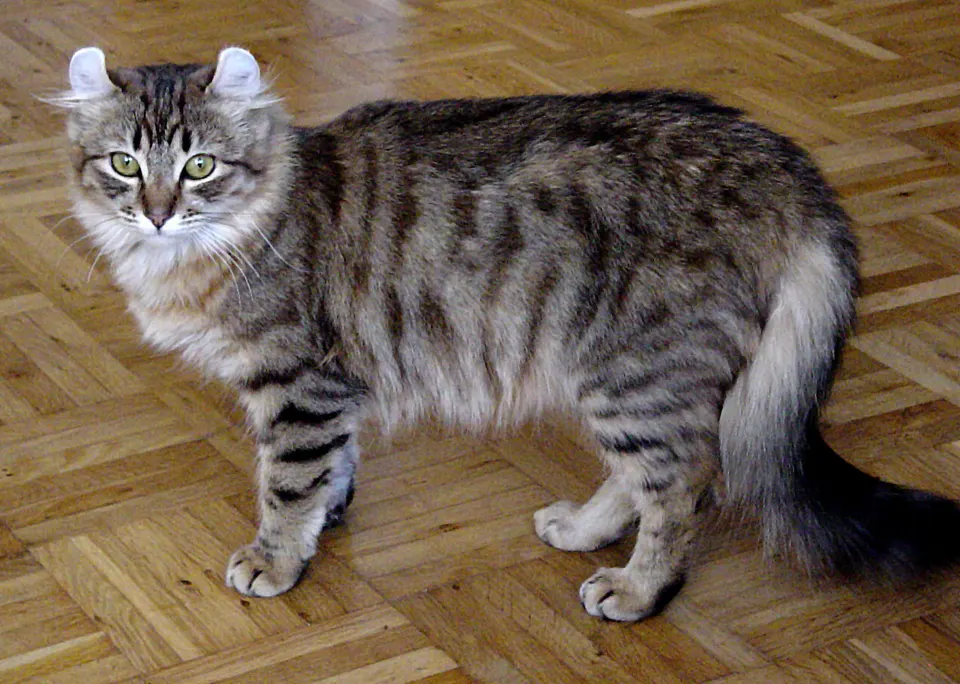
The American Curl is an unique breed distinguished by its distinctive backward-curling ears, giving these cats a surprised, delighted expression. The breed originated in 1981 in Lakewood, California, when a stray black longhaired cat with unusual ears named Shulamith was adopted and became the foundation of the entire breed.
The ear curl is caused by a spontaneous genetic mutation that affects the cartilage of the ear. Kittens are born with straight ears that begin to curl back within 3-5 days, reaching their final curl at about 4 months of age. American Curls come in both longhair and shorthair varieties and in all colors and patterns.
With a typical lifespan of 12-16 years, bringing an American Curl into your home represents a significant commitment—one that, when properly informed, leads to one of the most rewarding companion animal relationships possible. The American Curl's affectionate, playful, curious character is not simply a breed description but reflects deep-seated behavioral tendencies shaped by genetics, early socialization, and the breed's historical development. Understanding these underlying factors helps owners create environments and routines that bring out the best in their American Curl.
What many prospective American Curl owners discover quickly is that this breed has a distinctive personality that sets it apart from the generic notion of what a cat is like. The affectionate, playful, curious traits associated with American Curl manifest in daily life through specific play preferences, social interaction patterns, vocalization tendencies, and activity rhythms. Some American Curl are notably more interactive and demanding of attention than average, while others may display an independent streak that requires a different approach to bonding and enrichment. Understanding where your individual American Curl falls on this spectrum—and adjusting your care approach accordingly—is one of the keys to a harmonious human-cat relationship.
Use this as orientation; your veterinarian can sharpen the specifics based on what they see in your American Curl.
Temperament & Personality
American Curls are known for their endearing personalities.
- People-Oriented: They form strong bonds with their families and enjoy being involved in activities.
- Eternally Youthful: Often called "Peter Pan" cats because they retain kitten-like playfulness throughout life.
- Adaptable: Adjust well to new situations, people, and other pets.
- Gentle: Known for their sweet, even-tempered nature.
- Curious: Interested in everything happening around them.
- Quiet: Not overly vocal but will communicate when needed.
The affectionate, playful, curious temperament of the American Curl manifests in daily life through patterns of behavior that experienced owners learn to anticipate, appreciate, and manage. With American Curl, these communicative behaviors are often more pronounced and distinctive than in many other breeds, which is part of what makes the breed so engaging for owners who take the time to learn their individual cat's behavioral vocabulary.
Common Health Issues
American Curls are remarkably healthy with few breed-specific issues.
Ear-Related Concerns
- Ear Canal Narrowing: The curled ear shape can narrow the ear canal, potentially affecting air circulation.
- Ear Infections: May be slightly more prone due to ear shape; regular cleaning helps prevent.
- Cartilage Care: Ear cartilage is delicate and can be damaged if handled roughly.
General Health
- No Major Genetic Issues: Due to diverse gene pool, they're generally very healthy.
- Standard Cat Health: May develop conditions common to all cats with age.
Ear Care Note
Handle American Curl ears gently - the cartilage is firm but can be damaged. Never bend or fold the ears backward. Regular gentle cleaning helps maintain ear health. Consider Basepaws DNA testing for general health screening.
Senior care for an American Curl really begins in midlife, when the body starts to shift in ways that are easy to dismiss as normal variation.
Cost of Ownership
Understanding the full cost helps prepare for American Curl ownership.
| Expense Category | Annual Cost Estimate |
|---|---|
| Food (premium quality) | $300-$500 |
| Veterinary Care (routine) | $150-$300 |
| Pet Insurance | $200-$400 |
| Grooming (supplies) | $50-$100 |
| Litter & Supplies | $200-$400 |
| Toys & Enrichment | $75-$150 |
| Total Annual Cost | $975-$1,850 |
Initial Costs: American Curl kittens from reputable breeders typically cost $1,000-$2,000. Show-quality cats with ideal ear curl may cost more.
Save on American Curl Care
Chewy Autoship - Save up to 35% on food & supplies | Lemonade Pet - Affordable cat insurance from $12/month | Petco - Ear care supplies
Most new American Curl owners are surprised by first-year costs. The good news is that subsequent years are more predictable. Just keep in mind that senior American Curls may need additional care as they enter the last few years of their 12-16 years lifespan.
Care Requirements
American Curls are relatively low-maintenance.
- Ear Care: Weekly gentle ear cleaning; handle ears carefully.
- Moderate Play: Daily interactive play sessions to satisfy curiosity.
- Social Time: They enjoy companionship and don't like being alone for long periods.
- Indoor Living: Best kept indoors for safety.
- Environmental Enrichment: Cat trees, window perches, and puzzle toys.
Grooming Needs
American Curl grooming varies by coat type.
- Shorthair: Weekly brushing is sufficient.
- Longhair: Brush 2-3 times weekly to prevent mats.
- Minimal Undercoat: Both varieties have minimal undercoat, reducing shedding.
- Ear Cleaning: Weekly gentle cleaning with appropriate ear cleaner.
- Nail Trimming: Every 2-3 weeks.
- Dental Care: Regular brushing recommended.
Nutrition & Feeding
Proper nutrition supports American Curl health.
- High-Quality Protein: Animal protein should be the primary ingredient.
- Balanced Diet: No special dietary requirements beyond quality cat nutrition.
- Portion Control: Follow feeding guidelines to maintain healthy weight.
- Age-Appropriate: Choose foods appropriate for life stage.
- Fresh Water: Always available; many enjoy water fountains.
Top Food Choices for American Curls
Smalls Cat Food - Human-grade fresh cat food | Hill's Science Diet - Vet-recommended nutrition | Chewy - Premium cat food selection
Is an American Curl Right for You?
Plans for a American Curl routinely cover the obvious dimensions; this dimension tends to generate outsized returns when it is included deliberately.
American Curls Are Great For:
- First-time cat owners seeking a healthy, adaptable breed
- Families with children who want a gentle, playful cat
- Multi-pet households
- Those wanting an unique-looking cat with great personality
- People who appreciate a quiet, affectionate companion
American Curls May Not Be Ideal For:
- Those who might handle the ears roughly
- People away from home for very long periods
- Those seeking an extremely active, athletic cat
Whether an American Curl fits your life comes down to a few practical questions. Is your living space suitable? Can you afford both routine care and the occasional surprise vet bill over the next 12-16 years? If the honest answers line up, an American Curl can be a genuinely good match.
Related Breeds to Consider
If you're interested in American Curls, you might also consider.
- Scottish Fold - Another ear mutation breed (folded forward)
- American Shorthair - Similar temperament, traditional ears
- Ragdoll - Equally gentle and people-oriented
- Birman - Sweet, quiet temperament
Ask Our AI About American Curls
Have specific questions about American Curl health, ear care, or nutrition? Our AI assistant can provide personalized guidance.
Related Health & Care Guides
Get Personalized AI Guidance
Ask Our AI NowDecision Guides for American Curl
Use these only when comparing food, insurance, ownership budget, or beginner fit for this specific pet.