Cockatoo
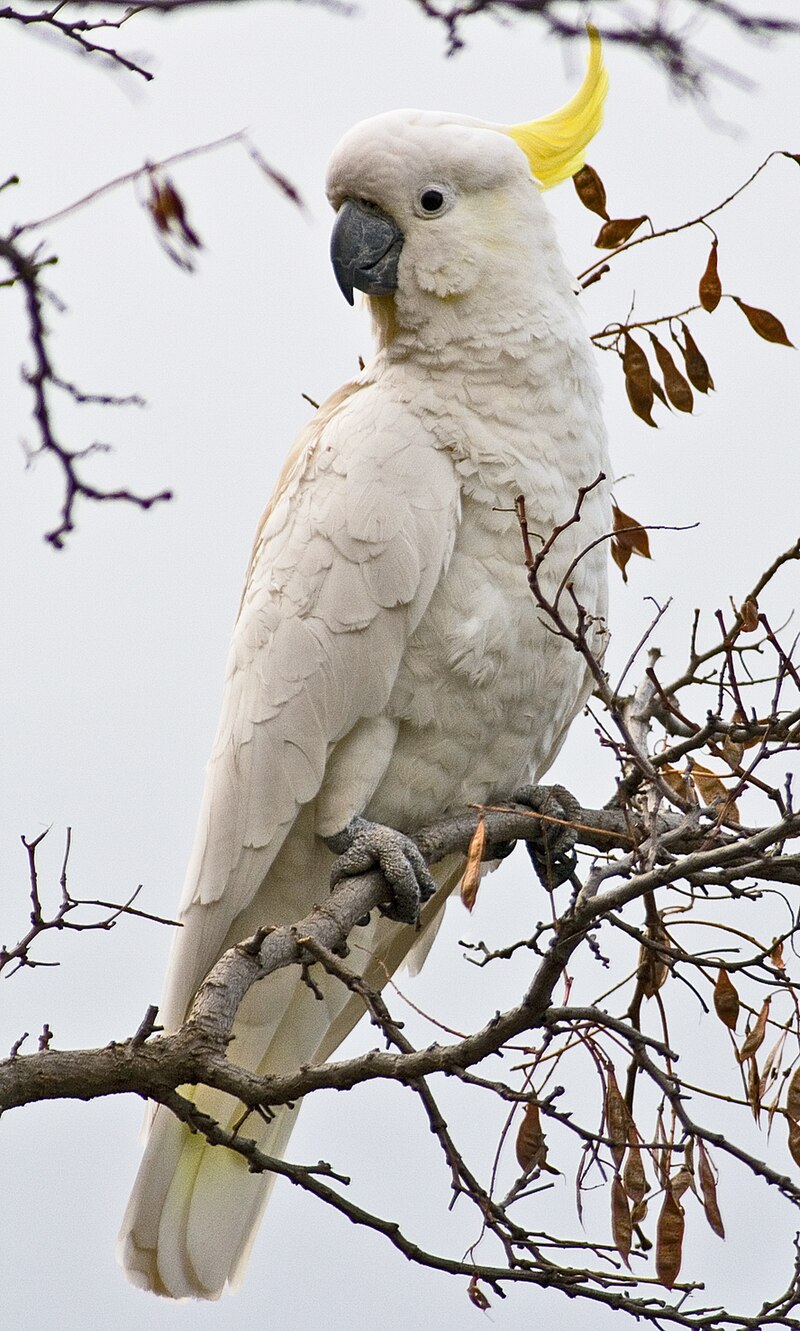
Quick Facts
| Attribute | Details |
|---|---|
| Scientific Name | Cacatua spp. and related genera |
| Origin | Australia, Indonesia, Philippines |
| Size | Medium to Large (12-27 inches, 300-1200 grams) |
| Lifespan | 40-70+ years |
| Noise Level | Very High (extremely loud screaming) |
| Talking Ability | Moderate (limited vocabulary) |
| Diet | Pellets, vegetables, fruits, limited nuts |
| Care Level | Advanced - extremely demanding |
| Space Requirements | Very large cage (minimum 40x30x48 inches) |
Recommended for Cockatoos
Harrison's Bird Foods - Certified organic pellets | Lafeber - Premium nutri-berries | Kaytee - Enrichment toys and foraging
Cockatoo Overview
Cockatoos are among the most affectionate and demanding of all pet birds. Known for their stunning crests, powder-white plumage, and intense need for attention, these charismatic birds form powerful bonds with their owners. However, their emotional neediness and ear-splitting screams make them one of the most frequently surrendered parrot species.
Often called "velcro birds" or "feathered toddlers," cockatoos require a level of commitment that few other pets demand. Before considering a cockatoo, prospective owners must honestly assess whether they can provide decades of consistent attention, enrichment, and care.
The Cockatoo represents one of the most fascinating birds available in aviculture, combining striking physical characteristics with a behavioral complexity that rewards attentive ownership. With a potential lifespan of 40-70+ years, committing to a Cockatoo is a decision that can span a significant portion of an owner's life. This species has evolved in specific ecological niches that have shaped everything from their dietary requirements to their social structure, and understanding these evolutionary foundations is essential for providing care that goes beyond mere survival to support genuine thriving.
Behaviorally, Cockatoo exhibit a range of social and cognitive capabilities that continue to impress researchers and experienced keepers alike. Their well-balanced nature manifests in specific ways—from complex vocalizations and social bonding behaviors to problem-solving abilities and emotional responses that are increasingly well-documented in avian behavioral science. These birds form strong attachments to their human caregivers and can experience genuine distress when their social needs are not met. This means that owning a Cockatoo is not simply about providing physical necessities like food and shelter, but about establishing a relationship that includes regular interaction, mental stimulation, and respectful handling.
The physical environment you create for your Cockatoo has a direct and measurable impact on their quality of life. The cage or aviary should be sized generously—larger is almost always better, as these birds need space for wing stretching, climbing, and play. Beyond cage dimensions, environmental factors such as lighting quality (including access to full-spectrum or natural light), ambient temperature stability, air quality, and noise levels all influence your Cockatoo's physical health and emotional state. Many experienced Cockatoo owners report that investing in the highest quality cage or aviary and environmental controls they can afford pays dividends in reduced veterinary costs and improved behavioral outcomes over the bird's lifetime.
Natural Habitat & Origin
Cockatoos are native to Australasia: Understanding how this applies specifically to Cockatoo helps you avoid common pitfalls.
- Geographic Range: Australia, Indonesia, Philippines, Papua New Guinea, Solomon Islands
- Habitat Types: Forests, woodlands, savannas, and urban areas
- Wild Behavior: Highly social; live in flocks that can number hundreds
- Conservation: Many species protected; some critically endangered
Popular Cockatoo Species
- Umbrella Cockatoo: Pure white; extremely cuddly and demanding (18 inches)
- Moluccan Cockatoo: Salmon-pink; most emotionally demanding (20 inches)
- Sulphur-Crested Cockatoo: White with yellow crest; very loud (18-20 inches)
- Goffin's Cockatoo: Smallest common species; more manageable (12 inches)
- Rose-Breasted Cockatoo (Galah): Pink and grey; more independent (14 inches)
- Bare-Eyed Cockatoo: Good talker for a cockatoo; playful (14-16 inches)
- Black Palm Cockatoo: Dramatic black plumage; for experienced owners (24-27 inches)
Temperament & Personality
Cockatoos have intense, emotional personalities.
- Extremely Affectionate: Crave constant physical contact and attention
- Emotionally Sensitive: Highly attuned to owner's moods; react to household tension
- Attention-Demanding: Can become destructive if needs aren't met
- Playful & Clownish: Love to dance, play, and entertain
- Intelligent: Problem-solvers who learn to escape cages and manipulate owners
- Destructive: Powerful beaks destroy furniture, woodwork, and personal items
The personality of a Cockatoo is one of its most captivating qualities, but it also represents one of the greatest responsibilities of ownership. These birds are not background pets—they are socially complex individuals that form deep attachments, experience boredom and frustration, and require consistent mental engagement to maintain psychological health. A well-socialized Cockatoo with a well-balanced disposition will seek out interaction, respond to training, and develop what many owners describe as a genuine two-way relationship. However, this social sophistication also means that neglected or understimulated Cockatoo are highly susceptible to behavioral problems including feather destructive behavior, excessive vocalization, and aggression.
Understanding the social dynamics of Cockatoo is crucial for multi-bird households and for managing the human-bird bond. These birds can develop strong preferences for specific family members, sometimes to the point of displaying protective or jealous behaviors toward others. This is not random—it reflects the species' natural pair-bonding and flock hierarchy instincts being expressed within the domestic environment. Managing these dynamics requires consistent behavior protocols across all family members, ensuring that the Cockatoo receives positive socialization from multiple people rather than becoming exclusively bonded to a single individual. This broader social foundation produces a more well-adjusted, adaptable bird.
Vocalization patterns in Cockatoo serve multiple functions and should be understood rather than simply tolerated or suppressed. Morning and evening contact calls are natural flock communication behaviors that serve an important psychological function. Alarm calls indicate genuine perceived threats. Repetitive or excessive vocalization, on the other hand, often signals boredom, anxiety, or learned attention-seeking behavior. Distinguishing between these vocalization types—and responding appropriately to each—is a skill that develops over time and is essential for maintaining a harmonious household. Many successful Cockatoo owners establish daily routines that include designated interaction times, which helps the bird anticipate social engagement and reduces anxiety-driven vocalization.
Housing Requirements
Cockatoos need substantial, reinforced housing: Owners who study the Cockatoo closely, not in the abstract but the pet in front of them, report better outcomes across the board.
- Cage Size: Minimum 40x30x48 inches; larger essential for bigger species
- Construction: Heavy-duty stainless steel; cockatoos destroy powder-coated cages
- Bar Spacing: 1 to 1.5 inches; escape-proof locks essential
- Perches: Multiple natural wood perches for chewing and foot health
- Enrichment: Extensive destructible toys; budget for constant replacement
- Play Areas: Multiple out-of-cage areas throughout the home
Diet & Nutrition
Proper nutrition helps manage weight and feather health: Personalization beats protocol: the more the routine reflects this Cockatoo, the better the outcomes.
- Pellets: 60-70% of diet; low-fat formulations recommended
- Fresh Vegetables: 20-30% of diet; emphasize leafy greens and orange vegetables
- Fresh Fruits: Limited due to sugar; occasional treats only
- Nuts: Very limited; cockatoos prone to fatty liver disease
- Sprouted Seeds: Nutritious alternative to dry seeds
- Avoid: High-fat seeds, avocado, chocolate, caffeine
Top Food Choices for Cockatoos
Harrison's Bird Foods - Organic low-fat pellets | Lafeber Premium Pellets - Balanced nutrition | Harrison's Bird Foods - Organic pellets and nutritional supplements for birds
Feeding a Cockatoo well is less about following trends and more about paying attention to your specific animal. Some Cockatoos do great on standard species-appropriate avian pellets and fresh foods; others need a different approach due to allergies, sensitivities, or individual metabolism. Work with your vet to find what works, and be willing to adjust as your Cockatoo's needs change with age.
Do not overthink your Cockatoo's diet to the point of paralysis. Focus on the basics: appropriate protein and fat levels for their life stage, consistent meal timing, and careful portion control. Monitor their condition over time and adjust if you notice changes in weight, coat quality, or energy. That practical, observation-based approach beats any marketing claim.
Health Issues
Cockatoos are prone to several significant health concerns.
Common Health Concerns
- Psittacine Beak and Feather Disease (PBFD): Viral disease causing feather and immune problems
- Fatty Liver Disease: Common with improper diet; often fatal
- Obesity: Sedentary captive lifestyle leads to weight issues
- Cloacal Prolapse: Can occur with hormonal issues or straining
- Aspergillosis: Fungal respiratory infection
Behavioral Health - Critical Concern
- Feather Destructive Behavior: Extremely common; often severe self-mutilation
- Screaming: Can become pathological; cockatoos are the loudest parrots
- Aggression: May develop toward family members or strangers
- Separation Anxiety: Intense distress when left alone
Critical Warning: Feather Destruction
Cockatoos have the highest rate of feather destructive behavior of any parrot species. Studies suggest 80%+ of captive cockatoos develop some form of plucking. This is often caused by the inability to meet their intense social needs in captivity. Prevention requires hours of daily interaction, mental stimulation, and often professional behavioral help.
Avian health management for Cockatoo requires a proactive approach built on understanding that birds, like all prey species, instinctively conceal signs of illness until they can no longer compensate. By the time a Cockatoo displays obvious symptoms such as fluffed feathers, tail bobbing, or sitting on the cage bottom, the underlying condition may already be advanced. This makes routine preventive care, regular wellness examinations with an avian veterinarian, and attentive daily observation essential components of responsible Cockatoo ownership.
Nutritional health is one of the most significant and controllable factors influencing your Cockatoo's long-term wellbeing. Seed-only diets, once standard in aviculture, are now understood to be nutritionally incomplete and are associated with fatty liver disease, vitamin A deficiency, calcium deficiency, and obesity—conditions that collectively represent the most common preventable health problems in captive birds. A complete diet for Cockatoo should center on high-quality formulated pellets (comprising 60-70% of intake) supplemented with fresh vegetables, appropriate fruits, and species-specific treats. Transitioning a seed-addicted Cockatoo to a balanced diet requires patience and creativity, but the health benefits are substantial and well-documented.
Environmental health factors play a larger role in Cockatoo health than many owners realize. Air quality is critically important—birds have exceptionally efficient respiratory systems that make them highly sensitive to airborne toxins including non-stick cookware fumes (PTFE/Teflon), aerosol sprays, scented candles, air fresheners, and cigarette smoke. These substances can cause acute respiratory distress and death in birds at concentrations that produce no symptoms in humans or other pets. Temperature stability, appropriate humidity, and access to natural or full-spectrum lighting also contribute to immune function, feather quality, and behavioral health. Creating a safe, controlled environment for your Cockatoo is as important as diet and veterinary care in maintaining long-term health.
Training & Socialization
Proper training is essential to manage cockatoo behavior: Generic guidance is a floor; it is the Cockatoo-specific nuance that raises the ceiling on outcomes.
- Independence Training: Crucial - teach them to entertain themselves
- Foraging Training: Essential for mental health; make them work for food
- Positive Reinforcement: Only effective method; never punish
- Ignore Screaming: Attention reinforces unwanted vocalizations
- Step-Up/Step-Down: Basic obedience for safety
- Cage Training: Important for travel and emergency situations
Noise & Vocalization
Cockatoos are among the loudest pets on Earth.
- Volume: Can reach 135 decibels - louder than a rock concert
- Screaming: Dawn and dusk screaming is natural but extreme
- Talking: Limited vocabulary compared to other parrots
- Contact Calls: Will scream to locate you; screaming begets more screaming
- NOT Apartment Suitable: Will result in complaints and possible eviction
- Hearing Protection: Owners often need ear protection
Compatibility with Families & Other Pets
Cockatoo ownership requires whole-family commitment.
- Children: Not recommended with young children; powerful bites cause serious injury
- Single Owners: Risky - creates over-bonding and dependency
- Working Owners: Cannot be left alone for full workdays
- Other Birds: Can kill smaller birds; usually house separately
- Cats & Dogs: Strict separation required at all times
Cockatoos Are Great For:
- Experienced parrot owners who understand the commitment
- Those who work from home or have flexible schedules
- Families where multiple members will interact daily
- Those living in detached homes with tolerant neighbors
- People who can afford extensive vet care and supplies
- Those prepared for 40-70+ years of intensive care
Cockatoos Are NOT Suitable For:
- First-time bird owners (please don't)
- Apartment or condo dwellers
- Those who work full-time away from home
- Families with young children
- People who value quiet and personal belongings
- Anyone not prepared for extensive behavioral challenges
- Those who cannot commit financially to their care
If your research has confirmed that you can realistically meet a Cockatoo's needs, the next move is finding a healthy, well-adjusted individual from a reputable aviary or a bird rescue organization. This step deserves as much care as any other part of the process. A well-chosen Cockatoo from a reliable source sets the stage for a much smoother experience from day one.
The day-to-day rhythm of caring for a Cockatoo — feeding at set times, maintaining their environment, observing their behavior — creates a relationship built on reliability and trust. It is not glamorous work, but it is the foundation of every strong bond between an owner and their Cockatoo. The consistency you bring to these routines matters more than any grand gesture.
Cost of Ownership
These figures are averages, not guarantees. Some Cockatoo owners spend less; others spend more due to health complications or premium product preferences. Where you live matters too — urban vet costs tend to run higher. The point is to go in with a realistic financial picture, not an optimistic one.
Cockatoos represent one of the largest long-term financial and emotional commitments in the pet bird world — many species live 40 to 80 years in captivity, meaning ownership is realistically a multi-decade obligation. The purchase price alone can reach several thousand dollars for desirable species, and a large, durable cage, constant toy rotation to prevent boredom, and regular avian vet visits add significantly to the ongoing cost. Their intense social needs mean that neglecting their emotional well-being leads to destructive or self-harming behavior, so the investment in time and enrichment is not optional.
Budget more aggressively for the first year. Beyond the obvious — food, vet visits, supplies — there are costs that catch people off guard: replacing items your Cockatoo destroys during teething, emergency visits for swallowed objects, and higher food costs during rapid growth phases. After that initial period, expenses settle into a more manageable rhythm.
Owners who maintain a regular preventive care schedule for their Cockatoo consistently report lower overall vet costs than those who wait for problems to appear. This makes intuitive sense: a $300 dental cleaning now avoids a $2,000 extraction later. An annual blood panel that catches early kidney changes allows dietary management instead of emergency hospitalization. The math favors prevention every time.
Related Species to Consider
If you're interested in Cockatoos, please consider.
- Cockatiel - Same family, fraction of the demands
- Macaw - Similar size, often more independent
- African Grey - Intelligent but less emotionally needy
- Eclectus - Calmer, quieter large parrot
- Pionus - Quieter, less demanding medium parrot
Ask Our AI About Cockatoos
Your avian veterinarian knows your Cockatoo best — always verify dietary choices with them, especially if your bird has existing health conditions.
Get Personalized AI Guidance
Ask Our AI NowDecision Guides for Cockatoo
Use these only when comparing food, insurance, ownership budget, or beginner fit for this specific pet.