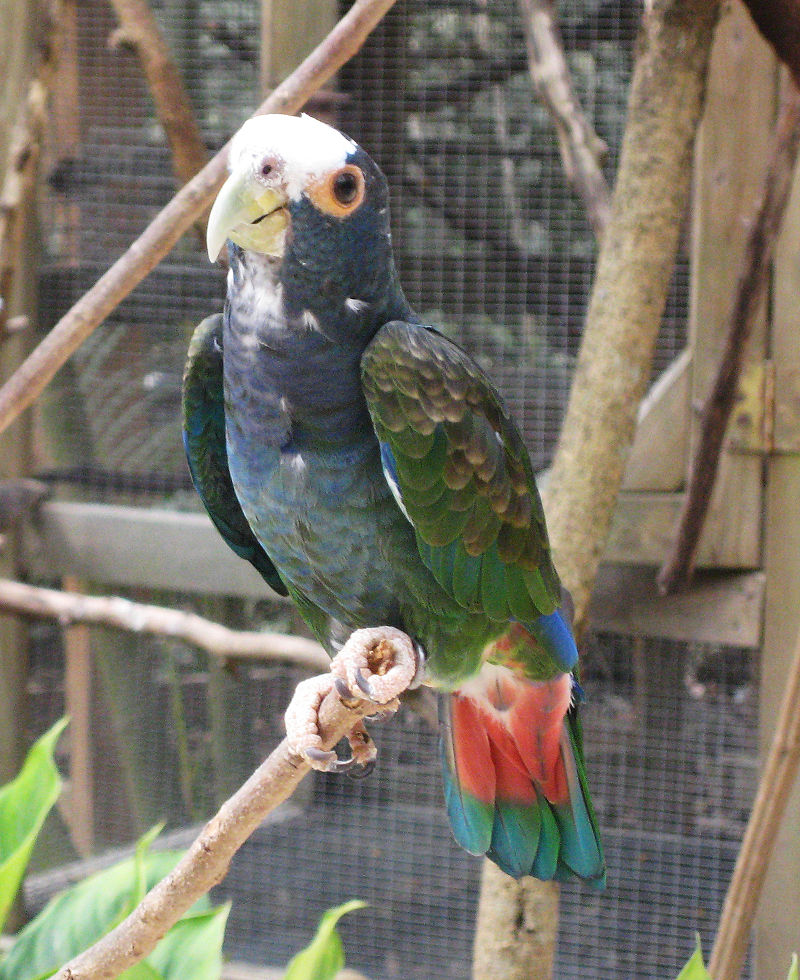
Pionus Parrot: Complete Species Guide
Quick Facts
| Attribute | Details |
|---|---|
| Scientific Name | Pionus spp. (8 species) |
| Origin | Central and South America |
| Size | Medium (10-12 inches, 200-280 grams) |
| Lifespan | 25-40 years |
| Noise Level | Low to Moderate (among quietest medium parrots) |
| Talking Ability | Moderate (can learn words; not extensive) |
| Diet | Pellets, vegetables, fruits, limited seeds |
| Care Level | Beginner to Intermediate |
| Space Requirements | Minimum 24x24x30 inch cage |
Recommended for Pionus Parrots
Harrison's Bird Foods - Certified organic pellets | Lafeber - Premium nutri-berries | Kaytee - Complete parrot nutrition
Pionus Parrot Overview
Pionus Parrots are often called the "best-kept secret" in the parrot world. These medium-sized, understated parrots offer many of the qualities people want in a companion bird - good temperament, reasonable talking ability, and strong bonding - without the extreme noise levels or demanding personalities of more popular species.
While they lack the flashy colors of some parrots, Pionus have a subtle beauty with iridescent feathers that shimmer in good lighting. Their calm, sweet dispositions make them excellent companions for those seeking a quieter, more relaxed parrot experience.
The Pionus Parrot represents one of the most fascinating birds available in aviculture, combining striking physical characteristics with a behavioral complexity that rewards attentive ownership. With a potential lifespan of 25-40 years, committing to a Pionus Parrot is a decision that can span a significant portion of an owner's life. This species has evolved in specific ecological niches that have shaped everything from their dietary requirements to their social structure, and understanding these evolutionary foundations is essential for providing care that goes beyond mere survival to support genuine thriving.
Behaviorally, Pionus Parrot exhibit a range of social and cognitive capabilities that continue to impress researchers and experienced keepers alike. Their well-balanced nature manifests in specific ways—from complex vocalizations and social bonding behaviors to problem-solving abilities and emotional responses that are increasingly well-documented in avian behavioral science. These birds form strong attachments to their human caregivers and can experience genuine distress when their social needs are not met. This means that owning a Pionus Parrot is not simply about providing physical necessities like food and shelter, but about establishing a relationship that includes regular interaction, mental stimulation, and respectful handling.
The physical environment you create for your Pionus Parrot has a direct and measurable impact on their quality of life. The cage or aviary should be sized generously—larger is almost always better, as these birds need space for wing stretching, climbing, and play. Beyond cage dimensions, environmental factors such as lighting quality (including access to full-spectrum or natural light), ambient temperature stability, air quality, and noise levels all influence your Pionus Parrot's physical health and emotional state. Many experienced Pionus Parrot owners report that investing in the highest quality cage or aviary and environmental controls they can afford pays dividends in reduced veterinary costs and improved behavioral outcomes over the bird's lifetime.
Natural Habitat & Origin
Pionus parrots are native to Central and South America:
- Geographic Range: Mexico through Central America to South America
- Habitat Types: Montane cloud forests, lowland forests, forest edges
- Wild Behavior: Live in pairs or small flocks; quieter than many parrots
- Natural Diet: Fruits, seeds, flowers, and vegetation
Popular Pionus Species
- Blue-Headed Pionus: Most popular; stunning blue head; gentle personality (11 inches)
- Maximilian's Pionus: Green with bronze head; calm and sweet (11-12 inches)
- White-Capped Pionus: White forehead; often the best talker (10 inches)
- Dusky Pionus: Subtle coloring; very quiet and gentle (10 inches)
- Bronze-Winged Pionus: Bronze wing patches; sweet natured (11 inches)
Temperament & Personality
Pionus parrots are known for their easy-going nature:
- Calm & Steady: Even-tempered; less prone to mood swings than many parrots
- Sweet & Affectionate: Bond well without being overly demanding
- Independent: Can entertain themselves; not "velcro birds"
- Gentle: Rarely bite; excellent for cautious bird owners
- Less Hormonal: Milder breeding season behavior than Amazons or cockatoos
- Shy Initially: May take time to warm up; patience rewarded
The personality of a Pionus Parrot is one of its most captivating qualities, but it also represents one of the greatest responsibilities of ownership. These birds are not background pets—they are socially complex individuals that form deep attachments, experience boredom and frustration, and require consistent mental engagement to maintain psychological health. A well-socialized Pionus Parrot with a well-balanced disposition will seek out interaction, respond to training, and develop what many owners describe as a genuine two-way relationship. However, this social sophistication also means that neglected or understimulated Pionus Parrot are highly susceptible to behavioral problems including feather destructive behavior, excessive vocalization, and aggression.
Understanding the social dynamics of Pionus Parrot is crucial for multi-bird households and for managing the human-bird bond. These birds can develop strong preferences for specific family members, sometimes to the point of displaying protective or jealous behaviors toward others. This is not random—it reflects the species' natural pair-bonding and flock hierarchy instincts being expressed within the domestic environment. Managing these dynamics requires consistent behavior protocols across all family members, ensuring that the Pionus Parrot receives positive socialization from multiple people rather than becoming exclusively bonded to a single individual. This broader social foundation produces a more well-adjusted, adaptable bird.
Vocalization patterns in Pionus Parrot serve multiple functions and should be understood rather than simply tolerated or suppressed. Morning and evening contact calls are natural flock communication behaviors that serve an important psychological function. Alarm calls indicate genuine perceived threats. Repetitive or excessive vocalization, on the other hand, often signals boredom, anxiety, or learned attention-seeking behavior. Distinguishing between these vocalization types—and responding appropriately to each—is a skill that develops over time and is essential for maintaining a harmonious household. Many successful Pionus Parrot owners establish daily routines that include designated interaction times, which helps the bird anticipate social engagement and reduces anxiety-driven vocalization.
Housing Requirements
Pionus need appropriate space despite their moderate size:
- Cage Size: Minimum 24x24x30 inches; larger preferred
- Bar Spacing: 5/8 to 3/4 inch
- Perches: Multiple natural wood perches of varying diameters
- Toys: Moderate destruction level; provide foraging opportunities
- Location: Family area but with option for quiet; sensitive to chaos
- Out-of-Cage Time: Daily supervised time for exercise and bonding
Diet & Nutrition
Pionus thrive on a balanced, varied diet:
- Pellets: Should comprise 50-60% of diet
- Fresh Vegetables: 30% of diet; leafy greens, peppers, broccoli, squash
- Fresh Fruits: 10-15% of diet; berries, apple, grapes, citrus
- Seeds: Limited treats only; prone to obesity
- Vitamin A: Important - include orange vegetables and dark greens
- Avoid: Avocado, chocolate, caffeine, high-fat seeds
Top Food Choices for Pionus
Harrison's Bird Foods - Organic pellets | Lafeber Nutri-Berries - Balanced foraging nutrition | Mazuri - Zoo-quality nutrition
Nutrition for Pionus Parrot is a foundational aspect of health management that affects virtually every body system—from coat or feather quality and energy levels to immune function, digestive health, and longevity. The quality of nutrition you provide during each life stage has compounding effects over your Pionus Parrot's lifetime, making dietary decisions one of the highest-impact areas where owners can directly influence long-term health outcomes. While the basics of Pionus Parrot nutrition are well-established, individual variation means that the optimal diet for your specific animal may require some experimentation and adjustment based on their unique metabolism, activity level, and health status.
Reading and understanding pet food labels is a skill that directly benefits your Pionus Parrot's health. The ingredients list, guaranteed analysis, and feeding guidelines on commercial foods provide important but incomplete information. Learning to evaluate protein quality (whole meat sources versus by-product meals), identify unnecessary fillers and artificial additives, and understand the difference between minimum guaranteed values and actual nutritional content empowers you to make informed food choices. For Pionus Parrot specifically, attention to caloric density relative to the animal's size and activity level helps prevent both undernutrition and the obesity that is increasingly recognized as a serious health concern across all companion animal species.
Health Issues
Pionus can be prone to certain health conditions:
Common Health Concerns
- Aspergillosis: Fungal respiratory infection; Pionus seem susceptible
- Vitamin A Deficiency: Common with seed-based diets
- Obesity: Can occur with improper diet
- Respiratory Issues: Sensitive to air quality and stress
- Psittacosis: Bacterial infection requiring veterinary treatment
Unique Behavior - Wheezing
- Stress Wheezing: Pionus make a wheezing/snorting sound when stressed or excited
- Normal Behavior: This is species-typical, not a sign of illness
- When to Worry: Persistent wheezing, discharge, or lethargy requires vet visit
Pionus Wheezing - Don't Panic!
A unique Pionus trait is making a wheezing, snorting sound when stressed, excited, or handled. This is completely normal and not a sign of respiratory distress. However, if wheezing is accompanied by tail bobbing, nasal discharge, lethargy, or appetite loss, seek veterinary care immediately as these indicate actual respiratory problems.
Avian health management for Pionus Parrot requires a proactive approach built on understanding that birds, like all prey species, instinctively conceal signs of illness until they can no longer compensate. By the time a Pionus Parrot displays obvious symptoms such as fluffed feathers, tail bobbing, or sitting on the cage bottom, the underlying condition may already be advanced. This makes routine preventive care, regular wellness examinations with an avian veterinarian, and attentive daily observation essential components of responsible Pionus Parrot ownership.
Nutritional health is one of the most significant and controllable factors influencing your Pionus Parrot's long-term wellbeing. Seed-only diets, once standard in aviculture, are now understood to be nutritionally incomplete and are associated with fatty liver disease, vitamin A deficiency, calcium deficiency, and obesity—conditions that collectively represent the most common preventable health problems in captive birds. A complete diet for Pionus Parrot should center on high-quality formulated pellets (comprising 60-70% of intake) supplemented with fresh vegetables, appropriate fruits, and species-specific treats. Transitioning a seed-addicted Pionus Parrot to a balanced diet requires patience and creativity, but the health benefits are substantial and well-documented.
Environmental health factors play a larger role in Pionus Parrot health than many owners realize. Air quality is critically important—birds have exceptionally efficient respiratory systems that make them highly sensitive to airborne toxins including non-stick cookware fumes (PTFE/Teflon), aerosol sprays, scented candles, air fresheners, and cigarette smoke. These substances can cause acute respiratory distress and death in birds at concentrations that produce no symptoms in humans or other pets. Temperature stability, appropriate humidity, and access to natural or full-spectrum lighting also contribute to immune function, feather quality, and behavioral health. Creating a safe, controlled environment for your Pionus Parrot is as important as diet and veterinary care in maintaining long-term health.
Training & Socialization
Pionus respond well to patient, gentle training:
- Patience Required: May be shy initially; don't rush the process
- Positive Reinforcement: Food rewards work well
- Gentle Approach: Respond poorly to force or loud voices
- Speech Training: Can learn words with repetition; clearer than some species
- Trick Training: Capable of learning tricks; less motivated than some species
- Trust Building: Once trust is earned, they're devoted companions
Noise & Vocalization
Pionus are among the quietest medium-sized parrots:
- Normal Volume: Low - soft chattering, whistling, and talking
- Contact Calls: Can be loud but brief and infrequent
- Talking: Can learn words and phrases; raspy but clear voice
- Apartment Suitable: One of the best medium parrots for apartments
- Comparison: Significantly quieter than Amazons, conures, or cockatoos
Compatibility with Families & Other Pets
Pionus make excellent family birds:
- Children: Good with respectful children; gentle nature
- Multiple Handlers: Generally accepts multiple family members
- Other Pionus: Can coexist with proper introduction
- Other Birds: Generally peaceful; supervise interactions
- Cats & Dogs: Normal supervision required
- Seniors: Excellent companions; calm temperament suits quieter homes
Is This Bird Right for You?
Pionus Parrots Are Great For:
- First-time parrot owners (with bird experience)
- Those seeking a quiet, apartment-friendly parrot
- People wanting affection without extreme demands
- Calm households
- Owners who work but can provide daily interaction
- Those seeking a long-lived companion (25-40 years)
Pionus Parrots May Not Be Ideal For:
- Those seeking an excellent talker
- People wanting a flashy, colorful bird
- Chaotic, high-energy households
- Those expecting instant bonding
- Owners wanting an extremely playful, clownish bird
Making an informed decision about whether Pionus Parrot is the right bird for your household requires honest self-assessment about your lifestyle, living situation, experience level, and long-term plans. The lists above provide a starting framework, but the reality is more nuanced than any compatibility checklist can capture. The most important factor in successful Pionus Parrot ownership is not whether you match a particular profile, but whether you are genuinely prepared to adapt your lifestyle to meet this species's specific needs consistently over their 25-40 years lifespan. Many wonderful Pionus Parrot owners do not perfectly match the "ideal owner" profile—what they share is a commitment to learning and adapting.
If you are seriously considering a Pionus Parrot, invest time in firsthand research before making a commitment. Visit with Pionus Parrot owners if possible, attend species-specific events or meetups, and consult with breeders or rescue organizations who can provide candid assessments of the species's day-to-day reality. Online research is valuable but cannot fully convey what living with a Pionus Parrot is actually like—the energy level, the noise, the grooming demands, the emotional bond, and the daily routine adjustments are all things best understood through direct experience or detailed conversation with current owners.
For those who do proceed with Pionus Parrot ownership, the experience is overwhelmingly positive when expectations are properly calibrated and preparation is thorough. The well-balanced personality that makes Pionus Parrot special is best appreciated by owners who understand the species's needs and are willing to provide the cage setup, flight time, and mental stimulation that keeps these birds healthy, happy, and well-adjusted. The investment of time, energy, and resources pays returns in the form of a companionship experience that is uniquely rewarding—one that Pionus Parrot owners consistently describe as one of the most fulfilling aspects of their daily lives.
Cost of Ownership
Understanding the full financial commitment of Pionus Parrot ownership helps ensure you can provide consistent, quality care throughout their life:
Understanding the complete financial picture of Pionus Parrot ownership goes beyond the annual cost table above. The figures represent averages, and your actual costs will vary based on your geographic location, the specific health needs of your individual Pionus Parrot, and the level of care you choose to provide. Urban areas typically carry higher veterinary and grooming costs, while rural areas may have fewer specialized providers, requiring travel for certain services. Building a comprehensive budget that accounts for both predictable recurring costs and an emergency fund for unexpected expenses is one of the most responsible things you can do as a prospective Pionus Parrot owner.
The first year of Pionus Parrot ownership typically carries the highest costs due to one-time expenses including initial veterinary examinations, vaccination series, spay/neuter surgery (if applicable), basic training, and the purchase of essential supplies. After the first year, annual costs typically stabilize at a lower baseline, but owners should anticipate gradual increases as the animal ages. Senior Pionus Parrot often require more frequent veterinary visits, specialized diets, joint supplements, and management of chronic conditions that emerge during the later portion of their 25-40 years lifespan. Planning for these escalating costs from the beginning prevents financial surprises that could compromise care quality during the years when your Pionus Parrot needs it most.
The economic value of preventive care investment deserves emphasis because it is consistently the most cost-effective approach to Pionus Parrot health management. Regular wellness examinations, timely vaccinations, dental care, parasite prevention, and quality nutrition cost less—often dramatically less—than treating the preventable conditions that arise when these measures are skipped. Data from veterinary insurance companies consistently shows that pet owners who invest in regular preventive care spend 30-50% less on veterinary care over their pet's lifetime compared to those who seek veterinary attention only when problems become obvious. For Pionus Parrot specifically, this preventive approach also tends to produce better health outcomes and a higher quality of life throughout the 25-40 years expected lifespan.
Related Species to Consider
If you're interested in Pionus Parrots, you might also consider:
- Senegal Parrot - Similar temperament, different look
- Meyer's Parrot - Another quiet, gentle option
- African Grey - Better talker but more demanding
- Eclectus - Calm, good talker, specialized diet
- Cockatiel - Smaller, equally gentle
Ask Our AI About Pionus Parrots
Have specific questions about Pionus health, training, or care? Our AI assistant can provide personalized guidance.
Get Personalized AI Guidance
Have specific questions about your pet? Our AI assistant provides expert-level, personalized advice based on your pet's unique needs and situation.
Ask Our AI Now