Canary
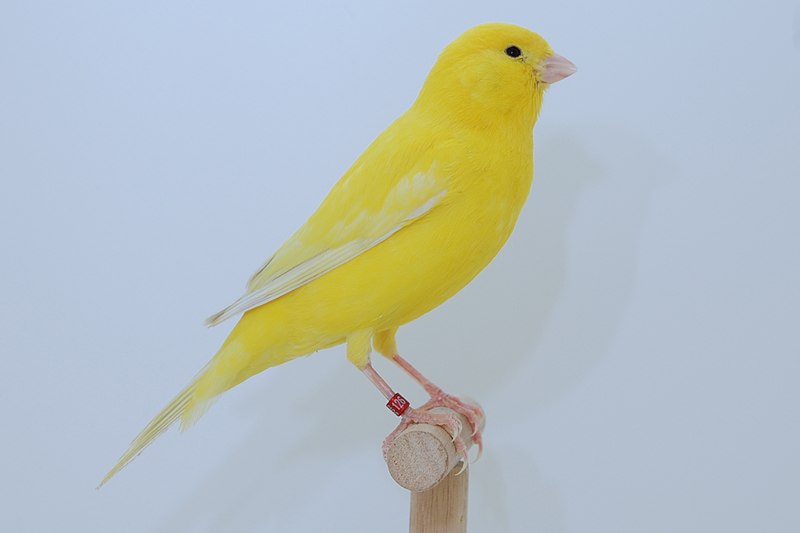
Quick Facts
| Attribute | Details |
|---|---|
| Scientific Name | Serinus canaria domestica |
| Origin | Canary Islands, Azores, Madeira |
| Size | Small (4.5-5.5 inches, 12-30 grams) |
| Lifespan | 10-15 years |
| Noise Level | Low to Moderate (melodious singing) |
| Talking Ability | None (do not mimic speech) |
| Diet | Canary seed mix, vegetables, fruits, egg food |
| Care Level | Beginner-friendly |
| Space Requirements | Minimum 18x14x18 inch flight cage |
Recommended for Canaries
Lafeber - Premium canary diet | Kaytee - Canary seed mixes | Chewy - Bird supplies on autoship
Canary Overview
The Canary has been a beloved companion bird for over 500 years, prized primarily for the male's beautiful, melodious singing. These small finches are ideal for those who want to enjoy the beauty and song of a bird without the handling requirements and noise of parrots.
Unlike parrots, canaries are hands-off pets - they prefer to be admired from a distance rather than handled. This makes them perfect for people who want avian company without the commitment of interactive care that parrots demand.
The Canary represents one of the most fascinating birds available in aviculture, combining striking physical characteristics with a behavioral complexity that rewards attentive ownership. With a potential lifespan of 10-15 years, committing to a Canary is a decision that can span a significant portion of an owner's life. This species has evolved in specific ecological niches that have shaped everything from their dietary requirements to their social structure, and understanding these evolutionary foundations is essential for providing care that goes beyond mere survival to support genuine thriving.
Behaviorally, Canary exhibit a range of social and cognitive capabilities that continue to impress researchers and experienced keepers alike. Their well-balanced nature manifests in specific ways—from complex vocalizations and social bonding behaviors to problem-solving abilities and emotional responses that are increasingly well-documented in avian behavioral science. These birds form strong attachments to their human caregivers and can experience genuine distress when their social needs are not met. This means that owning a Canary is not simply about providing physical necessities like food and shelter, but about establishing a relationship that includes regular interaction, mental stimulation, and respectful handling.
The physical environment you create for your Canary has a direct and measurable impact on their quality of life. The cage or aviary should be sized generously—larger is almost always better, as these birds need space for wing stretching, climbing, and play. Beyond cage dimensions, environmental factors such as lighting quality (including access to full-spectrum or natural light), ambient temperature stability, air quality, and noise levels all influence your Canary's physical health and emotional state. Many experienced Canary owners report that investing in the highest quality cage or aviary and environmental controls they can afford pays dividends in reduced veterinary costs and improved behavioral outcomes over the bird's lifetime.
Natural Habitat & Origin
Canaries are native to the Macaronesian islands: Understanding how this applies specifically to Canary helps you avoid common pitfalls.
- Geographic Range: Canary Islands, Azores, Madeira (Atlantic islands)
- Wild Coloring: Green-brown, streaked - different from domestic varieties
- Domestication: First bred in captivity in the 1400s by Spanish monks
- Historical Significance: Used in coal mines to detect carbon monoxide
Song Canaries (bred for singing)
- American Singer: Bred for pleasant song; popular pet variety
- Roller (German Roller): Quiet, rolling song with closed beak
- Spanish Timbrado: Loud, metallic song; bred in Spain
- Waterslager (Belgian): Water-like bubbling notes
Color Canaries
- Yellow: Classic canary color
- Red-Factor: Orange to red coloration
- White: Pure white or dominant white
- Bronze: Rich brown tones
Type Canaries (bred for appearance)
- Gloster: Small with "Beatles" fringe haircut
- Yorkshire: Large, upright posture
- Norwich: Chunky, round body
- Crested: Distinctive head crest
Temperament & Personality
Canaries have distinctive traits: Your avian veterinarian and experienced Canary owners can offer perspective tailored to your situation.
- Independent: Do not seek or require handling
- Singing: Males sing beautifully; females typically chirp
- Active: Enjoy flying and hopping around their cage
- Territorial: Males should be housed separately; will fight
- Observant: Enjoy watching household activity
- Not Cuddly: Generally do not like being touched
The personality of a Canary is one of its most captivating qualities, but it also represents one of the greatest responsibilities of ownership. These birds are not background pets—they are socially complex individuals that form deep attachments, experience boredom and frustration, and require consistent mental engagement to maintain psychological health. A well-socialized Canary with a well-balanced disposition will seek out interaction, respond to training, and develop what many owners describe as a genuine two-way relationship. However, this social sophistication also means that neglected or understimulated Canary are highly susceptible to behavioral problems including feather destructive behavior, excessive vocalization, and aggression.
Understanding the social dynamics of Canary is crucial for multi-bird households and for managing the human-bird bond. These birds can develop strong preferences for specific family members, sometimes to the point of displaying protective or jealous behaviors toward others. This is not random—it reflects the species' natural pair-bonding and flock hierarchy instincts being expressed within the domestic environment. Managing these dynamics requires consistent behavior protocols across all family members, ensuring that the Canary receives positive socialization from multiple people rather than becoming exclusively bonded to a single individual. This broader social foundation produces a more well-adjusted, adaptable bird.
Vocalization patterns in Canary serve multiple functions and should be understood rather than simply tolerated or suppressed. Morning and evening contact calls are natural flock communication behaviors that serve an important psychological function. Alarm calls indicate genuine perceived threats. Repetitive or excessive vocalization, on the other hand, often signals boredom, anxiety, or learned attention-seeking behavior. Distinguishing between these vocalization types—and responding appropriately to each—is a skill that develops over time and is essential for maintaining a harmonious household. Many successful Canary owners establish daily routines that include designated interaction times, which helps the bird anticipate social engagement and reduces anxiety-driven vocalization.
Housing Requirements
Canaries need horizontal flight space.
- Cage Size: Minimum 18x14x18 inches; width more important than height
- Bar Spacing: 3/8 inch or less
- Flight Cage: Strongly recommended; canaries need to fly
- Perches: Multiple thin perches; natural branches ideal
- Placement: Eye level, away from drafts, in quiet area for singing
- Bathing: Provide a shallow bath dish
Diet & Nutrition
Proper diet is essential for health and singing: Your avian veterinarian and experienced Canary owners can offer perspective tailored to your situation.
- Canary Seed Mix: Base of diet; quality commercial mix
- Fresh Vegetables: Daily; greens, grated carrot, broccoli
- Fresh Fruits: Occasional; apple, grapes, orange
- Egg Food: Important especially during molting and breeding
- Cuttlebone: Essential for calcium
- Grit: Controversial; many experts say unnecessary
Top Food Choices for Canaries
Lafeber Premium Canary - Complete nutrition | Kaytee Canary Mix - Quality seed blend | Chewy Bird Supplies - Fresh food delivery
A brief conversation with your avian veterinarian before a Canary diet change adds an individualised safety check that generic advice cannot.
Health Issues
Canaries can be prone to certain conditions: Every Canary benefits from an owner willing to dig below surface-level recommendations.
Common Health Concerns
- Air Sac Mites: Respiratory parasite; causes labored breathing
- Feather Mites: External parasites affecting feathers
- Egg Binding: Life-threatening in females
- Respiratory Infections: Very sensitive to air quality
- Overgrown Nails/Beak: May need periodic trimming
Environmental Sensitivities
- Drafts: Very susceptible to cold air
- Fumes: Extremely sensitive to PTFE (Teflon), aerosols, candles
- Stress: Can die from severe stress
- Night Frights: Can panic and injure themselves
Singing and Health Warning
Only MALE canaries sing. If you want a singing bird, ensure you're getting a male. Males stop singing during their annual molt (usually late summer/fall) - this is normal, not a health problem. If your canary stops singing outside of molt, or shows other symptoms (fluffed feathers, labored breathing, sitting on cage floor), seek avian veterinary care immediately.
Avian health management for Canary requires a proactive approach built on understanding that birds, like all prey species, instinctively conceal signs of illness until they can no longer compensate. By the time a Canary displays obvious symptoms such as fluffed feathers, tail bobbing, or sitting on the cage bottom, the underlying condition may already be advanced. This makes routine preventive care, regular wellness examinations with an avian veterinarian, and attentive daily observation essential components of responsible Canary ownership.
Nutritional health is one of the most significant and controllable factors influencing your Canary's long-term wellbeing. Seed-only diets, once standard in aviculture, are now understood to be nutritionally incomplete and are associated with fatty liver disease, vitamin A deficiency, calcium deficiency, and obesity—conditions that collectively represent the most common preventable health problems in captive birds. A complete diet for Canary should center on high-quality formulated pellets (comprising 60-70% of intake) supplemented with fresh vegetables, appropriate fruits, and species-specific treats. Transitioning a seed-addicted Canary to a balanced diet requires patience and creativity, but the health benefits are substantial and well-documented.
Environmental health factors play a larger role in Canary health than many owners realize. Air quality is critically important—birds have exceptionally efficient respiratory systems that make them highly sensitive to airborne toxins including non-stick cookware fumes (PTFE/Teflon), aerosol sprays, scented candles, air fresheners, and cigarette smoke. These substances can cause acute respiratory distress and death in birds at concentrations that produce no symptoms in humans or other pets. Temperature stability, appropriate humidity, and access to natural or full-spectrum lighting also contribute to immune function, feather quality, and behavioral health. Creating a safe, controlled environment for your Canary is as important as diet and veterinary care in maintaining long-term health.
Training & Socialization
Canaries are not typically trained like parrots: Personalization beats protocol: the more the routine reflects this Canary, the better the outcomes.
- No Handling: Generally do not become tame to hand
- Song Training: Young males can learn songs from recordings or tutors
- Perch Training: Some will perch on finger with patience
- Routine: Appreciate consistent daily schedules
- Environment Enrichment: Swings, mirrors, multiple perches
Noise & Vocalization
Canaries are prized for their singing: Your avian veterinarian and experienced Canary owners can offer perspective tailored to your situation.
- Males: Sing beautiful, melodious songs; can sing for hours
- Females: Typically chirp; rarely sing
- Volume: Pleasant, not harsh; generally apartment-friendly
- Singing Season: Most actively sing late winter through summer
- Molt: Males stop singing during annual molt
Compatibility with Families & Other Pets
Canaries have specific social needs.
- Children: Good for families; watching only, no handling
- Other Canaries: Males fight; keep separately or in very large aviaries
- Finches: May house with peaceful finch species in large flight
- Cats & Dogs: Keep secure; canaries are prey animals
- Seniors: Excellent companions; minimal physical care needed
Is This Bird Right for You?
Master this layer of Canary care and everything from feeding to vet visits becomes more predictable. Because each Canary is its own animal, treat any general guideline as a starting point and refine from there.
Canaries Are Great For:
- Those wanting beautiful song without parrot noise
- People who prefer watching birds rather than handling
- Apartment dwellers (pleasant, moderate volume)
- Beginners to bird keeping
- Those with limited time for interaction
- Anyone wanting low-maintenance avian companionship
Canaries May Not Be Ideal For:
- Those wanting a bird to handle and cuddle
- People seeking a talking bird
- Those wanting bird tricks and training
- Children wanting an interactive pet
- Anyone seeking constant vocalization (they're quiet at night)
A Canary is not for everyone, and that is perfectly fine. What matters is making the choice based on realistic expectations rather than idealized breed descriptions. Spend time around actual Canary birds before committing. Visit rescues, attend meet-ups, or ask a friend who owns one if you can arrange experienced avian care during travel. That firsthand experience is worth more than a hundred online guides.
Strip everything else away and Canary ownership comes down to the relationship. Grooming, vet visits, and training are the operating costs; what they buy is a bird that recognises you, trusts you, and integrates into the household. Most Canary owners describe that dynamic as the reason the rest of it is worth doing.
Cost of Ownership
Your actual costs for Canary care will depend on where you live, your animal's health, and the choices you make. The figures above are a reasonable starting point, but plan for some variation. Having even a small emergency fund takes real pressure off when surprises arise.
Year one hits the wallet hardest. Between the initial purchase or adoption fee, an initial avian vet exam and wing clipping if applicable, starter supplies, and often some form of professional training, expect to spend noticeably more than in subsequent years. Once those one-time costs are behind you, annual spending drops — though it tends to creep back up as your Canary ages and needs more frequent veterinary attention in the later years.
Related Species to Consider
If you're interested in Canaries, you might also consider.
- Finch - Similar care; social, active birds
- Budgerigar - Small, can be tamed and talk
- Cockatiel - Gentle, whistles beautifully
- Bourke's Parakeet - Quiet, gentle option
- Dove - Gentle, cooing sounds
Ask Our AI About Canaries
Have specific questions about Canary health, care, or singing? Our AI assistant can provide personalized guidance.
Get Personalized AI Guidance
Ask Our AI NowDecision Guides for Canary
Use these only when comparing food, insurance, ownership budget, or beginner fit for this specific pet.