Budgerigar (Parakeet)
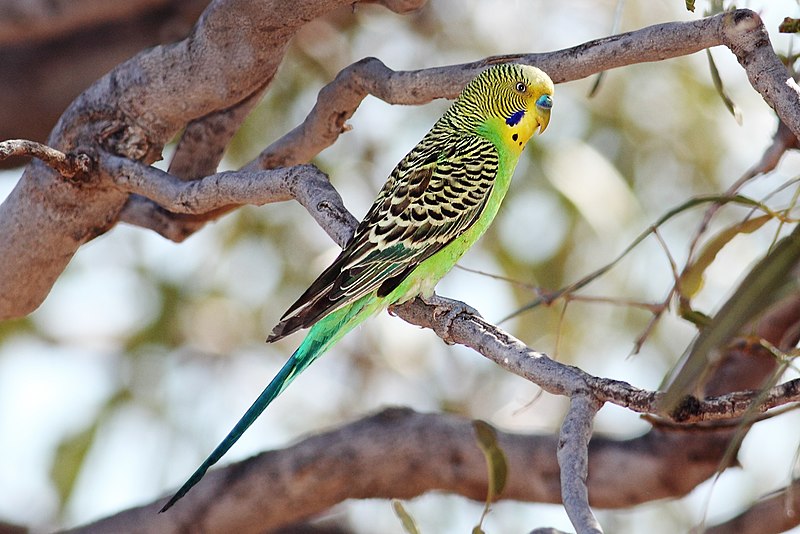
Quick Facts
| Attribute | Details |
|---|---|
| Scientific Name | Melopsittacus undulatus |
| Origin | Australia |
| Size | Small (6-8 inches, 25-35 grams) |
| Lifespan | 5-10 years (up to 15 with excellent care) |
| Noise Level | Low to Moderate |
| Talking Ability | Good (can learn 100+ words) |
| Diet | Seeds, pellets, vegetables, fruits |
| Care Level | Beginner-friendly |
| Space Requirements | Minimum 18x18x18 inch cage |
Recommended for Budgerigars
Harrison's Bird Foods - Certified organic pellets for small birds | Lafeber - Premium nutri-berries and pellets | Kaytee - Complete budgie nutrition and treats
Budgerigar Overview
The Budgerigar, commonly known as the "budgie" or "parakeet" in the United States, is the world's most popular pet bird. Native to the arid regions of Australia, these small, colorful parrots have been cherished companions since the 1800s when they were first brought to Europe.
Despite their small size, budgies are true parrots with remarkable intelligence and personality. They are known for their playful nature, ability to learn tricks, and impressive talking abilities. Male budgies, in particular, can develop extensive vocabularies when properly trained from a young age.
What makes budgies so endearing is the sheer amount of personality packed into such a tiny body. A single budgie in a quiet room will chatter to itself in the mirror, work a foraging toy until it cracks the puzzle, and greet you with an excited wing-flutter when you walk through the door. In the wild, flocks of thousands sweep across the Australian outback following rain, and that nomadic social energy carries directly into captivity. A lone budgie needs you to be its flock, which means daily conversation, play, and time outside the cage.
One thing that surprises new budgie owners is how much individual variation exists. Some budgies are bold from day one, landing on your hand within a week. Others are cautious and take months to warm up. Males tend to be chattier and more likely to mimic speech, while females can be feistier and more territorial around the cage. Neither is better or worse, but knowing your bird's personality helps you tailor training and enrichment to what actually motivates them.
Because budgies are so small, their environment matters enormously. A drafty window, a scented candle, or fumes from a nonstick pan can be fatal in minutes. On the flip side, getting the basics right is straightforward and affordable. A roomy flight cage, natural wood perches of varying diameters, and a rotation of foraging toys will keep a budgie physically and mentally healthy for years. Many long-time budgie keepers say these little parrots give back far more entertainment and affection than people expect from a bird that costs less than dinner out.
Natural Habitat & Origin
Budgerigars originate from the grasslands, scrublands, and open woodlands of inland Australia. In the wild, they live in large flocks that can number in the thousands, traveling nomadically in search of water and food sources.
- Wild Coloring: Wild budgies are predominantly green and yellow with black barring patterns
- Climate Adaptation: Evolved to survive in harsh, arid conditions with limited water
- Social Structure: Highly social birds that thrive in flocks
- Natural Diet: Seeds from native grasses and plants
Housing Requirements
Proper housing is essential for a healthy, happy budgie.
- Cage Size: Minimum 18x18x18 inches for one bird; larger is always better
- Bar Spacing: 1/2 inch maximum to prevent escape or injury
- Perches: Multiple perches of varying diameters (1/2 to 3/4 inch) and materials
- Placement: At eye level, away from drafts, direct sunlight, and kitchen fumes
- Flight Time: Daily supervised out-of-cage time in a bird-safe room
- Accessories: Swings, ladders, mirrors, and foraging toys for enrichment
Diet & Nutrition
A balanced diet is crucial for budgie health: Your avian veterinarian and experienced Budgerigar owners can offer perspective tailored to your situation.
- Pellets: Should make up 50-70% of diet; superior to seed-only diets
- Fresh Vegetables: Daily offerings of leafy greens, carrots, broccoli, peppers
- Fresh Fruits: Occasional treats like apple, berries, melon (no avocado)
- Seeds: Limited amounts as treats; high in fat
- Cuttlebone: Essential for calcium and beak conditioning
- Fresh Water: Clean water daily; some budgies enjoy bathing in shallow dishes
Top Food Choices for Budgerigars
Harrison's Bird Foods - Organic pellets formulated by avian vets | Lafeber Nutri-Berries - Balanced nutrition birds love | Mazuri - Zoo-quality small bird nutrition
The single biggest dietary mistake budgie owners make is feeding an all-seed diet. Seeds are like junk food for budgies -- high in fat, low in vitamins, and addictive. A budgie raised on seeds will often refuse pellets at first, turning up its beak like a toddler rejecting vegetables. The conversion process takes patience. Mix pellets into the seed gradually, offer them in a separate dish first thing in the morning when the bird is hungriest, and celebrate every nibble. Most budgies make the switch within two to four weeks.
Fresh vegetables should be part of the daily routine. Broccoli florets, shredded carrot, leafy greens, and bell pepper strips all go over well once budgies get used to them. Clip a leaf of romaine to the cage bars and let the bird investigate at its own pace. Fruits are fine as occasional treats but should be limited because of sugar content. And always remove fresh food after a few hours -- budgies are tiny, and spoiled food in a warm cage grows bacteria fast.
Health Issues
Budgerigars can be prone to certain health conditions: Your avian veterinarian and experienced Budgerigar owners can offer perspective tailored to your situation.
Common Health Concerns
- Obesity: Common in seed-only diets; leads to fatty liver disease
- Scaly Face Mites: Causes crusty growths around beak and eyes; treatable
- Respiratory Infections: Watch for tail bobbing, wheezing, or nasal discharge
- Tumors: Unfortunately common in budgies, especially as they age
- Psittacosis: Bacterial infection transmissible to humans; requires vet care
Signs of Illness
- Fluffed feathers for extended periods
- Sitting on the cage bottom
- Loss of appetite or weight loss
- Changes in droppings
- Discharge from eyes, nose, or beak
Avian Vet Care Recommendation
Budgies are masters at hiding illness. By the time symptoms are obvious, the condition may be serious. Find an avian-certified veterinarian and schedule annual wellness exam (AAHA Preventive Healthcare Guidelines. Consider pet insurance to help cover unexpected vet costs.
Budgies are masters at hiding illness -- a survival instinct from life in wild flocks where a sick bird attracts predators. By the time you notice obvious symptoms like fluffed feathers, sitting on the cage floor, or tail bobbing, the bird may have been unwell for days. This is why daily observation matters so much. Get into the habit of watching your budgie for a minute each morning: Is it eating? Moving normally? Are the droppings consistent? Changes in any of these are your earliest warning system.
Tumors are unfortunately common in budgerigars, more so than in most other pet birds. Kidney tumors, fatty tumors (lipomas), and reproductive tumors all occur with some frequency, particularly in birds over five years old. There is no guaranteed prevention, but a proper diet (pellets and vegetables rather than seeds alone), regular exercise through flight time, and annual wellness checks with an avian vet give your budgie the best shot at a long, healthy life.
Kitchen safety is a serious concern that every budgie owner needs to understand. Nonstick cookware (Teflon, PTFE) releases invisible fumes when heated that are rapidly lethal to birds. A budgie can die within minutes of exposure, even from another room. The same goes for aerosol sprays, self-cleaning ovens, scented candles, and air fresheners. If your budgie's cage is anywhere near the kitchen, either replace all nonstick cookware or move the cage to a safer location. This is not optional -- it is the most common cause of sudden death in pet birds.
Temperament & Personality
Budgerigars are known for their delightful personalities.
- Playful & Active: Budgies are energetic birds that love to play, climb, and explore their environment
- Social & Affectionate: They bond closely with their owners and enjoy interaction and companionship
- Curious & Intelligent: Quick learners who enjoy puzzle toys and learning new tricks
- Vocal & Chatty: Love to chirp, sing, and mimic sounds throughout the day
- Gentle Nature: Generally not aggressive, making them suitable for families with children
Budgies are proof that personality has nothing to do with size. A well-socialized budgie will ride on your shoulder while you do chores, bob its head to music, and chatter nonstop in a stream of chirps, whistles, and (if you are patient) recognizable words. They are goofy, fearless little birds that will investigate anything new in their space, from a crinkled piece of paper to your breakfast plate.
If you keep more than one budgie, you will get to watch genuine flock dynamics play out. They squabble over the best perch, preen each other's head feathers, and sleep pressed together on a single perch at night. A pair of budgies will be less dependent on you for social interaction, but they can also become so bonded to each other that taming is harder. Many experienced owners recommend starting with one bird, building a solid bond, and then introducing a second once the first is hand-tame.
Budgies do have a chatty streak that not everyone loves. They are not loud like a cockatoo, but they produce a near-constant background chatter during waking hours -- happy chirps, contact calls, and practice mumbling as they work on new words. Most people find this pleasant, but if you need dead silence to work from home, keep the cage in a different room. Morning and evening are peak noise times, mimicking the dawn and dusk activity bursts their wild cousins experience in the Australian bush.
Training & Socialization
Budgies are highly trainable with patience and consistency: Understanding how this applies specifically to Budgerigar helps you avoid common pitfalls.
- Hand Taming: Start with sitting quietly near the cage, then progress to hand-feeding treats
- Step-Up Training: Teach to step onto your finger using millet as a reward
- Speech Training: Repeat words clearly and consistently; males typically learn faster
- Trick Training: Can learn to spin, wave, fetch, and navigate obstacle courses
- Target Training: Using a target stick accelerates learning
Noise & Vocalization
Budgerigars are relatively quiet compared to larger parrots: Your avian veterinarian and experienced Budgerigar owners can offer perspective tailored to your situation.
- Normal Volume: Pleasant chirping and chattering at moderate volume
- Peak Times: Most vocal in the morning and evening
- Talking: Males can learn 100+ words; females typically don't talk as much
- Contact Calls: May call when separated from their flock (you!)
- Apartment Suitable: Generally acceptable for apartments and close neighbors
Compatibility with Families & Other Pets
Budgies can make wonderful family pets.
- Children: Excellent for supervised children 6+; teach gentle handling
- Other Budgies: Thrive with same-species companions; avoid overcrowding
- Other Birds: Can coexist with similarly-sized peaceful species
- Cats & Dogs: Should never be left unsupervised; predator instincts are real
- Seniors: Great companions for older adults seeking low-maintenance pets
Cost of Ownership
Planning ahead financially is one of the most practical things you can do before getting a Budgerigar (Parakeet). Account for the predictable costs, set aside money for the unpredictable ones, and avoid the trap of thinking you will figure it out as you go. Budgerigar (Parakeet) care costs are real and ongoing.
Budgies are among the most affordable pet birds to acquire -- typically $20 to $50 from a breeder or pet store -- but the real costs are in the setup and ongoing care. A proper flight cage runs $80 to $200, and you will want natural wood perches, foraging toys, and a cuttlebone from day one. Plan on spending $150 to $300 to get everything set up properly before the bird comes home.
Monthly costs are modest compared to larger parrots. Pellets, fresh vegetables, and the occasional toy replacement run about $20 to $40 per month. The expense that catches people off guard is veterinary care. Avian vet visits are more expensive than dog or cat checkups, typically $75 to $150 for a wellness exam, and significantly more if blood work or treatment is needed. Since budgies hide illness until it is advanced, the vet bills tend to come all at once rather than gradually. Setting aside even $10 a month in a "bird emergency fund" can make the difference between getting timely treatment and having to make difficult choices.
Over a budgie's 8-to-15-year lifespan, total costs typically range from $1,500 to $4,000. That is a fraction of what larger parrots cost, but it is not nothing. The most cost-effective approach is to invest in quality food and a good cage upfront, which prevents the diet-related health problems that drive up vet bills later. A budgie on a proper pellet-and-vegetable diet in a roomy cage is far cheaper to maintain long-term than one eating seeds in a cramped cage that ends up at the vet with fatty liver disease.
Is This Bird Right for You?
If you are optimizing a Budgerigar's routine, this is one of the higher-leverage items to get right early.
Budgies Are Great For:
- First-time bird owners
- Families with older children
- Apartment dwellers (relatively quiet)
- Those with limited space
- People who want an interactive, trainable pet
- Budget-conscious pet owners
Budgies May Not Be Ideal For:
- Those seeking a completely silent pet
- Very young children without supervision
- Households with predatory pets that can't be separated
- People with severe bird allergies
- Those unable to commit to daily interaction
Budgies are often called "starter birds," and that is mostly fair -- they are affordable, small, and forgiving of beginner mistakes. But do not confuse easy entry with low commitment. A budgie that gets daily interaction, a varied diet, and regular out-of-cage time will be a completely different animal from one left alone in a small cage with a seed dish. The first bird is a vibrant, chatty companion; the second is a stressed, quiet bird that lives half as long.
If you work from home or have a retired household member, a budgie can be an ideal fit. They love background conversation and will happily chatter along while you talk on the phone or watch TV. If the house is empty for ten hours a day, seriously consider getting a pair so the bird has a companion during those long stretches.
For families with kids, budgies teach responsibility without the intensity of a larger parrot. Just set clear rules: no tapping the cage, no grabbing the bird, and always wash hands before and after handling. Most budgies tolerate gentle children well, and the experience of earning a small bird's trust is something kids remember for years.
Related Species to Consider
If you're interested in Budgerigars, you might also consider.
- Cockatiel - Slightly larger, equally gentle
- Lovebird - Similar size, more feisty personality
- Parrotlet - Tiny but with big parrot personality
- Lineolated Parakeet - Calm, quiet alternative
- Bourke's Parakeet - Gentle, crepuscular species
Ask Our AI About Budgerigars
A quick consult with your avian veterinarian ahead of any material diet change usually flags interactions that a web guide cannot — especially with your Budgerigar's specific profile in view.
Get Personalized AI Guidance
Ask Our AI NowDecision Guides for Budgerigar (Parakeet)
Use these only when comparing food, insurance, ownership budget, or beginner fit for this specific pet.