Whippet exercise & Fitness Guide
This page is educational reference material for preparing questions. A licensed veterinarian examines the animal, makes the diagnosis, and sets the treatment.
How much exercise does a Whippet need? Activity recommendations for this medium moderate-energy hound breed.
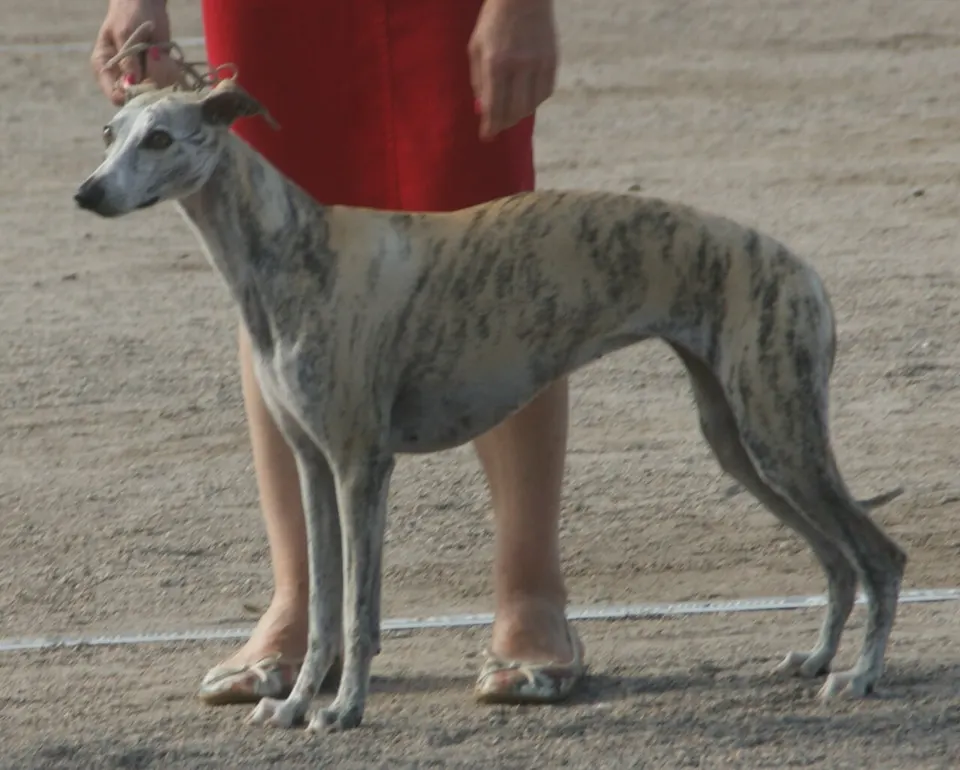
Daily exercise daily. Moderate daily exercise keeps your Whippet healthy and mentally satisfied.
Weighing around 25-40 lbs and lifespan of 12-15 yrs, the Whippet benefits from care tailored to its physical and behavioral profile. Living with a Whippet means adapting to a moderate-energy companion that thrives on structure, appropriate exercise, and attentive health monitoring.
Known Health Risks: Genetic screening data shows Whippets have elevated rates of heart disease, eye problems, anesthesia sensitivity. Prevalence figures describe averages across a breed, not any one animal. A veterinarian familiar with breed-specific risk patterns is simply better positioned to catch exceptions early.
Best Activities
Living with a Whippet means adapting to a moderate-energy companion that thrives on structure, appropriate exercise, and attentive health monitoring. Whippets with moderate energy levels strike a good balance between activity and relaxation.
- Size: medium (25-40 lbs)
- Energy Level: Moderate
- Shedding: Light
- Lifespan: 12-15 yrs
Exercise by Age
Care that accounts for breed predispositions leads to earlier detection and better prevention. Plan Whippets care around a medium body size, light shedding, and the breed's documented predisposition toward heart disease and eye problems.
Mental Stimulation
- Maintain a weekly grooming routine
Indoor Activities
Signs of Under-Exercise
Breed-aware owners tend to catch things earlier, which matters. Watch for early signs of heart disease, maintain regular veterinary visits, and keep your dog at a healthy weight — excess weight worsens most of the conditions Whippets are prone to.
Veterinary Care Schedule for Whippets
A regular vet schedule based on your Whippet Exercise Needs's age and breed-specific risks is the best health investment you can make. These are baseline recommendations.
| Life Stage | Visit Frequency | Key Screenings |
|---|---|---|
| Puppy (0-1 year) | Every 3-4 weeks until 16 weeks, then at 6 and 12 months | Vaccinations, deworming, spay/neuter (consult AVMA guidelines on optimal timing) consultation |
| Adult (1-7 years) | Annually | Physical exam, dental check, heartworm test, vaccination boosters |
| Senior (7+ years) | Every 6 months | Blood work, urinalysis, Heart Disease screening, Eye Problems screening, Anesthesia Sensitivity screening |
Whippets should receive breed-specific screening for heart disease starting at 3-5 years of age or earlier if symptoms appear. Screening before symptoms appear makes a meaningful difference in outcomes.
Cost of Whippet Ownership
Here is a realistic look at annual costs. Estimated annual costs for Whippet ownership.
More Whippet Guides
Explore related topics for Whippet ownership.
- Whippet Diet & Nutrition Guide
- Whippet Pet Insurance Cost
- How to Train a Whippet
- Whippet Grooming Guide
- Whippet Health Issues
- Whippet Temperament & Personality
- Whippet Cost of Ownership
- Adopt a Whippet