How to Train a Rottweiler
Rottweiler training. Tips for their moderate energy working breed temperament.
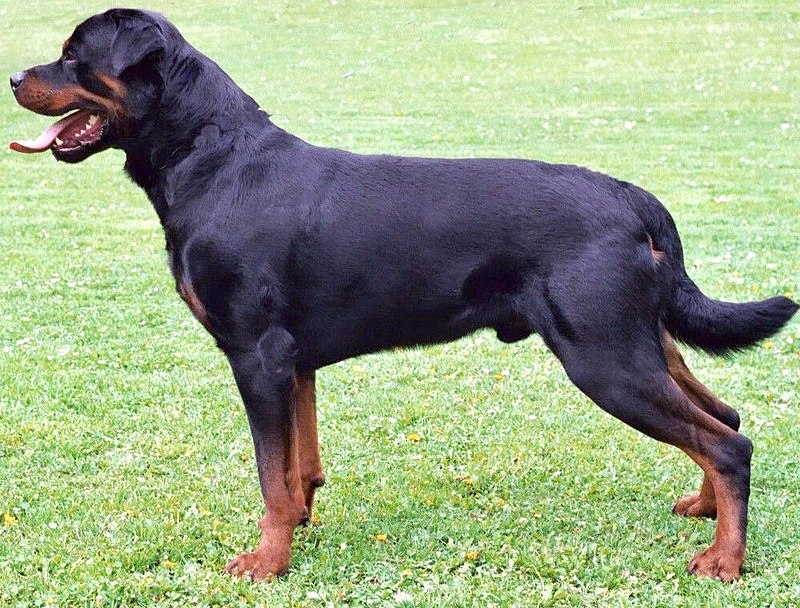
Training Approach
Rottweilers were bred to drive cattle and pull carts, so they come hardwired with confidence, a strong work ethic, and a desire to please their handler. That combination makes them surprisingly trainable -- once they decide you are worth listening to.
The biggest mistake new Rottweiler owners make is waiting too long to start training. By the time a Rottie is six months old, they can already outmuscle most adults on a leash. Start basic obedience the day you bring them home, even if they are a young puppy.
Breed-Specific Health Profile: Research identifies hip dysplasia, osteosarcoma, heart disease as conditions with higher prevalence in Rottweilers. These are population-level trends, not individual certainties. Discuss with your veterinarian which screening tests are recommended for your Rottweiler.
Rottweiler Training Challenges
Rottweilers are naturally aloof with strangers, which is part of their guardian temperament. Without deliberate socialization, that aloofness can harden into suspicion or reactivity. The key training challenge is balancing their protective instincts with good manners.
- Size: large (80-135 lbs)
- Energy Level: Moderate
- Shedding: Moderate
- Common Health Issues: Hip Dysplasia, Osteosarcoma, Heart Disease
- Lifespan: 8-10 yrs
Socialization
Expose your Rottweiler puppy to as many different people, dogs, surfaces, and sounds as possible before four months old. Carry treats everywhere and reward calm behavior around new stimuli. A puppy who learns that strangers mean good things grows into an adult who can handle the vet's office, the hardware store, and visitors at the front door without turning into a barking fortress.
For adult Rottweilers who missed early socialization -- common with rescues -- go slower. Controlled introductions at a distance, with high-value rewards, work far better than forcing proximity.
Obedience Commands
Rottweilers respond best to clear, consistent commands delivered in a calm tone. Shouting actually makes them less responsive -- they read it as instability in their handler. Teach "sit," "down," "stay," "come," and "leave it" before anything else. These five commands handle 90% of daily life situations with a large, powerful dog.
Short sessions work better than long ones. Ten minutes of focused training three times a day beats one 30-minute session where the dog checks out halfway through.
- Provide 30–60 minutes of daily exercise appropriate to their energy level
- Feed a high-quality diet formulated for large breed dogs (1,400–2,200 calories/day)
- Maintain a 2–3 times per week grooming routine
- Schedule breed-appropriate health screenings for hip dysplasia
- Pet insurance enrolled early typically offers the best value, covering breed-related conditions before they develop
Advanced Training
Rottweilers thrive when given a purpose. Cart pulling, tracking, and advanced obedience trials play directly to their strengths. Many Rottweiler owners find that competition obedience or Schutzhund/IPO training gives their dog the mental challenge it craves while strengthening the handler-dog bond.
Even without formal competition, teaching complex trick sequences or practicing scent detection at home keeps a Rottweiler's mind sharp. A bored Rottweiler invents its own entertainment, and you probably will not enjoy what it comes up with.
Leash manners deserve special attention with this breed. Loose-leash walking is not optional when your dog weighs over 100 pounds. Front-clip harnesses and consistent "penalty yards" (stopping and reversing direction when the dog pulls) work well for Rottweilers.
Common Behavior Issues
Resource guarding is the behavior issue Rottweiler owners encounter most often. These dogs were bred to protect, and some extend that instinct to food bowls, toys, and sleeping spots. Address it early: practice trading games where you offer something better in exchange for what the dog has. Never punish a growl -- that is the dog communicating before it escalates.
Jumping is another common issue, especially with young Rottweilers who do not realize they are no longer lap-sized. Teach "four on the floor" by only giving attention when all four paws are on the ground. Ignore jumping completely -- even negative attention reinforces it.
Rottweilers are creatures of habit. When you establish a consistent daily rhythm -- walk at 7 AM, training at noon, evening play session -- they relax into it and become much easier to live with. Disrupted routines tend to produce a restless, demanding dog.
Veterinary Care Schedule for Rottweilers
Preventive care reduces both emergency costs and disease severity over your pet's lifetime. Here is a general framework for your Rottweiler. Below is a general framework.
| Life Stage | Visit Frequency | Key Screenings |
|---|---|---|
| Puppy (0-1 year) | Every 3-4 weeks until 16 weeks, then at 6 and 12 months | Vaccinations, deworming, spay/neuter (consult AVMA guidelines on optimal timing) consultation |
| Adult (1-7 years) | Annually | Physical exam, dental check, heartworm test, vaccination boosters |
| Senior (7+ years) | Every 6 months | Blood work, urinalysis, Hip Dysplasia screening, Osteosarcoma screening, Heart Disease screening |
Rottweilers should receive breed-specific screening for hip dysplasia starting at 1-2 years of age, as large breeds develop structural issues early. Catching problems early gives you more treatment options and better odds.
Cost of Rottweiler Ownership
- Annual food costs: $600–$1,200 for high-quality dog food
- Veterinary care: $300–$700 annually for routine visits, plus potential emergency costs
- Grooming: $65–100 per professional session (2–3 times per week home grooming recommended)
- Pet insurance: $50–80/month for comprehensive coverage
- Supplies and toys: $200–$500 annually for bedding, toys, leashes, and other essentials
More Rottweiler Guides
Find more specific guidance for Rottweiler health and care.
- Rottweiler Diet & Nutrition Guide
- Rottweiler Pet Insurance Cost
- Rottweiler Grooming Guide
- Rottweiler Health Issues
- Rottweiler Temperament & Personality
- Rottweiler Exercise Needs
- Rottweiler Cost of Ownership
- Adopt a Rottweiler
Cancer Surveillance Protocol
The Rottweiler's elevated cancer risk necessitates a proactive surveillance approach. Breed-specific cancer incidence data from veterinary oncology registries suggests Rottweilers face higher-than-average risk compared to mixed-breed dogs of similar size. Regular veterinary examinations should include thorough lymph node palpation, abdominal palpation, and discussion of any new lumps or behavioral changes. The Veterinary Cancer Society recommends that owners of high-risk breeds learn to perform monthly at-home checks for abnormal swellings, unexplained weight loss, or persistent lameness.
Cardiac Health Monitoring
A confident read of this side of pet care puts you in a better position to make decisions the animal can actually feel. Watch your individual pet for feedback signals, and tune routines to the patterns you actually see.
What are the most important considerations for how to train a rottweiler?
Training a Rottweiler: Complete Guide works best with consistent, positive methods tailored to their temperament and energy level. Early socialization is also critical.
Got a Specific Question?
Households that take the time to learn their pet-specific patterns tend to avoid expensive corrective work later.