Senior Cat Care Guide
Cats are considered seniors at around 11 years old and geriatric at 15+. With proper care, many cats live well into their late teens or even twenties. This guide focuses on everything you need to know to support your aging cat's health, comfort, and quality of life.
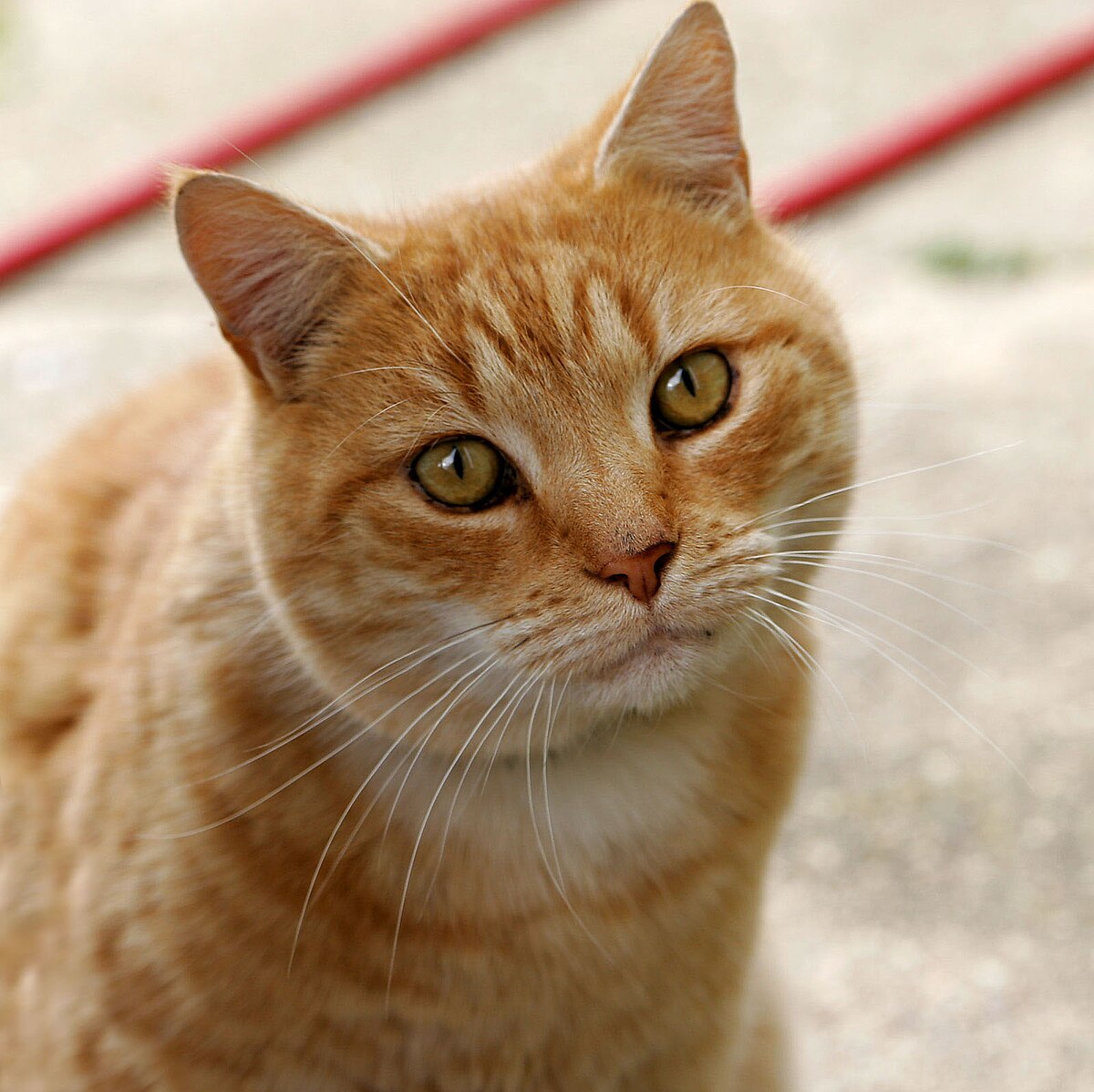
Understanding the Aging Process
As cats age, their bodies undergo changes similar to human aging. Recognizing these changes helps you adapt their care appropriately.
Age Categories
- Mature (7-10 years): Equivalent to human 44-56 years; subtle changes begin
- Senior (11-14 years): Equivalent to human 60-72 years; health monitoring becomes crucial
- Geriatric (15+ years): Equivalent to 76+ human years; require specialized care
Common Age-Related Changes
- Decreased metabolism and activity level
- Changes in sleep patterns (more sleeping)
- Reduced sense of smell and taste
- Decreased hearing and vision
- Cognitive changes
- Thinning coat, brittle nails
- Dental deterioration
- Decreased immune function
- Muscle loss (sarcopenia)
- Joint stiffness and arthritis
Veterinary Care for Senior Cats
Preventive care becomes even more important as your cat ages. Many conditions are manageable when caught early.
Recommended Checkup Schedule
- Ages 7-10: Annual wellness exam (AAHA Preventive Healthcare Guidelines) with baseline bloodwork
- Ages 11-14: Bi-annual exams (every 6 months)
- Ages 15+: Every 4-6 months, or more frequently if managing conditions
Senior Wellness Testing
Regular screening helps detect issues before symptoms appear.
- Complete blood count (CBC): Checks for anemia, infection, blood cell abnormalities
- Chemistry panel: Evaluates kidney, liver function, blood glucose, electrolytes
- Thyroid testing (T4): Screens for hyperthyroidism, common in older cats
- Urinalysis: Detects kidney disease, diabetes, urinary infections
- Blood pressure: Hypertension is common and can damage organs silently
- Dental exam: Oral health affects overall health significantly
Common Health Conditions in Senior Cats
Owners who track changes early usually spot problems sooner.
Chronic Kidney Disease (CKD)
Affects up to 30% of cats over 15. Early detection through bloodwork and urinalysis allows for dietary management and supportive care that can significantly extend quality life.
- Signs: Increased thirst and urination, weight loss, decreased appetite, vomiting
- Management: Prescription kidney diet, hydration support, phosphorus binders, blood pressure control
Hyperthyroidism
The most common hormonal disorder in cats over 10. An overactive thyroid increases metabolism, affecting heart and other organs.
- Signs: Weight loss despite good appetite, increased thirst, hyperactivity, vomiting, unkempt coat
- Treatment: Medication (methimazole), prescription diet, radioactive iodine therapy, or surgery
Diabetes Mellitus
More common in overweight and senior cats. Can sometimes go into remission with early, aggressive treatment.
- Signs: Increased thirst and urination, weight loss, increased appetite, weakness in back legs
- Management: Insulin injections, high-protein/low-carb diet, weight management, regular glucose monitoring
Arthritis (Osteoarthritis)
Studies show 90% of cats over 12 have arthritis, though many hide their pain. Cats are masters at concealing discomfort.
- Signs: Reluctance to jump, stiffness, reduced grooming, avoiding litter box, irritability when touched
- Management: Pain medication, joint supplements, weight management, environmental modifications
Cognitive Dysfunction Syndrome (CDS)
Similar to dementia in humans, affecting up to 50% of cats over 15.
- Signs: Disorientation, altered sleep cycles, forgetting litter box location, excessive vocalization (especially at night), reduced interaction
- Management: Environmental enrichment, consistent routine, supplements (SAMe, omega-3s), sometimes medication
Senior Cat Nutrition
Nutritional needs change as cats age. The right diet supports organ function, maintains muscle mass, and manages chronic conditions.
Key Nutritional Considerations
- Protein: Contrary to old beliefs, healthy senior cats need MORE protein to maintain muscle mass, not less
- Moisture: Wet food helps with hydration and is easier to eat
- Digestibility: Senior cats absorb nutrients less efficiently; high-quality, easily digestible foods are essential
- Calories: Adjust based on activity level; many seniors need fewer calories, but very old cats may need more
- Prescription diets: Specific conditions (kidney disease, diabetes, thyroid) may require therapeutic diets
Feeding Tips for Senior Cats
- Warm food slightly to enhance aroma for cats with reduced smell
- Offer smaller, more frequent meals
- Elevate food bowls to reduce neck strain
- Ensure fresh water is always available; consider a water fountain
- Monitor weight weekly — sudden changes warrant vet attention
- If appetite decreases, try different flavors or textures
Weight Changes Are Warning Signs
In senior cats, both weight loss and weight gain can indicate health problems. Unexplained weight loss is particularly concerning and may signal kidney disease, hyperthyroidism, diabetes, cancer, or dental disease. Schedule a vet visit if your senior cat loses more than 5% of body weight.
Environmental Modifications
Simple changes to your home can significantly improve your senior cat's comfort and quality of life.
Accessibility
- Ramps and steps: Help cats access favorite spots (beds, couches, window perches)
- Lower litter box: Use boxes with low sides or cut an entry in the front
- Multiple litter boxes: Place on each floor of the home
- Elevated food and water: Reduce strain on neck and joints
- Easy-access beds: Place cozy beds at ground level
Comfort and Safety
- Warmth: Senior cats are more sensitive to cold; provide heated beds or warm spots
- Non-slip surfaces: Add rugs or mats to slippery floors
- Night lights: Help cats with declining vision navigate at night
- Consistent environment: Avoid major furniture rearrangements
- Quiet spaces: Provide retreats away from household activity
Grooming and Hygiene
Senior cats often groom less effectively and need your help maintaining coat and hygiene.
- Brush regularly (daily for long-haired cats) to prevent mats and hairballs
- Check for skin issues, lumps, or parasites during grooming
- Trim nails frequently — senior cats don't wear them down as naturally
- Clean around eyes if discharge accumulates
- Check ears weekly for wax buildup or infection signs
- Assist with cleaning hard-to-reach areas if needed
Mental Enrichment and Quality of Life
Mental stimulation remains important for senior cats, adapted to their abilities.
Appropriate Activities
- Gentle interactive play sessions (shorter, less intense)
- Puzzle feeders appropriate for their mobility
- Window perches for bird watching
- Catnip or silver vine (many seniors still enjoy these)
- Gentle petting and grooming sessions
- Consistent daily routine for security
Recognizing Pain in Cats
Cats hide pain instinctively. Watch for these subtle signs.
- Decreased activity or reluctance to jump
- Changes in gait or posture
- Hiding more than usual
- Decreased grooming or over-grooming one area
- Avoiding being touched
- Changes in litter box habits
- Reduced appetite
- Personality changes (irritability or withdrawal)
- Facial tension (squinting, flattened ears)
When to Seek Immediate Care
Contact a veterinarian immediately if your senior cat shows: difficulty breathing, inability to urinate (especially male cats), sudden paralysis or weakness, collapse, seizures, severe vomiting or diarrhea, complete loss of appetite for more than 24 hours, or sudden blindness.
End-of-Life Considerations
As your cat ages, it's important to think about quality of life and end-of-life decisions, even if they're difficult topics.
Assessing Quality of Life
Consider these factors regularly.
- Can your cat eat and drink comfortably?
- Is pain well-controlled?
- Can they maintain hygiene (or with your help)?
- Do they still enjoy interactions and activities?
- Are there more good days than bad days?
- Is their underlying condition treatable?
Hospice and Palliative Care
If curative treatment isn't possible, focus shifts to comfort care.
- Pain management
- Nutritional support
- Hydration therapy
- Keeping them warm and comfortable
- Minimizing stress
Ask the AI About Your Senior Cat
Have questions about your senior cat's health, behavior changes, or care needs? Our AI assistant can provide guidance tailored to aging cats.