Syrian Hamster (Golden Hamster)
This page is educational reference material for preparing questions. A licensed veterinarian examines the animal, makes the diagnosis, and sets the treatment.
Affiliate links may earn a commission. Affiliate disclosure.
Quick Facts
| Attribute | Details |
|---|---|
| Scientific Name | Mesocricetus auratus |
| Origin | Syria/Turkey (wild) |
| Size | Large for hamster (5-7 inches / 13-18 cm) |
| Lifespan | 2-3 years |
| Diet | Omnivore (seeds, vegetables, protein) |
| Activity Level | High (nocturnal) |
| Social Needs | MUST live alone - strictly solitary |
| Care Level | Beginner-friendly |
| Space Requirements | Minimum 450 sq inches floor space |
Recommended for Syrian Hamsters
Kaytee - Hamster habitats and food | Oxbow - Premium hamster nutrition | Chewy Autoship - Save 35% on supplies
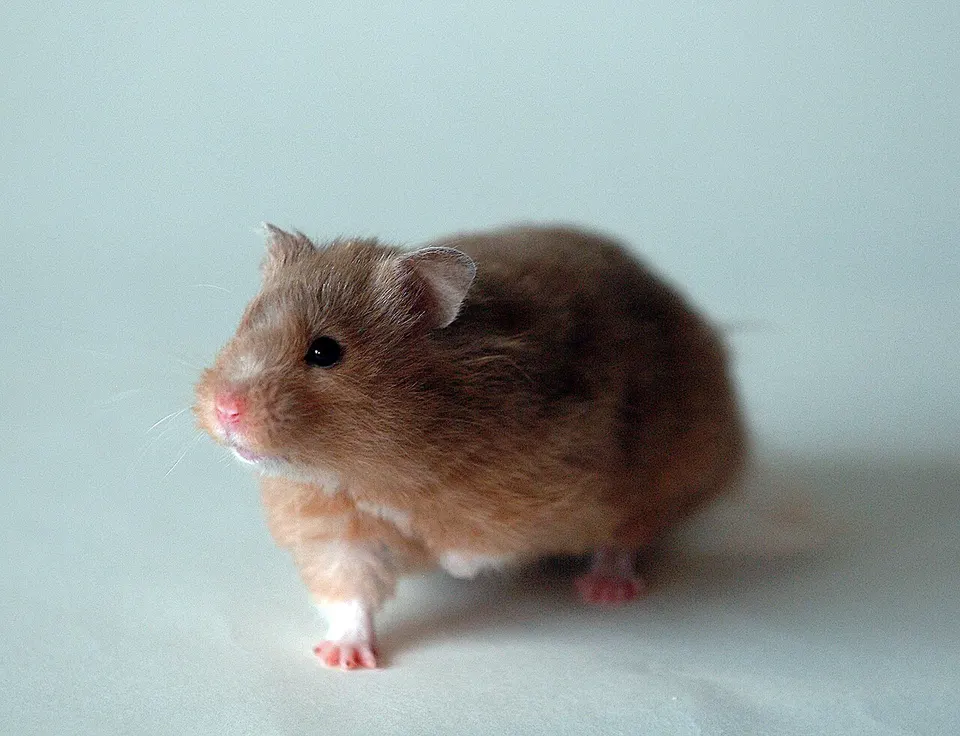
Syrian hamsters, also called teddy bear or golden hamsters, are the larger hamsters, about 5 to 7 inches, from dry country in Syria and Turkey. They are nocturnal, omnivorous, and strictly solitary as adults. Lifespan is about 2 to 3 years. Beginner-friendly is true for the husbandry and false for anyone who wanted a pet that is awake after school and happy to share a cage.
Floor space and a straight back
Give at least 450 square inches of continuous floor, with deep bedding, 8 inches or more, so the hamster can burrow. Paper bedding beats cedar and pine, which irritate airways. A solid 11- or 12-inch wheel, a sand bath, and chew toys cover the rest. Scatter a portion of the food so foraging takes time. A seed mix plus a formulated lab block, a bit of vegetable, and occasional protein such as a mealworm is a fair diet. Water in a bottle checked daily, because they pack bedding into the spout.
They are awake at night. A bedroom cage is a mistake you will hear. Handle in the evening, sit down, and expect a new hamster to take weeks. A fall from hands onto a hard floor breaks fragile bones.
Wet tail and the short calendar
"Wet tail" is a diarrheal emergency, especially in young hamsters, with a dirty rear, lethargy, and a fast decline. It needs a vet the same day, fluids, and often antibiotics, not a pet-store dropper chosen at random. Lumps, overgrown teeth, and skin mites are the other common reasons for a visit. Find an exotic vet before you need one; many dog-and-cat clinics will not see a hamster.
Setup cost is often $80 to $200 if you buy a suitably large bin or tank instead of a colorful tiny cage. The VCA small-pet pages are a useful overview. A hamster that is suddenly still, wet, or breathing hard belongs on the not-eating guide and at a clinic, with the checker as a quick second opinion on urgency. Syrians suit one person who likes a quiet daytime house and a busy evening pet. They do not suit a shared classroom cage.
One Syrian, one cage
Can two Syrian hamsters live together?
No. Adults fight, sometimes to serious injury. The social-needs line on this page says they must live alone, and that is the rule, not a suggestion for extra-friendly individuals.
How big should the cage be?
At least 450 square inches of unbroken floor, and more is better. A connecting trail of tubes does not count as floor. Bar spacing has to be tight enough that a Syrian cannot squeeze out.
What size wheel?
About 11 to 12 inches, solid surface, so the back stays straight. A small curved wheel is how hamsters get a hunched spine.
How long do they live?
Often 2 to 3 years. The short life is the part to tell a child before the birthday, not after.
Decision Guides for Syrian Hamster (Golden Hamster)
Use these only when comparing food, insurance, ownership budget, or beginner fit for this specific pet.