Syrian Hamster (Golden Hamster)
Quick Facts
| Attribute | Details |
|---|---|
| Scientific Name | Mesocricetus auratus |
| Origin | Syria/Turkey (wild) |
| Size | Large for hamster (5-7 inches / 13-18 cm) |
| Lifespan | 2-3 years |
| Diet | Omnivore (seeds, vegetables, protein) |
| Activity Level | High (nocturnal) |
| Social Needs | MUST live alone - strictly solitary |
| Care Level | Beginner-friendly |
| Space Requirements | Minimum 450 sq inches floor space |
Recommended for Syrian Hamsters
Kaytee - Hamster habitats and food | Oxbow - Premium hamster nutrition | Chewy Autoship - Save 35% on supplies
Syrian Hamster Overview
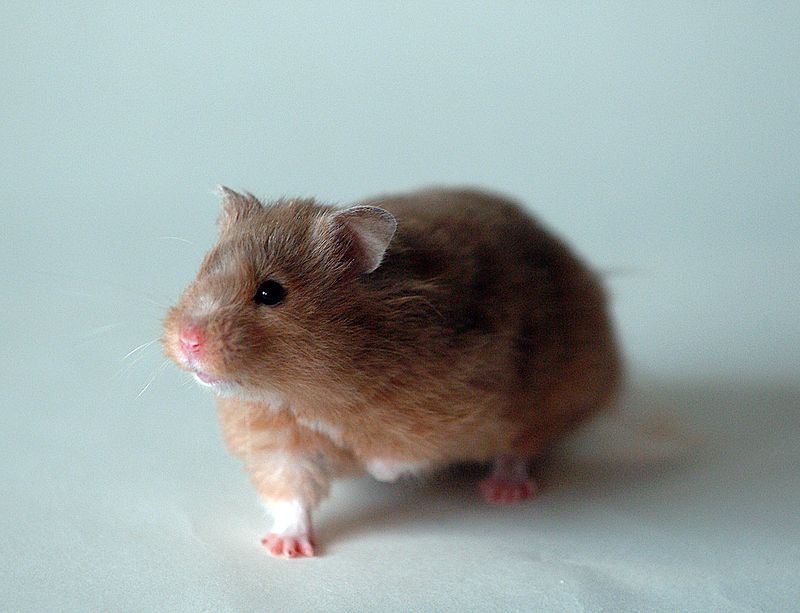
The Syrian Hamster, also known as the Golden Hamster or Teddy Bear Hamster, is the largest and most common pet hamster species. These charismatic rodents are beloved for their size (making them easier to handle than dwarf species), generally docile temperament, and variety of coat colors and patterns.
All pet Syrian hamsters descend from a single litter captured in Syria in 1930. Despite this limited genetic origin, selective breeding has produced an amazing variety of coat types including short-haired, long-haired (teddy bear), satin, and rex varieties, in colors ranging from the original golden to black, cream, white, and many patterns.
The Syrian Hamster (Golden Hamster) is a rewarding small animal companion that brings unique characteristics to the household. With a lifespan of 2-3 years and a well-balanced temperament, the Syrian Hamster (Golden Hamster) occupies a distinctive niche among small animals that appeals to a wide range of potential owners. However, the apparent simplicity of small animal care can be deceptive—these animals have specific physiological and behavioral needs that, when properly understood and addressed, result in a significantly healthier and more interactive pet than many first-time owners expect.
One of the most common misconceptions about Syrian Hamster (Golden Hamster) is that they are low-maintenance starter pets requiring minimal interaction. In reality, Syrian Hamster (Golden Hamster) are solitary, intelligent animals that benefit enormously from regular handling, environmental enrichment, and attentive daily care. Syrian hamsters must always be housed alone after 8-10 weeks of age, as they are strictly territorial and will fight if housed together. Their well-balanced personality becomes most apparent when they feel secure in their environment and have developed trust with their handler—a process that requires patience, consistency, and an understanding of the species-specific body language and communication signals that Syrian Hamster (Golden Hamster) use to express comfort, curiosity, fear, and contentment.
Housing and environment design for Syrian Hamster (Golden Hamster) has evolved considerably as our understanding of small animal welfare has improved. The current best practice emphasizes enclosure or hutch configurations that provide ample floor space for exercise, multiple hiding spots for security, appropriate substrate for natural behaviors, and enrichment opportunities that encourage foraging, exploration, and play. The size and complexity of the enclosure or hutch directly correlates with your Syrian Hamster (Golden Hamster)'s physical health, behavioral normality, and overall lifespan. Experienced Syrian Hamster (Golden Hamster) keepers consistently advocate for the largest enclosure or hutch that space and budget allow, supplemented with regular supervised free-roaming time outside the enclosure.
Natural Habitat & History
Understanding Syrian hamsters' wild origins helps provide better care.
- Native Range: Semi-desert regions of Syria and Turkey
- Wild Lifestyle: Dig extensive burrow systems up to 6 feet deep
- Solitary Nature: Strictly territorial in the wild; only meet to mate
- Food Hoarding: Store large amounts of food in burrow chambers
- Nocturnal: Most active during evening and night hours
- Conservation: Considered vulnerable in the wild
Housing Requirements
Syrian hamsters need surprisingly large enclosures.
Cage Size
- Minimum: 450 square inches of floor space (approximately 24" x 20")
- Recommended: 600+ square inches for optimal wellbeing
- Height: Not as critical - hamsters are ground dwellers
- Options: Large aquariums (40+ gallons), bin cages, or large commercial cages
Essential Equipment
- Wheel: CRITICAL - minimum 10-12 inch diameter (back should be flat when running)
- Bedding: 6+ inches of paper-based or aspen bedding for burrowing
- Hide House: Multiple hiding spots for security
- Water: Bottle preferred to prevent bedding contamination
- Food Dish: Shallow dish, though scatter feeding is enriching
- Sand Bath: Chinchilla sand for grooming (not dust)
- Chews: Wood chews for dental health
Wheel Size is Critical
A wheel that's too small causes the hamster to arch their back while running, leading to spinal problems. Syrian hamsters need a minimum 10-12 inch wheel. If your hamster's back curves while running, the wheel is too small. Invest in a properly sized wheel from Chewy.
Diet & Nutrition
Syrian hamsters are omnivores with specific dietary needs: Your exotic veterinarian and experienced Syrian Hamster owners can offer perspective tailored to your situation.
Daily Diet Components
- Seed Mix/Pellets: 1-2 tablespoons of quality hamster food
- Fresh Vegetables: Small amounts daily (carrots, cucumber, broccoli)
- Protein: 2-3 times weekly (mealworms, egg, plain chicken)
- Treats: Occasional small amounts of fruit, seeds, nuts
- Water: Fresh water always available
Safe Foods
- Vegetables: Carrot, cucumber, broccoli, spinach, peas, corn
- Fruits: Apple (no seeds), banana, berries, melon (small amounts)
- Protein: Mealworms, crickets, plain cooked egg or chicken
- Grains: Plain cooked pasta, whole grain bread pieces
Foods to Avoid
- Citrus fruits (too acidic)
- Onions, garlic, leeks
- Raw potatoes, raw beans
- Chocolate, caffeine
- Almonds (contain cyanide compounds)
- Sugary or salty processed foods
When it comes to Syrian Hamster (Golden Hamster) nutrition, simplicity usually wins. A well-formulated food that meets your Syrian Hamster (Golden Hamster)'s specific needs is better than a rotation of trendy diets. Focus on protein quality, calorie appropriateness for your Syrian Hamster (Golden Hamster)'s size and activity level, and avoiding ingredients your Syrian Hamster (Golden Hamster) does not tolerate well. The rest is marketing.
Learning to read a pet food label takes five minutes and will serve you for the life of your Syrian Hamster (Golden Hamster). Check that a named protein (chicken, beef, salmon — not "meat meal") is the first ingredient. Look at the guaranteed analysis for protein and fat percentages that match your Syrian Hamster (Golden Hamster)'s needs. Ignore marketing terms like "premium" and "gourmet" — they have no regulatory meaning. The species nutrition guidance statement on the back tells you whether the food is complete and balanced for a specific life stage, which is the information that actually matters.
Common Health Issues
Syrian hamsters are generally hardy but prone to certain conditions.
Wet Tail (Proliferative Ileitis)
- Cause: Bacterial infection, often stress-related
- Signs: Wet, soiled tail area, lethargy, hunched posture, diarrhea
- Action: EMERGENCY - see vet immediately; often fatal without treatment
- Prevention: Reduce stress, proper diet, clean environment
Dental Problems
- Overgrown Teeth: Incisors grow continuously
- Prevention: Provide wooden chews and hard foods
- Signs: Difficulty eating, drooling, weight loss
Cheek Pouch Issues
- Impaction: Food stuck in cheek pouches
- Eversion: Cheek pouch turned inside out
- Prevention: Avoid sticky foods; check pouches regularly
Other Concerns
- Respiratory Infections: From dusty bedding or cold drafts
- Mites: Cause scratching and hair loss
- Tumors: More common in older hamsters
- Diabetes: Avoid sugary foods; more common in some lines
Health management for a Syrian Hamster (Golden Hamster) works best when owners treat it as an ongoing conversation with their veterinarian rather than an once-a-year formality. Subtle behavioral shifts — eating slightly less, sleeping in a different spot, hesitating before a familiar activity — often precede clinical symptoms by weeks or months.
Genetic testing gives Syrian Hamster (Golden Hamster) owners a head start on conditions that might otherwise catch them off guard. By understanding which health risks are written into your Syrian Hamster (Golden Hamster)'s DNA, you can work with your vet to schedule targeted checks and make informed choices about diet, exercise, and supplementation.
The middle years of a Syrian Hamster (Golden Hamster)'s life are when subtle health shifts begin to appear — slightly slower recovery after exercise, a preference for softer resting spots, or minor changes in appetite. Recognizing these as natural transitions rather than emergencies allows you to make thoughtful adjustments.
Handling & Socialization
Syrian hamsters can become very tame with proper handling.
Taming Process
- First Week: Let them settle without handling
- Hand Introduction: Place your hand in the cage without grabbing
- Treat Training: Offer treats from your hand
- Scoop Method: Gently scoop from below, never grab from above
- Build Up: Gradually increase handling time
Handling Tips
- Handle in the evening when they're naturally waking
- Cup in hands rather than gripping
- Sit on floor or over soft surface in case of falls
- Never wake a sleeping hamster suddenly (may bite defensively)
- Avoid wearing strong scents that confuse them
Behavior & Temperament
Understanding Syrian hamster behavior: Your exotic veterinarian and experienced Syrian Hamster owners can offer perspective tailored to your situation.
Solitary Nature
- MUST Live Alone: Syrian hamsters are strictly solitary after 8-10 weeks
- Fighting: Will fight other hamsters, often to the death
- No Exceptions: Even littermates will fight eventually
- Human Bond: Can form strong bonds with their owner instead
Common Behaviors
- Wheel Running: May run several miles nightly
- Burrowing: Love to dig and create tunnels
- Food Hoarding: Store food in their cheek pouches and nests
- Grooming: Frequent self-grooming is normal
- Bar Chewing: May indicate need for larger cage or more enrichment
- Scent Marking: Rubbing on objects to mark territory
Activity Pattern
- Nocturnal: Most active at night
- Evening: Often wake around dusk for handling
- Deep Sleep: Heavy sleepers during the day
- Torpor: May become sluggish if too cold
The well-balanced personality that Syrian Hamster (Golden Hamster) are known for becomes most evident once the animal has settled into its environment and developed trust with its handler. Initial shyness or wariness is completely normal and should not be mistaken for an unfriendly disposition. Syrian Hamster (Golden Hamster) typically require a settling-in period of one to three weeks during which handling should be minimal and the animal should be allowed to explore its enclosure or hutch and acclimate to household sounds and routines at its own pace. Pushing socialization too quickly during this period can set back the bonding process significantly.
Syrian Hamster (Golden Hamster) are strictly solitary animals and must always be housed alone. Unlike dwarf hamster species that may tolerate companions, Syrian hamsters become highly territorial after 8-10 weeks of age. Housing Syrian hamsters together will result in severe fighting, serious injuries, and potentially death. Each Syrian hamster needs its own separate enclosure with no exceptions. Their social needs are met entirely through regular, gentle handling by their human caretaker — a well-socialized Syrian hamster forms a strong bond with its owner and enjoys daily interaction and out-of-cage playtime.
Activity patterns and play preferences in Syrian Hamster (Golden Hamster) provide important insights into their overall wellbeing. A healthy, well-adjusted Syrian Hamster (Golden Hamster) will display curiosity about new enrichment items, engage in species-typical play behaviors, and maintain consistent activity patterns within their normal circadian rhythm. Changes in these patterns—reduced exploration, decreased play behavior, altered sleep-wake cycles—are often the earliest indicators of illness or stress. Keepers who establish a baseline understanding of their individual Syrian Hamster (Golden Hamster)'s normal behavior patterns are better positioned to identify and address problems early, when intervention is most effective and least costly.
Is a Syrian Hamster Right for You?
People often underestimate how much this piece of a Syrian Hamster's routine influences later health outcomes. Take the time to learn what your individual small animal needs — the investment pays off throughout their life.
Syrian Hamsters Are Great For:
- First-time small pet owners
- Those wanting a single, interactive pet
- Night owls who are awake in evening/night
- People wanting a handleable, tame pet
- Children (10+) with adult supervision
- Limited space (still need proper cage size)
Syrian Hamsters May Not Be Ideal For:
- Light sleepers in the same room (wheels are noisy)
- Those wanting a daytime pet
- People hoping to keep multiple hamsters together
- Very young children (small, fast, may bite)
- Those unable to provide adequate cage size
Owning a Syrian Hamster (Golden Hamster) is a commitment measured in years, not months. The enthusiasm of the first few weeks fades, and what remains is a daily routine of feeding, exercise, grooming, and vet visits. If that sounds like a satisfying rhythm rather than a burden, you are probably in a good position to move forward. If it sounds exhausting, it is worth reconsidering.
People who live with a Syrian Hamster (Golden Hamster) tend to develop a deep appreciation for the breed's personality — its distinct character becomes part of the household's rhythm. That bond does not happen overnight, but it builds steadily when care is consistent and expectations are grounded.
Cost of Ownership
These Syrian Hamster cost estimates give you a solid starting point, but real-world expenses vary by location, health status, and personal choices. Building in some buffer for unplanned expenses is always a good idea.
Take this as a general baseline, your exotic vet can narrow it down to what suits your Syrian Hamster's actual health picture and daily habits.
Year one hits the wallet hardest. Between the initial purchase or adoption fee, initial veterinary exam, habitat setup, starter supplies, and species-appropriate enrichment items, expect to spend noticeably more than in subsequent years. Once those one-time costs are behind you, annual spending drops — though it tends to creep back up as your Syrian Hamster (Golden Hamster) ages and needs more frequent veterinary attention in the later years.
Preventive care is not glamorous, but it is the single best investment you can make in your Syrian Hamster (Golden Hamster)'s health. Routine wellness exams catch problems early, when treatment is simpler and cheaper. Keeping up with vaccinations, dental cleanings, and parasite prevention costs a fraction of what treating the resulting diseases would. Most veterinary professionals agree that consistent preventive care extends both the length and quality of a Syrian Hamster (Golden Hamster)'s life.
Related Species to Consider
If you're interested in Syrian Hamsters, you might also consider.
- Dwarf Hamsters - Smaller, some can live in pairs
- Roborovski Hamster - Smallest, fastest species
- Gerbil - Social, more active during day
- Fancy Mouse - Social, smaller option
Ask Our AI About Syrian Hamsters
Have specific questions about Syrian hamster care, taming, or health? Our AI assistant can provide personalized guidance.
Get Personalized AI Guidance
Ask Our AI NowDecision Guides for Syrian Hamster (Golden Hamster)
Use these only when comparing food, insurance, ownership budget, or beginner fit for this specific pet.