Dumbo Rat
This page is educational reference material for preparing questions. A licensed veterinarian examines the animal, makes the diagnosis, and sets the treatment.
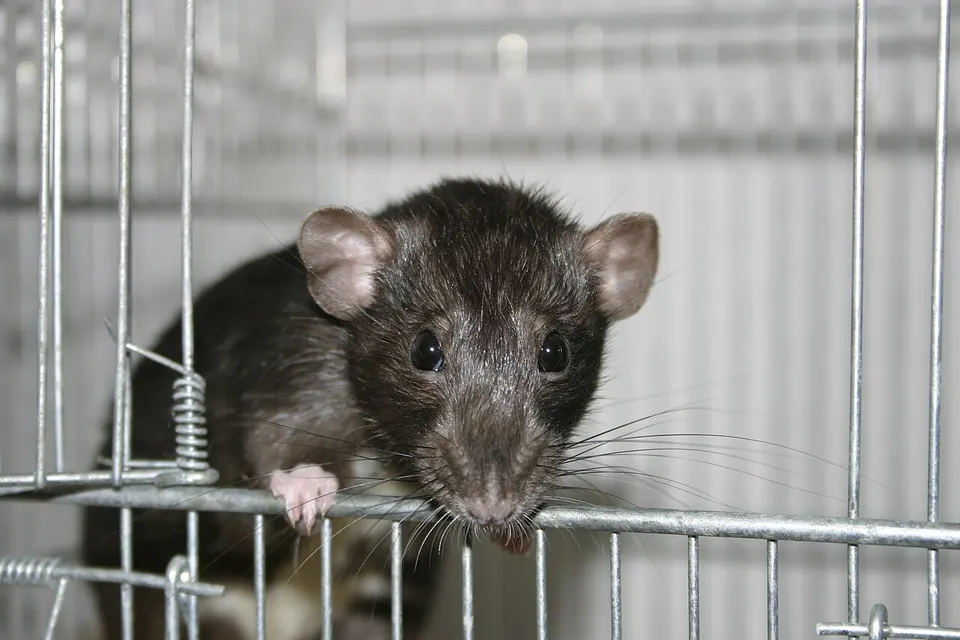
Quick Facts
| Attribute | Details |
|---|---|
| Type | Rat |
| Size | Small-Medium (0.5-1.5 lbs) |
| Lifespan | 2-3 years |
| Diet | Lab blocks, fresh food |
| Social Needs | Highly social - pairs/groups |
| Activity Level | High |
| Care Level | Beginner |
| Space Requirements | 2 cu ft per rat minimum |
Recommended for Dumbo Rats
Dumbo Rat Overview
The Dumbo Rat is a small-medium (0.5-1.5 lbs) rat that makes an excellent pet for beginners and families. With a lifespan of 2-3 years, they are a shorter-term commitment compared to some pets.
Dumbo Rats thrive with companionship and are best kept with compatible cage mates.
A dumbo rat is a fancy rat, Rattus norvegicus, with ears set low and wide on the sides of the head. It is not a smaller species, not a dwarf rat, and not a mouse with large ears. This card lists a small to medium adult, 0.5 to 1.5 pounds, a lifespan of 2 to 3 years, high activity, beginner care, and a minimum of 2 cubic feet per rat. That weight range is the ordinary pet-rat range. A dumbo that stays well under it is not a teacup variety. It is a young rat or a thin one.
Care matches other pet rats. The ear placement does not change the lungs or the mammary tissue. Respiratory disease is common in the species, and so are tumors, especially mammary tumors. A new lump, a wheeze, red staining around the nose, or weight loss needs a vet who will treat rats. Pet-shop drops are not a plan, and this page will not invent a dose. The low ears still have to be checked for tears and for mites, but they are not a different organ system.
Housing Requirements
- Space: 2 cu ft per rat minimum - always provide the largest enclosure possible.
- Type: Multi-level wire cage with solid platforms.
- Bedding: Paper-based or fleece bedding; avoid cedar and pine.
- Enrichment: Hammocks, ropes, tunnels, and foraging opportunities.
- Temperature: 65-75°F for most small animals; avoid temperature extremes.
- Cleaning: Spot-clean daily; full cleaning weekly.
Diet & Nutrition
- Primary Diet: Lab blocks, fresh food.
- Fresh Foods: Small amounts of fruits, vegetables, and protein daily.
- Avoid: Chocolate, caffeine, citrus, and foods toxic to small animals.
First ingredient should be a specific animal protein. Calorie content per cup helps you portion correctly for your Dumbo Rat's size.
Common Health Issues
- Respiratory Disease: Extremely common in rats (mycoplasma). Signs: sneezing, porphyrin (red discharge around eyes/nose).
- Tumors: Both benign (mammary) and malignant tumors are common, especially in females.
- Bumblefoot: Foot infections from wire floors. Use solid platforms and clean bedding.
- Obesity: Overfeeding treats and under-exercising leads to obesity in most small animals.
Exotic Vet Care
Find an exotic vet before you need one. Regular health checks help catch issues early.
Handling & Taming
- Approach: Move slowly and let them come to you.
- Bonding: Rats bond quickly and enjoy shoulder rides and free-roam time.
- Exercise: Daily out-of-cage time for exploration and bonding.
Is a Dumbo Rat Right for You?
Experienced Dumbo Rat owners often cite this as the factor they wish they had taken more seriously at the start.
Dumbo Rats Are Great For:
- First-time small pet owners
- Owners who want a single pet
- Those who enjoy watching active, entertaining pets
- People who can commit to 2-3 years of care
Dumbo Rats May Not Be Ideal For:
- Those unable to maintain proper enclosure conditions
- Those wanting a completely quiet pet
- Those unable to provide regular care and interaction
- Very young children without adult supervision
Ask Our AI About Dumbo Rats
Have specific questions about Dumbo Rat care, health, or behavior? Our AI assistant can provide personalized guidance.
When to See the Vet
- Lumps and bumps: Any new or changing growths should be examined. While many are benign, early detection of cancerous masses improves treatment outcomes.
Diet and Nutrition Tips
- Quality ingredients: Choose foods with named animal proteins as the first ingredient. Avoid products with excessive fillers, artificial colors, and by-product meals.
- Life stage formula: Feed a diet appropriate for your Dumbo Rat's current life stage: juvenile, adult, or senior formulations are designed for specific nutritional needs.
- Adjust portions based on activity level, age, and body condition.
- Fresh water: Provide clean, fresh water at all times. Change water daily and clean bowls regularly to prevent bacterial growth.
- Choose healthy options like small pieces of lean meat or vegetables.
- Supplements: Consult your veterinarian before adding supplements. Most high-quality commercial diets are nutritionally complete and do not require supplementation.
Exercise Requirements
Regular exercise is essential for your Dumbo Rat's physical health and mental well-being.
- This allows running, jumping, and exploring that cage space cannot provide.
- Ensure the wheel is solid-surfaced to prevent injury.
- Social play: Interact with your Dumbo Rat during exercise time. Gentle handling and interactive play strengthen your bond and provide mental stimulation.
Training Advice
They are highly social. The card calls for pairs or groups. Females often do better in pairs, settling with another female more readily than a pair of adult males that were raised apart. Males still need company. A lone dumbo is not a low-drama choice. It is a rat missing the species it was built to sleep beside. Introductions belong on neutral ground. Dropping a new adult into a lived-in cage is how a beginner-labeled pet draws blood.
- Start early: Begin socialization and basic training as soon as your Dumbo Rat comes home. The first few months are a critical learning period.
- Positive methods: Reward desired behaviors with treats, praise, or play. Positive reinforcement is proven more effective and humane than punishment-based methods.
- Socialization: Expose your Dumbo Rat to various people, animals, sounds, and environments in a positive way during the early socialization window.
- Keep sessions short: Training sessions of 5-15 minutes are most effective. End before your Dumbo Rat becomes bored or frustrated.
- Consistency matters: Use the same commands and rules across all family members. Inconsistency confuses your Dumbo Rat and slows learning.
Grooming Essentials
Feed lab blocks as the base and add fresh food beside them. A seed mix as the whole diet lets a rat pick the fatty pieces and ignore the rest. Two cubic feet per rat is the printed minimum, and a pair needs that allowance twice, plus height for hammocks and a solid floor. Wire mesh under the feet causes bumblefoot. High activity means climbing, chewing, and a cage that is redecorated often. Beginner care assumes you can meet that, not that the animal occupies a corner like a fish.
- Brushing: Regular brushing removes loose hair, distributes natural oils, and prevents matting.
- Bathing: Bathe your Dumbo Rat every 4-8 weeks or as needed using a species-appropriate shampoo. Overbathing strips natural oils from the coat and skin.
- Nail care: Trim nails every 2-4 weeks. Keep styptic powder on hand in case of bleeding.
- Dental hygiene: Brush teeth several times weekly using pet-safe toothpaste.
- Ear cleaning: Check ears weekly for redness, odor, or discharge. Clean with a veterinarian-approved ear cleaner as needed.
Living Environment
- Safe spaces: Provide a dedicated area where your Dumbo Rat can retreat and rest undisturbed.
- Temperature: Maintain comfortable indoor temperatures. Dumbo Rat: care guides generally prefer warm, draft-free spaces and should always have shade and shelter available.
- Prevention is far better than emergency treatment.
Helpful Resources for Dumbo Rat Owners
Explore More Guides
Get Personalized AI Guidance
Ask Our AI NowDecision Guides for Dumbo Rat
Use these only when comparing food, insurance, ownership budget, or beginner fit for this specific pet.
Temperament & Personality
Dumbo Rat are characterized by a well-balanced disposition that influences their care requirements and compatibility.
- General Disposition: well-balanced nature that defines daily interactions
- Social Behavior: Specific social needs that owners should understand and accommodate
- Activity Patterns: Natural activity cycles that influence care scheduling
Two to three years is an honest lifespan. A dumbo that reaches four is old, not evidence that the card was cautious. Use the short clock to take lumps and noisy breathing seriously in year two instead of waiting for a problem to declare itself. The ears are the visible trait. The medicine, the need for a partner, and the 0.5 to 1.5 pound body are the same as any other fancy rat sharing the cage row.
Cost of Ownership
Your actual costs for Dumbo Rat care will depend on where you live, your animal's health, and the choices you make. The figures above are a reasonable starting point, but plan for some variation. Having even a small emergency fund takes real pressure off when surprises arise.
Year one hits the wallet hardest. Between the initial purchase or adoption fee, initial veterinary exam, habitat setup, starter supplies, and species-appropriate enrichment items, expect to spend noticeably more than in subsequent years. Once those one-time costs are behind you, annual spending drops — though it tends to creep back up as your Dumbo Rat ages and needs more frequent veterinary attention in the later years.