Bearded Collie
This page is educational reference material for preparing questions. A licensed veterinarian examines the animal, makes the diagnosis, and sets the treatment.
Affiliate links may earn a commission. Affiliate disclosure.
Quick Facts
| Attribute | Details |
|---|---|
| Breed Group | Herding |
| Size | Medium (45-55 lbs) |
| Height | 20-22 in |
| Lifespan | 12-14 years |
| Temperament | Lively, Smart, Active |
| Good with Kids | Excellent |
| Shedding | Moderate |
| Exercise Needs | High |
| Grooming Needs | High |
Recommended for Bearded Collies
Your veterinarian knows your Bearded Collie best — always verify dietary choices with them, especially if your dog has existing health conditions.
Bearded Collie Overview
The Bearded Collie is a medium herding breed known for being lively, smart, active. Weighing 45-55 lbs and standing 20-22 in tall, this breed combines an appealing appearance with a wonderful temperament that has made it a favorite among dog enthusiasts worldwide. With a lifespan of 12-14 years, the Bearded Collie offers years of loyal companionship.
Originally developed for herding livestock with intelligence and agility, the Bearded Collie has evolved into an excellent family companion while retaining many of its original instincts and abilities.
Bearded Collies are exceptional family dogs that get along wonderfully with children of all ages. Their lively nature makes them ideal for active families who enjoy outdoor activities.
The Bearded Collie is a breed that commands attention not just for its physical appearance but for the depth of personality and capability it brings to a household. With a lifespan averaging 12-14 years, the decision to welcome a Bearded Collie into your family is one that will shape your daily routine, activity levels, and emotional life for well over a decade. This breed's lively, smart, active temperament is the product of generations of selective breeding for specific traits—understanding this heritage provides valuable insight into why your Bearded Collie behaves the way it does and what it needs from you as an owner to truly thrive.
Living well with a Bearded Collie starts with understanding what drives their behavior.
Day-to-day life with a Bearded Collie means building their needs into your routine, not fitting them around the edges. Owners who treat these tasks as non-negotiable parts of their schedule — rather than things to squeeze in when convenient — see markedly better outcomes in both their Bearded Collie's health and their own enjoyment of the experience.
Temperament & Personality
Bearded Collies have a distinctive personality that endears them to their owners.
- Lively: This defining trait makes the Bearded Collie a standout companion that bonds deeply with their family.
- Active: Bearded Collies show remarkable active in various situations and environments.
- Alert: Bearded Collies are naturally watchful and will alert their families to unusual activity.
- Energetic: Their energy level is high, requiring regular daily exercise and activities.
- Social: Bearded Collies are typically friendly with strangers and other dogs.
The lively, smart, active nature of the Bearded Collie is not a simple personality label—it is a complex behavioral profile shaped by breed history, individual genetics, early socialization experiences, and ongoing environmental factors. What this means in practice is that two Bearded Collie from different lines, raised in different environments, can display meaningfully different behavioral tendencies while still sharing core breed characteristics.
Common Health Issues
Bearded Collies are generally healthy dogs, but like all breeds, they can be prone to certain conditions.
orthopedic problems
- Hip Dysplasia: A common concern in medium breeds. Regular screening and maintaining healthy weight helps manage this condition.
- Progressive Retinal Atrophy: Can affect Bearded Collies, particularly as they age. Early detection through regular vet visits is important.
specific genetic predispositions that regular veterinary screening can catch early
- Epilepsy: Bearded Collie owners should be aware of this condition and discuss prevention strategies with their veterinarian.
- MDR1 gene sensitivity: A breed-relevant concern that responsible breeders screen for.
Health management for a Bearded Collie works best when owners treat it as an ongoing conversation with their veterinarian rather than a once-a-year formality.
For Bearded Collie owners interested in data-driven care, genetic testing offers a practical advantage.
Every Bearded Collie ages differently, but there are common patterns worth watching for. Owners who recognize these shifts as opportunities to recalibrate — rather than signs that the end is near — position their Bearded Collie for a much more comfortable senior stage.
Cost of Ownership
Understanding the full cost of Bearded Collie ownership helps you prepare financially.
| Expense Category | Annual Cost Estimate |
|---|---|
| Food (premium quality) | $400-$800 |
| Veterinary Care (routine) | $300-$600 |
| Pet Insurance | $300-$600 |
| Grooming | $300-$600 |
| Training (first year) | $200-$500 |
| Supplies & Toys | $150-$300 |
| Total Annual Cost | $1,350-$4,000 |
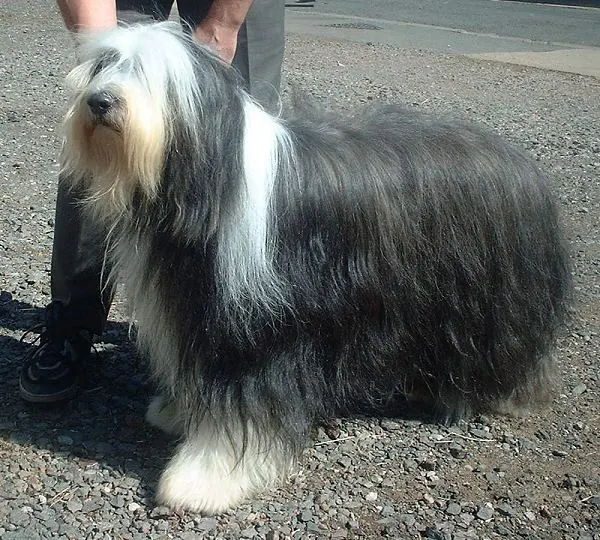
Bearded Collies have a long, flowing double coat that requires dedicated grooming — daily brushing during coat development and regular brushing as an adult to prevent mats, with professional grooming appointments to trim and tidy. Their herding instincts and high energy mean structured exercise and mental stimulation are daily necessities, and many owners invest in agility or obedience classes. Hip evaluations and Addison's disease awareness round out the preventive care considerations specific to the breed. Coat neglect on a Bearded Collie becomes a skin infection, not just a bad hair day.
Expect the first year of Bearded Collie ownership to carry the heaviest financial load.
The temptation to skip a routine checkup when your Bearded Collie appears to be thriving is understandable but misguided.
Exercise & Activity Requirements
Bearded Collies have high exercise needs.
- Activities: Thrives in herding trials, agility, obedience, and rally.
- Socialization: Regular interaction with other dogs and people keeps your Bearded Collie well-adjusted.
Training Tips for Bearded Collies
Training a Bearded Collie is generally enjoyable thanks to their willing nature.
- Positive Reinforcement: Use treats, praise, and play as rewards for desired behaviors.
- Consistency: Establish clear rules and maintain them across all family members.
- Early Socialization: Expose your Bearded Collie to various people, animals, sounds, and environments from puppyhood.
- Short Sessions: Keep training sessions to 10-15 minutes for maximum effectiveness.
- Patience: While eager to please, every dog learns at their own pace.
- Professional Help: Consider professional training classes, especially for first-time Bearded Collie owners.
Nutrition & Feeding
Proper nutrition is essential for your Bearded Collie's health: Broad guidance is a starting point; the real gains come from tailoring the plan to the particular animal in your home.
- Meal Schedule: Two measured meals daily for adults; three meals for puppies.
- Fresh Water: Always provide access to clean, fresh water.
- Treats: Keep treats to 10% or less of daily caloric intake.
Top Food Choices for Bearded Collies
The Farmer's Dog - Pre-portioned fresh meals | Ollie - Custom meals for medium breeds | Hill's Science Diet - Vet-recommended nutrition
Grooming Requirements
Bearded Collies have high grooming needs: The habits that keep a Bearded Collie healthy long-term almost always start with an owner willing to learn.
- Bathing: Every 3-4 weeks or as needed.
- Nail Trimming: Every 2-3 weeks to prevent overgrowth.
- Dental Care: Brush teeth several times weekly to prevent dental disease.
- Ear Cleaning: Check and clean ears weekly, especially if ears are floppy.
- Shedding: Moderate shedding throughout the year.
Is a Bearded Collie Right for You?
Bearded Collies Are Great For:
- Families with children of all ages
- Active individuals and families who enjoy outdoor adventures
- Experienced dog owners who can provide firm, consistent leadership
- Those looking for a lively and devoted companion
- People who can commit to regular grooming maintenance
Bearded Collies May Not Be Ideal For:
- Owners unable to provide adequate exercise despite small size
- Sedentary owners or those with limited time for exercise
- Those who cannot tolerate any shedding
- People who leave their dogs alone for extended periods
Ask Our AI About Bearded Collies
Get Personalized AI Guidance
Ask Our AI NowA Bearded Collie carries a long double coat that mats down to the skin if it is brushed only on the surface. They are a herding dog with a real bark and a need to move. Addison's disease, low adrenal function, is the illness this breed is known for, and it can look like a vague stomach upset until a vet runs the test.
Daily Bearded Collie care is a line-brush of the coat, a long walk or herding game, and a watch on appetite and energy. A beard holds water and food, so wipe it after meals or the skin under the chin gets infected. A dog that is suddenly weak, vomiting, or unwilling to stand needs an adrenal test, not another day of rest.